Host parents often ask for suggestions on how best to handle common expenses that occur as au pairs are caring for the children.
Miscellaneous Expenses
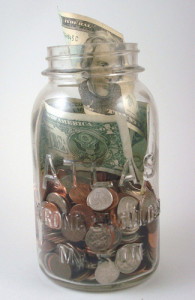
There are different ways to handle the little day-to-day expenses that come up. Things like when an au pair takes the kids out for ice cream or picks up a gallon of milk. Some families keep a cookie jar fund, a little cash that they set aside weekly or monthly for these types of expenses. Others give their au pair a prepaid debit card for this purpose. Below are some suggestions for avoiding problems with expenses.
Host Families
It’s important to be clear about how long this money should last and what types of expenses are approved.
Let the au pair know whether or not you expect receipts.
Au Pairs
Only spend the money on approved expenses.
If it is something you are not sure about, ask first.
Put your receipts in the cookie jar in place of the money to avoid any confusion.
Gas, Uber & Metro
Transportation costs will vary depending on if your au pair is driving or taking public transportation. Here is a post dedicated to How to Handle Transportation Costs.
Being an au pair is an important role in a child’s life. When you are caring for young children up to 45 hours per week, there are lots of opportunities to help them learn language. Many host parents are eager for their children to be exposed to more than just English. If this is true of your host parents, you can try the suggestions below, in both English and your native language.
Below are a few tips to start with, for more ideas, check out Ready at Five.
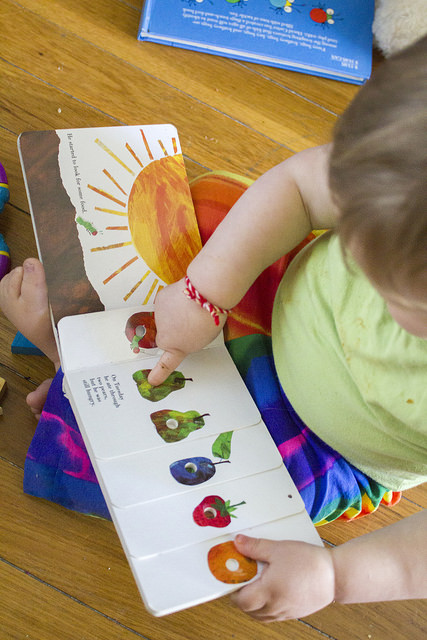
Read – Read to them daily, point out pictures and ask questions. Even if they can’t answer the questions, this is still modeling conversation.
Talk – Point out objects around them, names of their body parts, explain what you are doing and places you are going. Long before babies can speak, they benefit greatly from being spoken to.
Sing – You can sing childhood classics or make up your own silly songs. If you are looking for song ideas, HERE is a great website with lists of songs, lyrics and links to youtube videos* of the songs. Children’s music is also available at the public library and even on iTunes.
Words – As children move from toddlers to preschoolers begin to point out written language.
Writing – Toddlers and preschoolers can begin to learn pre-writing skills by drawing with crayons or doing finger paints.
*The American Academy of Pediatrics recommends no screen time for babies under 18 months of age. For children 18 months to 5 years they recommend no more than 1 hour of high quality content. You can play the songs on youtube for the audio and not necessarily show the screen to the child.
Program rules dictate several situations when the host parents are required to cover an au pair’s transportation costs. Aside from those specific requirements there are some things to consider when deciding how to handle an au pair’s personal transportation.
Situations when host parents are responsible for the au pair’s transportation costs:
To/from cluster meetings
To/from classes (for the education requirement)
When they are transporting the host children
What are some ways host parents can pay for those required transportation costs?
By providing car use and paying for the cost of gas in those situations
By giving an allowance for Metro or bus fare
By giving an allowance toward Uber/Lyft
Who is responsible for an au pair’s transportation in her free time?
If an au pair has car use, it would be reasonable for the host parents to ask her to pay for the gas used for personal car use.
If no car use is provided and an au pair must rely solely on public transportation, many host parents will give a transportation allowance to help with those costs.
What factors should you consider when deciding how to handle personal transportation costs?
Where do you live?
If you live in the city, you may be within easy walking and/or bike-riding distance to shopping and activities.
If you live in the farther out suburbs, there isn’t normally much an au pair can walk or bike to.
Is car use provided?
When host parents provide car use, that includes them covering the cost of car insurance and maintenance. So, it is fair to ask the au pair to pay for her own gas for personal use.
If host parents are not providing car use, many will figure out how much they are saving by not paying for insurance and maintenance costs and offer that to their au pair as an allowance for public transportation (metro, bus, Uber/Lyft).
Other Things to Consider
Au pairs are happiest when they are able to explore the area and make friends. This goes a long way to reduce homesickness and ensure a great cultural exchange experience. The more host parents can do to support this, the more successful their match will typically be.
When car use is provided, be clear about any limitations. Is it okay to transport friends, take the car overnight, go on a road trip, drive to Baltimore or Ocean City? In what situations does she have automatic permission and when does she need to ask in advance?
Every match is different. Transportation is only one aspect. Whatever works well for a host family and their au pair is what’s best (as long as the minimum program requirements are being met). Things like whether a host family is paying a higher stipend (over the regulation minimum), offering other benefits and driving the au pair to some places all may factor into how personal transportation costs are handled.
Please discuss transportation plans for cluster meetings in advance. Participation in cluster meetings is important for an au pair’s overall cultural experience, making friends and getting to know her counselor. Transportation to meetings should not be an impediment to those experiences. Add cluster meetings to your calendar as a reminder to reimburse your au pair if she is attending the meeting.
If you have questions or concerns about how to handle transportation, reach out to your counselor to discuss.