Having a car accident is a very upsetting, stressful situation. Being prepared and knowing what to do can make things a little bit easier. Make sure you know which host parent to call in case of an accident.
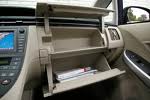
Make sure you have all the necessary documents in your car glove box. Read this post on What to Keep in the Car Glove Box for a detailed list.
If you have an accident: (from Edmunds.com)
Keep Safety First. Drivers involved in minor accidents with no serious injuries should move cars to the side of the road and out of the way of oncoming traffic. Leaving cars parked in the middle of the road or busy intersection can result in additional accidents and injuries. If a car cannot be moved, drivers and passengers should remain in the cars with seatbelts fastened for everyone’s safety until help arrives. Make sure to turn on hazard lights and set out cones, flares or warning triangles if possible.
Exchange Information. After the accident, exchange the following information: name, address, phone number, insurance company, policy number, driver license number and license plate number for the driver and the owner of each vehicle. If the driver’s name is different from the name of the insured, establish what the relationship is and take down the name and address for each individual. Also make a written description of each car, including year, make, model and color — and the exact location of the collision and how it happened. Finally, be polite but don’t tell the other drivers or the police that the accident was your fault, even if you think it was.
Photograph and Document the Accident. Use your camera to document the damage to all the vehicles. Keep in mind that you want your photos to show the overall context of the accident so that you can make your case to a claims adjuster. If there were witnesses, try to get their contact information; they may be able to help you if the other drivers dispute your version of what happened.
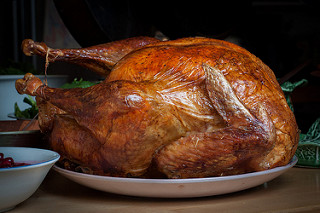
Thanksgiving is a public holiday celebrated on the fourth Thursday in November every year in the United States. It started as a harvest festival and has been celebrated nationally on and off since 1789. The most important part of Thanksgiving for American families is to spend family time together.
Here are some fun facts about this special holiday:
The first Thanksgiving was held in the autumn of 1621 and included 50 Pilgrims and 90 Wampanoag Indians and lasted three days.
The first Thanksgiving was eaten with spoons and knives — but no forks! Forks weren’t even introduced to the Pilgrims until 10 years later and weren’t a popular utensil until the 18th century.
Thanksgiving is the reason for TV dinners! In 1953, Swanson had so much extra turkey (260 tons) that a salesman told them they should package it onto aluminum trays with other sides like sweet potatoes — and the first TV dinner was invented.
Presidential pardon of a turkey: Each year, the president pardons a turkey and spares it from being eaten for Thanksgiving dinner. The first turkey pardon ceremony started with President Truman in 1947. President Obama pardoned a 45-pound turkey named Courage, who has flown to Disneyland and served as Grand Marshal of the park’s Thanksgiving Day parade!
Why is Thanksgiving the fourth Thursday in November? President Abe Lincoln said Thanksgiving would be the fourth Thursday in November, but in 1939 President Roosevelt moved it up a week hoping it would help the shopping season during the Depression era. It never caught on and it was changed back two years later.
How did the tradition of watching football on Thanksgiving start? The NFL started the Thanksgiving Classic games in 1920 and since then the Detroit Lions and the Dallas Cowboys have hosted games on Turkey Day. In 2006, a third game was added with different teams hosting.
About 90 % of Americans eat turkey on Thanksgiving Day
The ‘wishbone’ of the turkey is used in a good luck ritual on Thanksgiving Day.
Thanksgiving is a public holiday celebrated on the fourth Thursday in November every year in the United States. It started as a harvest festival and has been celebrated nationally on and off since 1789. The most important part of Thanksgiving for American families is to spend family time together.
Martin Cathrae
“My favorite holiday was Thanksgiving. Firstly, it was my first holiday with the whole family in America. Secondly, the whole family came together. All aunts and uncles and their kids came to grandma’s. We played football with all of them, including grandma and grandpa. It was the first time I played it and it was so much fun for all. We had a great dinner with all the typical things you can imagine … it was deeeelicious! It was so great to be with such a big family and I really enjoyed that day. I will remember it my whole life, I hope.” – Swantje from Germany
Here are a few tips to help you have a terrific Thanksgiving experience.
Host Parents Please plan to include your au pair in your Thanksgiving celebration, if at all possible. If you are traveling or will not be able to invite your au pair to join you for Thanksgiving, give her plenty of notice and help her make alternate plans. You don’t want to leave your au pair alone over the holiday.
Au Pairs If you are invited to attend dinner, please let your family know within 5 days of the invitation, whether you are planning to attend, so they may make plans. If your host family is unable to include you in their Thanksgiving plans, please let me know if you have trouble making other plans, so I can assist.
Make sure to discuss time off during this holiday weekend. Many host families work the Friday after Thanksgiving so do not assume you have this day off or the entire weekend. Talk to your host family, BEFORE you make any plans.
I did a blog post in October called Preparing for Cold Weather, with some general tips on layering and the kind of things you can get to stay warm. I encourage you to check that out and then come back here for specific suggestions for clothing items.
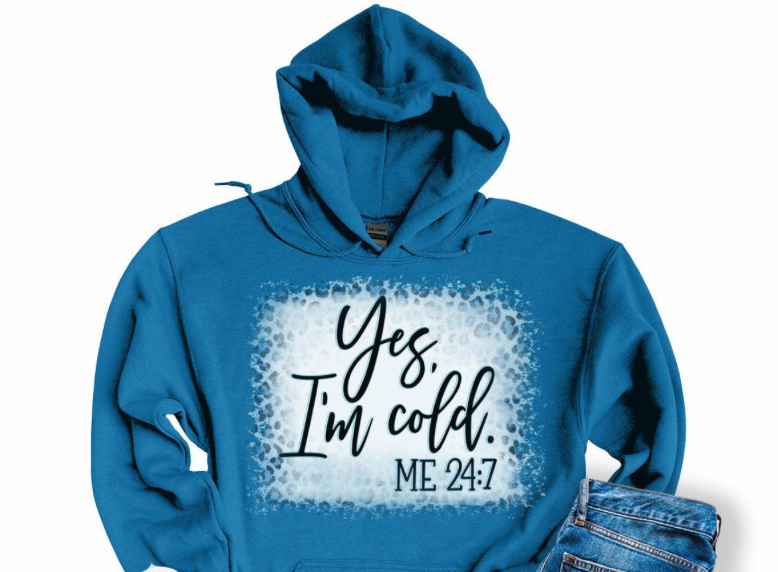
Even though I have lived in this part of the U.S. my entire life, I get cold very easily. So, I can understand how difficult it is for many of you from warm climates to get motivated to go outside when the temperatures drop below 10°C. But winter is just beginning and staying at home too much can lead to homesickness and depression. There are a few warm pieces of clothing you can get that can make all the difference.
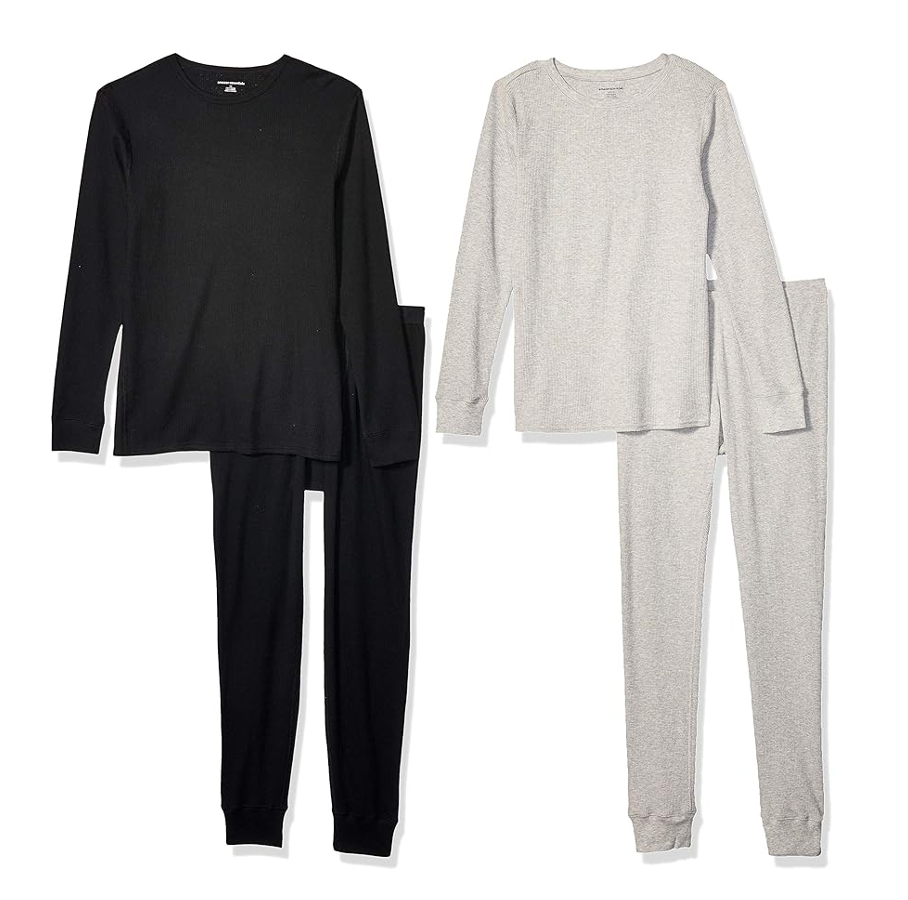
Thermal Underwear Sets
Thermal Underwear sets are long-sleeve shirts and pants that are meant to be worn under other clothes to add warmth. This is a simple place to start.
You can search “thermal underwear set”. Here are examples for men and women.
Under Skirts and Dresses
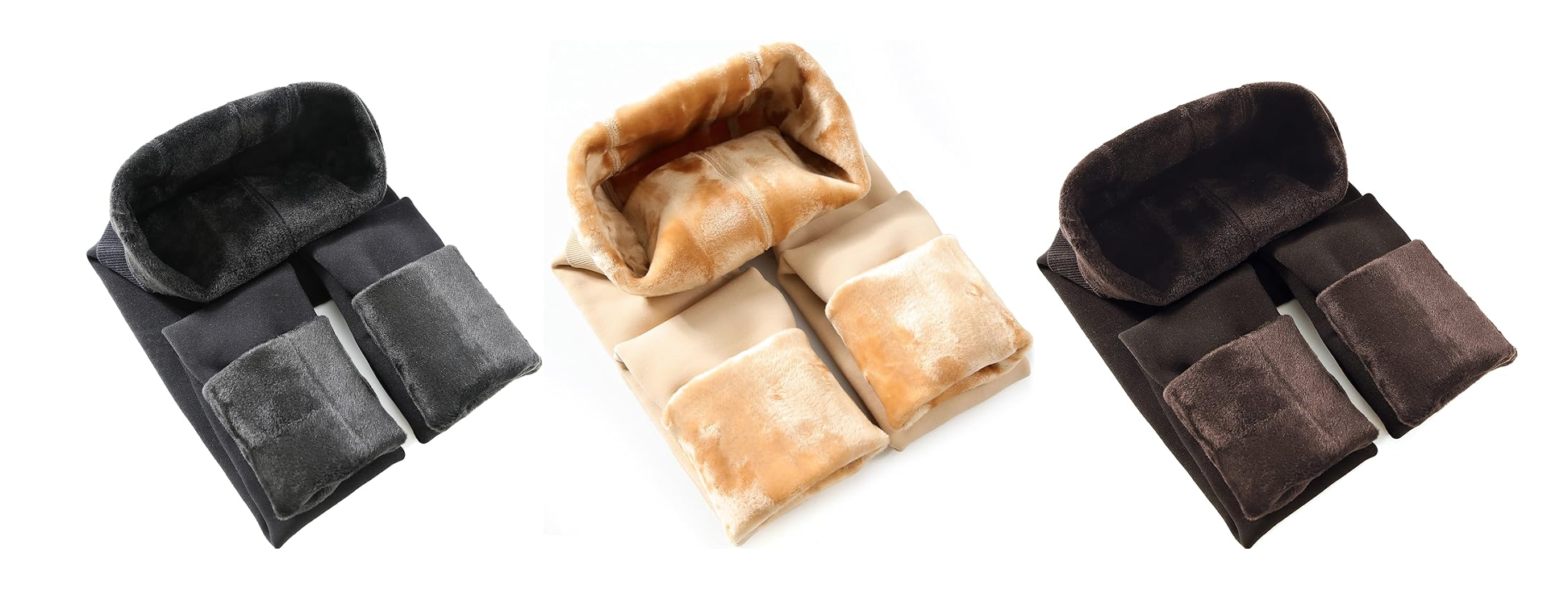
I wore a dress on Wednesday when it was 4° C (39°F) and had several people ask me how I was not freezing. The secret is fleece-lined tights. They are actually warmer than a pair of jeans or any other typical pants.
You can find these on Amazon and many other online retailers. Here are the search terms to use: “fleece lined tights” or “thermal tights”. They come in solid black and some other colors, as well as some styles that look like sheer tights or bare legs, depending on your skin tone.
Here is one example that comes in a variety of skin tones and colors. When searching be aware that not all fleece-lined tights are as thick and warm. Look for pairs with lining like those below.
Under Jeans and Pants
You can also buy less expensive pairs of nylon leggings and tights to wear under other pairs of pants (especially distressed-style jeans with rips!). They are not as warm as the fleece-lined tights but they are snug enough to fit easily under other pants and combined with jeans or pants they keep you pretty warm. The more tightly woven the fabric the warmer it will normally keep you. Cotton is not as warm as nylon and polyester fabrics.
You probably already have some of these you were wearing by themselves. Try them under a pair of jeans and see how much warmer you feel. Here is one example, but you can find these at many clothing retailers.
Under Shirts & Sweaters
Just adding a simple long-sleeved T-shirt under another shirt will add warmth. You can get long-sleeved T-shirts inexpensively at places like Walmart. But there are also warmer long-sleeve shirts that are made to provide additional warmth under shirts and sweaters. Here are the search terms to use: “Long sleeve thermal top” or “Long sleeve fleece lined top”.
Here is one example that comes in several basic colors. But, remember you’ll be covering this up with other shirts, so you can probably get away with just buying a simple black, gray, or white shirt that will go with everything.
Hats, Gloves, & Scarves
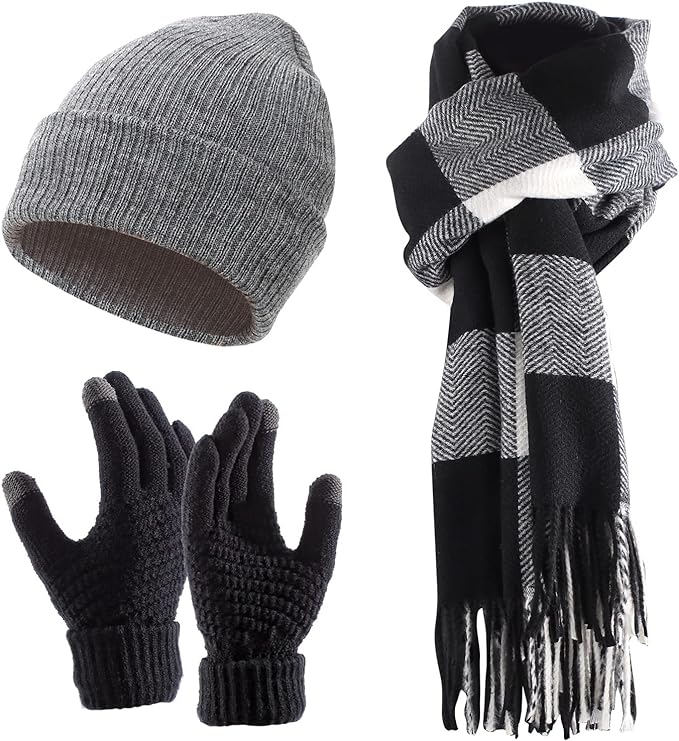
Even if you have the rest of your body dressed warmly, if you leave your head, neck, or hands uncovered or minimally covered you will still feel cold. You can get all of these items at local stores and online. Again look for tightly woven fabrics as they keep you warmer and let in less chill from the wind. Here is a basic set on Amazon.
Thermal Socks & Boots
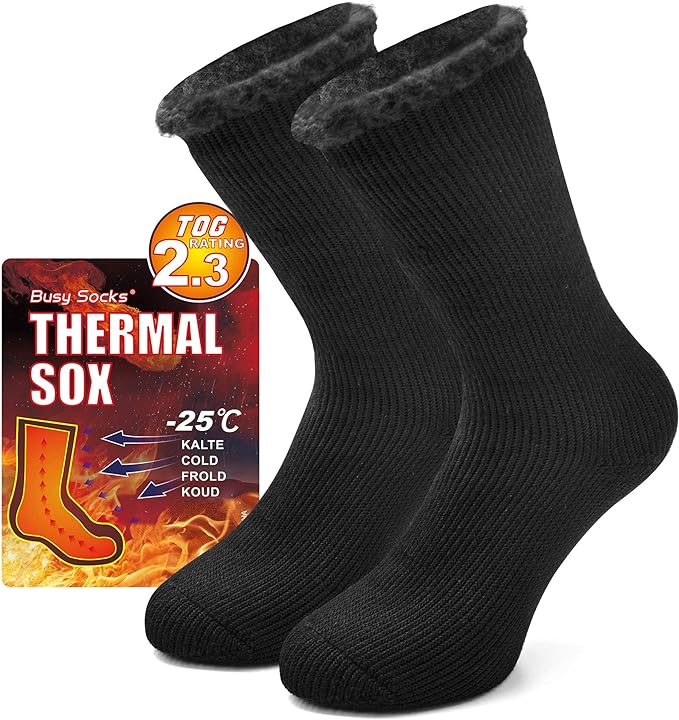
You can find thermal socks that will keep your feet very warm. Here is one example. Winter boots can provide warmth and many styles are waterproof. These can be purchased online, at local stores, and at thrift stores (resell used items for a discounted cost). If you are wearing warm boots, you may only need to buy a fluffy/thick pair of socks that you can get inexpensively at lots of local retailers and online.
Jackets, Coats, Snow Pants
It goes without saying that you will need to wear a warm jacket or coat over your clothes throughout the winter. These can be purchased online, at local stores, and at thrift stores (resell used items for a discounted cost).
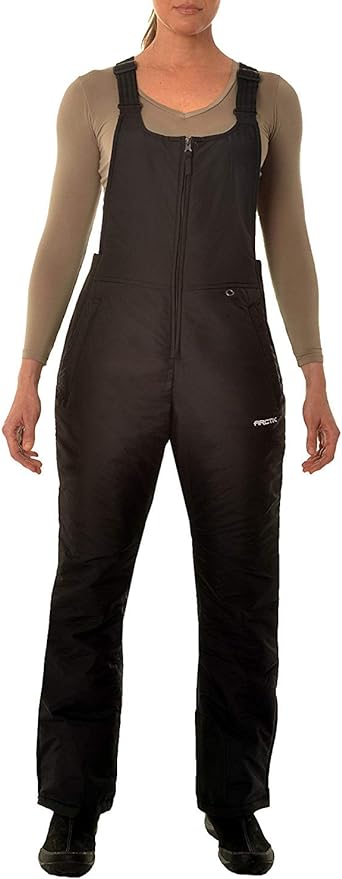
If you will be outside in snow or very cold temperatures for an extended time, you can also purchase snow pants or snow bib overalls. They go over other pants and are both insulated and waterproof. Here are some examples for men and women.
Note: I am including links to help you see examples. I am not recommending any one retailer or brand over another and this is not a sponsored post.
If you are like me, you probably have napkins and straws from fast food restaurants and other assorted items in your glove box in the car. It can be a nifty storage place, but it’s main purpose is to keep some important documents related to the car.
It is very important that you keep all of the necessary documents in the car glove box. These items will be necessary if you are stopped by a police officer or have an auto accident. Not having these items can result in your receiving a ticket (citation) from a police officer.
Maryland International Driver’s Law (this is to be shown to a police officer if you are stopped while driving with your country license and international driver’s permit and no Maryland license)
*Some host parents may tell you to carry these in your wallet instead of keeping them in the car. Follow their instructions.
Helpful Extras
Flashlight
Tire Pressure Gauge
Vehicle Owner’s Manual
Map or GPS
Tissues and Hand Sanitizer
First Aid Kit
In Your Wallet Carry your Maryland license or country driver’s license and international driver’s permit with you at all times, especially when you are driving. You should leave your passport and Social Security Card and other documents at home, to reduce the risk of losing them.

 Having a car accident is a very upsetting, stressful situation. Being prepared and knowing what to do can make things a little bit easier. Make sure you know which host parent to call in case of an accident.