With winter break and the longest nights of the year approaching, try a magical project that will wow your entire family – ice lanterns and wreaths. Depending on the ages of your children, decide if a simple or more labor-intensive project is in order.
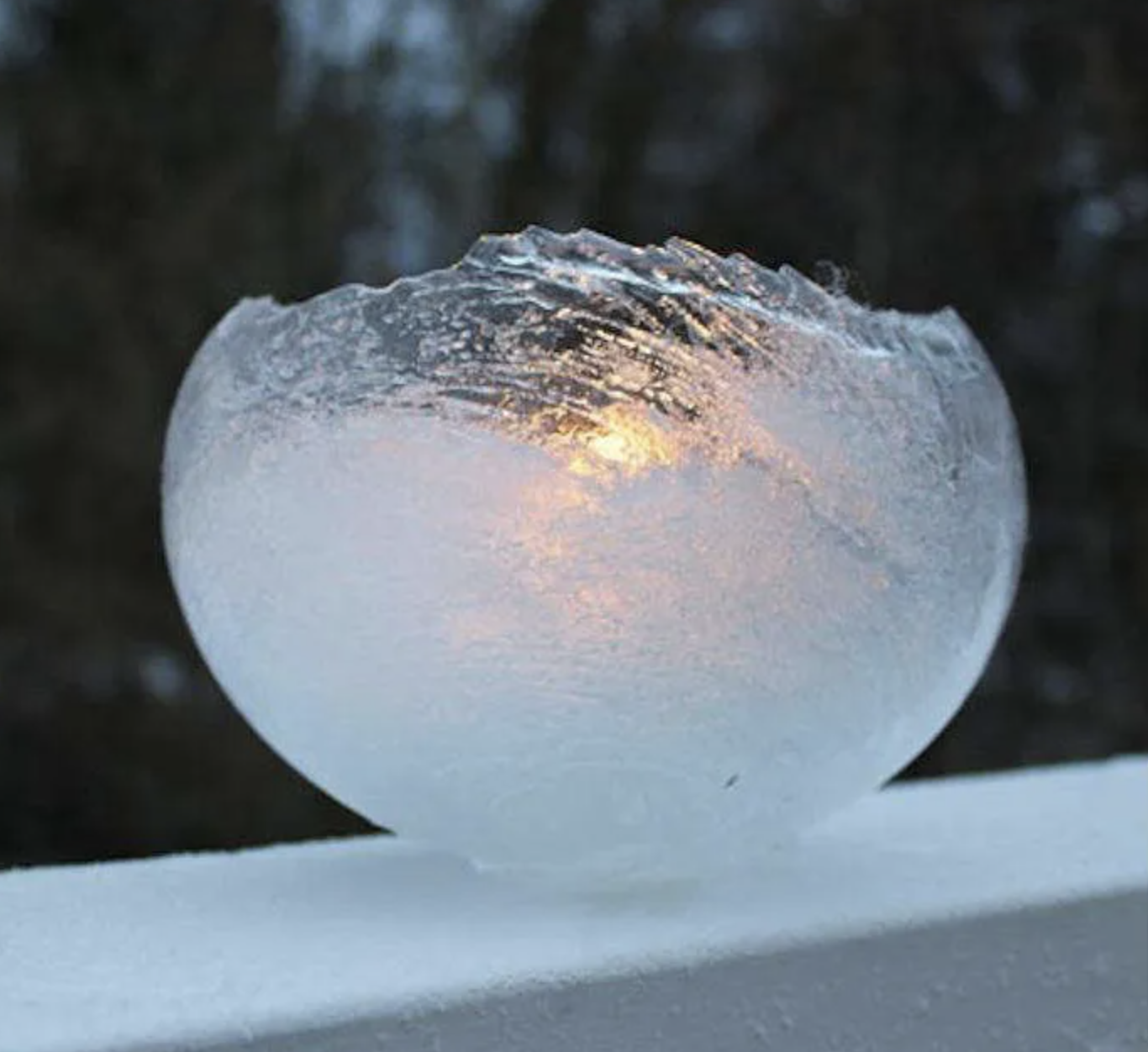
For the younger ones, try filling a balloon up partially with water and freezing it. After an hour or so, adjust your icy orb to coax some of the remaining liquid up the sides. Once solid, remove the balloon to reveal a vessel that will make Queen Elsa swoon.
Another option is to select an aluminum pie pan or plastic take-away tray and fill it with water. Arrange cranberries, pine boughs and sliced oranges then freeze. If you wish to make a hole in the ice to hang your creation, heat the tip of a skewer and carefully push it through the ice before suspending outside.
Finally, try filling a bucket or large container with water. Carefully tape a mason jar down to displace the water (or alternatively try using a bundt pan) and freeze. Once solid, remove the containers and add a candle or small light and enjoy! More detailed instructions can be found here.
For other unique craft project ideas, check out our Pinterest page!
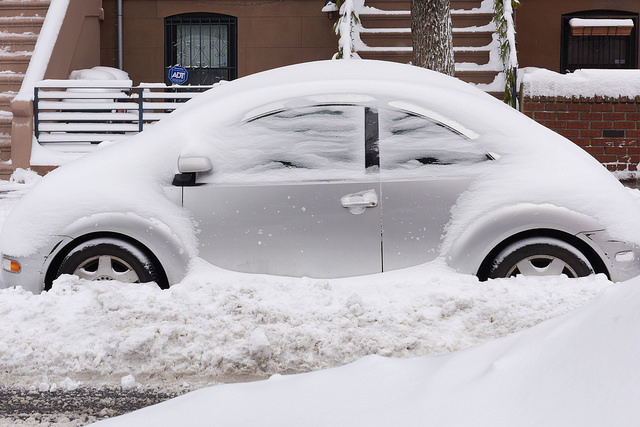
The best advice for driving in bad winter weather is not to drive at all, if you can avoid it. Don’t go out until the snow plows and sanding trucks have had a chance to do their work, and allow yourself extra time to reach your destination.
If you must drive in snowy conditions, make sure your car is prepared, and that you know how to handle road conditions. It’s a good idea to always keep at least a half tank of gas in your car, especially in winter months when you could get stranded. It’s helpful to practice winter driving techniques in a snowy, open parking lot to familiarize yourself with how your car handles. Consult your owner’s manual for tips specific to your vehicle.
Driving Safely on Icy Roads
Decrease your speed and leave yourself plenty of room to stop. You should allow at least three times more space than usual between you and the car in front of you.
Brake gently to avoid skidding. If your wheels start to lock up, ease off the brake.
Turn on your lights to increase your visibility to other motorists.
Keep your lights and windshield clean.
Use low gears to keep traction, especially on hills.
Don’t use cruise control or overdrive on icy roads.
Be especially careful on bridges, overpasses, and infrequently traveled roads, which will freeze first. Even at temperatures above freezing, if the conditions are wet, you might encounter ice in shady areas or on exposed roadways like bridges.
Don’t pass snow plows and sanding trucks. The drivers have limited visibility, and you’ll likely find the road in front of them worse than the road behind.
Don’t assume your vehicle can handle all conditions. Even four-wheel and front-wheel drive vehicles can encounter trouble on winter roads.
Homesickness can be a problem during the holidays, even if it hasn’t been at any other time of the year. Au pairs often miss their friends and family, familiar places, and their own traditions and customs. The holiday activities in the United States seem, and may actually be, different just at a time when an au pair would welcome something familiar.
It is common for au pairs’ emotions to be close to the surface during the holidays. Their highs are higher, their lows are lower. The enormity of what they have done–actually living in another country (which is an amazing thing when you think about it!)–hits and throws them into a self-protective mode.
Au Pairs, there are things you can do to reduce homesickness during the holidays. It is important to balance your activities to feel connected to your family back home and your traditions and embrace new customs and experiences here in the U.S.
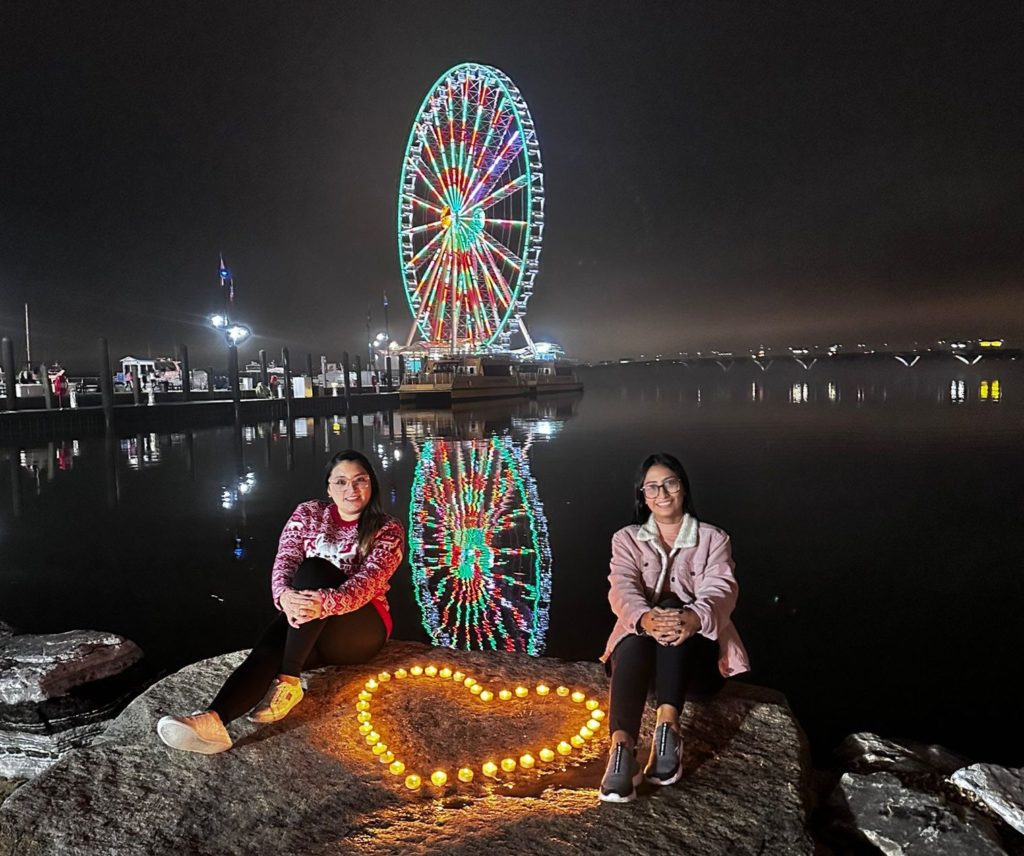
Lina and her friend enjoying one of the most popular celebrations of the year in Colombia. “Every December 7, Colombian families get together with close friends to light several candles thinking about wishes for the coming year such as health, prosperity, love, and happiness. It is also very traditional to share typical food from the region, and what can never be missing is wine and cookies.”
Share your traditions with your host family and friends. Each country has its own special holiday customs. Being friends with other au pairs, you can not only learn about the U.S. but also how other countries celebrate. When you talk with your family back home, you can share some of the new holiday experiences you are having. That can help lessen the feeling of missing out on moments at home by reminding you that you are here in the U.S. for a short time and you are making memories that will last a lifetime.
Host Parents, you can help your au pair through this unfamiliar territory by talking to them about specific family activities (gifts, meals, visitors, religious services, in-home traditions, or none of these, as the case may be.) In the spirit of cultural exchange, ask if they have any favorite holiday traditions or foods that you might be able to incorporate into your family’s celebration of the season. Let them know what you will be doing and when you will be doing it, so they know what to expect. Talk to them about what has to be accomplished and get them involved and interested. Don’t expect them to just “know” what needs to be done. Give some clear, agreed-upon assignments. Make them feel a part of things. And, let them know their contribution is needed and appreciated.

 n the ages of your children, decide if a simple or more labor-intensive project is in order.
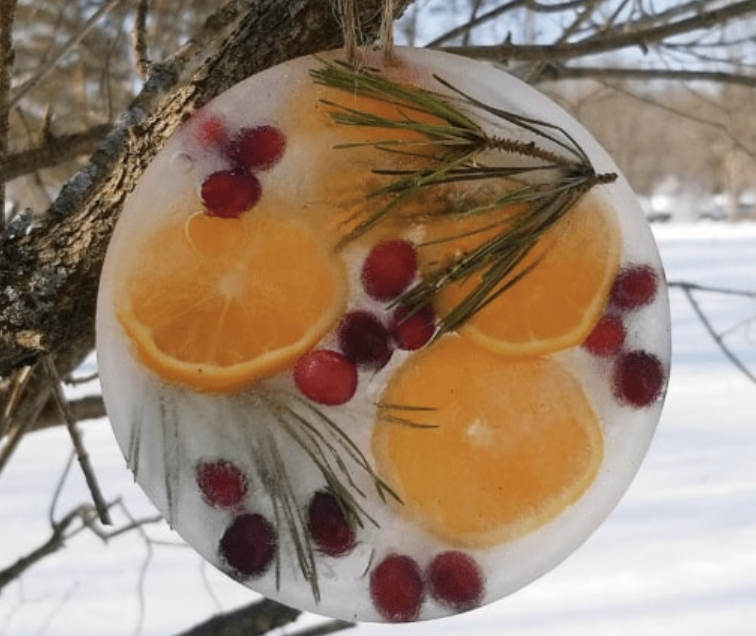 Another option is to select an aluminum pie pan or plastic take-away tray and fill it with water. Arrange cranberries, pine boughs and sliced oranges then freeze. If you wish to make a hole in the ice to hang your creation, heat the tip of a skewer and carefully push it through the ice before suspending outside.
 Finally, try filling a bucket or large container with water. Carefully tape a mason jar down to displace the water (or alternatively try using a bundt pan) and freeze. Once solid, remove the containers and add a candle or small light and enjoy! More detailed instructions can be found here.