Yearly Archives: 2021

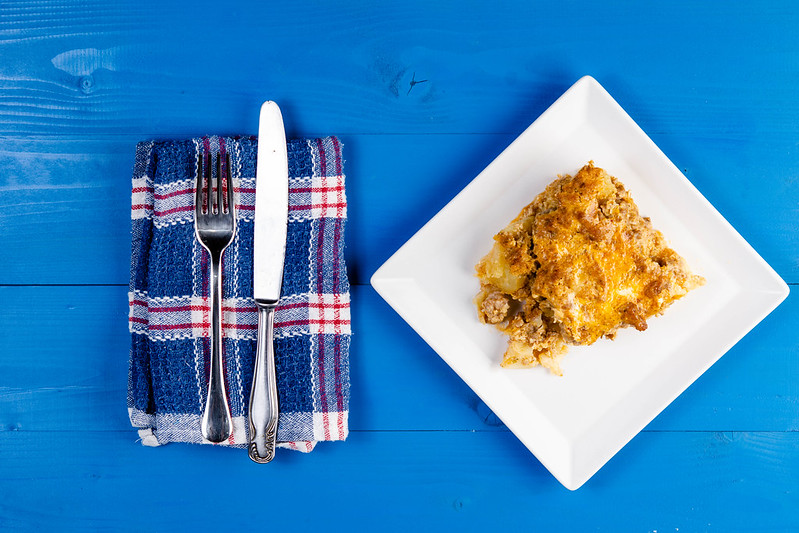
Around the World in 80 Days Kielbasa Penne Dish – Poland

Kielbasa Penne Dish – Poland

Ingredients:

2 pounds of Polska kielbasa 

1 white onion

1 tbsp of white sugar

1 1/2 cups of sour cream

1 box of penne pasta

1 1/2 cups of shredded cheddar cheese

Little bit of oil of your liking (olive oil, canola oil)

Salt and pepper to taste


Recipe:

Preheat the oven to 400° Fahrenheit

Make penne pasta (remember to salt water slightly) in the big pot, strain, put back in a the same, big pot.

Prepare big pan with olive oil or canola oil

Cut up Polska kielbasa and cut again to make half moons, put in a pan with cut up onion and cook until goldenish brownish color.

Lower the temperature and add sugar to caramelize a bit, stir and add sour cream, stir again until well blended.

Add salt and pepper as preferred.

Put everything in the big pot with pasta and stir well.

Add 1 cup of shredded cheddar cheese and stir well.

Put everything in oven dish, add the rest of shredded cheese on top.

Put in the oven for around 10 minutes for the cheddar to melt.

Done!

Around the World in 80 Days – Bolivia

BOLIVIA

Western Central South America 
Capital: Sucre
Languages: Spanish
Predominant Religion(s): Christianity
(Roman Catholic)

COMMON CHARACTERISTICS:


  • Bolivian people describe themselves as friendly and hard working.
  • Bolivia people have strong family ties.
  • Traditions and culture are very important values for young people.

FUN FACTS:

  • The amazing “Cristo de la Concordia” statue in Cochabamba city is the biggest in the world; it was built in memory of Papa Juan Pablo II.
  • The green lake located in Potosi city at the foot of Licancabur, one of the largest active volcanoes, is one of the most wonderful lakes in the world. The green color is due to high levels of magnesium in the water.
  • The slowest flowering plant in the world comes from Bolivia. The “Puya Raimundi” is a very strange and unusual plant. Discovered in 1870, the flower only appears when the plant is 80 to 150 years old. Check out this video to see the Puya Raimundi plants.

USEFUL PHRASES:

  • How are you?             Como estás?
  • Fine, thanks.               Bien, gracias.
  • My name is…             Mi nombre es…
  • Nice to meet you!        Mucho gusto!
  • Thank you.                  Gracias.

For more info on Bolivia, check out the APIA Culture Quest site.

Photo by: MollySVH {flickr} Cristo de la Concordia overlooking Luguna Alalay in Cochabamba

Swimming Safety Tips from the American Academy of Pediatrics

Swimming is a fantastic form of exercise and a major component of many spring break trips and summer break fun. But parents should remember that swimming also comes with risk. Follow these tips from the American Academy of Pediatrics to protecting children from drowning.

POOL SAFETY

  • Never leave children alone in or near the pool or spa, even for a moment; close supervision by a responsible adult is the best way to prevent drowning in children. Designate a “water watcher” who is not distracted or under the influence of drugs or alcohol to watch children in and near the water.
  • Whenever inexperienced swimmers are in or around water, an adult – preferably one who knows how to swim and perform CPR – should be within arm’s length, providing “touch supervision.”
  • Install a fence at least 4 feet high around all four sides of the pool. The fence should not have openings or protrusions that a young child could use to get over, under, or through.
  • The safest fence is one that surrounds all 4 sides of the pool and completely separates the pool from the house and yard. If the house serves as the fourth side of the fence, install an alarm on the exit door to the yard and the pool. For additional protection, install window guards on windows facing the pool. Drowning victims have also used pet doors to gain access to pools. Keep all of your barriers and alarms in good repair with fresh batteries.
  • Make sure pool gates open out from the pool, and self-close and self-latch at a height children can’t reach. Consider alarms on the gate to alert you when someone opens the gate. Consider surface wave or underwater alarms as an added layer of protection.
  • Keep rescue equipment (a shepherd’s hook ­– a long pole with a hook on the end — and life preserver) and a portable telephone near the pool. Choose a shepherd’s hook and other rescue equipment made of fiberglass or other materials that do not conduct electricity.
  • Avoid inflatable swimming aids such as “floaties.” They are not a substitute for approved life jackets and can give children and parents a false sense of security.
  • Children over age 1 may be at a lower risk of drowning if they have had some formal swimming instruction. However, there is no evidence that swimming lessons or water survival skills courses can prevent drowning in babies younger than 1 year of age.
  • Everyone should learn to swim – Participation in formal swim lessons can reduce the likelihood of childhood drowning death by 88%
  • The decision to enroll a child over age one in swimming lessons should be made by the parent based on the child’s developmental readiness and exposure to water, but swim programs should never be seen as “drown proofing” a child of any age.
  • Avoid entrapment: Suction from pool and spa drains can trap a swimmer underwater. Do not use a pool or spa if there are broken or missing drain covers.  Ask your pool operator if your pool or spa’s drains are compliant with the Pool and Spa Safety Act. If you have a swimming pool or spa, ask your pool service representative to update your drains and other suction fittings with anti-entrapment drain covers and other devices or systems. See PoolSafely.gov for more information on the Virginia Graeme Baker Pool and Spa Safety Act.
  • Large, inflatable, above-ground pools have become increasingly popular for backyard use. Children may fall in if they lean against the soft side of an inflatable pool. Although such pools are often exempt from local pool fencing requirements, it is essential that they be surrounded by an appropriate fence just as a permanent pool would be so that children cannot gain unsupervised access.
  • If a child is missing, look for him or her in the pool or spa first.
  • Share safety instructions with family, friends and neighbors.

BOATING SAFETY

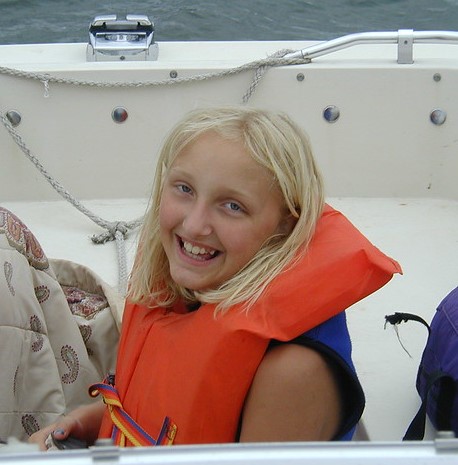
  • Children should wear Coast Guard approved life jackets at all times when on boats, docks or near bodies of water.
  • Make sure the life jacket is the right size for your child. The jacket should not be loose and should always be worn as instructed with all straps belted.
  • Blow-up water wings, toys, rafts and air mattresses should not be used as life jackets or personal flotation devices. Adults should wear life jackets for their own protection, and to set a good example.
  • Adolescents and adults should be warned of the dangers of boating even as a passenger when under the influence of alcohol, drugs, and even some prescription medications.
  • Children follow your example, whenever you are on a boat – everyone, kids and adults should wear a life jacket.

OPEN WATER SWIMMING

  • Never swim alone. Even good swimmers need buddies!
  • A lifeguard (or another adult who knows about water rescue) needs to be watching children whenever they are in or near the water. Younger children should be closely supervised while in or near the water – use “touch supervision,” keeping no more than an arm’s length away.
  • Designate a “water watcher” who is not distracted or under the influence of drugs or alcohol to watch children in and near the water.
  • Make sure your child knows never to dive into water except when permitted by an adult who knows the depth of the water and who has checked for underwater objects.
  • Never let your child swim in canals or any fast-moving water.
  • Ocean swimming should only be allowed when a lifeguard is on duty.
  • Teach children about rip currents. If you are caught in a rip current, swim parallel to shore until you escape the current, and then swim back to shore.
  • Be aware that pools and beaches in other countries may not have lifeguards, and pools may have unsafe drain systems. Supervise children closely.
  • At the beach, stay within the designated swimming area and ideally within the visibility of a lifeguard.
  • Be aware of rip currents. If you should get caught in one, don’t try to swim against it. Swim parallel to shore until clear of the current.
  • Seek shelter in case of storms. Get out of the water. Get off the beach in case of lightning.

Copyright © 2018 American Academy of Pediatrics.

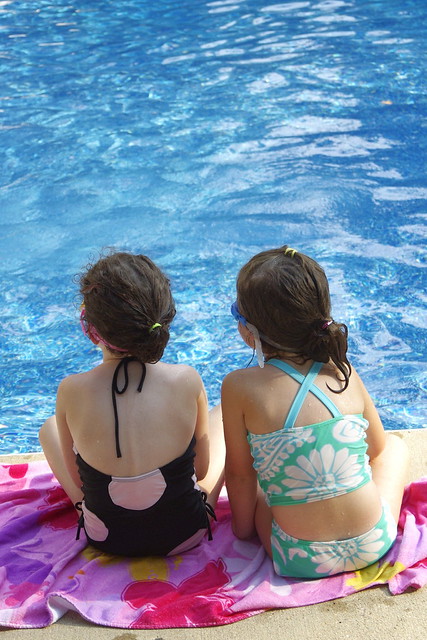
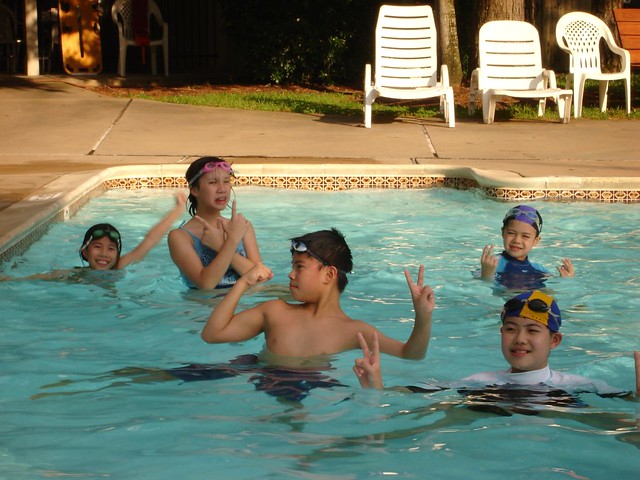
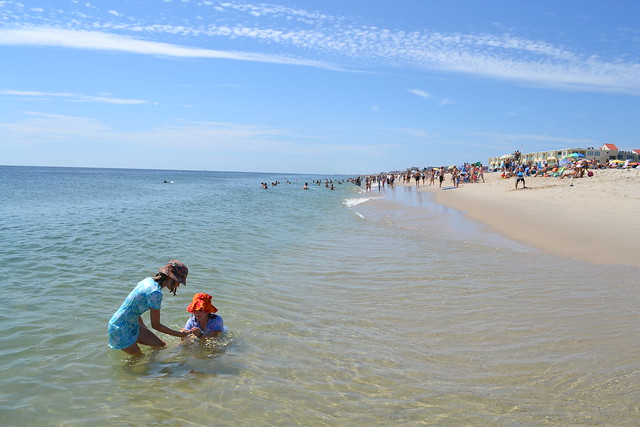
Photo: Gordon {flickr}, eLLen {flickr}, Bradley West {flickr}, R Muller {flickr}

Around the World in 80 Days – German Bread

Day five of our Around the World in 80 Days series bring us to Germany and their love for bread!

Did you know that Germany has more bakeries and Germany eat more varieties of bread than most other countries (probably even with France for number of bakeries though)?
Many au pairs struggle initially with American bread as it is quite different for them. For example, American breads are sweet in comparison. For more discussion on the variety of favorite breads in Germany, visit  German Foods
“According to the bread register of the German Institute for Bread (of course there is such a thing), there are now more than 3,200 officially recognized types of bread in the country. And German bread culture was officially added by UNESCO to its Intangible Cultural Heritage list in 2015.”
For the history of bread in Germany and its cultural relevance visit CNN Travel’s link for the full article.
Photo by Jim Rhodes {flickr}

Around the World in 80 Days – Austria

AUSTRIA

Western Europe
Capital: Vienna
Languages: German
Predominant Religion(s): Christianity

COMMON CHARACTERISTICS:

  • Austrians are open-minded, independent and polite.
  • They are motivated and hard-working.
  • Austrians are cheerful.

FUN FACTS:

  • “The Sound of Music” is a lot more popular around the world than in Austria!
  • Austria only has about 8 million inhabitants – that’s roughly the same population as Virginia!
  • German is the official language in Austria but there are a lot of different dialects in Austria’s different regions.

USEFUL PHRASES:

  • How are you?      Wie geht es dir?
  • Fine, thanks.       Gut, danke.
  • My name is…       Mein Name ist…
  • Nice to meet you.     Freut mich dich kennenzulernen.
  • Thank you.           Danke.

For more info on Austria, check out the APIA Culture Quest site!

Around the World in 80 Days – Melktert from South Africa

Melktert – South Africa

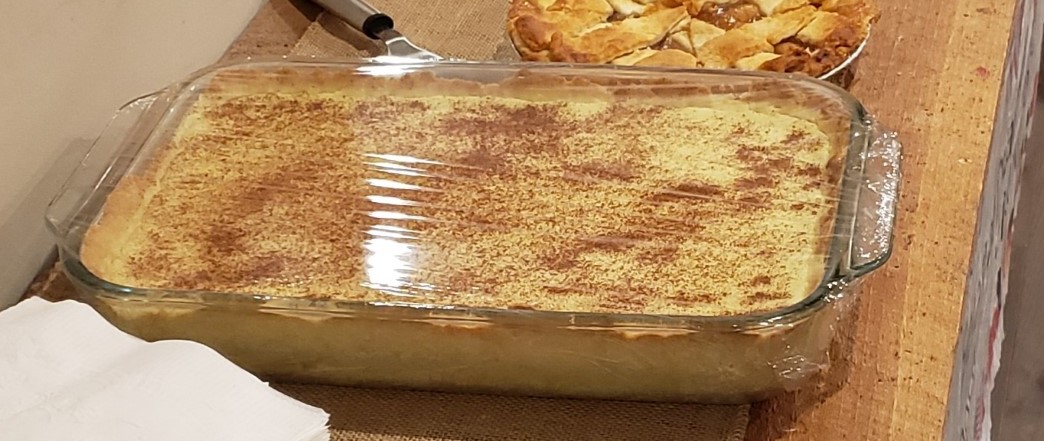
Melktert(or Milk Tart) is a Afrikaner dessert consisting of a sweet pastry crust containing a custard filling made from milk, flour, sugar and eggs. The ratio of milk to eggs is higher than in a traditional Portuguese custard tart or Chinese egg tart, resulting in a lighter texture and a stronger milk flavor.

Crust

1 Egg

1/2 cup sugar

2 cups flour

1/2 teaspoon salt

1/4 pound butter

1 teaspoon of baking powder

5 drops of vanilla

Beat egg and sugar until the sugar is not visible.

Sift flour, salt and baking powder in a separate bowl.

Add butter and lastly the vanilla.

Mix everything together

Press it into a tart pan

Bake at 350 degrees for 15 min.

Rest of dough can be frozen for later.


Filling

2 tablespoons butter and 2 cups milk

Boil it with a pinch of salt.

In separate bowl, mix

2 tablespoons Corn Starch

4 tablespoons of sugar

1 beaten egg

Add it to the milk mixture

Cook it (for a little while) until a little stiff and toss in the crust.

Recipe by Danielle, an au pair from South Africa


Around the World in 80 Days – Australia

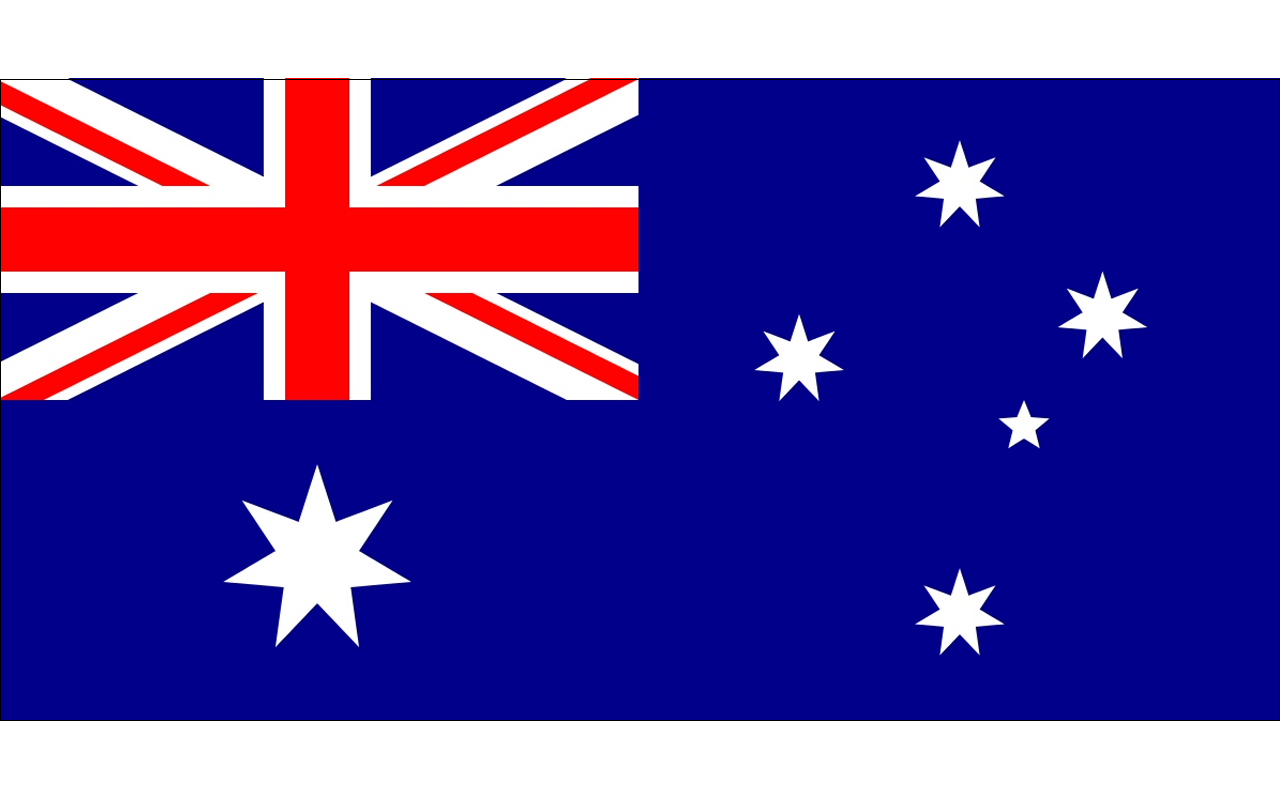
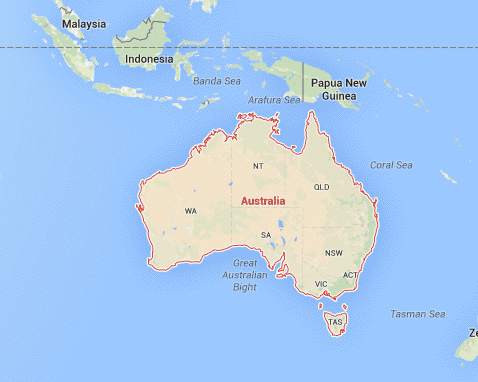
AUSTRALIA

Between the Indian Ocean and 
South Pacific Ocean
Capital: Canberra
Languages: English
Predominant Religion(s): Christianity

COMMON CHARACTERISTICS:

  • Australians are quite direct and will freely discuss a range of subjects.
  • Most Australians grow up believing that everyone should have equal rights and be treated the same. Australia was the second country in the world to allow women the vote.
  • About 26% of the population was born overseas and 40% have a parent born overseas, so there is a lot of diversity. Many Australians feel that Australia has a culture and identity based on friendship, honesty, sports, and multiculturalism.

FUN FACTS:

  • The largest Greek population in the world other than in Athens is in Melbourne, Australia.
  • Australia was settled by convicts (criminals) sent over from the UK. The first police force was made up of the 12 most well-behaved convicts.
  • The black box, wine cask, bionic ear, ultrasound and pacemakers were all invented in Australia.
 

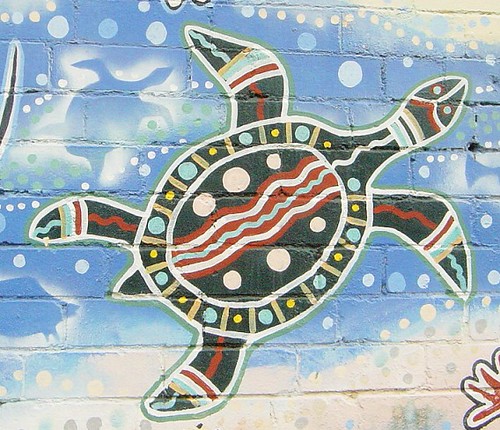
One style of Australian aboriginal art has an x-ray appearance to it. Learn more about this style and try making some x-ray art of your own.

Captain James Cook claimed Australia as part of the British Empire while he was looking for a southern continent. Learn more about James Cook and others who explored Australia.

In 1935, the chef of the Hotel Esplanade in Perth, Western Australia, Herbert Sachse,  created the pavlova to celebrate the visit of the great Russian ballerina, Anna Pavlova. Whilst it has been suggested this dessert was created in New Zealand, it has become recognized as a popular Australian dish. Pavlova Recipe

As Australia is an English-speaking country, the children there sing many of the same songs that we sing in the United States, but sometimes they sing a different version. Visit this site to compare the Australian version of familiar songs with the one you know.

Click on the link to learn more about Australia!

Photos by: Angela Thomas {flickr}, Martin Hipp {flickr}

Around the World in 80 Days: Kartoffelsalat German Potato Salad Recipe

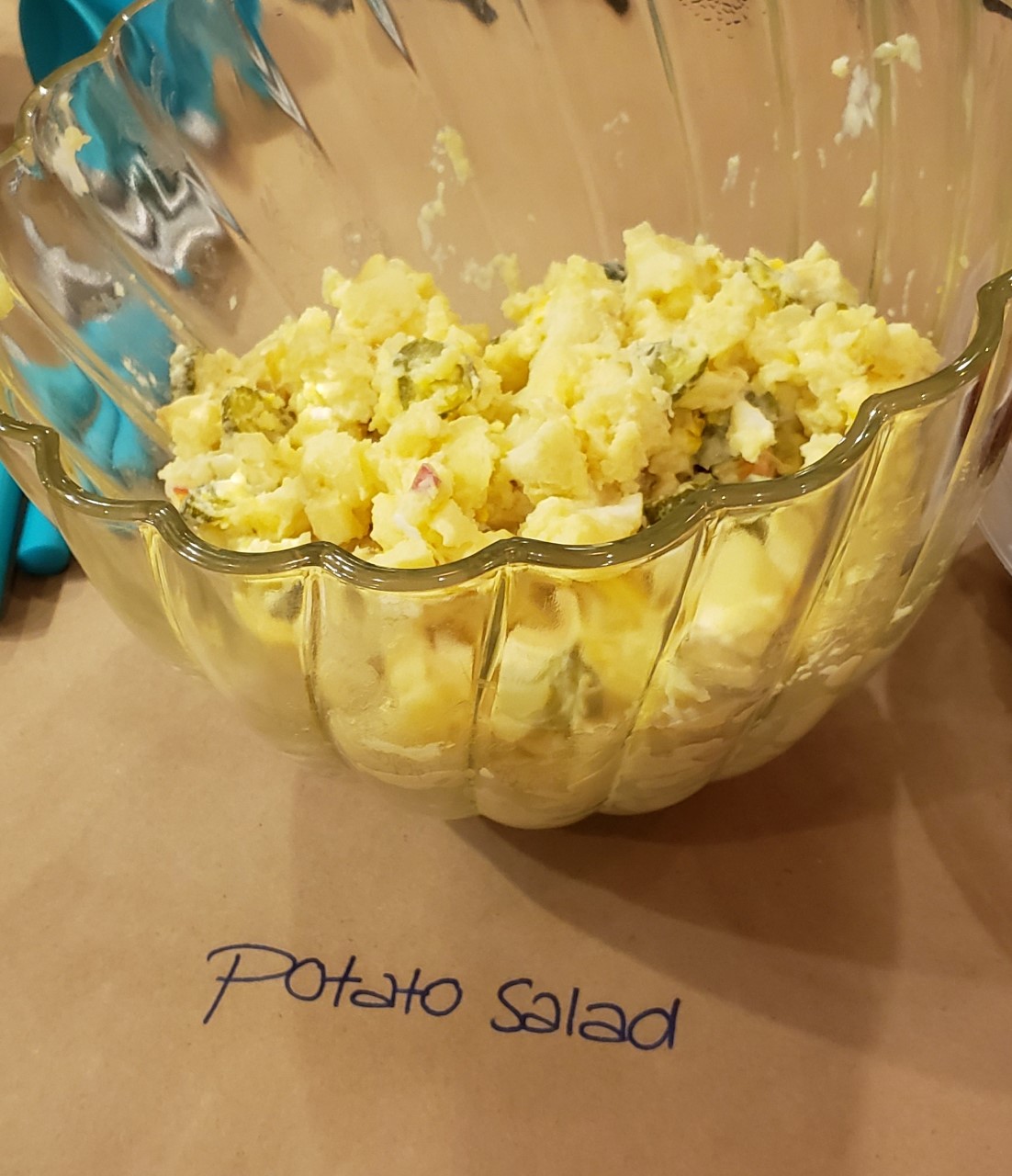
Day Two of our Around the World in 80 Days series bring us to Germany to learn a recipe for German Potato Salad. There are several different versions of German Potato Salad, just like there are in America. This recipe calls for apples!

Potato Salad (‘Kartoffelsalat’)  

  • 800g (28 oz.) cooked potatos
  • 2 onions
  • 100g (3.5 oz.) pickled cucumbers
  • 3 hard boiled eggs
  • 6 tbsp. mayonnaise
  • 3 tbsp. liquid of the pickled cucumbers
  • 1 tbsp. mustard
  • Salt, Pepper
  • Optional: 1 apple

Wash potatoes, peel and cook them for about 20-25 minutes until they are fully cooked. Drain them, let them cool and cut them into slices or cubes (whatever you prefer).

Then, peel the onions and also cut them into cubes. Cut the pickled cucumbers, the hard boiled eggs (and the apple) in slices.

Mix the mayonnaise, the liquid of the pickled cucumbers and the mustard and mix it carefully with all the other ingredients. Salt and pepper and wait for at least 30 minutes until you serve it.

Recipe provided by German au pairs in Southern Maryland

Around the World in 80 Days – A Cultural Exploration!

Around the World in 80 Days!!

Summer break has officially arrived in Southern Maryland. Over the next 80 days (ending on Labor Day), we’ll discuss different cultural things each day! From general country info to cultural norms to recipes and more!!

Let’s focus on global awareness and share some cultural experiences! Most importantly, share your culture with your host family. Incorporate games, books, songs, language, foods, etc into your host family’s lives. Cooking a dish from your home country is a great way to share. Discuss similar traditions and ones unique to your family or culture.

First up, let’s learn about Argentina!

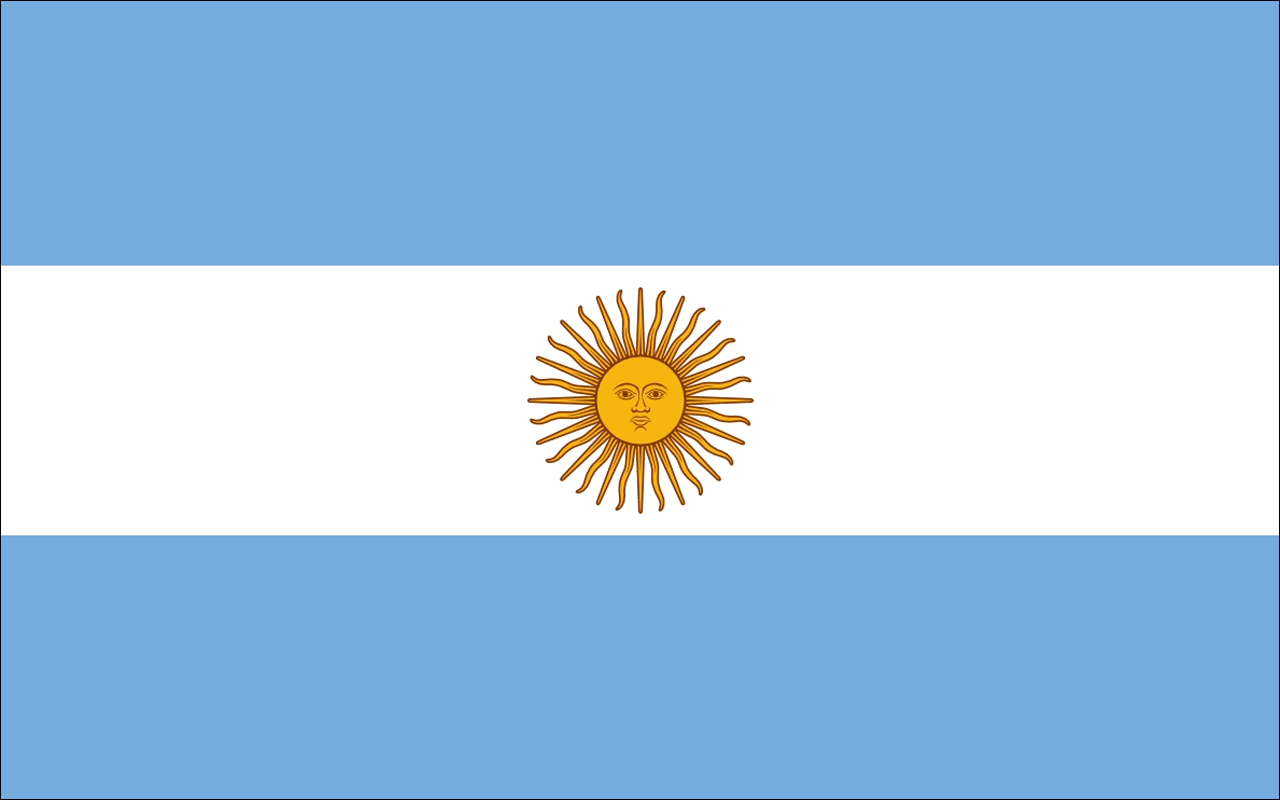
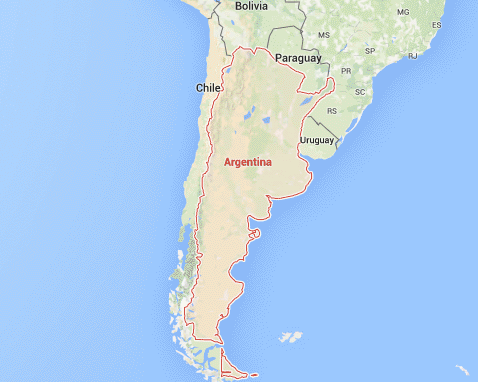
ARGENTINA

South America
Capital: Buenos Aires
Languages: Spanish
Predominant Religion(s): Christianity
(Roman Catholic)

COMMON CHARACTERISTICS:

  • Independent, mature, responsible, trustworthy.
  • Open to share their ideas or thoughts.
  • Open minded, flexible, ready to have a good experience abroad.

FUN FACTS:

  • Young people in Argentina love technology – they can’t understand how their grandparents survived without cell phones!
  • Argentine beef is famous around the world, so naturally Argentineans love barbeques!
  • The Argentine city of Ushuaia is the southernmost city in the world!

USEFUL PHRASES:

  • How are you?      Como estas?
  • Fine, thanks.       Bien, gracias.
  • My name is…       Mi nombre es…
  • Nice to meet you.     Encantada de conocerte.
  • Thank you.           Gracias.

There are twenty languages spoken in Argentina, most of them by small groups of indigenous people. The primary language in the country is Spanish.

Try some Spanish language activities. This site includes an on-line English-Spanish picture dictionary and an on-line Spanish-English dictionary, as well as information, quizzes and pictures to color.

This website is available in both English and Spanish. There are activities to download, stories to listen to, and much more!

Do you know any words in English that came from Spanish words? You can find the answer to this question and many other facts about our world at Infoplease.

Recipe:

Argentine Mashed Potato Pie

Ingredients –

  • 6-8 potatoes
  • 1 cup milk
  • 1/4 cup butter
  • 1 onion
  • 1 red pepper
  • 2 tbsp oil
  • 1 pound lean ground beef
  • 2-3 eggs
  • 1/2 cup green pitted olives
  • shredded cheese
  • 1 can tomato sauce
  • paprika, salt and pepper

Instructions

  1. Peel and boil the potatoes until done.
  2. Boil eggs for 15 min.
  3. Halve, peel and chop onion and pepper.
  4. Sauté onion and pepper until tender.Add beef to onion and brown well.
  5. Add paprika, salt and pepper.
  6. Add tomato sauce to beef, stir, and remove from heat.
  7. Add eggs, olives to beef mixture.
  8. Mash potatoes, add butter, milk and salt.
  9. Use half mashed potatoes to line a lasagna pan or other large baking pan.
  10. Pour in beef mixture.
  11. Top with remaining mashed potatoes.
  12. Sprinkle with shredded cheese on top.
  13. Bake at 350°F for 30-40 minutes.

Submitted by Betiana Turteltaub, au pair in Villanova, Pennsylvania, 2004-2005

Photo: Jesus Dehesa {flickr}

Camp Au Pair – Kids in the Kitchen

Camp Au Pair is in the kitchen next week! As always, have a discussion with your host family about allergens and any food preferences they may have before beginning. This is a great resource for you to work with collaboratively with your host parents!

Feeling creative? Check out the Au Pair in America Pinterest board for some great ideas to get you started!

Field Trips:

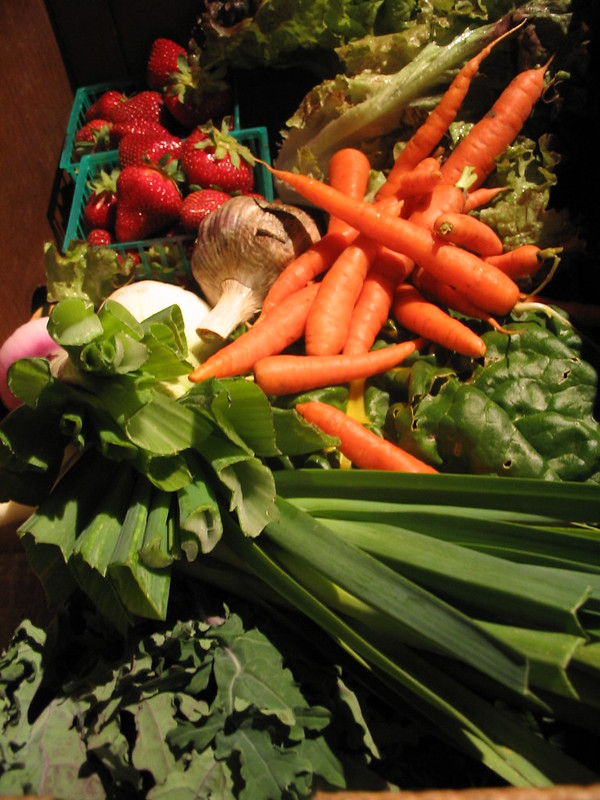
Visit a local farm, farmer’s market or artisan shop. Some allow you to order online and pick up on site. Check with your host parents first and always practice social distancing as directed by local, state and federal guidelines.

Virtual Field Trip Options:

  • Take a virtual trip to the White House kitchen! Start at the 30 minute mark.
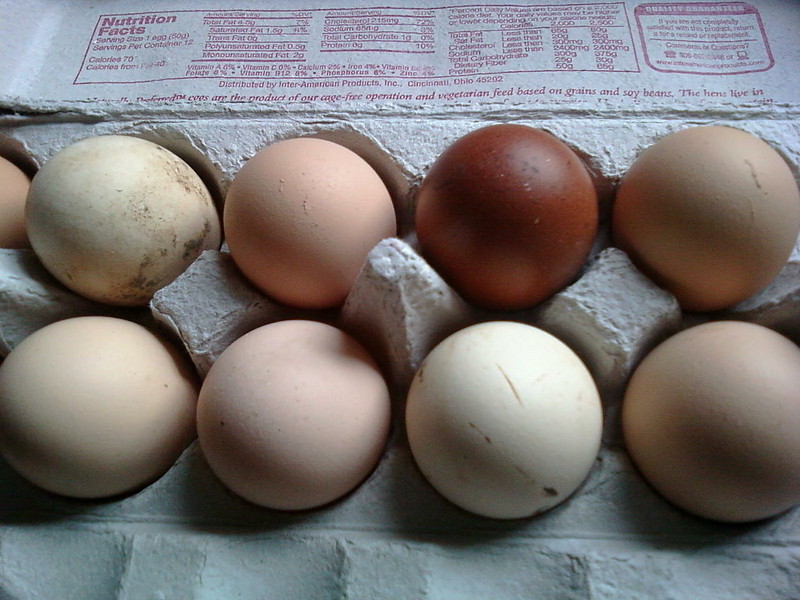
  • The American Egg Board has partnered with Discovery Education to bring modern egg farms into today’s classrooms through Virtual Egg Farm Field Trips. Join America’s egg farmers in exploring their farms! See where your eggs come from, then make an egg dish!

Videos:

Resources:

Let’s Create & Learn

Books:

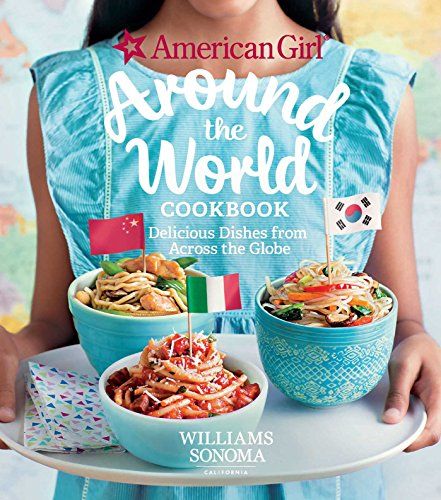
  • Around the World Cookbook for Kids. Featuring more than 50 recipes for kid-friendly dishes from different countries, American Girl Around the World Cookbook will inspire young chefs to taste and learn about new cuisines while perfecting kitchen skills.
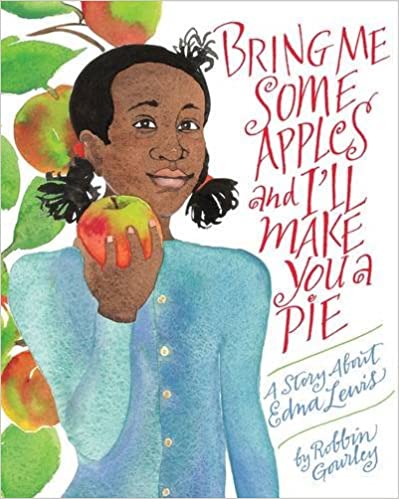
  • Bring Me Some Apples and I’ll Make you a Pie, by Edna Lewis. Edna Lewis was a prominent Black chef who championed the South’s regional cuisine, fresh ingredients, and farm-to-table before it was cool. Illustrations along with stories and songs about Edna and food guide kids through this book. Plus, there are five special recipes sprinkled throughout.
  • The Complete Baking Book for Young Chefs.Want to make your own soft pretzels? Or wow your friends with homemade empanadas? What about creating a showstopping pie? Maybe some chewy brownies after school? From breakfast to breads, from cookies to cakes (yes, even cupcakes!), learn to bake it all here. You can do this, and it’s fun!

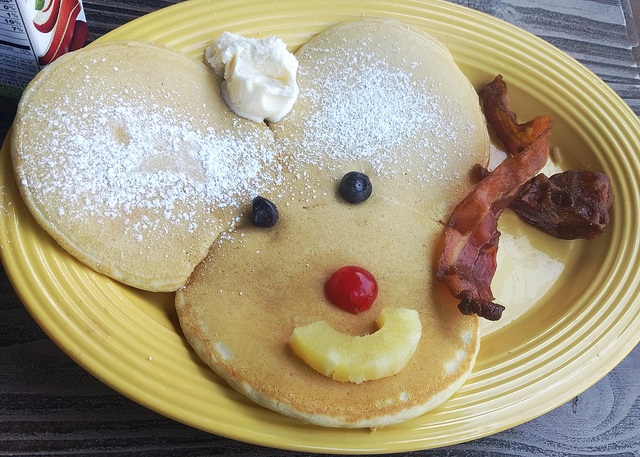
Who says you can’t play with your food! Have fun in the kitchen with your host kids!

Photo credits: Ruth Hartnup {flickr}, USDA {flickr}, soapydishwater {flickr}