

Category Archives: Uncategorized

Around the World in 80 Days – Finland

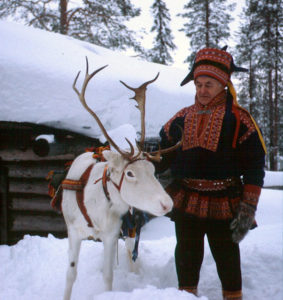
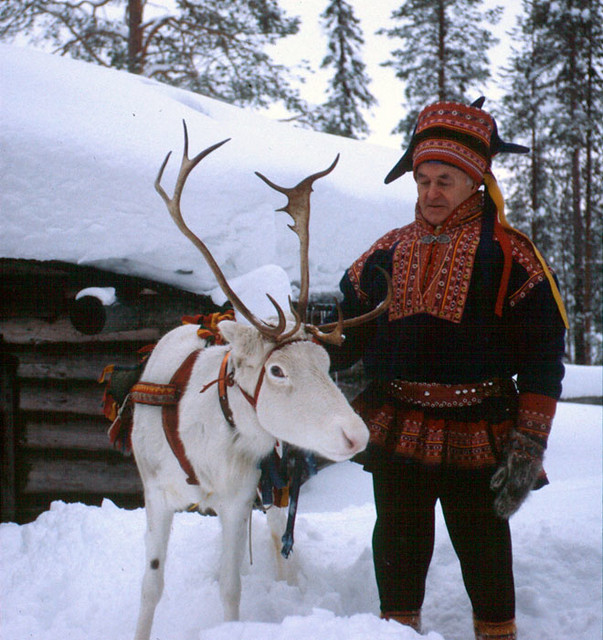
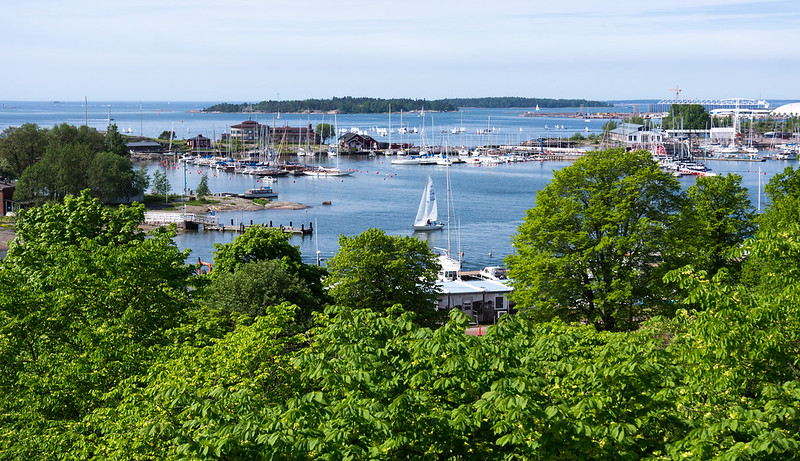
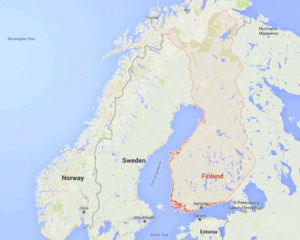
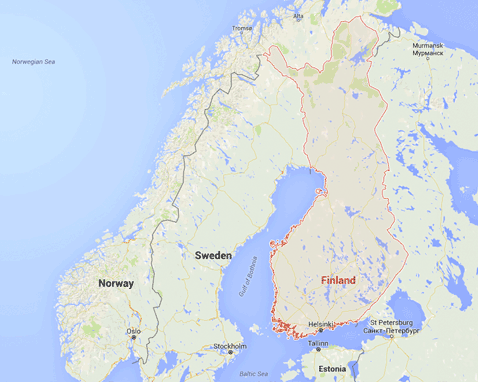
FINLAND

Northern Europe
Capital: Helsinki
Language(s): Finnish, Swedish, Sami (regional)
Predominant Religion(s): Christianity (predominantly Lutheran)

Family

  • A typical Finnish family is a nuclear family where both parents are equal.
  • It is common for both parents to work and be away from home during the day – municipal day care centers allow mothers to work full time.
  • Young people in Finland have a lot of freedom from their family to socialize and date.
Education

  • In Finland children start school at age 7 and follow 9 years of basic education. At 16 they may choose to continue their secondary education in either an academic track or a vocational track. The academic year starts in September and ends in May.
  • Education in Finland is free with no tuition fees and with fully subsidized meals served to full-time students until secondary school.
  • Tertiary education is divided into university and polytechnic. Universities and polytechnics have entrance exams and not all applicants are accepted.

COMMON CHARACTERISTICS:
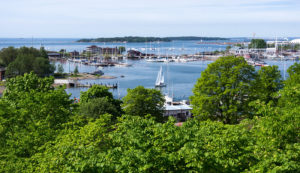
  • Finns describe themselves as honest, hardworking, reliable and independent but also shy and quiet when first meeting people.
  • Finns love sports. Many Finnish children play football, ice-hockey or floorball after school.
  • Nature is really important to Finnish people. Nature is the place where Finns go to spend time with their friends and families and just to enjoy the views and the silence.

FUN FACTS:

  • It is a normal to have a sauna in your house, even in apartments. There are about 2.2 million saunas in Finland, 1 for every 2.5 people.
  • Finland is a country with thousands of lakes (about 188,000 lakes).
  • In the summer there are days when the sun never sets and Finland is known as “the land of the midnight sun.”

USEFUL PHRASES:

  • How are you?       Mitä kuuluu?
  • Fine, thanks.       Hyvää, kiitos.
  • My name is…    Minun nimeni on…
  • Nice to meet you.       Mukava tavata.
  • Thank you.       Kiitos.

Photos by: Michael Ranzau {flickr}, Dave Grubb {flickr}, Greenland Travel {flickr}
Around the World in 80 Days – Aboriginal Art

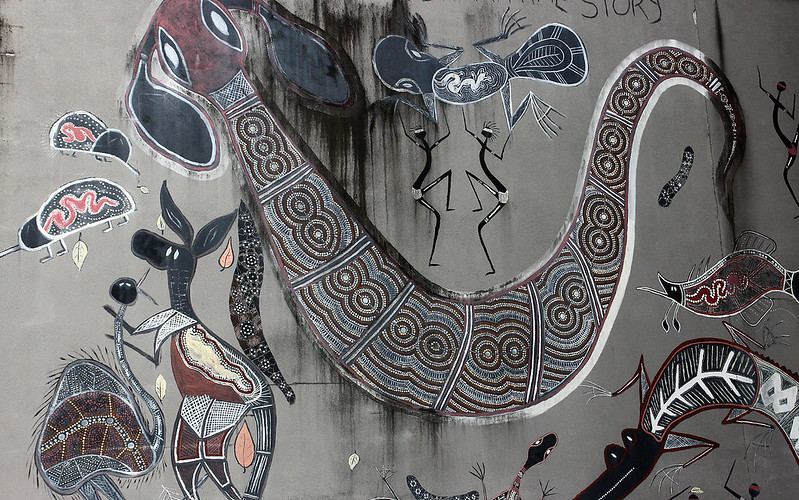
X-Ray Style Australian Aboriginal Art

The X-Ray style of Australian Aboriginal art is a distinctive style that was developed thousands of years ago in Australia. Cave paintings of this type have been found in Arnhem Rock, in northern Australia (east of Darwin). These paintings seem to depict the outline of the animal plus diagrams of the bones and some internal organs. You can view all of the instructions, and see samples, here.

Photo by: Scott1346 {flickr}

Around the World in 80 Days – Chile

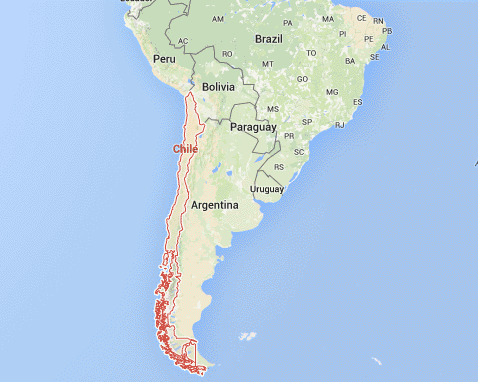
CHILE

South America
Capital: Santiago de Chile
Language(s): Spanish
Religion(s): Christianity
(predominantly Roman Catholic)

COMMON CHARACTERISTICS:

  • Chileans are extremely hospitable, relaxed and warm. They are always interested in learning from others and very proud of their country and its natural beauties.
  • Chileans have strong family ties. All over the nation there is a feeling of spontaneous solidarity to help those in need or affected by any natural disaster.
  • Personal care, honesty, and affection are also very important.

FUN FACTS:

  • Chile is the longest country in the world from north to south at 2,647 miles (4,620 km) long, and it extends across 38 degrees of latitude. The Andes Mountain Range extends the entire length of the country north to south.
  • Chilean Patagonia is one of the cleanest places on the planet
  • Chile has the world’s largest reserves of copper – around one quarter of the global supply, and is the number one exporter of copper in the world. Chile also has the second largest reserve of lithium and has substantial reserves of iron, silver, salt, zinc, manganese, molybdenum, gold, coal, and iodine.

USEFUL PHRASES:

  • How are you?        ¿Cómo está?
  • Fine, thanks.        Bien, gracias.
  • My name is…        Mi nombre es…
  • Nice to meet you!        Encantado de conocerlo/a
  • Thank you.       Gracias

Photo by: Melenama {flickr}

Swimming Safety Tips from the American Academy of Pediatrics

Swimming is a fantastic form of exercise and a major component of many spring break trips and summer break fun. But parents should remember that swimming also comes with risk. Follow these tips from the American Academy of Pediatrics to protecting children from drowning.

POOL SAFETY

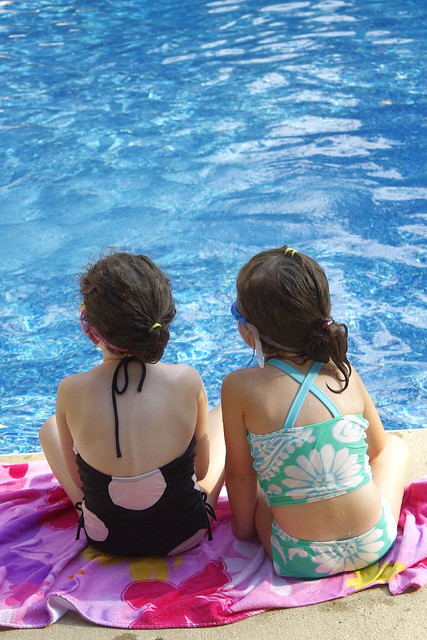
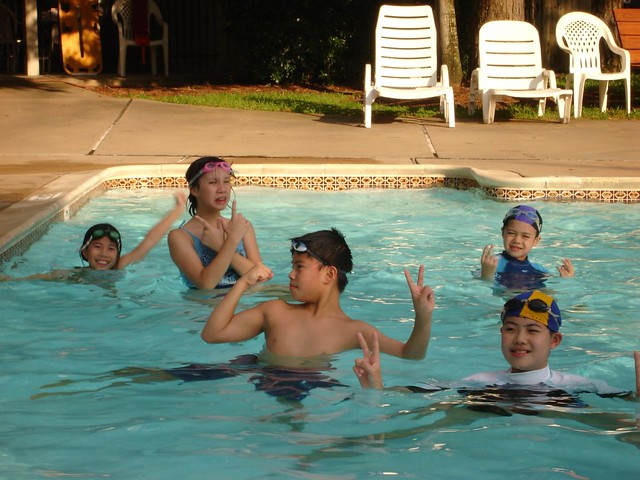
  • Never leave children alone in or near the pool or spa, even for a moment; close supervision by a responsible adult is the best way to prevent drowning in children. Designate a “water watcher” who is not distracted or under the influence of drugs or alcohol to watch children in and near the water.
  • Whenever inexperienced swimmers are in or around water, an adult – preferably one who knows how to swim and perform CPR – should be within arm’s length, providing “touch supervision.”
  • Install a fence at least 4 feet high around all four sides of the pool. The fence should not have openings or protrusions that a young child could use to get over, under, or through.
  • The safest fence is one that surrounds all 4 sides of the pool and completely separates the pool from the house and yard. If the house serves as the fourth side of the fence, install an alarm on the exit door to the yard and the pool. For additional protection, install window guards on windows facing the pool. Drowning victims have also used pet doors to gain access to pools. Keep all of your barriers and alarms in good repair with fresh batteries.
  • Make sure pool gates open out from the pool, and self-close and self-latch at a height children can’t reach. Consider alarms on the gate to alert you when someone opens the gate. Consider surface wave or underwater alarms as an added layer of protection.
  • Keep rescue equipment (a shepherd’s hook ­– a long pole with a hook on the end — and life preserver) and a portable telephone near the pool. Choose a shepherd’s hook and other rescue equipment made of fiberglass or other materials that do not conduct electricity.
  • Avoid inflatable swimming aids such as “floaties.” They are not a substitute for approved life jackets and can give children and parents a false sense of security.
  • Children over age 1 may be at a lower risk of drowning if they have had some formal swimming instruction. However, there is no evidence that swimming lessons or water survival skills courses can prevent drowning in babies younger than 1 year of age.
  • Everyone should learn to swim – Participation in formal swim lessons can reduce the likelihood of childhood drowning death by 88%
  • The decision to enroll a child over age one in swimming lessons should be made by the parent based on the child’s developmental readiness and exposure to water, but swim programs should never be seen as “drown proofing” a child of any age.
  • Avoid entrapment: Suction from pool and spa drains can trap a swimmer underwater. Do not use a pool or spa if there are broken or missing drain covers.  Ask your pool operator if your pool or spa’s drains are compliant with the Pool and Spa Safety Act. If you have a swimming pool or spa, ask your pool service representative to update your drains and other suction fittings with anti-entrapment drain covers and other devices or systems. See PoolSafely.gov for more information on the Virginia Graeme Baker Pool and Spa Safety Act.
  • Large, inflatable, above-ground pools have become increasingly popular for backyard use. Children may fall in if they lean against the soft side of an inflatable pool. Although such pools are often exempt from local pool fencing requirements, it is essential that they be surrounded by an appropriate fence just as a permanent pool would be so that children cannot gain unsupervised access.
  • If a child is missing, look for him or her in the pool or spa first.
  • Share safety instructions with family, friends and neighbors.

BOATING SAFETY

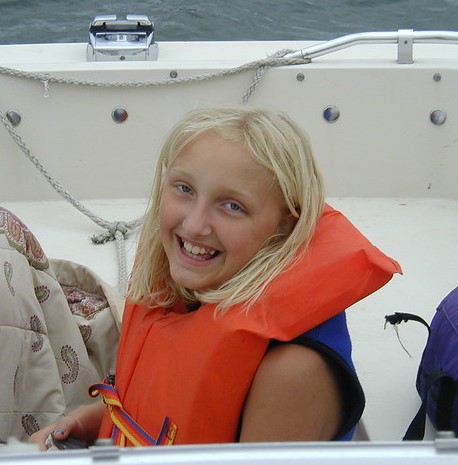
  • Children should wear Coast Guard approved life jackets at all times when on boats, docks or near bodies of water.
  • Make sure the life jacket is the right size for your child. The jacket should not be loose and should always be worn as instructed with all straps belted.
  • Blow-up water wings, toys, rafts and air mattresses should not be used as life jackets or personal flotation devices. Adults should wear life jackets for their own protection, and to set a good example.
  • Adolescents and adults should be warned of the dangers of boating even as a passenger when under the influence of alcohol, drugs, and even some prescription medications.
  • Children follow your example, whenever you are on a boat – everyone, kids and adults should wear a life jacket.

OPEN WATER SWIMMING

  • Never swim alone. Even good swimmers need buddies!
  • A lifeguard (or another adult who knows about water rescue) needs to be watching children whenever they are in or near the water. Younger children should be closely supervised while in or near the water – use “touch supervision,” keeping no more than an arm’s length away.
  • Designate a “water watcher” who is not distracted or under the influence of drugs or alcohol to watch children in and near the water.
  • Make sure your child knows never to dive into water except when permitted by an adult who knows the depth of the water and who has checked for underwater objects.
  • Never let your child swim in canals or any fast-moving water.
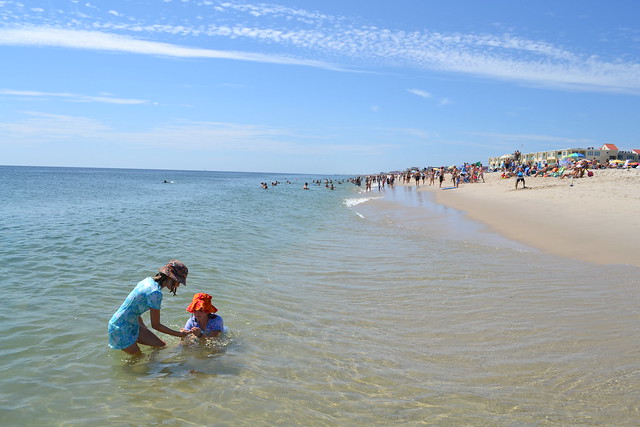
  • Ocean swimming should only be allowed when a lifeguard is on duty.
  • Teach children about rip currents. If you are caught in a rip current, swim parallel to shore until you escape the current, and then swim back to shore.
  • Be aware that pools and beaches in other countries may not have lifeguards, and pools may have unsafe drain systems. Supervise children closely.
  • At the beach, stay within the designated swimming area and ideally within the visibility of a lifeguard.
  • Be aware of rip currents. If you should get caught in one, don’t try to swim against it. Swim parallel to shore until clear of the current.
  • Seek shelter in case of storms. Get out of the water. Get off the beach in case of lightning.

Copyright © 2018 American Academy of Pediatrics.

Photo: Gordon {flickr}, eLLen {flickr}, Bradley West {flickr}, R Muller {flickr}

Where to Get a Flu Shot

Many au pairs and host families are looking for places to get flu shots this time of year. Au Pair  insurance does not cover immunizations, but there are lots of places to get flu shots for $35 or less.  If the host family is insisting that an au pair get a seasonal flu shot and she agrees to get it, the host family would be responsible for the expense.

If you are planning to get the seasonal flu vaccine, it is recommended that you get it as early as possible.

The Centers for Disease Control and Prevention (CDC) has extensive info available online Key Factors About Seasonal Flu Vaccine.


Calvert County Health Department – Free, by appointment beginning in October. Free clinics, including two drive thru options as advertised online – Flu Shot Clinics. Advanced registration is encouraged.

Charles County –  Adult immunization services are offered by appointment. Cost varies. Call 301-609-6900.

St. Mary’s County Health Department – Currently no announced free clinics. Visit their website for the most up to date info.


Flu shots are also available for a fee at pharmacies such as Target, CVS, Rite Aid, Walgreens, Safeway, Costco, etc. Click the individual store for a link to each website.Several offer the option to schedule an appointment and download and print forms to complete ahead of time.

REMEMBER:

Your health insurance DOES NOT cover preventative care. If you choose a place like Target that advertises “free” or even a $5 coupon, they will bill your insurance and it will be denied, leaving you with the financial responsibility.

ALWAYS discuss the out of pocket cost. Tell them you DO NOT have medical insurance coverage for preventative care. The cost will vary between $20-50 typically.

Photo: Jen Vargas

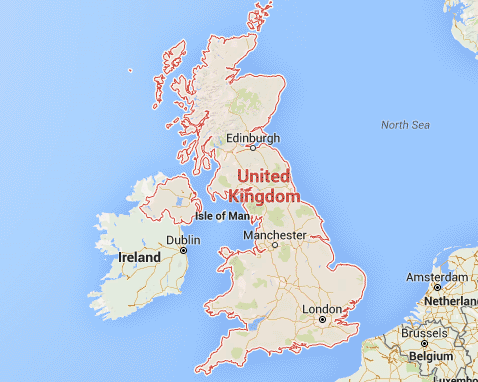
Around the World in 80 Days – United Kingdom

UNITED KINGDOM

Western Europe
Capitals: England – London; Scotland – Edinburgh; Wales – Cardiff; Northern Ireland – Belfast
Languages: English
Predominant Religion(s): Christianity (Church of England, Roman Catholic) – most other religions are represented

COMMON CHARACTERISTICS:

  • British people often describe themselves as reserved, but in fact they are quite funny and have a witty sense of humor!
  • The UK  is a very multi-cultural society and subsequently Brits are open minded to all beliefs and traditions.
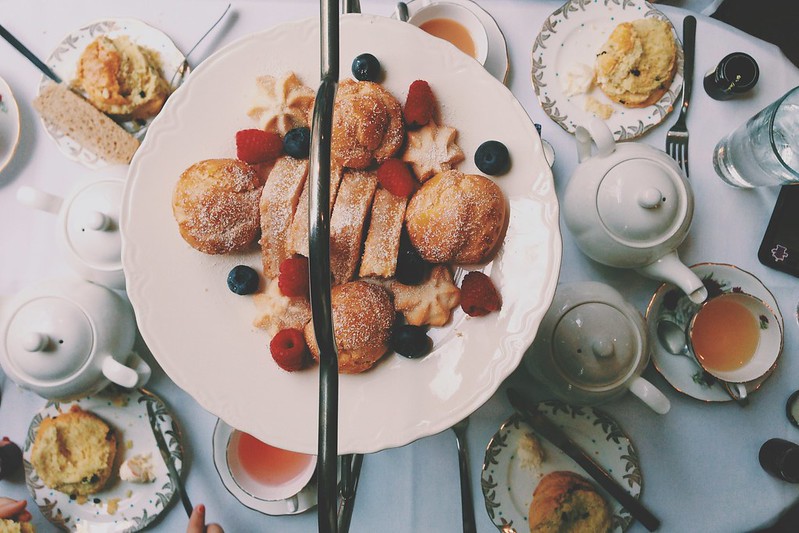
  • It’s true that people from the UK love talking about the weather, preferably whilst drinking tea!

FUN FACTS:

  • In the UK, if you reach your 100th birthday, you get a personalized card from Her Majesty  the Queen!
  • The estimated population of the UK is over 64 million; 84% of this population live in England.
  • The UK is slightly smaller than the U.S. State of Oregon.  It is just under half the size of France and 30 times smaller than Australia.

Photo by: Sophia Baik {flickr}


Camp Au Pair – Global Awareness

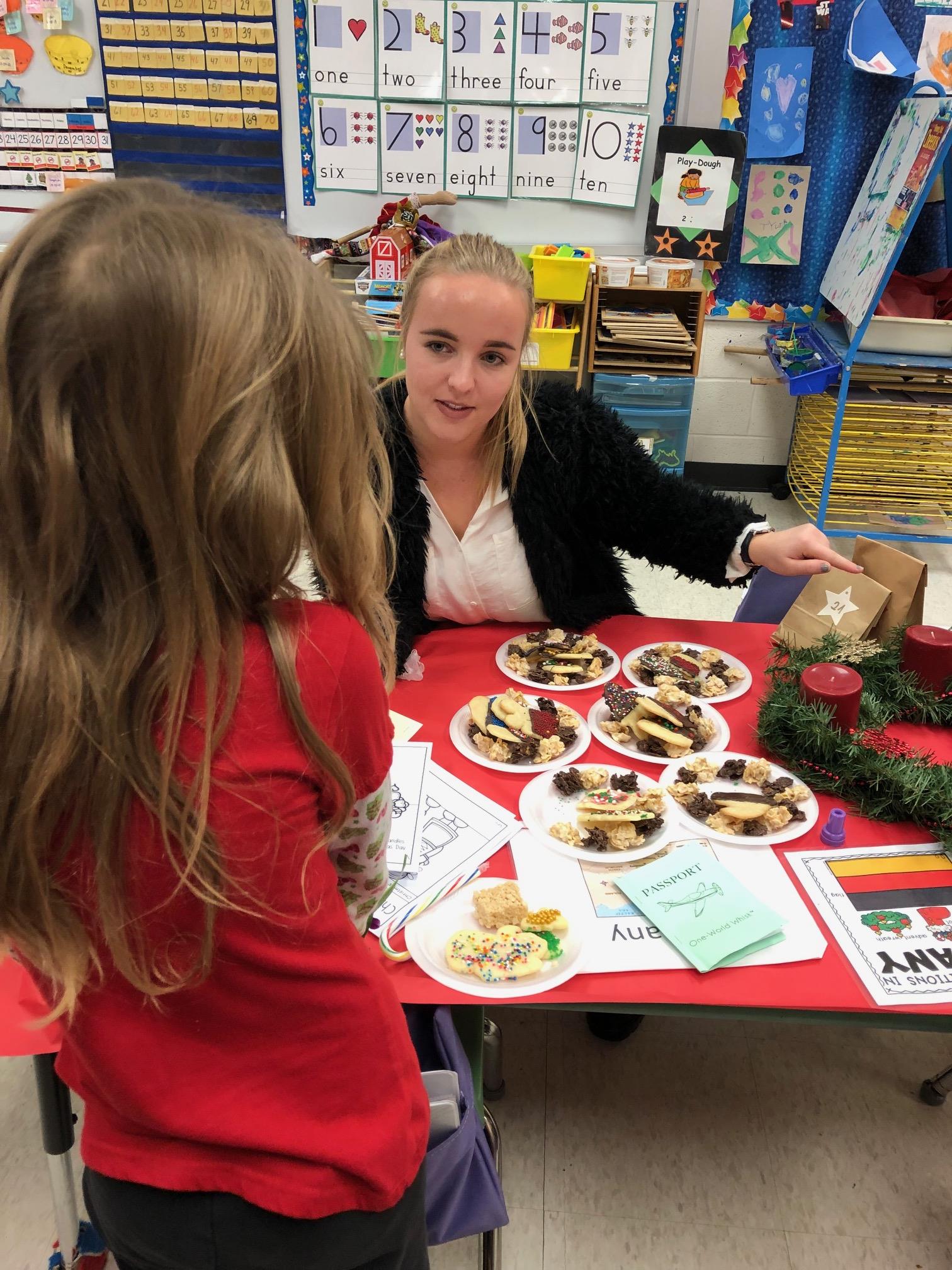
Wrapping up Camp Au Pair for Summer 2020, let’s focus on global awareness and share some cultural experiences! Most importantly, share you culture with your host family. Incorporate games, books, songs, language, foods, etc. into your host family’s lives. Cooking a dish from your family is a great way to share. Discuss similar traditions and ones unique to your family or culture.

Resources:

  • Use the APIA Global Awareness website for an amazing collection of resources!
  • Learn about various countries by visiting the APIA Culture Corner!
  • Listen to a story in English or Spanish (preschool and lower elementary level)
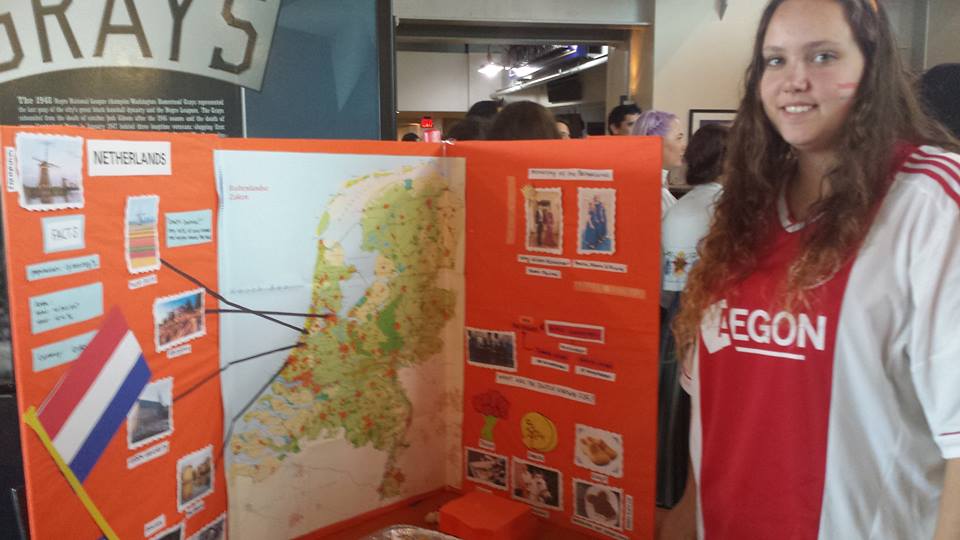
  • Learn about opportunities to get involved! While COVID has changed the footprint of schools and the opportunity to do presentations, lets think outside the box about how to still give informative glimpses of our various cultures! How about creating a display that we can capture clear pictures of? Making a short video? Possibilities abound!

Let’s Create & Learn:  

Check out:


Books:

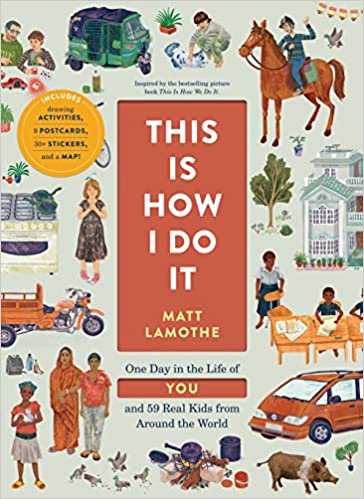
  • This Is How I Do It: One Day in the Life… This fun and engaging workbook will get kids writing, drawing, and sharing while also learning about cultures and countries other than their own.
    • Includes drawing activities, postcards, sticker sheets, and a fold-out map
    • A die-cut cover for kids to draw their portrait and write their name on makes this activity book a keepsake to treasure
    • Encourages self-reflection while also teaching kids about different traditions and customs.
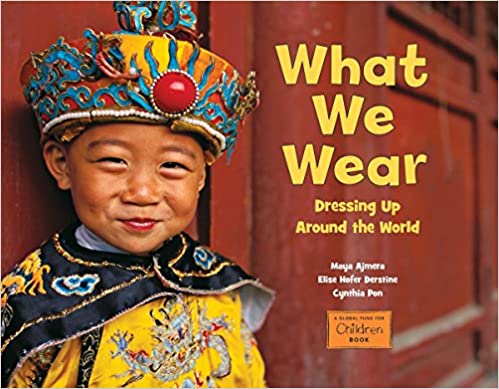
  • What We Wear.  A celebration of clothing in bright, beautiful photographs of exuberant and diverse children from around the world, WHAT WE WEAR: DRESSING UP AROUND THE WORLD inspires young readers to explore the way clothing makes them feel and how it tells the world who they are. What we wear can identify who we are: what team we play for or what team we root for, where we go to school, how we worship, or how we represent our heritage. What we wear expresses our individuality, and clothes can make us happy, confident, and proud.
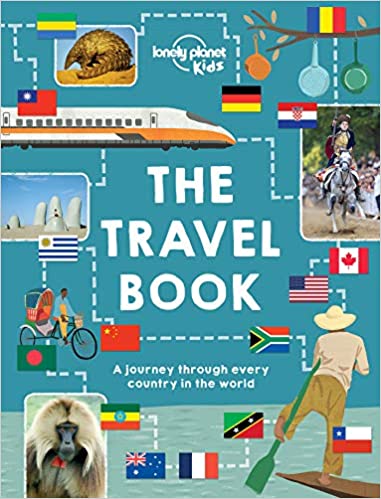
  • The Travel Book: A Journey Through Every Country in the World. Take a world tour through  200 countries with this brand new edition of the bestselling kids’ version of Lonely Planet’s popular The Travel Book, loaded with thousands of amazing facts on wildlife, how people live, sports, hideous and mouthwatering food, festivals and a wide range of other quirky insights on every page. Every single country gets its own dedicated page, and a mix of photography and beautiful illustrations brings each land to life.

Photo by {Rona Proudfoot}; hiritomo t {flickr}


Around the World in 80 Days – Hahnchenschnitzel from Germany

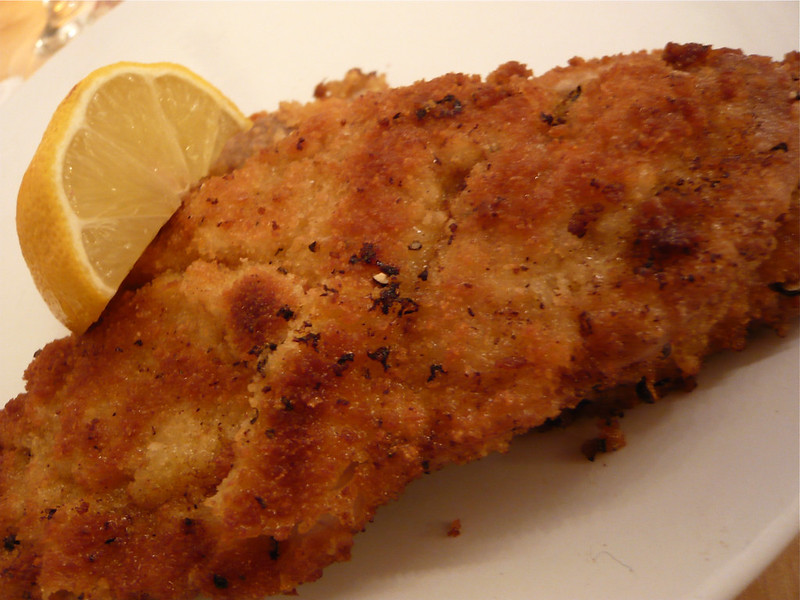
Breaded Chicken (‘Hähnchenschnitzel’) – Germany

 Amount depends on how many Schnitzel you want to make.

  • Chicken breast 
  • Flour
  • Egg
  • Milk
  • Breadcrumbs
  • Oil

Mix the eggs with a splash of milk and stir it. Put flour on a plate, bread crumbs on another plate and the egg-milk-mixture on a deep plate (or a large bowl). Then dredge the chicken breast in the flour, dip it in the egg-milk-mixture (and allow it to drip off for a few seconds) until you bread the chicken breast with the bread crumbs.

Put (lots of) oil in a pan, heat it and put the breaded chicken breast in the pan. Fry the chicken breast on each side (it literally has to swim in the oil) and turn them. A perfect Schnitzel is golden brown and often served with a lemon slice. Before serving, put the chicken breast in a paper towel to drain the oil off.

Photo by: WordRidden {flickr}


Around the World in 80 Days – Ecuador

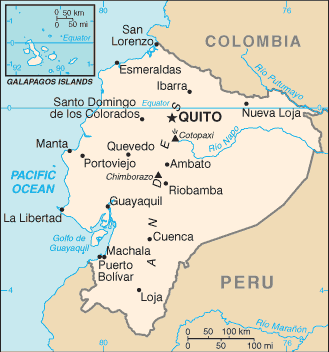
Ecuador

South America
Capital: Quito
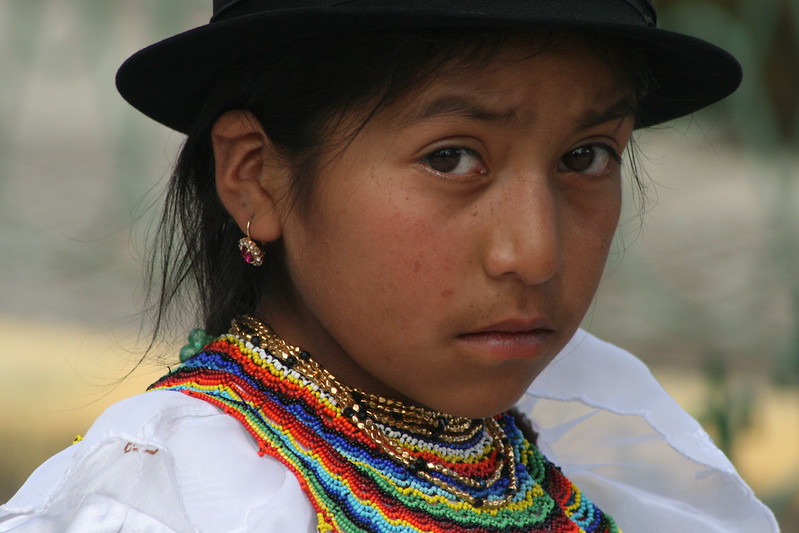
Languages: Spanish (official), Amerindian languages

Au Pairs in General:

  • The idea of being an au pair is becoming common in Ecuador.
  • Applicants from Ecuador are motivated by the opportunity to improve their English and study in the U.S.
  • The job potential of an au pair improves upon her return to Ecuador.
  • Applicants sometimes have difficulty affording the program fees.
  • Young people in Ecuador have the freedom of their family to socialize and date.
  • Curfews are common.
  • In general, young women are accustomed to sharing in household chores; however, middle class applicants will have maids to perform household tasks.
  • Nudity is not acceptable in public, nor is topless sunbathing.
  • Ecuadorians are family-oriented, warm and conservative.

Diet:

  • Most young people in Ecuador eat meat.
  • Vegetarianism is becoming popular, but is not yet widespread.
  • A typical Ecuadorian diet includes rice, potatoes, and meat. Ecuador is known for its exotic fruits, fish and seafood, tasty soups, and the countless varieties of Andean potatoes.

Religion:

  • The most common religions in Ecuador are Catholicism and Protestantism.
  • Most young people in Ecuador do not practice their religion regularly.

Photo by: Rinaldo Wurglitsch {flickr}

Around the World in 80 Days – China

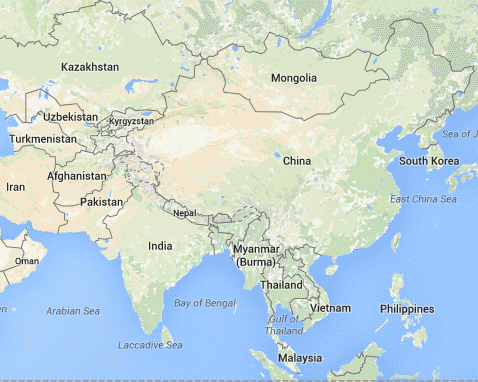
CHINA

East Asia
Capital: Beijing
Languages: Chinese (written), Mandarin (spoken)
Predominant Religion(s): Buddhism

COMMON CHARACTERISTICS: 

  • Diligent, hardworking and modest: these words are often used to describe Chinese people.
  • Collectivism is a norm in China. Chinese love group activities. Winning honour for the group is something to be proud of.
  • Chinese tend to be reserved when it comes to showing affection in public.

FUN FACTS:

  • Despite its size, China only has one time zone!
  • While the dragon is typically seen as an evil creature in Western culture, it holds first place among the four greatest creatures in Chinese mythology, along with the phoenix, tiger, and tortoise. It is typically associated with the emperor.
  • Once known as the “Kingdom of Bicycles,” now China owns the most number of electric bikes. There are over 200 million e-bikes in China!

USEFUL PHRASES:

  • How are you?             Nǐ hăo ma?
  • Fine, thanks.               Wŏ hĕn hăo, xiè xiè.
  • My name is…:             Wŏ de míng zì shì…
  • Nice to meet you.      Hĕn gāo xìng yù jiàn nĭ.
  • Thank you:                  Xiè xiè.

Family

  • Usually grandparents live with their children and grandchildren, so there are three generations in one house. Grandparents will also share the responsibility of bringing up the children. The Chinese value peace and wholeness of a family. As an old Chinese saying goes: “A harmonious family can lead to the success of everything.”
  • Chinese families attach a lot of importance to the traditional holidays, and parents like to arrange large family meals with their children.
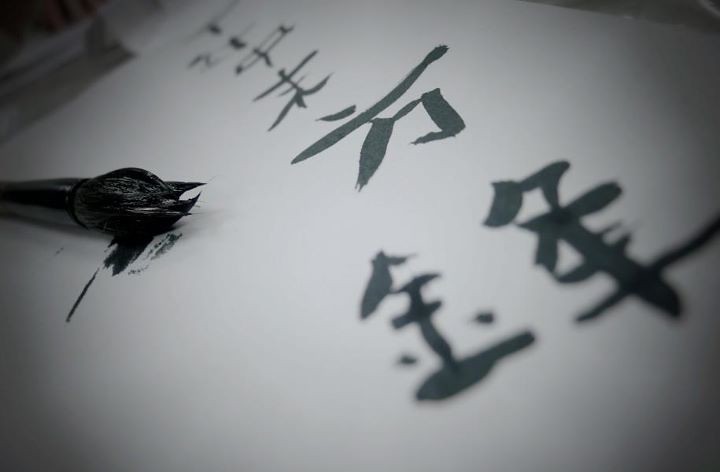
  • Children are encouraged to develop and learn new talents such as music, calligraphy, dancing and so on from an early age.

Photos by: Stephanie Kroos {flickr}; UI International Programs {flickr}