Tag Archives: Global Awareness

Around the World in 80 Days – Russia’s Russki Salat

Russki Salat

Russian salads contain cooked vegetables and often include cooked meat, poultry, or fish. The salad dressing is simply oil and vinegar.

Ingredients

  • 1 cup diced cooked meat (ham, beef, turkey, or your favorite)
  • 2 cups cooked, peeled and diced beets
  • 2 cups cooked, peeled and diced potatoes
  • 1 cup cooked beans (your favorite)
  • 1 medium onion, peeled and chopped
  • 1 cucumber, peeled and sliced
  • 3 hard boiled eggs, sliced
  • 6 small sweet pickles, chopped
  • Oil and Vinegar for dressing

Instructions

  1. Mix all ingredients in a large salad bowl.
  2. Add salt and pepper to taste. Let each guest prepare his or her own dressing.

Around the World in 80 Days – Bosnia & Herzegovina

BOSNIA & HERZEGOVINA 

Central/Southern Europe
Capital: Sarajevo
Languages: Bosnian, Croatian & Serbian
Predominant Religion(s): Islam / Roman Catholic

COMMON CHARACTERISTICS:

  • Bosnian people describe themselves as sociable and hospitable, as well as curious and direct.
  • Family, work, sports, music, entertainment, children, local cultural events, good restaurants, and the weather are always good topics to talk about with Bosnians when meeting or speaking to them for the first time.
  • Bosnians are very proud of their heritage and culture and they love a sense of community. They are also very respectful of their elders.

FUN FACTS:

  • Bosnian coffee is one of the strongest coffees in the world and Bosnians love drinking coffee!
  • Bosnians love their unique wedding traditions, which includes the wedding party tooting their horns all the way to the venue and the bride serving coffee to her guests.
  • The name “Bosnia” comes from an Indo-European word Bosana, which means water, which is perfect as the country is covered with beautiful lakes, rivers, waterfalls, and a strip of the Adriatic Sea.
  • For more info on Bosnia & Herzogvina, click here!

USEFUL PHRASES:

  • How are you?       Kako si ti?
  • Fine, thanks.       Dobro, hvala.
  • My name is…       Moje ime je
  • Nice to meet you!       Drago mi je!
  • Thank you.       Hvala.

Photos by: Monika {flickr}; Dino Husejnovic {flickr}

Around the World in 80 Days – Bolivia

BOLIVIA

Western Central South America 
Capital: Sucre
Languages: Spanish
Predominant Religion(s): Christianity
(Roman Catholic)

COMMON CHARACTERISTICS:


  • Bolivian people describe themselves as friendly and hard working.
  • Bolivia people have strong family ties.
  • Traditions and culture are very important values for young people.

FUN FACTS:

  • The amazing “Cristo de la Concordia” statue in Cochabamba city is the biggest in the world; it was built in memory of Papa Juan Pablo II.
  • The green lake located in Potosi city at the foot of Licancabur, one of the largest active volcanoes, is one of the most wonderful lakes in the world. The green color is due to high levels of magnesium in the water.
  • The slowest flowering plant in the world comes from Bolivia. The “Puya Raimundi” is a very strange and unusual plant. Discovered in 1870, the flower only appears when the plant is 80 to 150 years old. Check out this video to see the Puya Raimundi plants.

USEFUL PHRASES:

  • How are you?             Como estás?
  • Fine, thanks.               Bien, gracias.
  • My name is…             Mi nombre es…
  • Nice to meet you!        Mucho gusto!
  • Thank you.                  Gracias.

For more info on Bolivia, check out the APIA Culture Quest site.

Photo by: MollySVH {flickr} Cristo de la Concordia overlooking Luguna Alalay in Cochabamba

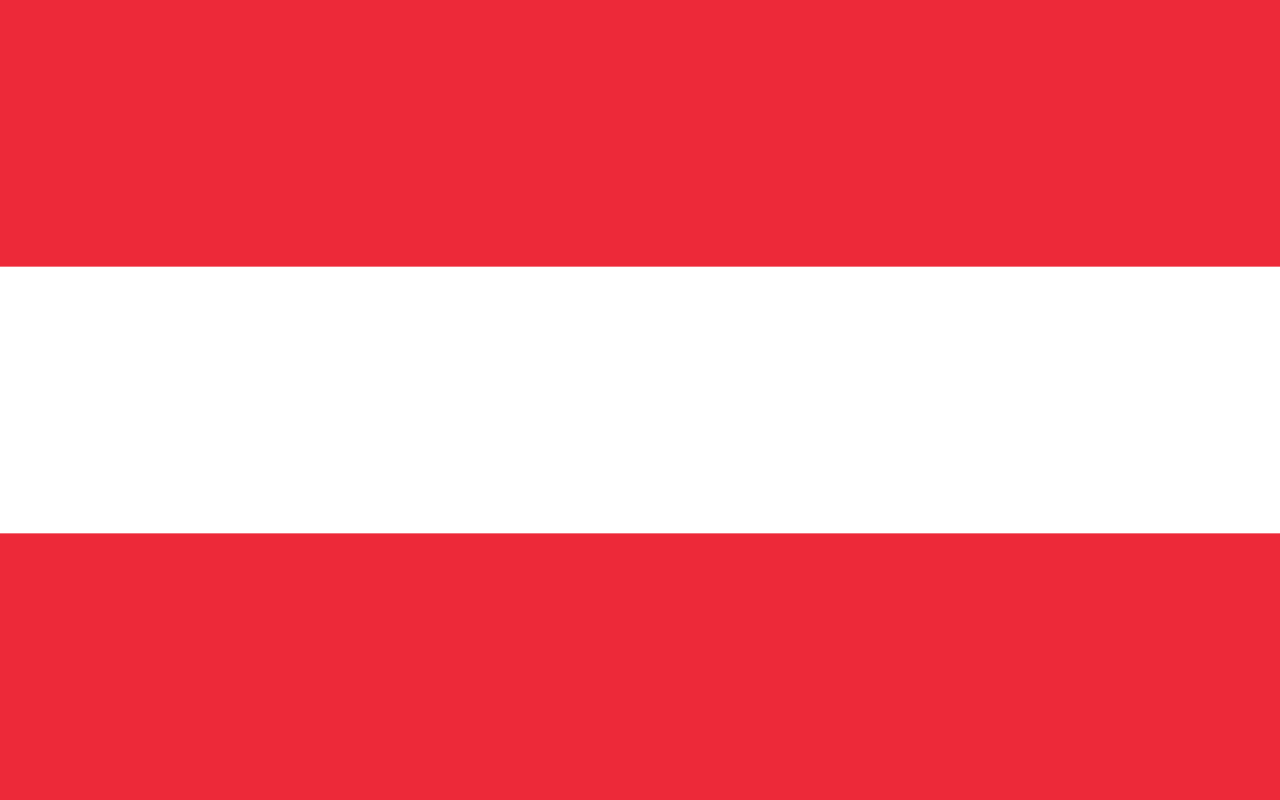
Around the World in 80 Days – Austria

AUSTRIA

Western Europe
Capital: Vienna
Languages: German
Predominant Religion(s): Christianity

COMMON CHARACTERISTICS:

  • Austrians are open-minded, independent and polite.
  • They are motivated and hard-working.
  • Austrians are cheerful.

FUN FACTS:

  • “The Sound of Music” is a lot more popular around the world than in Austria!
  • Austria only has about 8 million inhabitants – that’s roughly the same population as Virginia!
  • German is the official language in Austria but there are a lot of different dialects in Austria’s different regions.

USEFUL PHRASES:

  • How are you?      Wie geht es dir?
  • Fine, thanks.       Gut, danke.
  • My name is…       Mein Name ist…
  • Nice to meet you.     Freut mich dich kennenzulernen.
  • Thank you.           Danke.

For more info on Austria, check out the APIA Culture Quest site!

Around the World in 80 Days – Melktert from South Africa

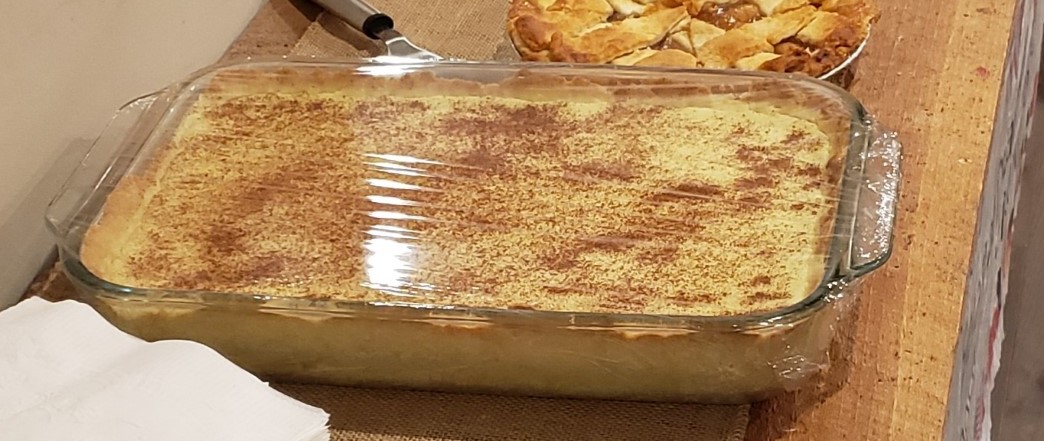
Melktert – South Africa

Melktert(or Milk Tart) is a Afrikaner dessert consisting of a sweet pastry crust containing a custard filling made from milk, flour, sugar and eggs. The ratio of milk to eggs is higher than in a traditional Portuguese custard tart or Chinese egg tart, resulting in a lighter texture and a stronger milk flavor.

Crust

1 Egg

1/2 cup sugar

2 cups flour

1/2 teaspoon salt

1/4 pound butter

1 teaspoon of baking powder

5 drops of vanilla

Beat egg and sugar until the sugar is not visible.

Sift flour, salt and baking powder in a separate bowl.

Add butter and lastly the vanilla.

Mix everything together

Press it into a tart pan

Bake at 350 degrees for 15 min.

Rest of dough can be frozen for later.


Filling

2 tablespoons butter and 2 cups milk

Boil it with a pinch of salt.

In separate bowl, mix

2 tablespoons Corn Starch

4 tablespoons of sugar

1 beaten egg

Add it to the milk mixture

Cook it (for a little while) until a little stiff and toss in the crust.

Recipe by Danielle, an au pair from South Africa


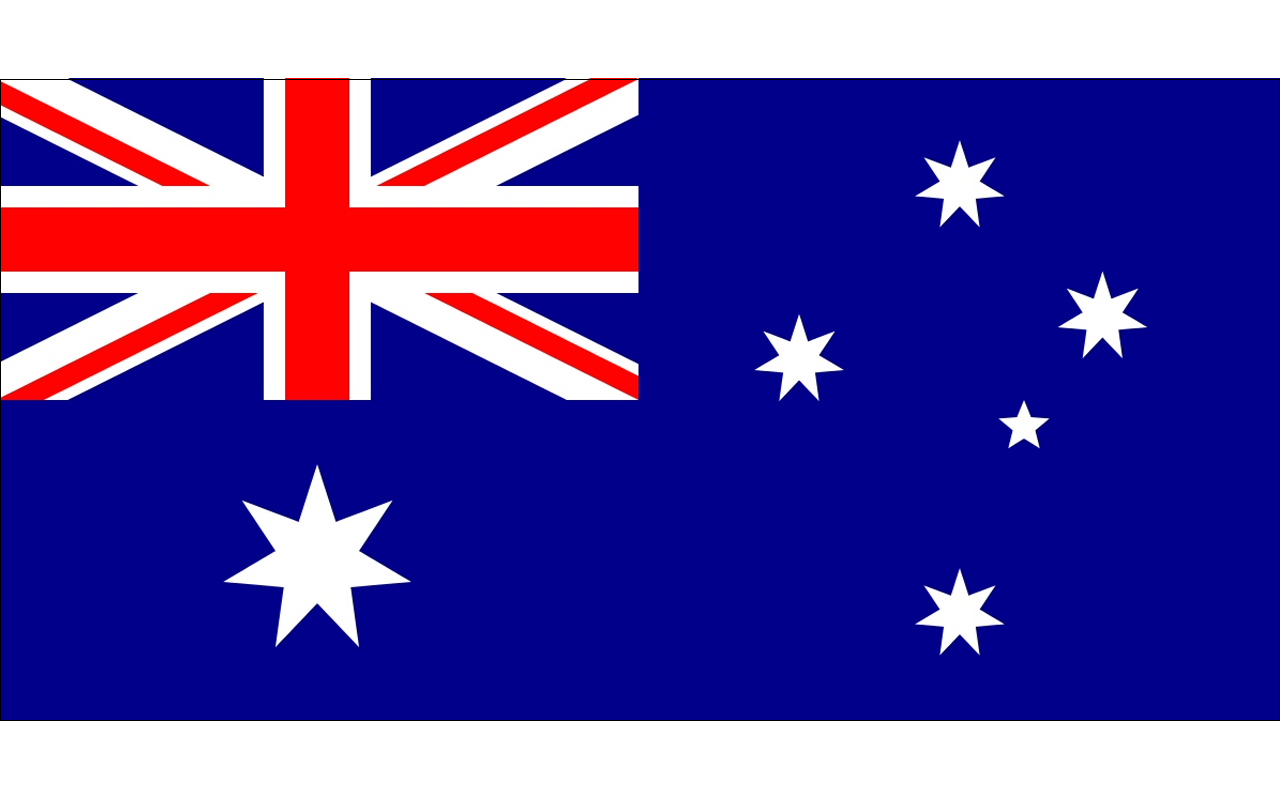
Around the World in 80 Days – Australia

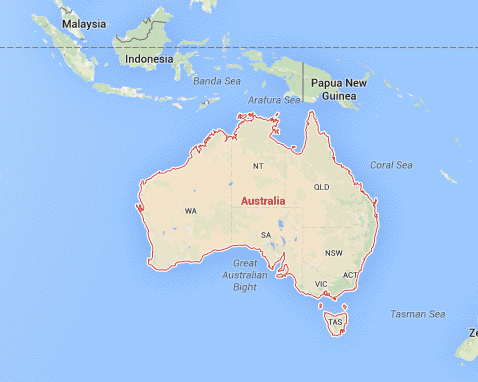
AUSTRALIA

Between the Indian Ocean and 
South Pacific Ocean
Capital: Canberra
Languages: English
Predominant Religion(s): Christianity

COMMON CHARACTERISTICS:

  • Australians are quite direct and will freely discuss a range of subjects.
  • Most Australians grow up believing that everyone should have equal rights and be treated the same. Australia was the second country in the world to allow women the vote.
  • About 26% of the population was born overseas and 40% have a parent born overseas, so there is a lot of diversity. Many Australians feel that Australia has a culture and identity based on friendship, honesty, sports, and multiculturalism.

FUN FACTS:

  • The largest Greek population in the world other than in Athens is in Melbourne, Australia.
  • Australia was settled by convicts (criminals) sent over from the UK. The first police force was made up of the 12 most well-behaved convicts.
  • The black box, wine cask, bionic ear, ultrasound and pacemakers were all invented in Australia.
 

One style of Australian aboriginal art has an x-ray appearance to it. Learn more about this style and try making some x-ray art of your own.

Captain James Cook claimed Australia as part of the British Empire while he was looking for a southern continent. Learn more about James Cook and others who explored Australia.

In 1935, the chef of the Hotel Esplanade in Perth, Western Australia, Herbert Sachse,  created the pavlova to celebrate the visit of the great Russian ballerina, Anna Pavlova. Whilst it has been suggested this dessert was created in New Zealand, it has become recognized as a popular Australian dish. Pavlova Recipe

As Australia is an English-speaking country, the children there sing many of the same songs that we sing in the United States, but sometimes they sing a different version. Visit this site to compare the Australian version of familiar songs with the one you know.

Click on the link to learn more about Australia!

Photos by: Angela Thomas {flickr}, Martin Hipp {flickr}

Around the World in 80 Days: Kartoffelsalat German Potato Salad Recipe

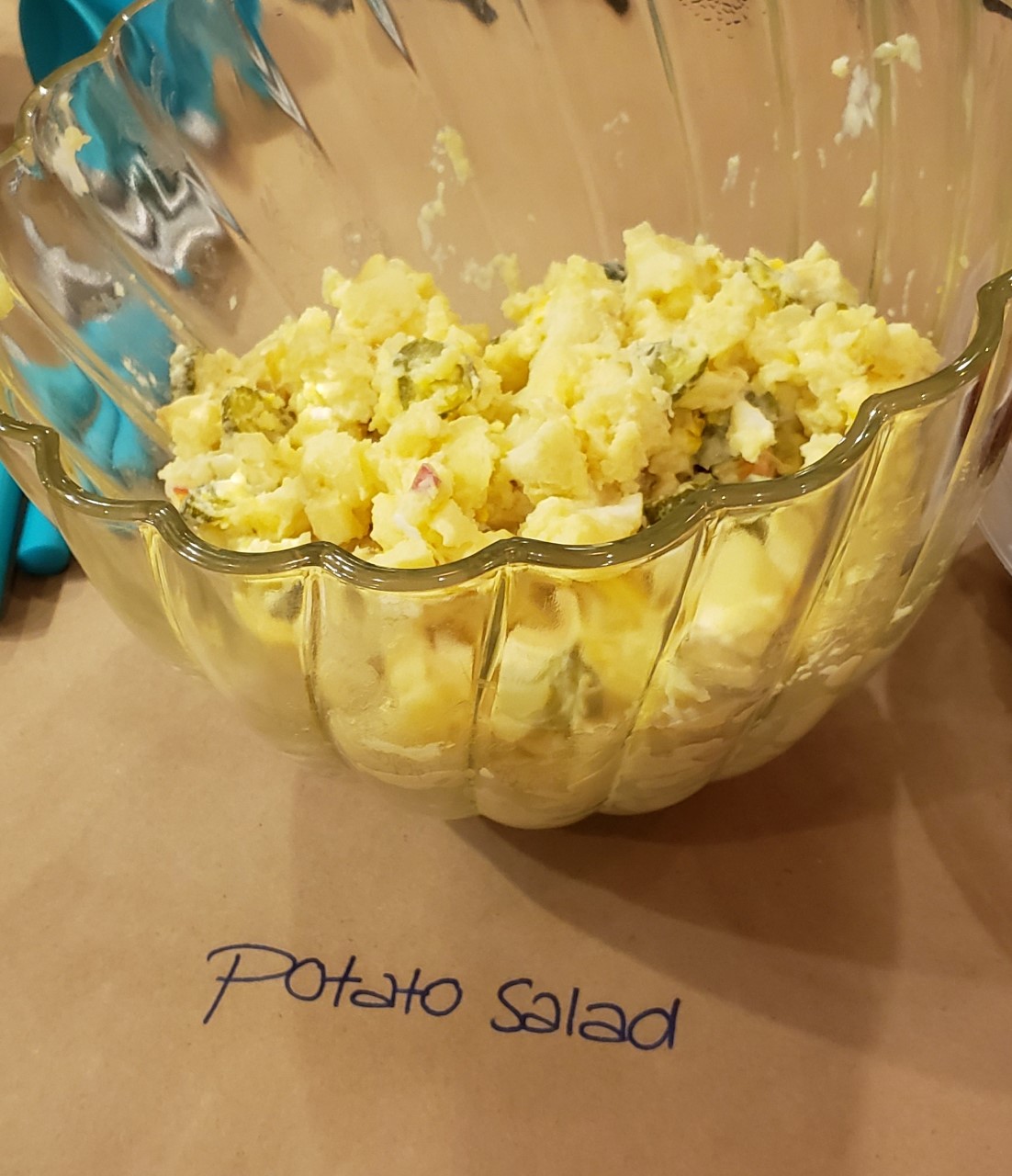
Day Two of our Around the World in 80 Days series bring us to Germany to learn a recipe for German Potato Salad. There are several different versions of German Potato Salad, just like there are in America. This recipe calls for apples!

Potato Salad (‘Kartoffelsalat’)  

  • 800g (28 oz.) cooked potatos
  • 2 onions
  • 100g (3.5 oz.) pickled cucumbers
  • 3 hard boiled eggs
  • 6 tbsp. mayonnaise
  • 3 tbsp. liquid of the pickled cucumbers
  • 1 tbsp. mustard
  • Salt, Pepper
  • Optional: 1 apple

Wash potatoes, peel and cook them for about 20-25 minutes until they are fully cooked. Drain them, let them cool and cut them into slices or cubes (whatever you prefer).

Then, peel the onions and also cut them into cubes. Cut the pickled cucumbers, the hard boiled eggs (and the apple) in slices.

Mix the mayonnaise, the liquid of the pickled cucumbers and the mustard and mix it carefully with all the other ingredients. Salt and pepper and wait for at least 30 minutes until you serve it.

Recipe provided by German au pairs in Southern Maryland


Around the World in 80 Days – A Cultural Exploration!

Around the World in 80 Days!!

Summer break has officially arrived in Southern Maryland. Over the next 80 days (ending on Labor Day), we’ll discuss different cultural things each day! From general country info to cultural norms to recipes and more!!

Let’s focus on global awareness and share some cultural experiences! Most importantly, share your culture with your host family. Incorporate games, books, songs, language, foods, etc into your host family’s lives. Cooking a dish from your home country is a great way to share. Discuss similar traditions and ones unique to your family or culture.

First up, let’s learn about Argentina!

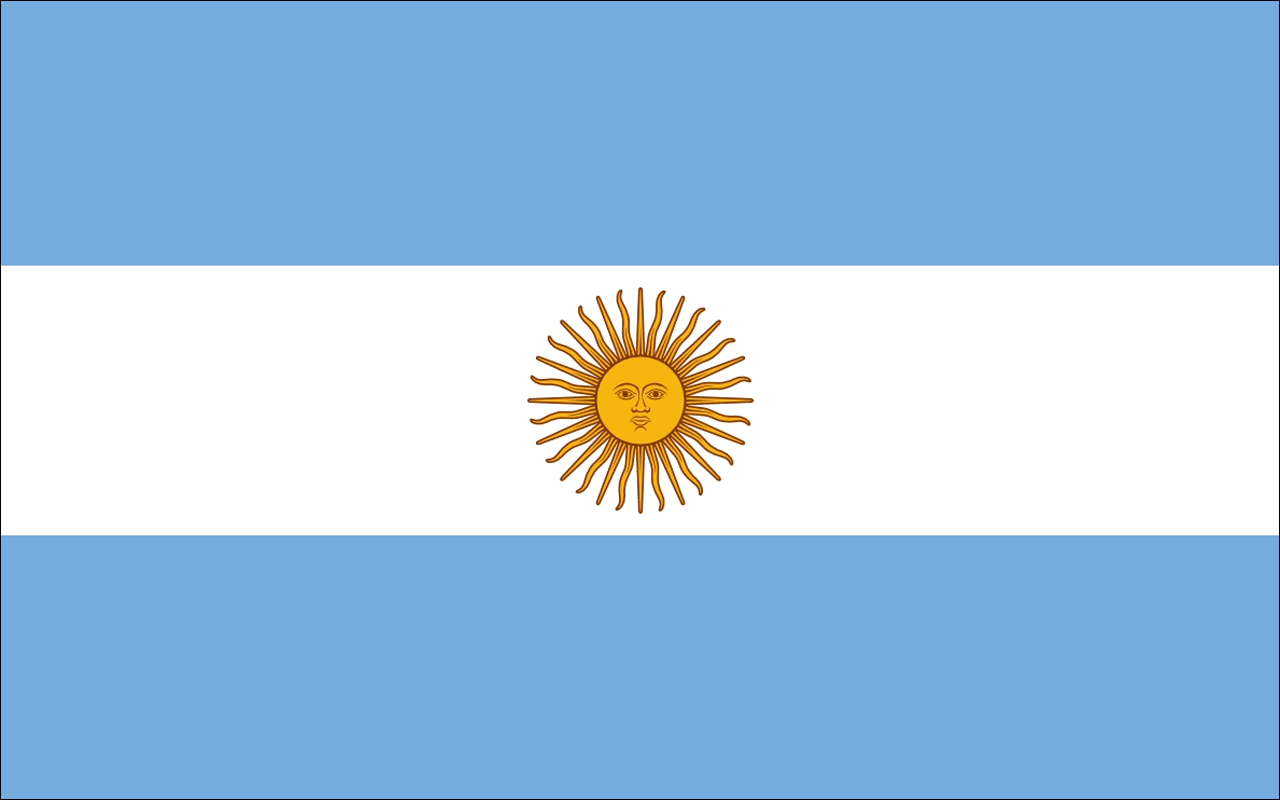
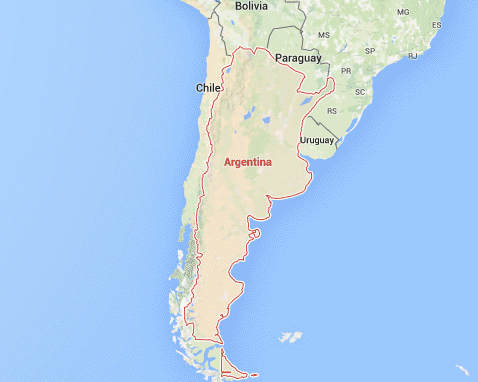
ARGENTINA

South America
Capital: Buenos Aires
Languages: Spanish
Predominant Religion(s): Christianity
(Roman Catholic)

COMMON CHARACTERISTICS:

  • Independent, mature, responsible, trustworthy.
  • Open to share their ideas or thoughts.
  • Open minded, flexible, ready to have a good experience abroad.

FUN FACTS:

  • Young people in Argentina love technology – they can’t understand how their grandparents survived without cell phones!
  • Argentine beef is famous around the world, so naturally Argentineans love barbeques!
  • The Argentine city of Ushuaia is the southernmost city in the world!

USEFUL PHRASES:

  • How are you?      Como estas?
  • Fine, thanks.       Bien, gracias.
  • My name is…       Mi nombre es…
  • Nice to meet you.     Encantada de conocerte.
  • Thank you.           Gracias.

There are twenty languages spoken in Argentina, most of them by small groups of indigenous people. The primary language in the country is Spanish.

Try some Spanish language activities. This site includes an on-line English-Spanish picture dictionary and an on-line Spanish-English dictionary, as well as information, quizzes and pictures to color.

This website is available in both English and Spanish. There are activities to download, stories to listen to, and much more!

Do you know any words in English that came from Spanish words? You can find the answer to this question and many other facts about our world at Infoplease.

Recipe:

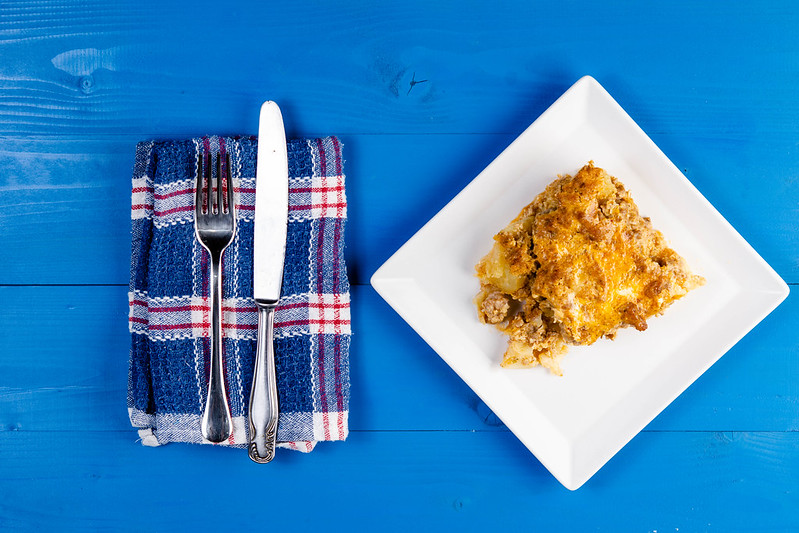
Argentine Mashed Potato Pie

Ingredients –

  • 6-8 potatoes
  • 1 cup milk
  • 1/4 cup butter
  • 1 onion
  • 1 red pepper
  • 2 tbsp oil
  • 1 pound lean ground beef
  • 2-3 eggs
  • 1/2 cup green pitted olives
  • shredded cheese
  • 1 can tomato sauce
  • paprika, salt and pepper

Instructions

  1. Peel and boil the potatoes until done.
  2. Boil eggs for 15 min.
  3. Halve, peel and chop onion and pepper.
  4. Sauté onion and pepper until tender.Add beef to onion and brown well.
  5. Add paprika, salt and pepper.
  6. Add tomato sauce to beef, stir, and remove from heat.
  7. Add eggs, olives to beef mixture.
  8. Mash potatoes, add butter, milk and salt.
  9. Use half mashed potatoes to line a lasagna pan or other large baking pan.
  10. Pour in beef mixture.
  11. Top with remaining mashed potatoes.
  12. Sprinkle with shredded cheese on top.
  13. Bake at 350°F for 30-40 minutes.

Submitted by Betiana Turteltaub, au pair in Villanova, Pennsylvania, 2004-2005

Photo: Jesus Dehesa {flickr}

Camp Au Pair – Global Awareness

Wrapping up Camp Au Pair for Summer 2019, let’s focus on global awareness and share some cultural experiences! Most importantly, share you culture with your host family. Incorporate games, books, songs, language, foods, etc into your host family’s lives. Cooking a dish from your family is a great way to share. Discuss similar traditions and ones unique to your family or culture.

Resource –

Use the Global Awareness website for an amazing collection of resources!

Let’s Create & Learn –

Check out –

Photo by {Rona Proudfoot}

How To Say Happy New Year Around the World

One of the really cool things about working for Au Pair in America is that you get to meet fascinating women from all over the world.  Here’s a list with over 30 ways of saying Happy New Year!  May 2017 be a Happy New Year to you!

Language Happy New Year!
Afrikaans Voorspoedige nuwe jaar
Arabic Kul ‘am wa antum bikhair
Basque Urte Berri on
Bengali Shuvo noboborsho
Chinese (Cantonese) Sun nien fai lok
Chinese (Mandarin) Xin nian yu kuai
Czech Stastny Novy Rok
Danish Godt NytÅr
Dutch Gelukkig nieuwjaar
Esperanto Bonan Novjaron
Finnish Onnellista uutta vuotta
French Bonne année
German Ein glückliches neues Jahr
Greek Eutychismenos o kainourgios chronos
Hawaiian Hauoli Makahiki hou
Hebrew Shana Tova
Hungarian Boldog uj evet
Indonesian (Bahasa) Selamat Tahun Baru
Italian Felice Anno Nuovo or Buon anno
Japanese Akemashite Omedetou Gozaimasu
Korean Sehe Bokmanee Bateuseyo
Laotian (Hmong) Nyob Zoo Xyoo Tshiab
Latin Felix sit annus novus
Nigerian (Hausa) Barka da sabuwar shekara
Norwegian Godt Nytt År
Philippines (Tagalog) Manigong Bagong Taon
Polish Szczesliwego Nowego Roku
Romanian La Multi Ani si Un An Nou Fericit
Samoan Ia manuia le Tausaga Fou
Spanish Feliz año nuevo
Swahili Heri za Mwaka Mpya
Swedish Gott Nytt År
Thai Sawatdee Pi Mai
Vietnamese Chuc mung nam moi
Welsh Blwyddyn Newydd Dda