Tag Archives: Global Awareness

Around the World in 80 Days – Russia

RUSSIA

Asia
Capital: Moscow
Languages: Russian, many minority languages

  • English is compulsory in Russia.
  • Classes begin at an early age.
  • The idea of being an au pair is common in Russia.
  • Applicants from Russia are motivated by opportunities to improve their English.
  • The job potential of an au pair improves upon her return to Russia.
  • Applicants sometimes have difficulty affording the program fees. Many applicants are teachers who are paid low wages.
  • Young people in Russia have the freedom of their family to socialize and date.
  • Curfews are not common.
  • Young women are accustomed to sharing in household chores.
  • Russians are cheerful, cordial, and have a great love for children. Russians are very open and honest and like to discuss problems and situations.

Photos by: Andrey Filippov {flickr}; flowcomm {flickr}

Around the World in 80 Days – Portugal

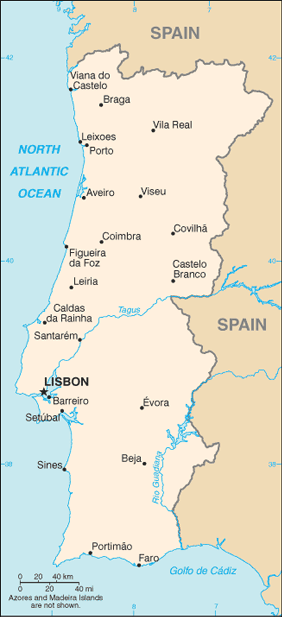
PORTUGAL

Europe
Capital: Lisbon
Languages: Portuguese (official), Mirandese (official – but locally used)


  • The idea of being an au pair is a new concept in Portugal.
  • Applicants from Portugal are motivated by travel and language opportunities.
  • The job potential of an au pair improves upon her return to Portugal.
  • Young people in Portugal have the freedom of their family to socialize and date, though Portuguese parents are very protective of their children. The normal procedure for children is to complete high school, attend university, find a job, buy a house and get married. Only after you complete those things would you then move out of your parents house.
  • Curfews are not common.
  • Young women are accustomed to sharing in household chores.
  • Portuguese describe themselves as caring, flexible, and fluent in English.

Diet

  • Most young people in Portugal eat meat.
  • Vegetarianism is not common.
  • A typical Portuguese diet includes rich, filling, and full-flavored dishes made from seafood, fish, meat, dairy, fruits, and vegetables.


Religion

  • The most common religion in Portugal is Catholic.
  • Most young people in Portugal do not practice their religion regularly.

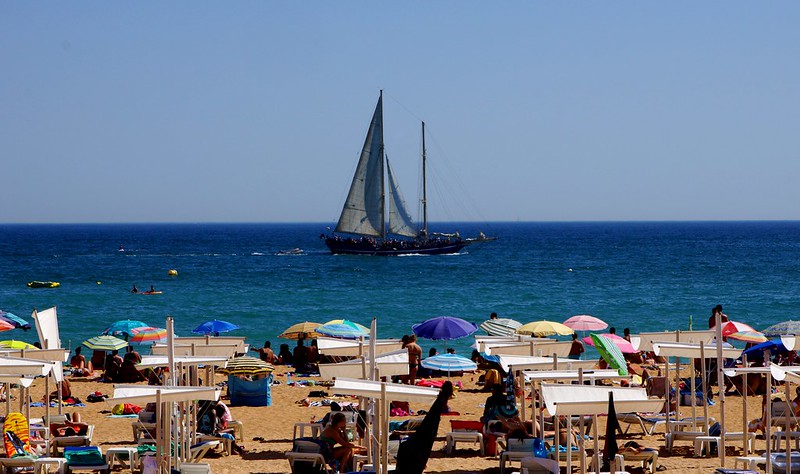
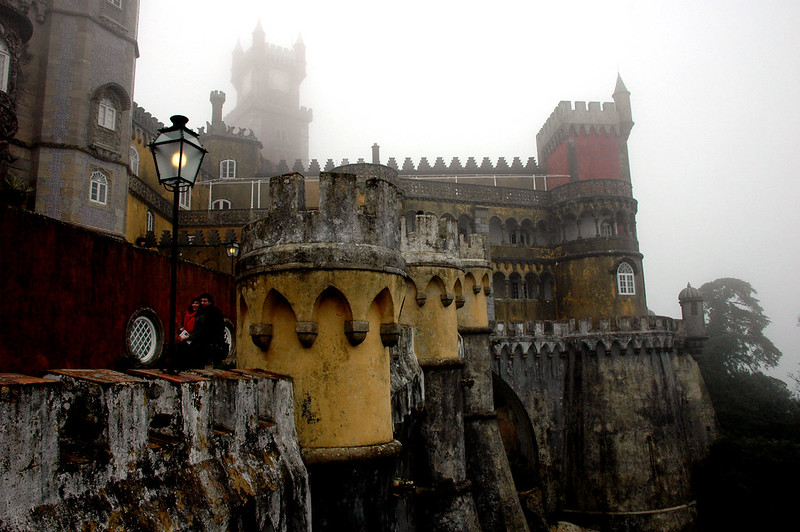
Photos by: Man Alive {flickr}; Pug Girl {flickr}


Camp Au Pair – Global Awareness

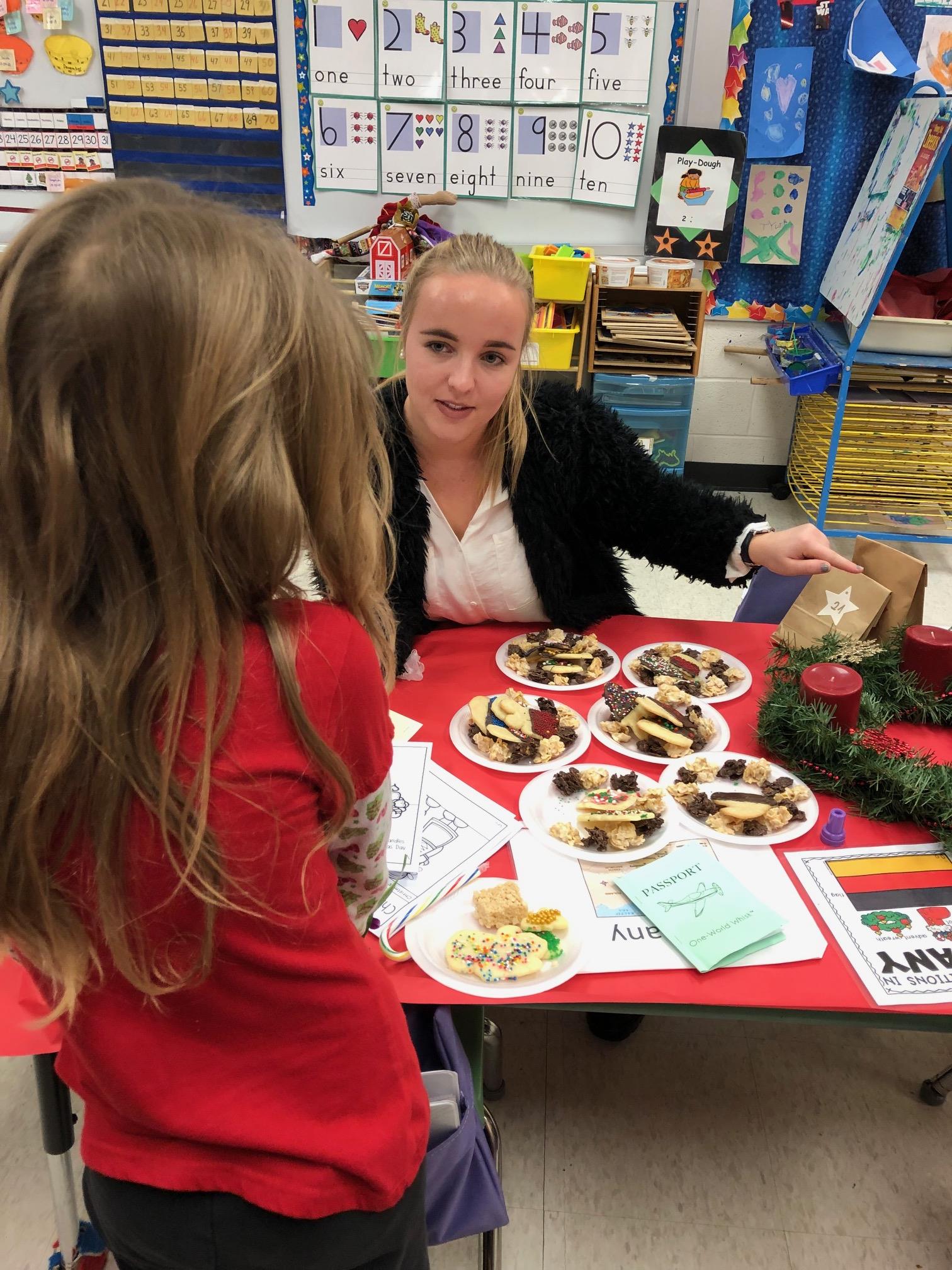
Wrapping up Camp Au Pair for Summer 2020, let’s focus on global awareness and share some cultural experiences! Most importantly, share you culture with your host family. Incorporate games, books, songs, language, foods, etc. into your host family’s lives. Cooking a dish from your family is a great way to share. Discuss similar traditions and ones unique to your family or culture.

Resources:

  • Use the APIA Global Awareness website for an amazing collection of resources!
  • Learn about various countries by visiting the APIA Culture Corner!
  • Listen to a story in English or Spanish (preschool and lower elementary level)
  • Learn about opportunities to get involved! While COVID has changed the footprint of schools and the opportunity to do presentations, lets think outside the box about how to still give informative glimpses of our various cultures! How about creating a display that we can capture clear pictures of? Making a short video? Possibilities abound!

Let’s Create & Learn:  

Check out:


Books:

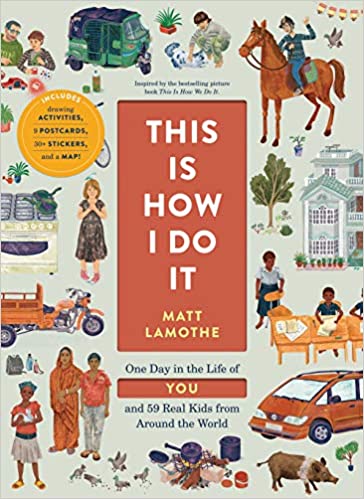
  • This Is How I Do It: One Day in the Life… This fun and engaging workbook will get kids writing, drawing, and sharing while also learning about cultures and countries other than their own.
    • Includes drawing activities, postcards, sticker sheets, and a fold-out map
    • A die-cut cover for kids to draw their portrait and write their name on makes this activity book a keepsake to treasure
    • Encourages self-reflection while also teaching kids about different traditions and customs.
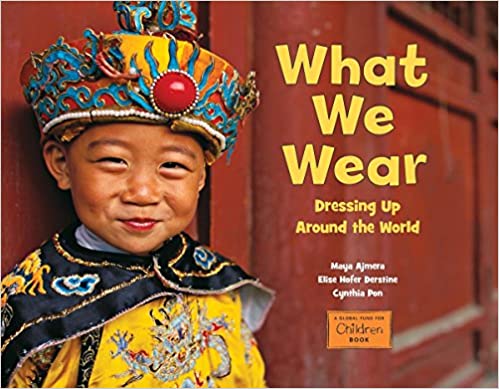
  • What We Wear.  A celebration of clothing in bright, beautiful photographs of exuberant and diverse children from around the world, WHAT WE WEAR: DRESSING UP AROUND THE WORLD inspires young readers to explore the way clothing makes them feel and how it tells the world who they are. What we wear can identify who we are: what team we play for or what team we root for, where we go to school, how we worship, or how we represent our heritage. What we wear expresses our individuality, and clothes can make us happy, confident, and proud.
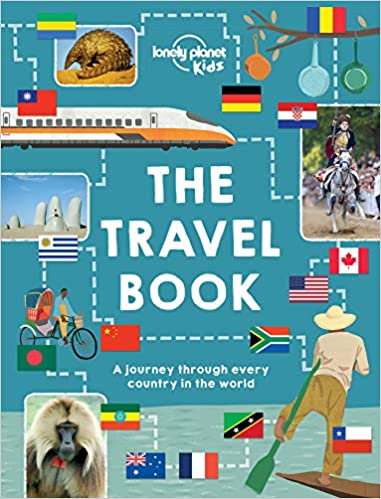
  • The Travel Book: A Journey Through Every Country in the World. Take a world tour through  200 countries with this brand new edition of the bestselling kids’ version of Lonely Planet’s popular The Travel Book, loaded with thousands of amazing facts on wildlife, how people live, sports, hideous and mouthwatering food, festivals and a wide range of other quirky insights on every page. Every single country gets its own dedicated page, and a mix of photography and beautiful illustrations brings each land to life.

Photo by {Rona Proudfoot}; hiritomo t {flickr}


Around the World in 80 Days – Bitterballen

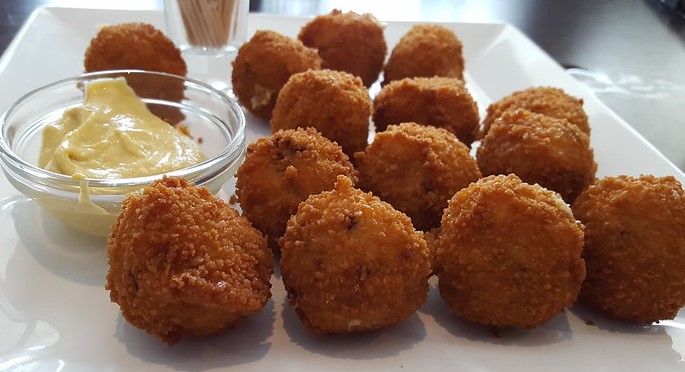
A favorite snack in Holland, this beef and gravy croquette is very popular! Crisp on the outside, moist and gooey on the inside!

There are a few ways to prepare. Here are a couple of recipes from Taste of Home  and another one from Jo Cooks. 

Ingredients  

  • 3 tablespoons butter
  • 3 tablespoons all-purpose flour
  • 1/2 cup beef broth
  • 3/4 lb sirloin or flank steak cut into 1/2-inch cubes
  • 1/4 cup finely minced fresh parsley
  • 1/4 teaspoon salt
  • 1/8 teaspoon pepper
  • 1/4 teaspoon ground nutmeg
  • 1 cups dry bread crumbs, plain
  • 2 eggs
  • 1 teaspoon milk
  • 1 teaspoon canola oil
  • Oil for deep-fat frying
  • Spicy mustard

Instructions

  • In a large saucepan, melt butter over medium heat.
  • Stir in flour until smooth. Gradually add broth; bring to a boil.
  • Cook and stir for 1 minute or until thickened.
  • Carefully add meat and parsley; cook and stir for 2-5 minutes or until meat is no longer pink
  • Stir in the salt, pepper and nutmeg.
  • Transfer into a bowl; refrigerate for 2-12 hours or until chilled.
  • Place bread crumbs in a small shallow bowl. In another bowl, whisk the eggs, milk and oil.
  • Drop the meat mixture by tablespoonfuls into bread crumbs; shape into balls. If you have a cookie scoop, you could use that.
  • Dip the shaped meat balls in egg mixture, then coat with crumbs. In a skillet or deep fryer, heat oil to 375°.
  • Fry the meat balls, until golden brown on all sides, about 2-4 minutes. Do just a few at a time.
  • Drain on layered paper towels to remove excess oil.
  • Serve warm with a spicy mustard or other dips of your choice.

Make ahead and freeze for later!


Photo by: www.snack-nieuws.nl {flickr}

Around the World in 80 Days – Poland

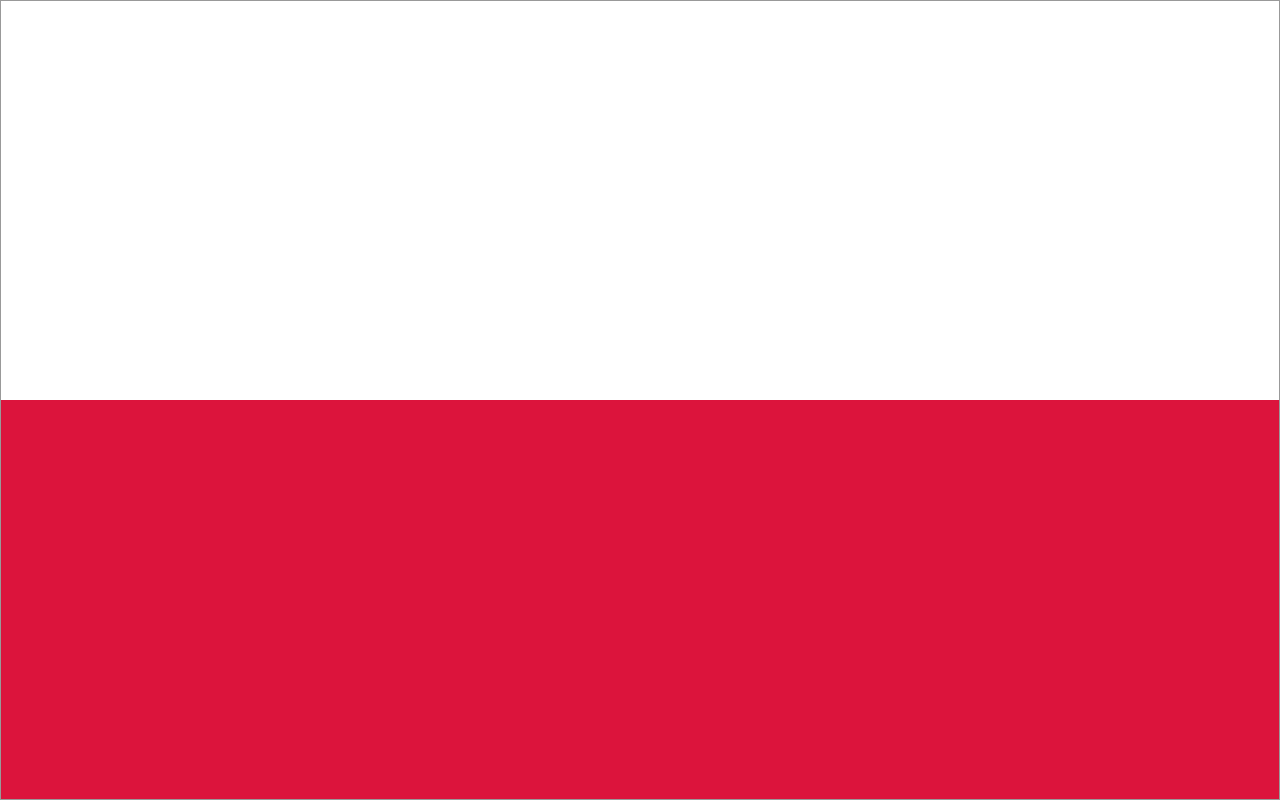
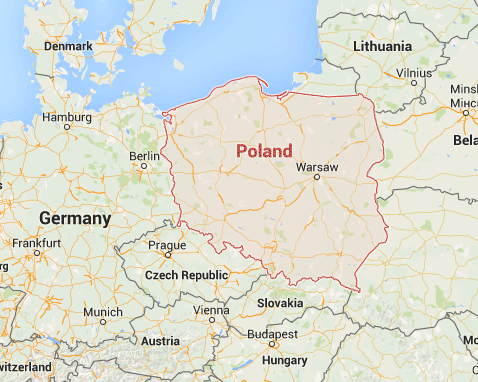
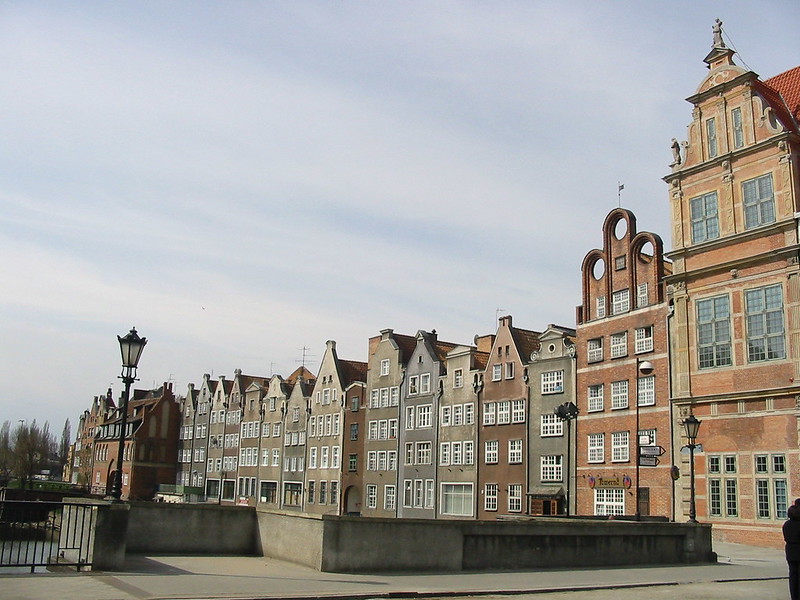
POLAND

Eastern Europe
Capital: Warsaw
Languages: Polish

COMMON CHARACTERISTICS:

  • Polish people describe themselves as hospitable, ambitious and resourceful.
  • Poles have strong family ties.
  • Tradition and culture are very important values for young Poles.

FUN FACTS:

  • Poland has exactly the same population and is almost the same size as California.
  • Poland’s biggest city is… Chicago – the number of people of Polish origin is higher in Chicago’s metropolitan area than in Poland’s capital Warsaw!
  • Poland is the most important bird breeding ground in Europe, as it hosts over one quarter of all migratory birds traveling to Europe for the summer.

USEFUL PHRASES:

  • How are you?       Jak się masz?
  • Fine, thanks.        Dobrze, dziękuję.
  • My name is…       Nazywam się…
  • Nice to meet you!      Miło Cię poznać!
  • Thank you.            Dziękuję.

Photo by: Photo RNW.org {flickr}

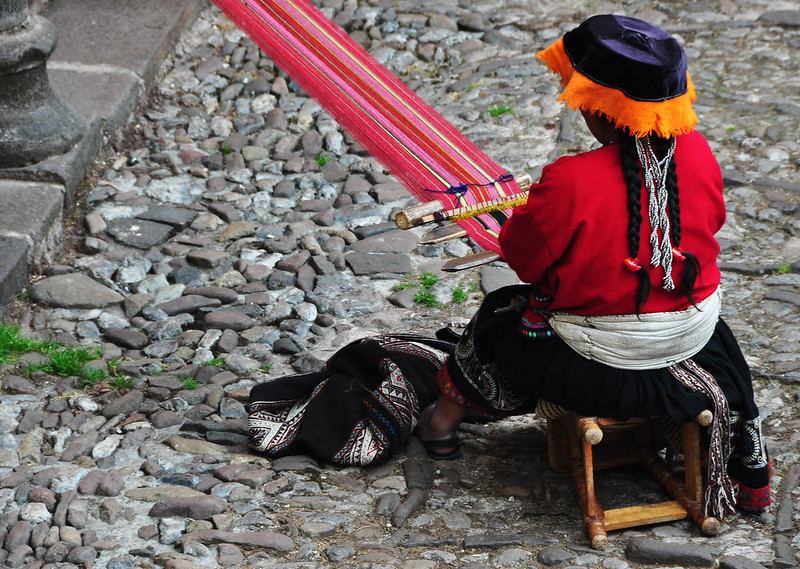
Around the World in 80 Days – Peru

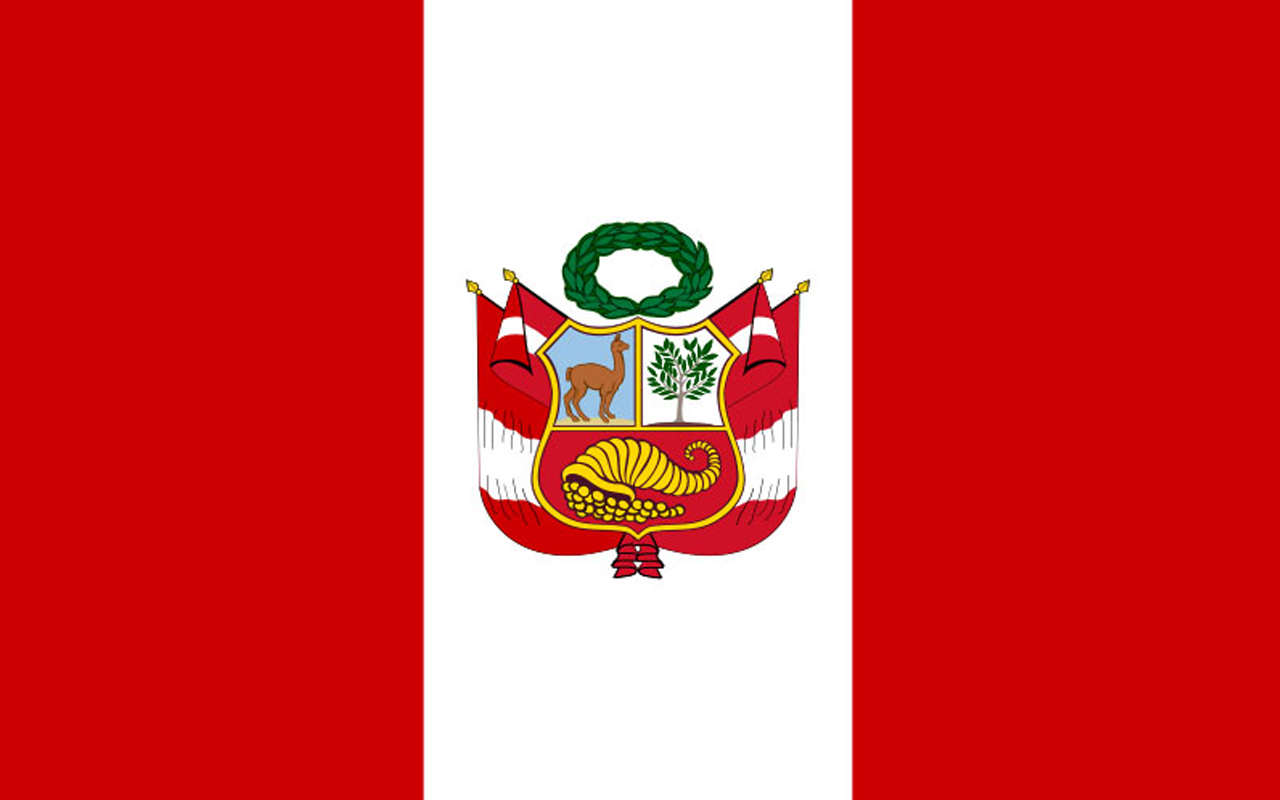
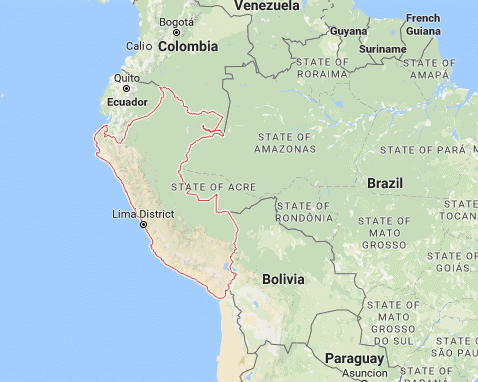
PERU

Western South America
Capital: Lima
Languages: Spanish (main), Quechua, Aymara
Predominant Religion(s): Christianity
(Catholic)

COMMON CHARACTERISTICS:

  • Peruvian people describe themselves as optimistic, creative and persevering.
  • Peruvians are characterized by being hard workers.
  • Peruvians maintain a very strong sense of national identity – they love to celebrate their Independence Day on July 28th!

FUN FACTS:

  • Peru has 84 “microclimates” of the 114 that exist in the world and also has more than 75% of ecosystems, making it one of the most bio-diverse countries on the planet.
  • Peru is one of the richest countries in terms of natural resources – it is one of the world’s top producers of gold, silver, copper, lead, iron and zinc and also has reserves of oil and natural gas.
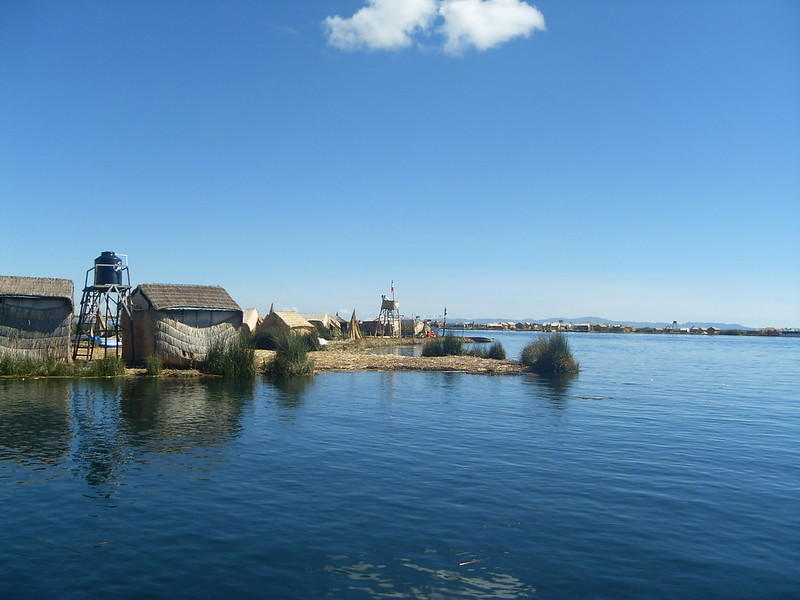
  • Lake Titicaca in Southern Peru is the world’s highest navigable lake and South America’s largest lake. Machu Picchu is one of the most important archaeological sites in the world.

USEFUL PHRASES:

  • How are you?       ¿Como estas?
  • Fine, thanks.       Bien, gracias.
  • My name is…       Mi nombre es…
  • Nice to meet you!      ¡Encantado de conocerte!
  • Thank you.           Gracias

Photos by: Glauber Riberio {flickr}; Erico Luxero {flickr}


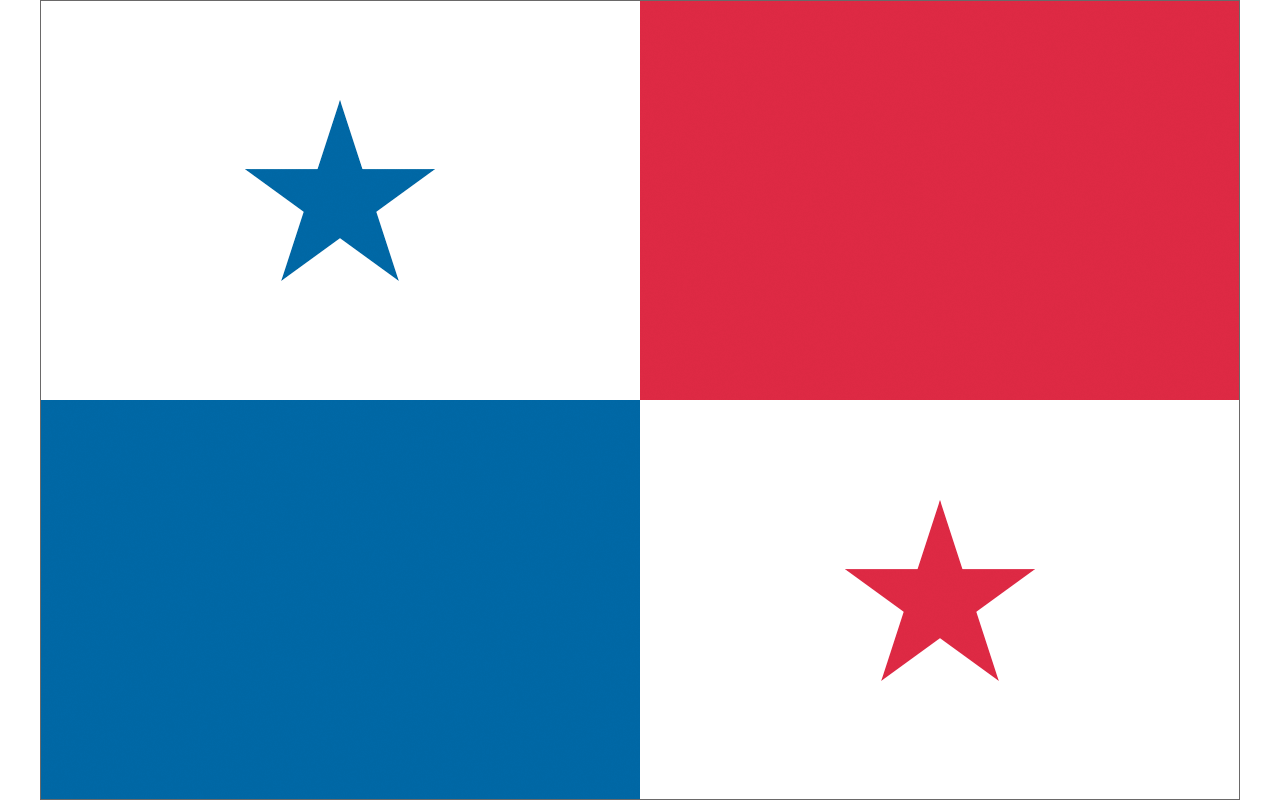
Around the World in 80 Days – Panama

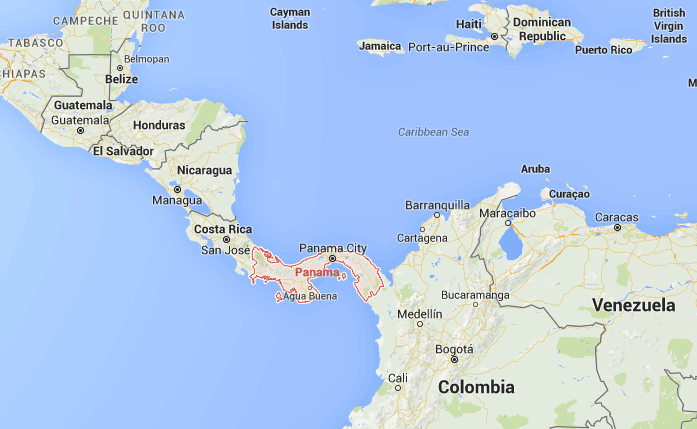
PANAMA

Central America
Capital: Panama City
Languages: Spanish/some English
Predominant Religion(s): Christianity (predominantly Catholic)

COMMON CHARACTERISTICS:

  • Panama people describe themselves as friendly, hospitable, warm, ambitious, easy going and very resourceful.
  • They have very strong family ties and usually live with parents until marriage.
  • Family events, tradition and culture are very important values they inherit from childhood.

FUN FACTS:

  • Mother Nature is BIG in Panama. About one third of the Panama land mass, more than two million acres, is designated as public parks and national preserves. Panama borders both the Pacific and the Atlantic oceans with a total of more than 900 miles of beautiful coastline. There are more than 1,000 beautiful tropical islands surrounded by sandy beaches and emerald green and blue waters with many colorful, fun coral reefs to explore. Panama has lots of fish and more game fishing records than any other country in the world and, in fact, the native word “Panama”, means…”Plentiful Fish”.
  • Our biggest city today is the capital, Panama City, bordering the Pacific Ocean with a population of about 890,000 and a total of almost 1.5 million within the metropolitan area. Bordering the Atlantic Ocean is the old city of Colon with a population of about 250,000. Cristopher Columbus on his fourth voyage to the New World in 1502, discovered Panama. In fact our two Atlantic cities of Cristobal and Colon are Spanish for Christopher Columbus. Today, Colon is home to the second largest Free Zone in the world.
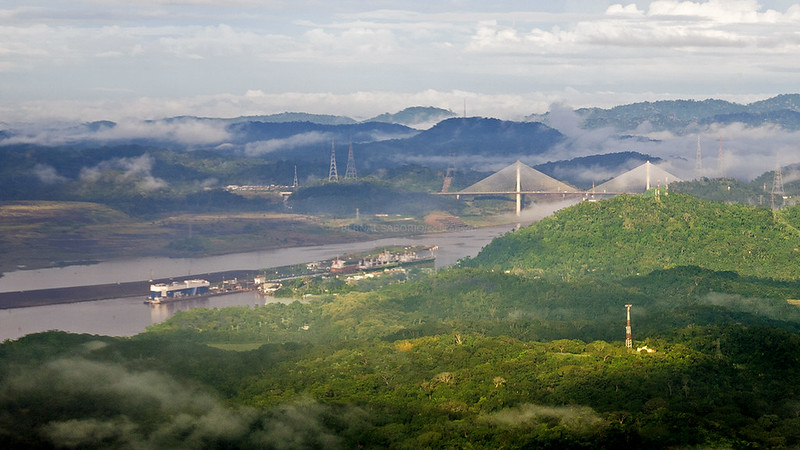
  • The Panama Canal was built in Panama as opposed to other countries because Panama has no active volcanoes, no hurricanes, no tornadoes and few earthquakes that exceed 4 or 5 on the Richter Scale. Panama became a melting pot for many cultures who arrived in the early 1900’s to help build the Canal. Today, there are more than 30,000 retired Americans who live in various parts of Panama.

Childcare:

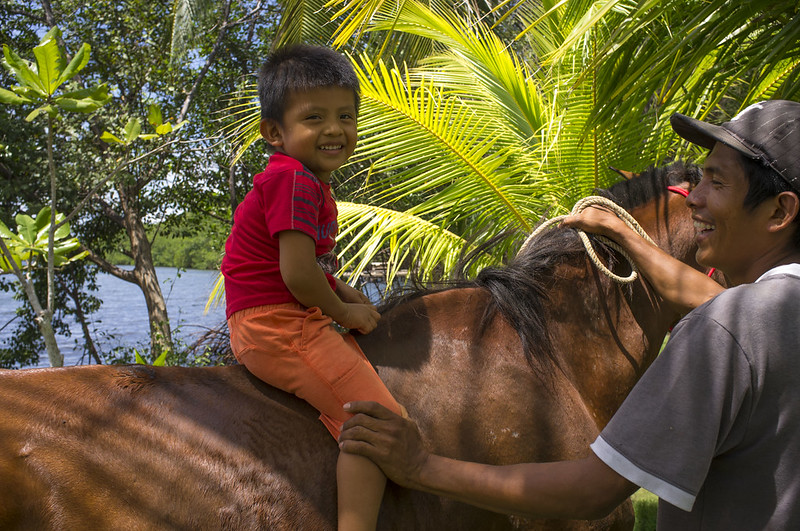
  • It is very common for Panama adolescents to take care of their siblings, cousins, neighbors’ children, etc. It is an accepted part of everyday life that older children in all families help take care of their younger siblings while their parents are at work. In fact, while the requirements to become an au pair specify 200 hours of certified childcare experience, our average Panama au pair has more than 2,000 hours and 2 years of college behind them before they apply to our program.
  • Preparing meals for children is very common and often preferred to eating out.
  • Panama families are friendly and warm and the children grow up surrounded by family, cousins, and friends, often visiting parks and enjoying the outdoors together.

Photos by: Colin & Sarah Northway {flickr}; Bernal Saborio {flickr}

Around the World in 80 Days – Spanish Shrimp & Rice Recipe

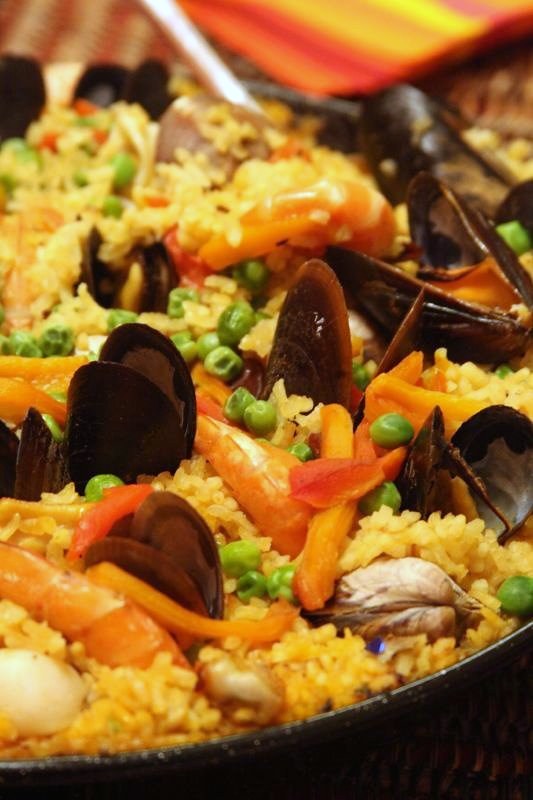
Spanish Shrimp and Rice: 

Ingredients:  

  • 3 tablespoon olive oil 
  • 2 cloves garlic 
  • 1 small onion (chopped) 
  • ½ teaspoon turmeric 
  • 1 medium tomato (chopped) 
  • 1 small carrot (diced) 
  • ½ red pepper (diced) 
  • 1 lb. of shrimp 
  • 1 ½ cup converted rice 
  • 1 tablespoon parsley 
  • ½ cup peas 

Instructions: 

  1. Heat oil in a large deep skillet over medium heat. Add onion, garlic, turmeric and cook for about 3 minutes. 
  2. Add tomato, carrot, and bell pepper and cook until tender.
  3. Add ¾ teaspoon of salt and pepper and shrimp. Cook for about 1 minute.
  4. Add 2 cups of water, rice, ½ tablespoon of parsley and bring to a boil.
  5. Lower heat to medium low, and cover skillet for about 15-20 minutes.
  6. Add remaining parsley and ½ peas and cover skillet for 5 minutes.
  7. Fluff rice and serve. 

Photo by: www.bluewaikiki.com {flickr}

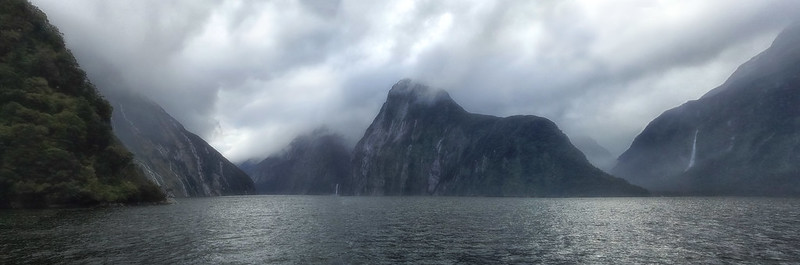
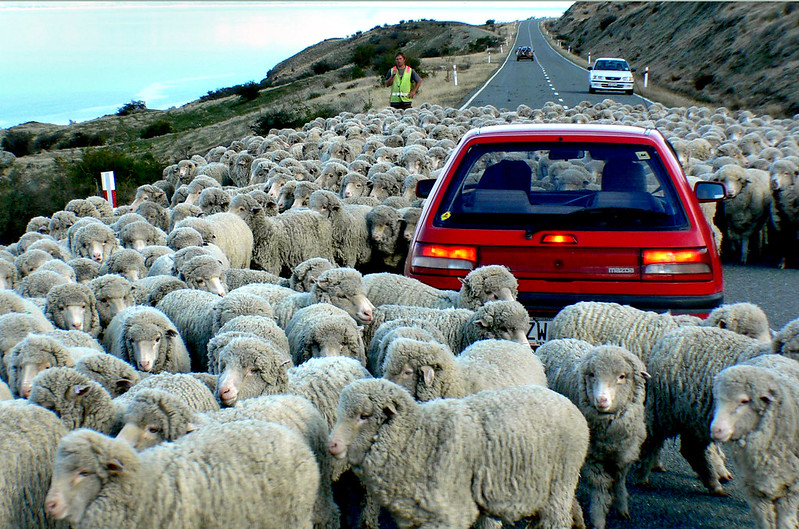
Around the World in 80 Days – New Zealand

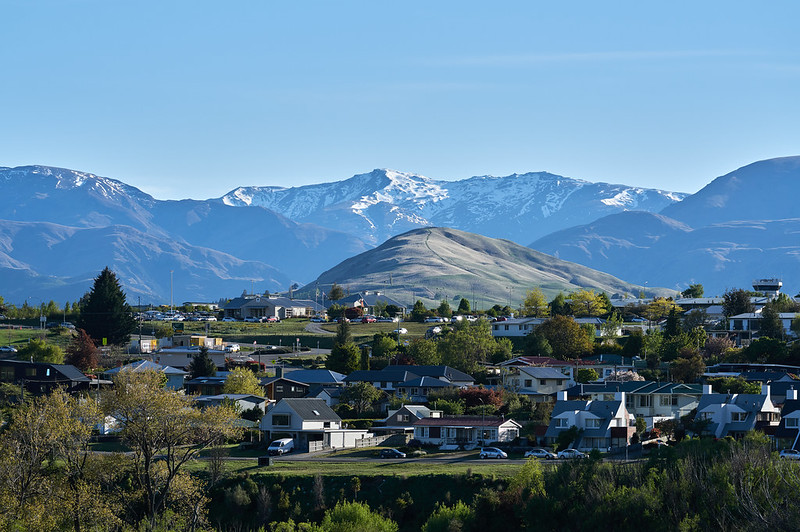
NEW ZEALAND 

Oceania
Capital: Wellington
Languages: English, Māori

Au Pairs in General

  • The idea of being an au pair is not well-known in New Zealand.
  • Applicants from New Zealand are motivated by cultural curiosity.
  • The job potential of an au pair improves upon her return to New Zealand.
  • Applicants do not have difficulty affording the program fees.
  • Young people in New Zealand have the freedom of their family to socialize and date.
  • Curfews are not common.
  • Young women are accustomed to sharing in household chores.
  • The people of New Zealand describe themselves as reserved, friendly, and hard working.
  • Others may consider New Zealanders’ style of communication confrontational. This stylistic  cultural difference should be taken into consideration when they are encouraged to speak their mind.
  • The academic year in New Zealand starts in February and ends in November.

Photos by: Pedro Szekely {flickr}, John Fowler {flickr}, Bernard Spragg NZ {flickr}

Around the World in 80 Days – Polish Chrusciki

Polish Chruściki (Angel Wings) Recipe: 

Ingredients: 

  • 2 cups of flour 
  • 4 egg yolks 
  • Pinch of salt 
  • Small spoonful of vinegar 
  • 2 tablespoon of sour cream 
  • Oil for frying 

Instructions: 

  1. Mix flour, egg yolks, salt, vinegar and sour cream. 
  2. Beat the dough with a rolling pin once ingredients come together. 
  3. Roll the dough as thin as possible
  4. Fry pieces in deep oil.  

Photo by: Blazej Pieczynski {flickr}