Tag Archives: au pairs

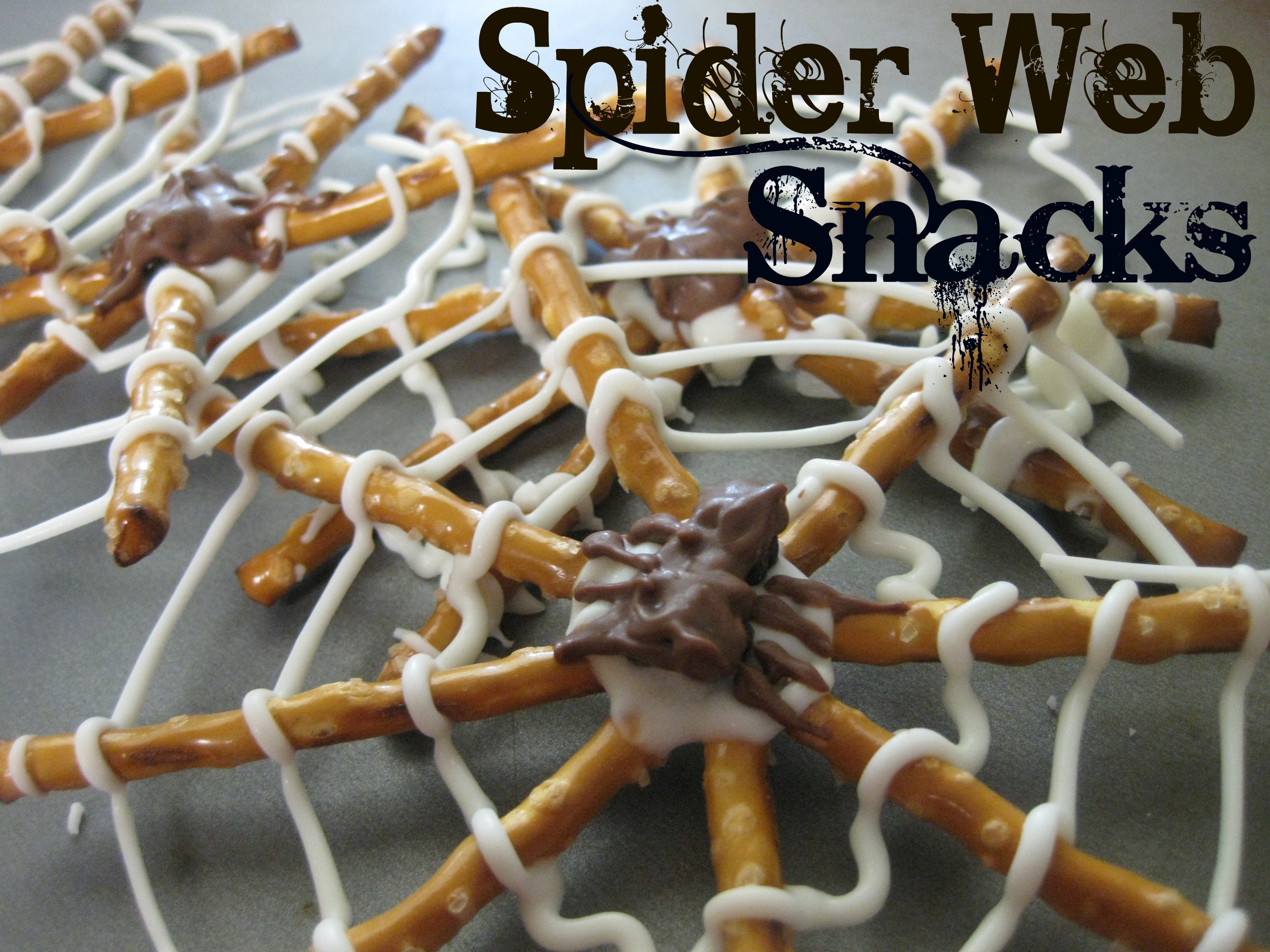
Spider Web Snacks

Spider Web Snacks

Here is a fun Hal­loween treat of the sea­son. Who knew eat­ing spi­der webs could be so yummy?! These are easy, inex­pen­sive, and cute!

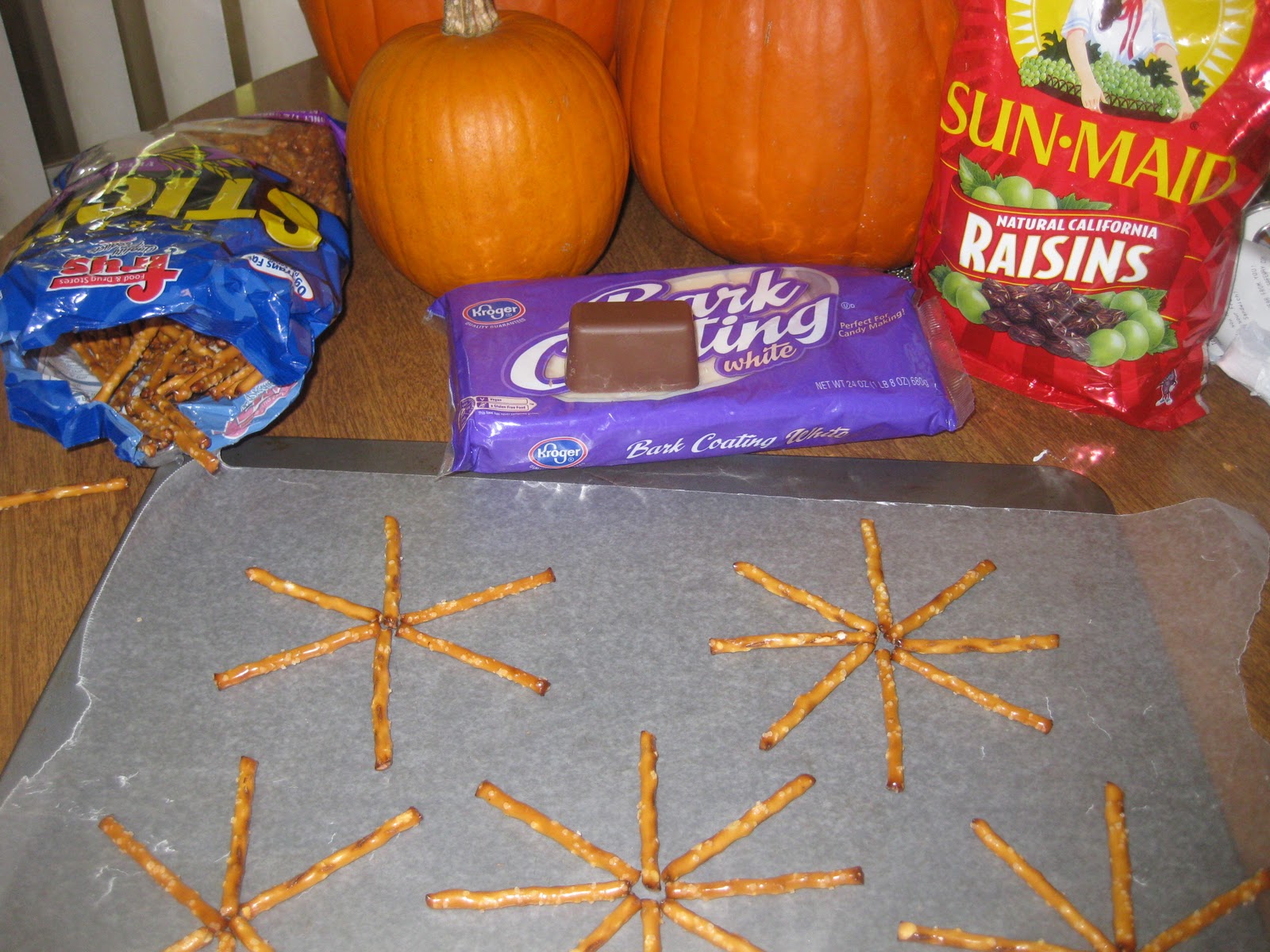
Ingre­di­ents:

– pret­zel sticks
– white chocolate/bark candy coating
– choco­late (baker’s, candy coat­ing, or chips would prob­a­bly all work)
– raisins
– bag­gie or pas­try bag
– wax paper

Direc­tions:

Lay out your pret­zels on the wax paper in “star­burst” arrange­ments of 6 or 8 pret­zels (it’s a good idea to put it on a cookie sheet for trans­port stability).

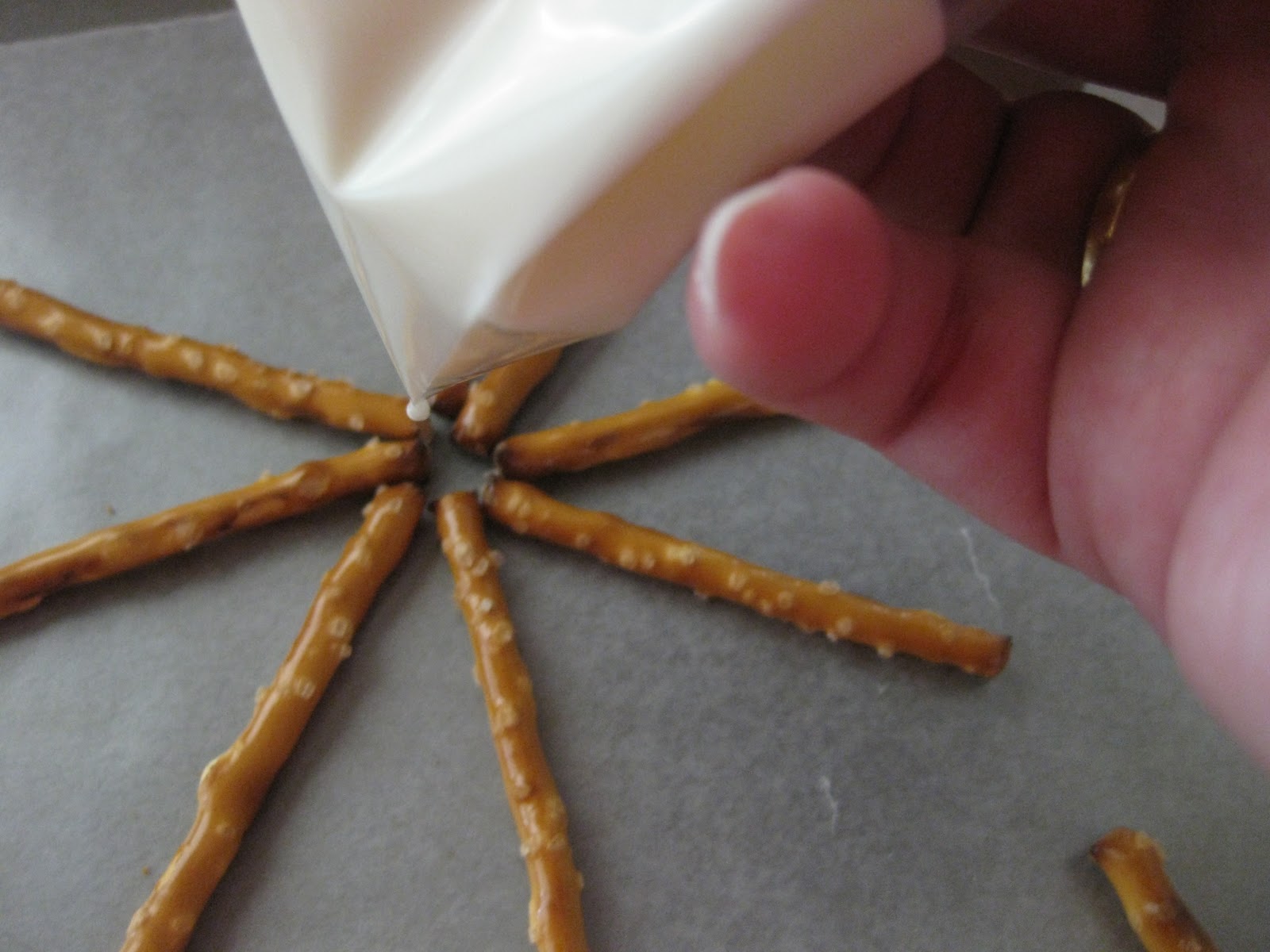
After melt­ing your white chocolate/bark coat­ing, place in a bag­gie and cut the cor­ner off (or use a pas­try bag).  Start pip­ing your choco­late in the mid­dle of the pret­zel arrange­ment, mak­ing sure to coat all the pretzels.
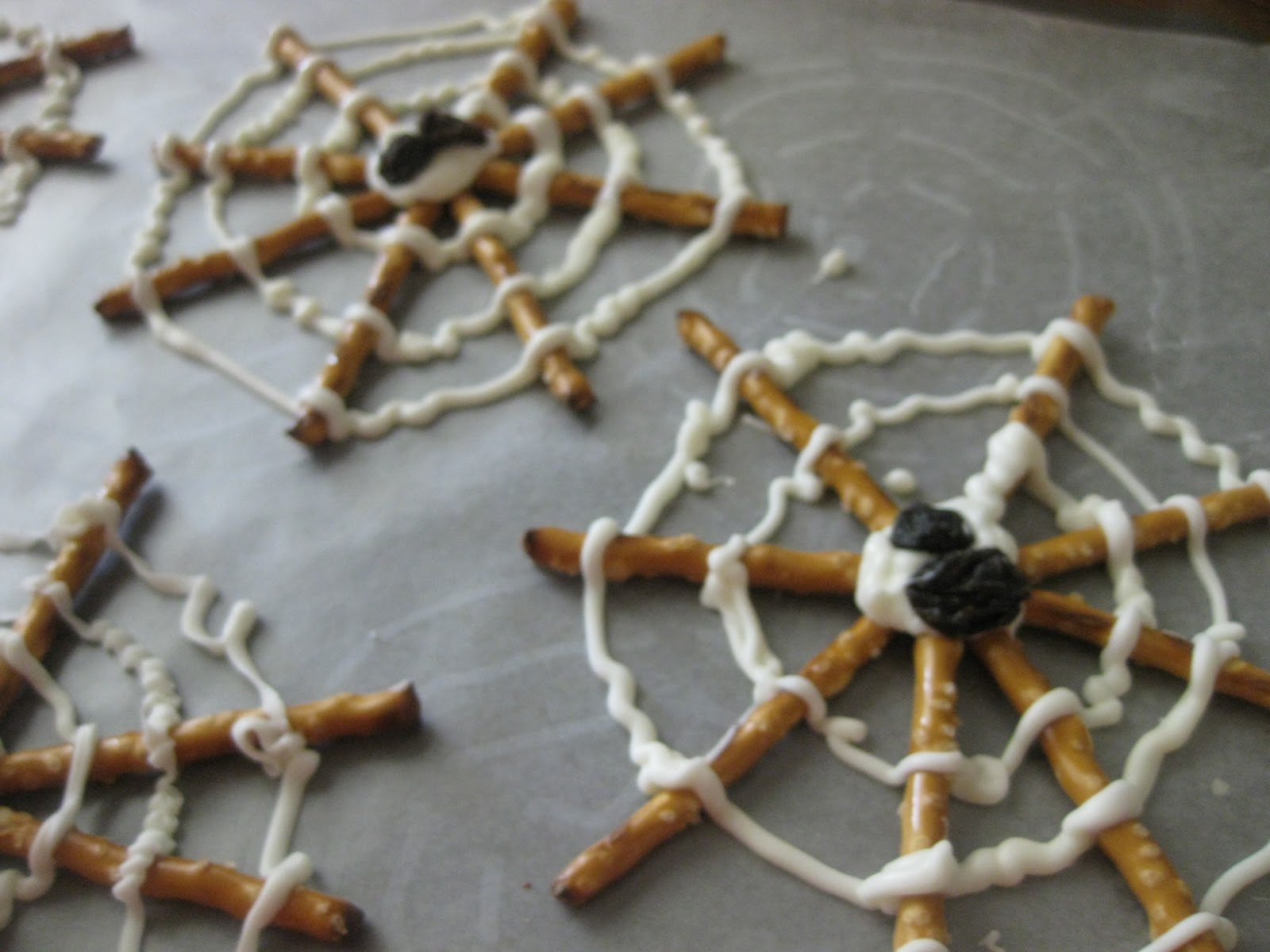
Con­tinue pip­ing out­ward around the pret­zels, until you have a web.  Then, place two raisins in the mid­dle for the body of the spider.
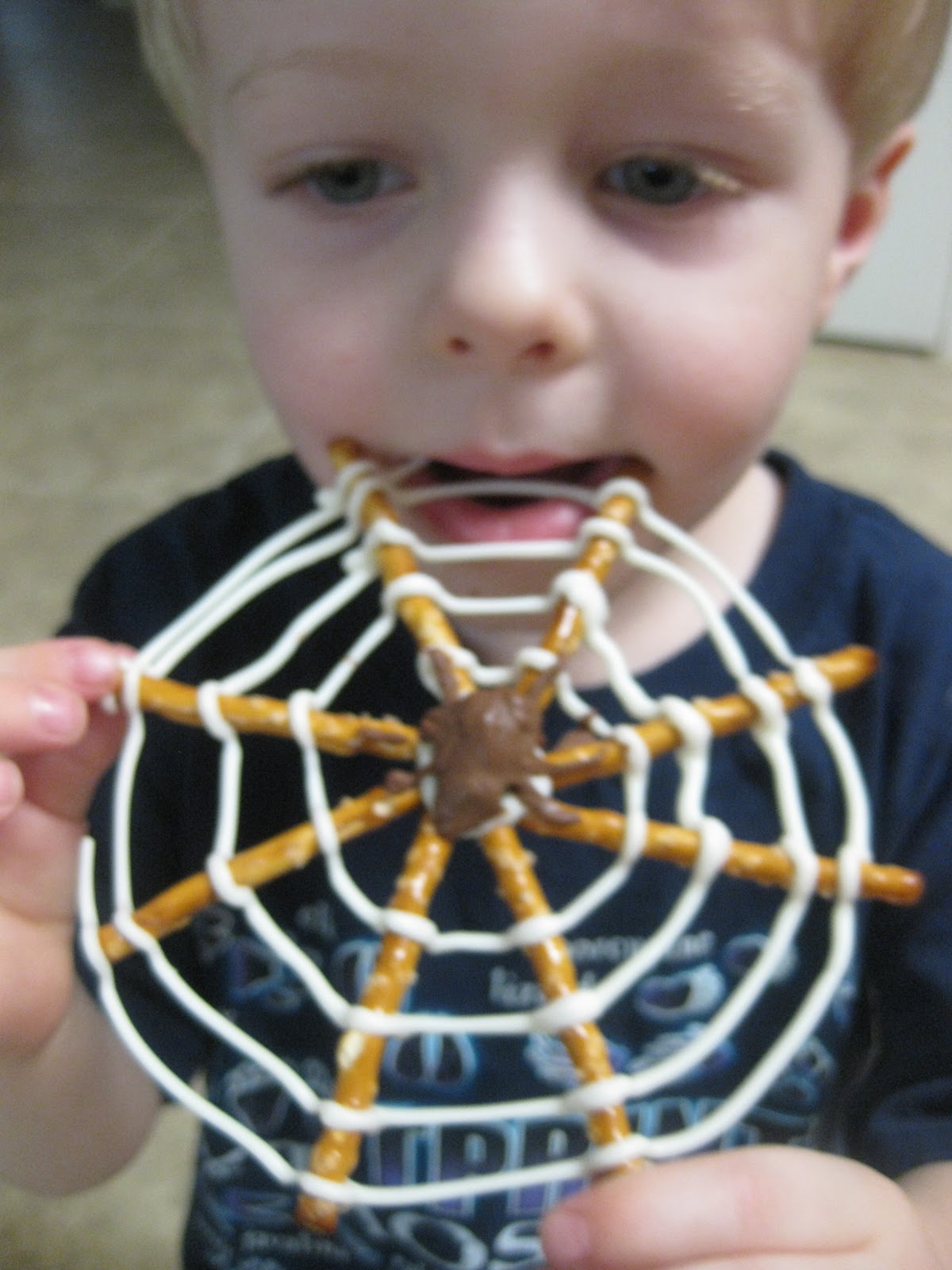
Melt your reg­u­lar choco­late and pipe over the raisins.  I found that the spi­ders turned out bet­ter when I piped the legs of the spi­der first and then did the body.  Place in the fridge for a few min­utes until the choco­late is hard.  Then, gen­tly peel back the wax paper.…and eat!

Spooky Tree Centerpiece

Spooky_Tree_centerpiece

What You’ll Need:

  • Black Plastic Cauldron
  • Floral/Craft Foam
  • Glass Gems, Rocks, or Stones
  • Halloween Tinsel Garland
  • Plastic Skeleton Garland
  • Twigs from Your Yard
  • Paint & Paint Brush (Optional)
  • Glittery Bat Ornaments
    Easy Step-by-Step Directions:
  1. First, gather a few spooky-looking twigs from your yard.
  2. Place the floral/craft foam in the center of the cauldron and fill the empty space around the foam with glass gems, rocks, or stones. This will anchor your foam and provide stability for your tree.
  3. Stick the twigs from your yard securely into the foam…make sure you push them far into the foam for stability. Arrange twigs into your desired tree shape. If you want to paint your twigs black or another color, do that next. They will be easier to paint standing upright in the foam. Set the tree aside to dry.
  4. Once the twigs are dry,cover the stones at the base of the tree with Halloween tinsel garland, then place the skeleton garland on top of the tinsel and position the skeletons however you wish.
  5. Decorate the tree with more skeletons, Halloween creepy creatures, or handmade glittery bat ornaments.

Witche’s Broom Treat Bag

2012_witch_broom_treat_bags

What You’ll Need:

  • Brown Paper Lunch Bags
  • Scissors
  • Rubber Bands
  • Ribbon, String, or Yarn
  • Sticks (from your yard)
  • Candy

  • Easy Step-by-Step Directions:
  1. Create the broom’s bristles by cutting one of the paper bags in 1⁄2″ strips from the very top (where the bag opens) to the very bottom, stopping at the part of the bag that sits flat on the table top.
  2. Lay the cut paper bag flat on the table.Place the uncut paper bag on top of the cut paper bag, so that the bottoms are sitting exactly on top of one another.
  3. Fill the uncut paper bag about one-quarter full with the candy of your choice.
  4. Put the stick in the middle of the uncut paper bag.
  5. Bring the loose strips of the cut paper bag up and around the sides of the uncut paper bag. Holding both bags tightly against the stick (about half way up) secure with a rubber band.
  6. Tie a piece of string, yarn, or ribbon tightly around the paper bags, concealing the rubber band. Trim excess paper bag.

Use bags as favors/place cards at your next Halloween or Thanksgiving party. Simply print your guests names on cardstock, cut out, and attach to the fronts of the bags!

Top Ten Outdoor Activities for Fall

Top Ten Outdoor Activities for Fall

Summer is over, and in many places the air is turning colder. As the weather changes be sure to take advantage of what the fall season has to offer. Even if you don’t live in a place that sees a lot colorful leaves, there are fun family-friendly ways to get outdoors this fall:

• Go apple picking. Sure, most of us can get apples year-round from the grocery store, but there’s nothing quite like orchard fresh apples, picked straight from the tree during harvest season. That crunchy, tangy, sweet apple flavor is at its peak during this time of year. Many commercial orchards will let you pick your own. It’s not only fun, it’s also a great way to show kids where their food comes from. Get extras for canning applesauce, or making pies. When you’re done, warm up with a delicious mulled cider.

• Go on a nature hike. Bring along a field guide to identify different kinds of trees. Look for wildlife collecting food for winter. Explain to kids how animals are starting to fatten up and grow thick, protective winter coats. Watch for migrating birds.

• Collect fall leaves. Press them into books or preserve them in glycerin (recipe below*). Paste them onto handmade paper to create greeting cards, or glue them between two pieces of wax paper to make an attractive sun catcher. Go lightly on the glue, or substitute crayon shavings to add color; use a warm iron to melt the shavings and hold the paper together.

• Take a hayride. Many farms offer hayrides during the fall. This is a great way to kick back and enjoy nature with smaller kids who may not be up for a long walk.

• Visit the pumpkin patch. Don’t buy your Halloween pumpkin from the grocery store. Go straight to the source. Kids will love wandering around the patch to pick out the perfect pumpkin. Choose a couple of big ones for jack-o-lanterns, and grab a few smaller ones for painting or general household decorations. Smaller pumpkins make great additions to fall centerpieces. Roast the seeds in your oven with a sprinkling of tasty spices, and grab a few to make pumpkin pies.

• Visit a corn maze. Many farms earn extra income for the winter by turning their cornfields into large mazes. Test your directional sense, and get some fresh air in the process. Corn mazes are fun or all ages.

• Stuff a scarecrow. Dig out an old shirt and overalls, and stuff it with leaves until firm. Add a pumpkin head (from your trip to the pumpkin patch) and you’ve got a great fall decoration.

• Fly a kite. The gusty, brisk air makes autumn a great time for flying kites. Buy one from the store, or make your own from two long sticks, strong paper, and string.

• Have a bonfire. Invite some friends over for a backyard bonfire. The chill in the air makes fall the perfect time to sit together by the warmth of a blazing fire with a nice warm mug of cocoa or cider. Be sure to get any necessary permits from your town first.

• Make a leaf pile and jump in!

*Bring a mixture of two parts water to one part glycerin to a boil in a saucepan, and pour the solution into a heat-safe container. Drop in the leaves, and gently submerge them with a wooden spoon. Place the container in a cool, dark place for up to seven days. Remove the leaves when you begin to notice a slight change in their coloring, and blot them dry with a paper towel

Make It The Best Year Ever

There are so many new faces in the cluster.  You must have heard “make this the best year ever”, but what does it really mean?  Here is a list of suggestions I gathered from my former au pairs.  They all agree that the year goes by really fast and despite having some bad days, they do miss being an au pair.  When I asked them what suggestions they wanted to share, here is what they told me:

1.  Take good care of the kids (this really was their first response!)

2.  Listen and respect your host family, be honest about your mistakes, don’t try to hide them….it will only make things worse.

3.  Travel as soon as you can, don’t procrastinate.

4.  Meet new people, try not to hang out with only au pairs from your country

5.  Enjoy every moment

6.  Be open-minded, don’t compare

7.  Don’t spend all your money on the stuff you don’t need.  It’s not easy to take it home

8.  Give it a good chance, even it you are feeling homesick, shy or nervous. Stick it out because its definitely worth it

9.  Take advantage of your free time, volunteer and help out.  The reference letter may help you get a job in the future.

10.  Pick your classes carefully.  There are some options that you will find interesting.

Enjoy your journey!

Know Your Driving Rules

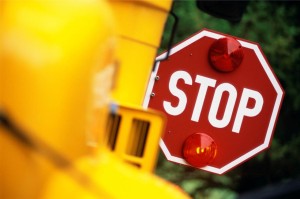
Bus-Clip-Art1

Au Pairs often find themselves driving the kids around to activities. Be sure to know the rules of the road in order to be safe and avoid getting a fine.  The rules regarding stopping for school buses are:

  • Yellow flashing lights indicate that the bus is preparing to load or unload children. You should slow down and prepare to stop the car.
  • Red flashing lights and extended stop arms indicate that the bus has stopped, and children are getting on or off. Motorists approaching from either direction must wait until the red lights stop flashing before proceeding.
  • It is against the law to pass a stopped school bus while its lights are flashing and its’ stop arm is extended. Vehicles must stop on both sides of the roadway. Failure to stop can result in high fines which the au pair has to pay, not the host family.

https://blogs.aupairinamerica.com/mdf/wp-content/uploads/sites/2/2011/09/school-bus-stop-300×199.jpg

Going Unplugged During Work Hours

Au Pairs – Imagine for a moment that you went to the hospital and you were in the care of doctors and nurses.  How would you feel if those doctors and nurses who were there to care for you were more interested in texting or using their personal computer than caring for you?  How would that make you feel, about yourself and about them?  Would you think that you were getting the treatment you deserved?  Would you feel like paying the bill after your stay?

Life as an au pair, it is a fine balance between employee and family member. You live with your host family and participate with them as a member of the family, but you also have clear responsibilities as a childcare provider. Being a childcare provider is truly one of the most important jobs I can think of, because you are helping to shape our next generation.  What message are you sending them when you would rather interact with a computer than with them? How will they feel about themselves and about you? Children feel as though everything is about them. They will see this as a rejection of them and they will be more likely to act out.

It also poses a safety concern when you are not paying enough attention to the children in your care.  Accidents happen, but when an adult care giver is close by and appropriately supervising the chances of a major injury dramatically reduce.

During work hours, the following would not be considered acceptable:

-Texting
-Talking to friends on the phone
-Chatting with friends online
-Using Skype
-IMing
-Emailing
-Updating your status on Facebook
-Checking in on Orkut, Studivz, SiempreGente or any other social media site
-Watching videos on YouTube (even my really fabulous ones)
-Tweeting on your Twitter
-Uploading photos
-Anything else on the computer unless it is going to Nickjr.com together with your host children

Think about this — even if you work 45 hours a week, that leaves you 123 hours per week for all of that other stuff, or about 70 hours (if you are getting the recommended 7-8 hours of sleep per night.)

Host Parents – You need to be clear about what you consider acceptable during work hours to avoid misunderstandings.  Also, please understand that you are dealing with a new generation of people who are very accustomed to being plugged in at all times.  Their intention is not to be rude, they don’t necessarily realize how their actions will be perceived.  Please use this information as an opportunity to begin a dialogue on the issue.

Gardening and Learning about Insects

banner_teddy_watering

Gardening

One way to spend time outside with the children (any age from two up) is to work in the garden. A garden is more than just plants. It’s also a home for birds, bees, butterflies, earthworms and other creatures that help the garden grow.

Children love to care for other living things, and plants are an easy choice that can give a great sense of accomplishment. Check with your host parents about where you can garden. Ideally, your little garden will have at least six hours of sun a day.

For outdoor gardening you will need to buy some seeds. If your garden has less than six hours of sun, choose seeds that can grow in “partial” sun. Select flower seeds that germinate quickly. The back of the seed packet will tell you how long before the plants sprout. Marigolds and morning glories are easy to grow and will come up quickly. Buying vegetable seeds will allow children to eat and share what they grow. Radishes are the fastest growing vegetable – from seed to salad in just three weeks. Green beans, tomatoes, summer squash and cucumbers are other good choices, but they do take longer. Be sure to plant extra seeds because not every one will germinate. This is an important lesson for children – mistakes are natural and an inevitable part of life. If you are starting late and want to make sure you will have a vegetable harvest, you can also buy small plants at a local plant nursery.

Before you plant the seeds, use a shovel, trowel or spade to loosen the soil. Remove weeds, stones and grass from the area. If the soil is very hard (like clay) or very sandy, it would be a good idea to add peat moss or compost to the soil. You will also need a hose or a watering can so that the children can water the earth when it doesn’t rain. If the plants look droopy or the soil feels dry, it is time to water. It is very important to water even before the plants sprout. It is best to water early in the morning or in the late afternoon.

Gardening includes other simple science lessons, all concepts that children can understand. Plants lean or turn towards light. Plants use water, but some of it evaporates into the air. What happens to the water that has evaporated? Without water plants will dry up and die. Plants come from other parts of the world, and sometimes their form gives clues to their origin. Can you find seeds that are native to your country?

When you go out into the garden, take care of the plants, pulling up weeds gently and also any sprouted seeds that are growing too close to another plant. But also look around and look closely at the ground to find birds and bugs that are a part of gardening. You can discuss how living things rely on plants to live, and how the plants need their animal friends. Birds spread seeds; earthworms loosen the dirt for the roots of the plants. What do bees do?

Look for books about gardening in the library. Carrot Seed by Ruth Krauss is a wonderful book for very young children. Take photographs of your gardening project. It will be surprising and satisfying to look at the starting photos at the end of the harvest. And don’t forget to put on sunscreen before you do your gardening!


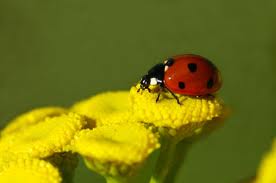
Lady BugLady Bug

Learning about insects

Talking to children about insects is a fun activity in the summer when there are so many around!

Some easy facts for you to know:

  • There are more kinds of insects than any other kind of animal.
  • They live all over the world, even in ice and snow.
  • They never have more than 3 pairs of legs. If it has more, it’s not an insect!
  • All insects come from eggs.

Outside Activity: To learn more about insects, go on a hunt outside. Collect the insects you find in a jar and then examine them with a magnifying glass.

Recipe: Make a snack of “ants on a log.” Spread peanut butter on a stick of celery and then add raisins on the top.

Read: Children up to age seven will enjoy “The Very Hungry Caterpillar” by Eric Carle. Look for it in the library.

Inside activities:

  • Make a caterpillar from a cardboard egg carton cut in half lengthwise. Turn each section upside down to paint with water-based paint. Use pipe cleaners to make the antennae. Draw or glue eyes and a mouth.
  • Make a butterfly by putting small pieces of colored tissue paper in a clear sandwich bag. Seal the bag. Squeeze the bag in half with the sealed edge at the top. Twist a tie around the middle and adjust the end of the twist tie to make antennae.

Pool Safety

Parents and families can build on their current safety systems at pools and spas by adopting additional water safety steps. Adding as many proven water safety steps as possible is the best way to assure a safe and fun experience, because you can never know which one might save a child’s life—until it does.
  • Never leave a child unattended in a pool or spa and always watch your child when he or she is in or near water
  • Teach children basic water safety tips
  • Keep children away from pool drains, pipes and other openings to avoid entrapments
  • Have a telephone close by when you or your family is using a pool or spa
  • If a child is missing, look for him or her in the pool or spa first
  • Share safety instructions with family, friends and neighbors
  • Learn how to swim and teach your child how to swim
  • Learn to perform CPR on children and adults, and update those skills regularly
  • Understand the basics of life-saving so that you can assist in a pool emergency.

If you own a pool or spa:

  • Install a four-foot or taller fence around the pool and spa and use self-closing and self-latching gates; ask your neighbors to do the same at their pools.
  • Install and use a lockable safety cover on your spa.
  • If your house serves as a fourth side of a fence around a pool, install door alarms and always use them. For additional protection, install window guards on windows facing pools or spas.
  • Install pool and gate alarms to alert you when children go near the water
  • Ensure any pool and spa you use has compliant drain covers, and ask your pool service provider if you do not know
  • Maintain pool and spa covers in good working order
  • Consider using a surface wave or underwater alarm