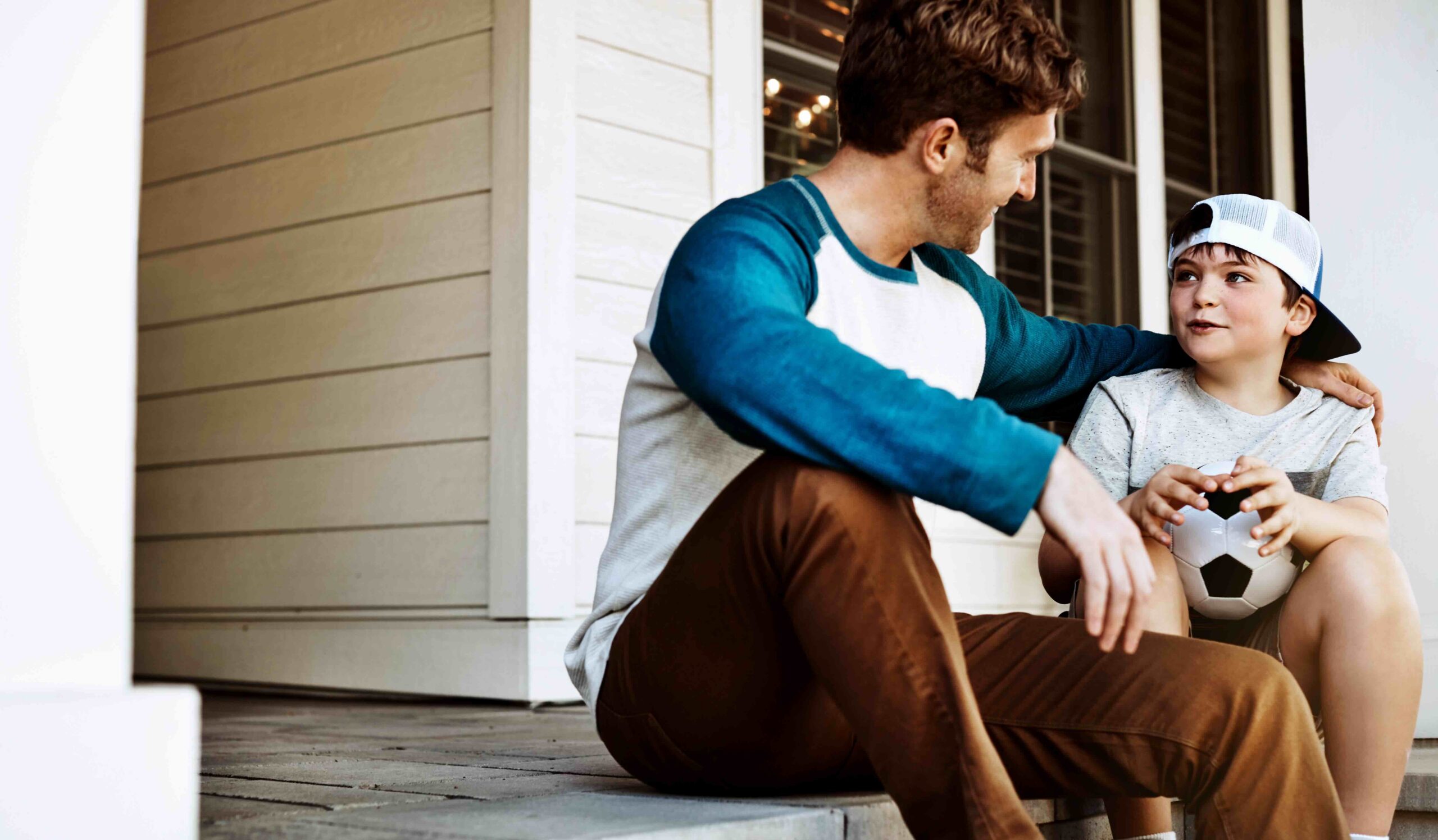
Not every child is going to fall in love with soccer, and that’s perfectly okay. But it’s important to keep in mind that the World Cup isn’t your run-of-the-mill sports tournament, and plenty of people (regardless of whether or not they like soccer) can learn so much just by watching. With teams from 48 countries coming together to compete, the tournament is full of teachable moments about working with others, handling emotions, and staying curious about the wider world—lessons that matter whether or not a child ever picks up a soccer ball.
Here are five World Cup lessons for children that parents can lean on, regardless of their interest in the sport.
Lesson 1: Teamwork
Every match offers a lesson in teaching kids teamwork; for example, players rely on each other to move the ball, cover open space, and adjust when a plan isn’t working. By pointing out these moments to your child, like how a team recovers after losing possession or how players communicate without words, you can help them translate what they’re watching into lessons they can apply to group projects, family chores, or playing with friends.
Lesson 2: Respecting Differences
With 48 countries competing, the World Cup is a natural opportunity to begin a conversation about how important it is to respect people who are different from us.to respect people who are different from us. Different languages, traditions, and playing styles are all on display at once, and none of them are better or worse than another. Helping your child notice and appreciate these differences, rather than ridiculing one side in favor of the other, plants an early seed of global citizenship for kids.
Lesson 3: Handling Wins and Losses
Every tournament brings dramatic wins and heartbreaking losses. Watching how players and fans respond, whether it’s with grace in defeat or humility in victory, gives parents a natural way to talk through big emotions with their children. These conversations about sportsmanship translate directly to how children handle disappointment or celebrate success in their own lives, from board games to school competitions.
Not every reaction on the field is graceful, and that’s worth talking about too. When a player loses their temper, argues with a referee, or shows visible frustration after a bad call, parents can use these moments to discuss what frustration and hurt feelings look like, how people recover from it, and what your child might do differently in a similar situation.

Lesson 4: Perseverance
Some of the most memorable World Cup moments come from teams that fall behind early, face a tough opponent, or have to fight back from a difficult position or unexpected injury. These moments are a great way to talk with children about the value of perseverance and demonstrate how the winning teams are often the ones that are most determined to do their best—even when faced with setbacks and hardships.
Lesson 5: Curiosity About the World
Curiosity is likely the most lasting (and fun!) lesson of all. A spark of genuine interest can come from a surprising upset, a standout player, or a new chant—setting off a domino effect of questions and learning about a country your child may have never even thought about before.
You can also point out that a player’s World Cup jersey does not always tell the whole story. Many athletes like Erling Haaland and Cristiano Ronaldo represent one country internationally while living in another country during their club season, and others, like Lamine Yamal, grow up connected to more than one culture. These details can help children see the world as more personal and connected than a simple map of teams.
For families hosting an au pair, these conversations can feel even more meaningful. A child might find themselves cheering for their own country while also rooting just as hard for their au pair’s home team. That kind of connection helps children understand the value of welcoming the world into everyday family life.
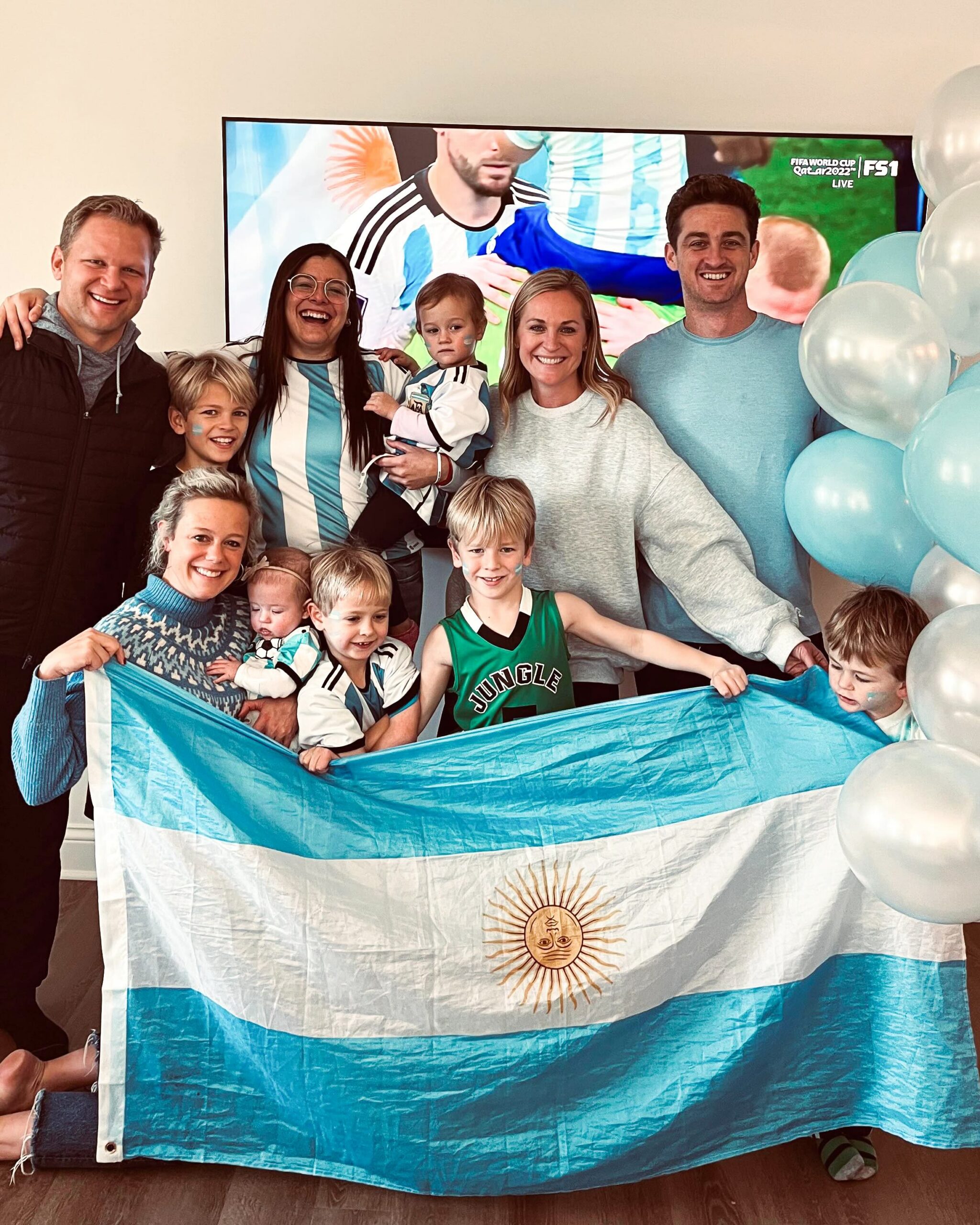
Turning These Lessons Into Everyday Habits
The World Cup is a wonderful place to kick off these lessons, but like most parenting moments, they stick best when they’re reinforced regularly rather than just once every four years. If your family is looking for simple ways to build these lessons into a regular family routine, our blog post, Family Game Night: Bring the World Cup Home, offers plenty of ideas to keep the ball rolling through the tournament and beyond.
Keep these lessons going every day, all year long—welcome cultural exchange into your family’s daily life with Au Pair in America®.
Hosting an au pair is one of the best ways to help these lessons continue long after the final whistle blows. Like many of the players who children watch, an au pair is also living away from home and adjusting to a new country, language, and culture. For many au pairs, it may be their first time away from home. Living alongside someone going through that kind of adjustment gives children ongoing, real-world practice in teamwork, respecting differences, and staying curious about the world, all through the natural rhythm of everyday family life.
Interested in bringing that kind of everyday learning home? Au Pair in America is here for your family and ready to team up!
