Monthly Archives: June 2024

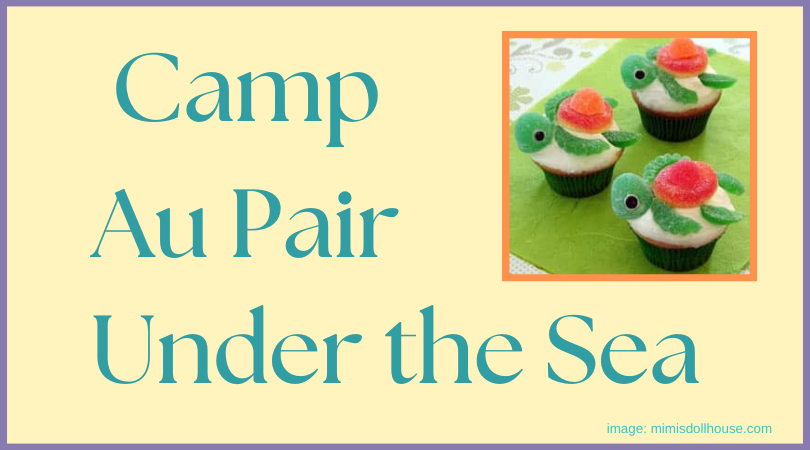
Camp Au Pair – Under the Sea

Next week’s Camp Au Pair theme is Under the Sea.
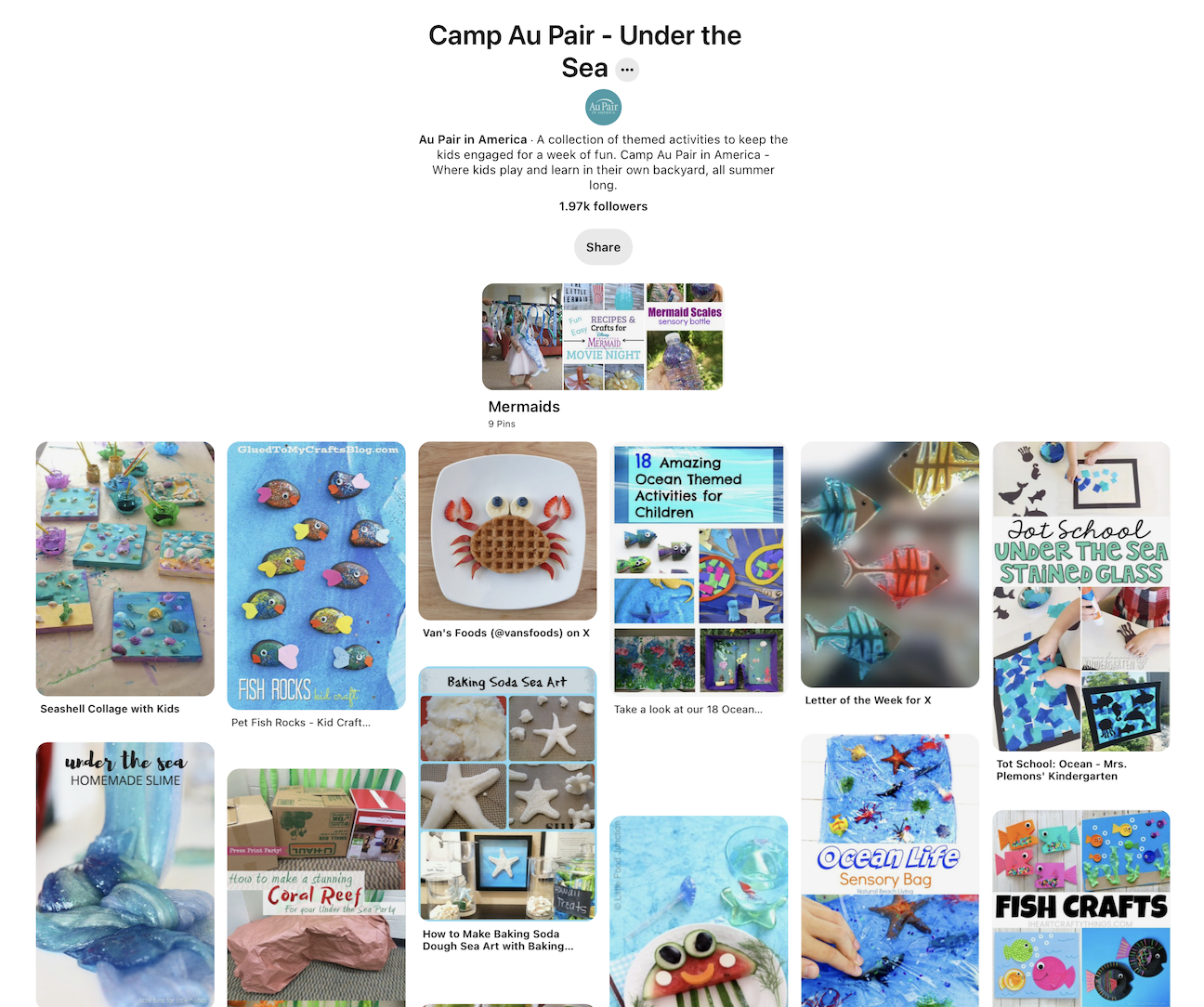
Crafts, recipes, activities, and games related to creatures who live under the sea can all be found here on the Camp Au Pair – Under the Sea pinboard.
Field Trips can be a great way for kids to learn and have new experiences. Get permission from your host parents before any outings. Check the websites before you go to be sure you understand the hours, costs, and whether advance tickets/reservations are required. Search online to see if your area has any of the following:

  • Pet or outdoor store (Bass Pro Shop) with fish tanks
  • Aquarium
  • Zoo
  • Nature Center

Online Games – NOAA has fun interactive games that help kids learn about sea turtle survival.
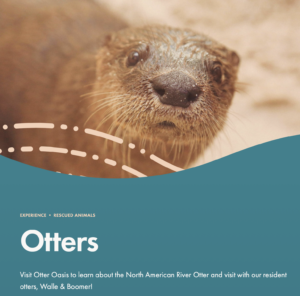
Webcams – You can do a google search for aquariums and zoos across the country (and the world) with webcams that allow you to observe sea creatures. Here are a few to get you started.

Videos – Look for fun videos on YouTube about sea creatures. There’s more to see than Baby Shark. Movies like Finding Nemo, Dolphin Tale, and The Little Mermaid also go well with this theme.

Books – Stop by your local library and look for books on sea creatures. The Rainbow Fish is a classic children’s book, your kids may already own. If not, you can find videos like this of it being read aloud.

Movies – There are lots of movies with under the sea themes.

  • A Dolphin Tale 
  • Finding Dory
  • Finding Nemo
  • Little Mermaid
  • Moana
  • Shark Tale 
  • Song of the Sea

Television – There are some episodes of children’s television shows that talk about life under the sea.

The Magic School Bus is a television series that follows Ms. Frizzle and her class as they set off on field trips. Most episodes can be found on YouTube. Here are some episodes that fit this week’s theme.

Bill Nye the Science Guy has episodes on FishMarine Animals and more on YouTube.

The Discovery Channel has an annual Shark Week. Check out 15 JAW-some Activities for Shark Week with lots of fun ideas for kids in grades 5 and up, but a few for younger kids too.

Photo: mimisdollhouse.com
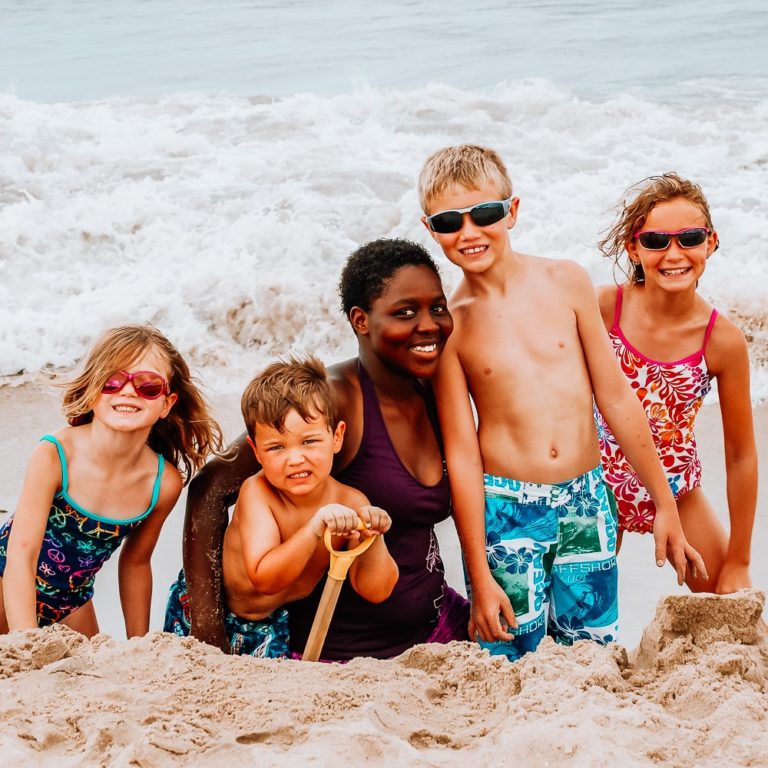
Keeping Kids Safer Around the Water

When hot summer weather hits, the pool and beaches are popular places to cool off. Allowing children to enjoy the water safely is extremely important. We have compiled some information to help host parents and au pairs when supervising children around water.

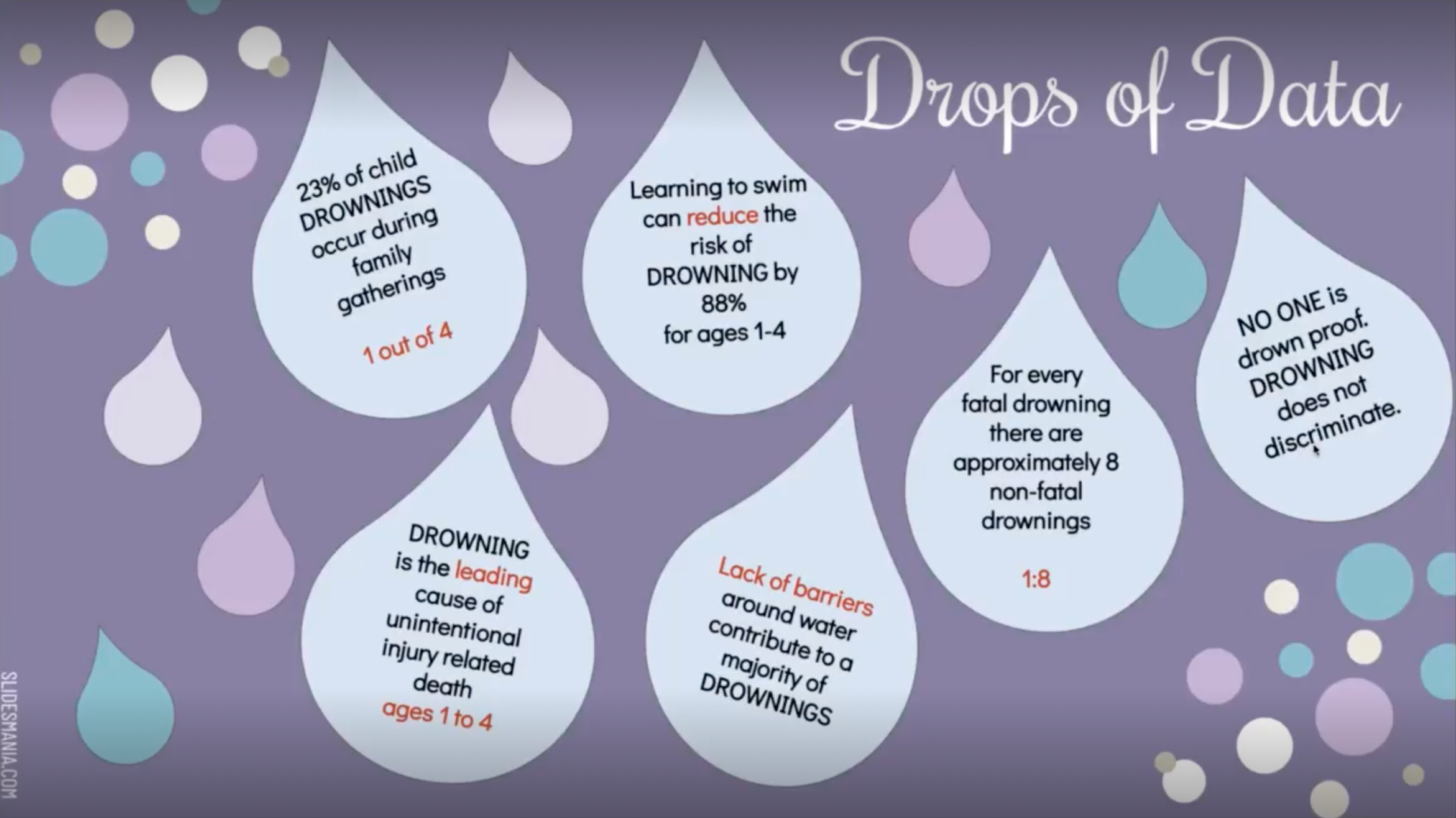
Here are some quick facts that you may find surprising…

Image from our webinar with Colin’s Hope

Below is a video from a water safety webinar Au Pair in America hosted with special guests from Colin’s Hope, a non-profit organization dedicated to keeping kids safer around the water. You can watch the webinar recording below.

When multiple adults are with children at the beach or pool, it is important to designate a specific person to watch the children. 

If that designated adult must leave the beach/pool area, they should tell another adult so that person can take over supervising children. 

Never assume that someone else is watching the children.

More Water Safety Tips

  • Never leave a child unattended near water.
  • Drowning is silent; keep your eyes on the children at all times.
  • Never be more than an arm’s length away if in the pool with a young child.
  • Make sure the fence around the pool is closed properly.
  • If you have an above-ground pool, remove the ladder when not in use.
  • Swim at the beach or lake only when a lifeguard is on duty.
  • Teach young children to swim and consider taking a water safety course for caregivers.
  • If boating, always wear a Coast Guard-approved life jacket.
  • Keep a phone close by in case there is an emergency, but stay off your cell phone to avoid distractions.
  • If you leave the area for any reason, the kids go with you.

Here is a video with info on how to spot when someone is in trouble in the water.

Photo: Au Pair in America

Camp Au Pair – Art Experiences

This week’s Camp Au Pair theme is Art Experiences.

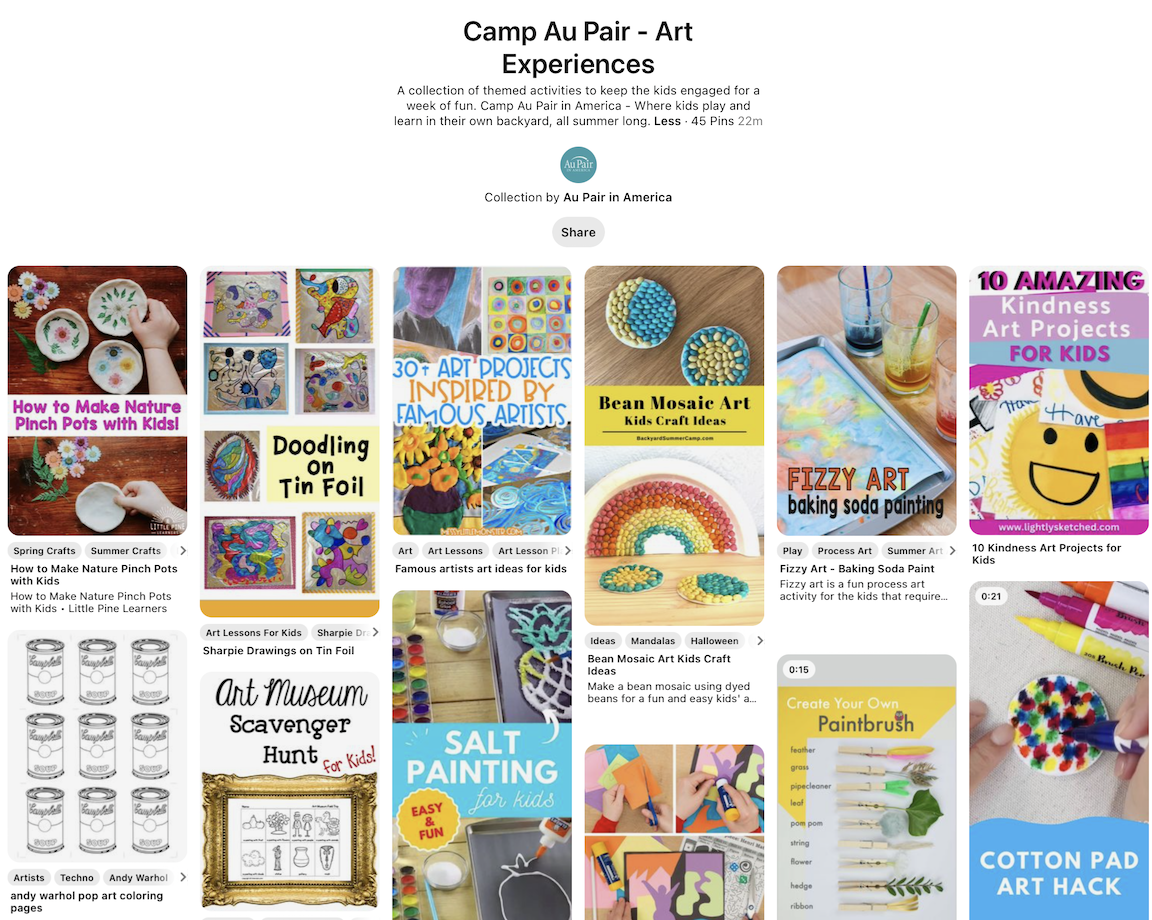
Crafts, recipes, activities, and games related to art can all be found here on the Camp Au Pair – Art Experiences pinboard.

Culture Sharing – Share any specific forms of art that are popular in your home country (mosaics, origami, murals, fabric dying, etc.) Are there any famous artists from your country that you could share their works with your host kids?

Field Trips can be a great way for kids to learn and have new experiences. Get permission from your host parents before any outings. Check the websites before you go to be sure you understand the hours, costs, and whether advance tickets/reservations are required.

Online Art Fun – Here is a great website with lots of art activities including ones for older kids.

Webcams – You can do a google search for art websites with webcams. Here are a few to get you started:

Videos – Look for fun videos on YouTube about drawing and all kinds of art.

Books – Stop by your local library and look for books on famous artists and art.

Check YouTube for books on art being read aloud:

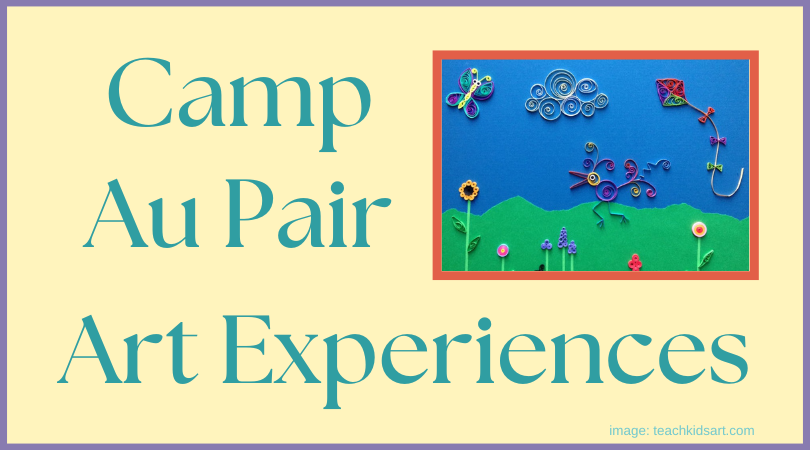
Image: teachkidsart.com

Camp Au Pair – Nature Exploration

This week’s Camp Au Pair theme is Nature Exploration.

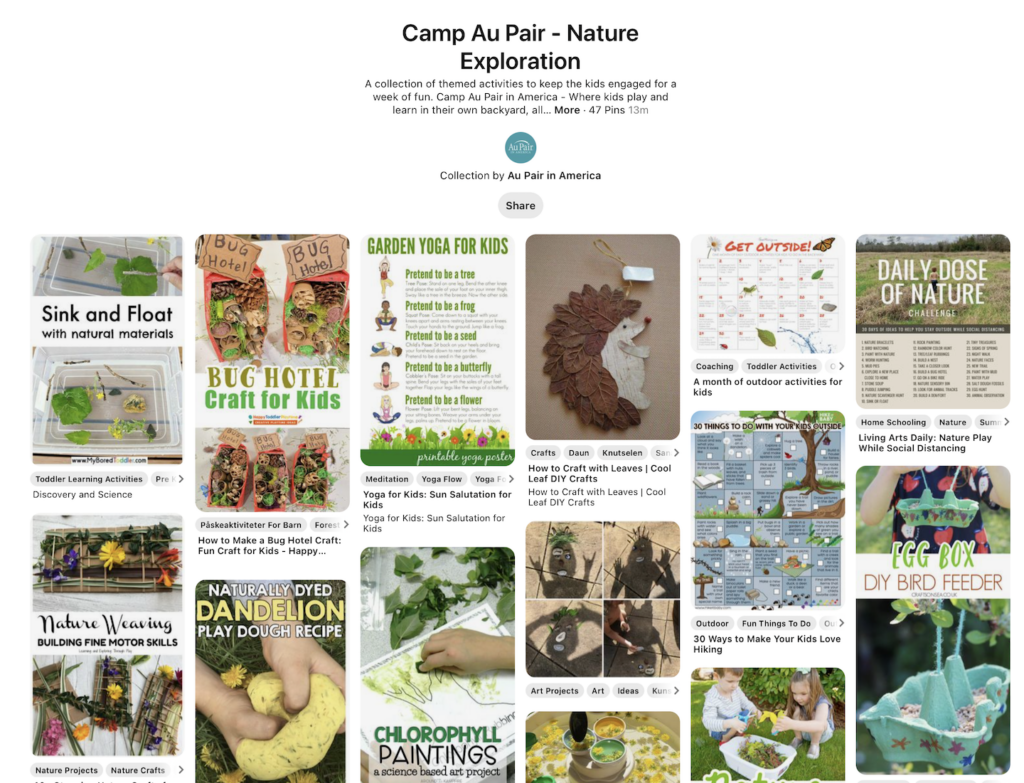
Crafts, recipes, activities, and games can all be found here on the Camp Au Pair – Nature Exploration pinboard.

Field Trips can be a great way for kids to learn and have new experiences. You can start observing nature at any local park or in your own backyard. If you want to take it a step further,  Below is a list of other local places to go explore nature. Get permission from your host parents before any outings and check websites before you go for hours and information.

Safety note: When coming inside after you have been outside exploring nature, it’s always a good idea to check the children and yourself for ticks. For more information, take a look at this post.

  • Aviary
  • Farms
  • Nature Preserve
  • Parks
  • Consider joining the Free Forest School to find outings near you.

Virtual Field Trips:

Webcams – You can do a Google search for websites with webcams that allow you to observe nature.

Videos – Look for fun videos on YouTube about nature.

Books – Check your bookshelves and/or stop by your local library and look for books on nature.  You can also find many read aloud book videos on YouTube. Here are a few to get you started.

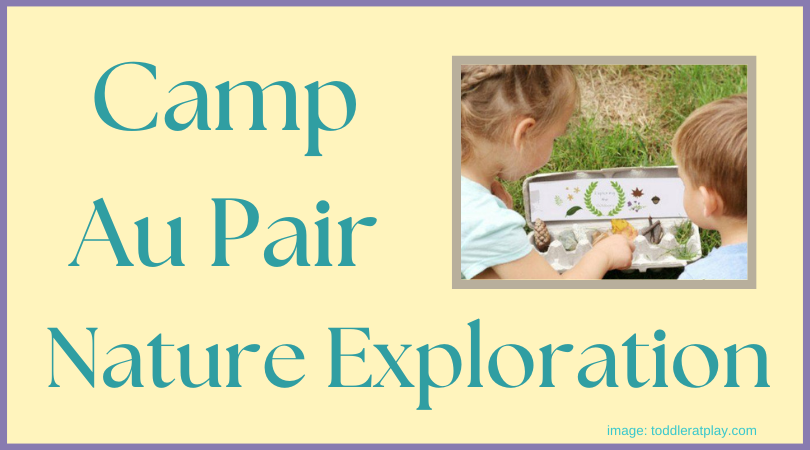
Image: toddleratplay.com

Welcome to Camp Au Pair in America!

When kids are out of school for the summer, it doesn’t take long for them to become bored and sometimes that leads to sibling squabbles and mischief. Even though they don’t realize it, they are usually missing routine and predictability in their daily schedule. One solution is to make fun plans to keep them busy! 

Each week this summer we will share a different Camp Au Pair theme. These weekly themes are designed to give you ideas to keep your host kids occupied and engaged all summer long. They will also be learning. (But shhhh, don’t tell them that part.) Check back each Friday, for the next week’s theme. This gives you a chance to make plans and gather materials for the next week. For each theme there will be crafts, games, snacks and activities. You can just use these ideas or add your own and customize the themes to fit the ages and interests of your host children.

Here are the themes you can look forward to:

  • Nature Exploration
  • Art Experiences
  • Under the Sea
  • Science (STEM)
  • Bugs & Butterflies
  • Cars and Trucks
  • Backyard Safari
  • Dinosaurs
  • Explore the World
  • Outer Space
  • Pirate Adventures
  • Princesses & Knights

Check out Summer Fun & Summer Holidays pin boards for even more ideas.

If you get some great pictures doing these activities with your host kids, please send those to your community counselor. We love to share your accomplishments and inspire other au pairs!

Let’s make this an amazing summer!

Preventing Dehydration in Hot Weather

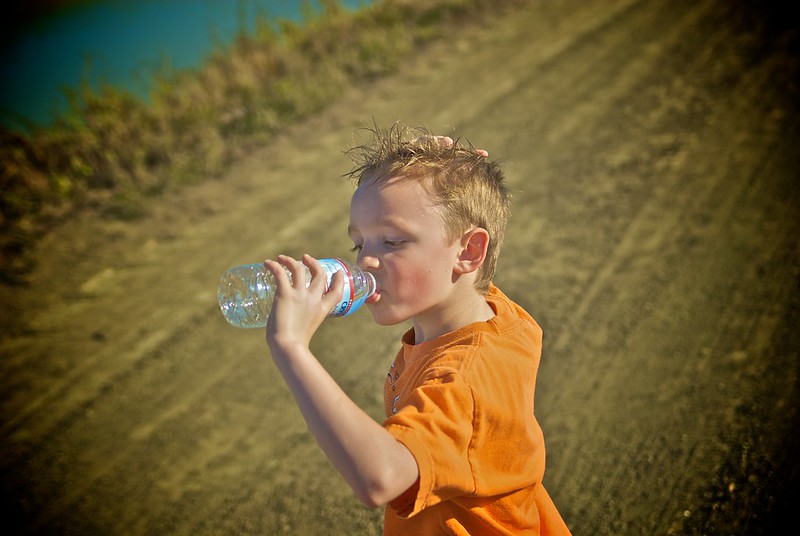
Dehydration means that the body lacks the necessary amount of fluid. Infants and small children are more likely to become dehydrated than older children or adults, because they can lose relatively more fluid quickly.

Here are some steps to take to make sure children remain hydrated in the summer months:

  • Encourage your child to drink plenty of water. On hot days, children should drink significantly more water than usual, as they are losing more due to the heat.
  • Do not wait until your child is thirsty to give him water. By the time they feel thirsty, they are already becoming dehydrated.
  • If your child is resistant to drinking enough water, have other liquids on hand for your child to drink throughout the day.
  • Be alert to changes in behavior. A child may act confused or more irritable when they are becoming dehydrated/overheated. Get them into cooler temperatures and drinking more fluids.
  • Dress your child in lightweight clothing in the summer months, particularly if she’ll be playing outdoors in warm weather. You may also consider clothes that are well ventilated as they do not trap heat close to the body.
  • When there are heat and/or air quality advisories because the weather is dangerously hot, you should avoid taking the children outdoors. Check with your host parents for further guidance on this topic.

Remember to follow these tips for yourself too, so you stay well hydrated.

Photo: Moyerphotos (Flickr)

Health & Safety: Where are Ticks?

When the weather is nice, we spend more time outdoors with the children. Playing in the back yard, at the playground, or walking on nature trails are great ways to get fresh air and exercise.

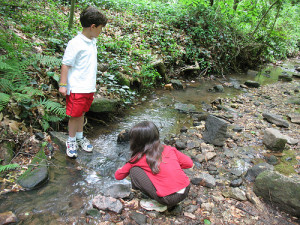
kids in woods

What are ticks? – Ticks are small mites that attach to the skin and suck blood. Click HERE to see examples of ticks.

Where are ticks commonly found? – Ticks are typically found in areas with trees, bushes, or tall grass. This includes back yards, parks, nature areas, and most places you would be spending time with the children outdoors in the nice weather.

What needs to be done? – When you return home from areas where ticks might live, carefully check the children and yourself (clothing, skin, and scalp) for ticks. If you find a tick on one of your host children, notify your host parents immediately.

Most ticks do not carry diseases, and most tick bites do not cause serious health problems. But it is important to remove a tick as soon as you find it. Removing the tick completely and cleaning the area with soap and water or antiseptic spray, may help avoid diseases such as Lyme Disease that the tick may pass on during feeding, or a skin infection where it bit you.

Click HERE for Instructions on Removing a tick from WebMD.com.

How do you reduce the risk of tick bites?  – Use a repellent with DEET on the skin. Repellents containing 20% or more DEET can protect up to several hours. Always follow product instructions. Adults should apply this product to their children, avoiding the hands, eyes, and mouth. When you come back in from outside, it’s best to wash the repellent off of the skin with soap and water. For detailed information about using DEET on children, see the American Academy of Pediatrics.

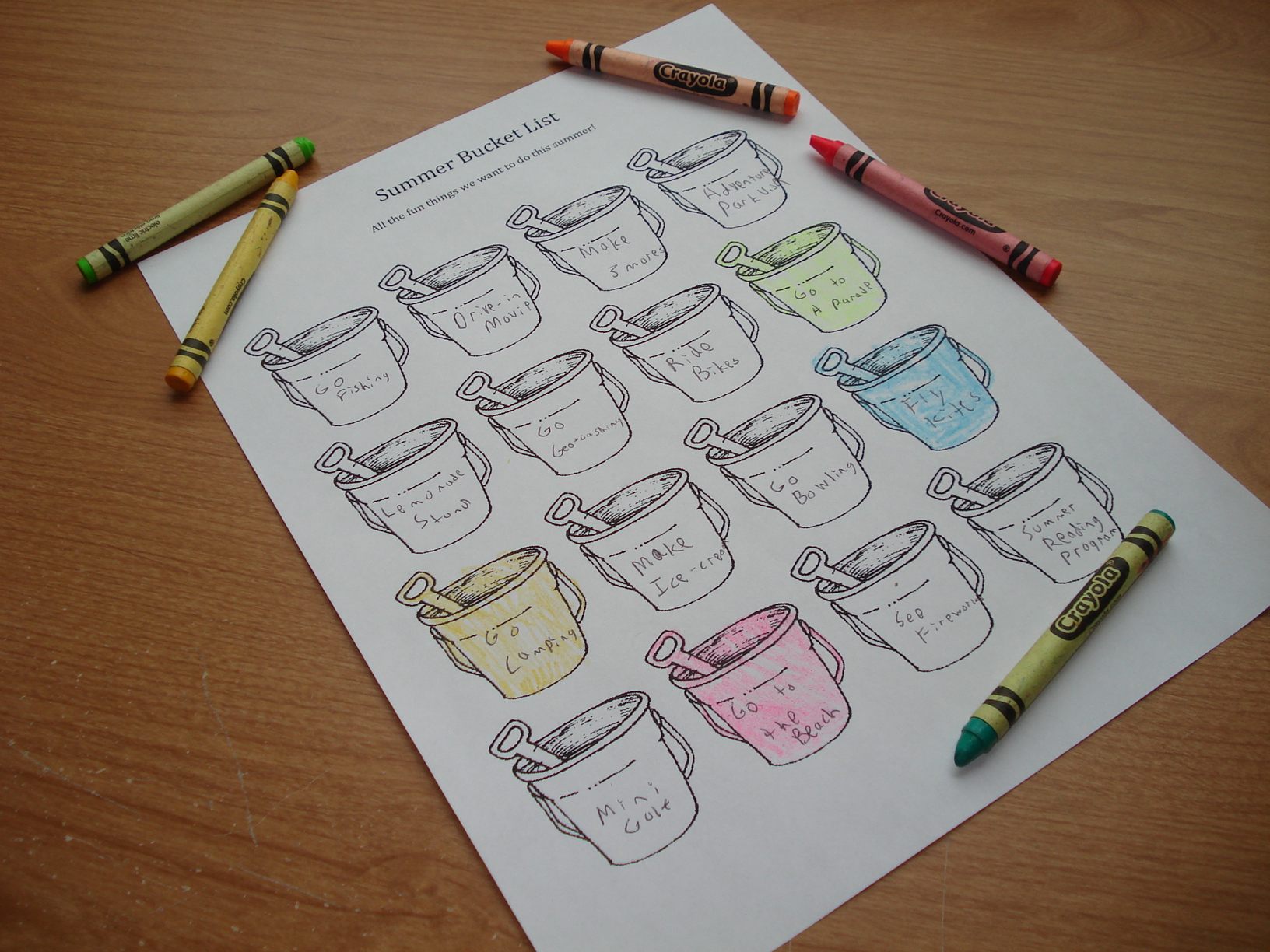
Create Your Own “Summer Bucket List”

The term “bucket list” was popularized in the 2007 Jack Nicholson/Morgan Freeman movie. The idea is to make a list of things you want to do before you “kick the bucket” (which is an idiom referring to death.) Even though that sounds kind of morbid, the idea has taken off as something much more positive and people create bucket lists to log the things they want to do at some point in their life.

With that said, a Summer Bucket list is a list of things to do before this summer ends.

Click here to print your own summer bucket list

Click here to print your own summer bucket list

Get lots of ideas to put on your list on our APIA Summer Fun Pinterest Board.