Yearly Archives: 2024

Three Ways for Au Pairs to Stay Red Cross Ready

Being knowledgeable in basic first aid and CPR is important for au pairs (and anyone else caring for children). Au Pair in America’s commitment to infant/child safety begins before au pairs arrive in the U.S., with pre-arrival training and continues throughout the au pair year.
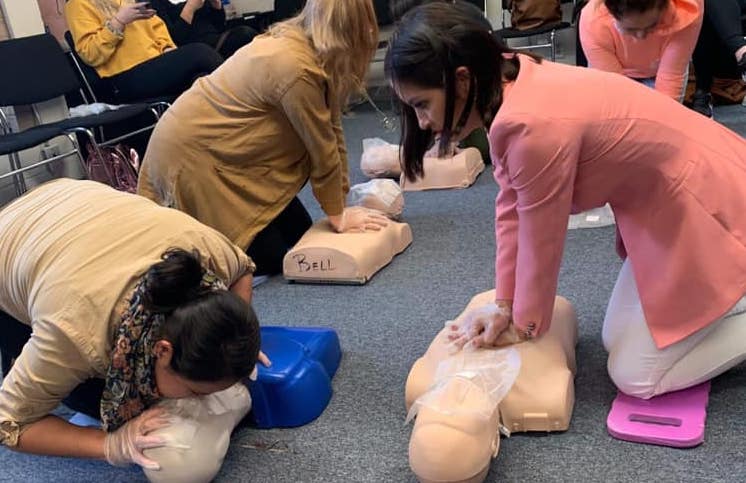
#1 Training At Orientation

Our orientation training includes a course by the American Red Cross on infant/child CPR and safety. Additional child safety training covers a variety of aspects of child safety and cultural differences in common childcare practices.

#2 Enroll in a Red Cross Certification Class

After settling into their host community, all au pairs are encouraged to complete an Infant/Child CPR and First Aid certification program. Au Pair in America will pay for this training through the American Red Cross.
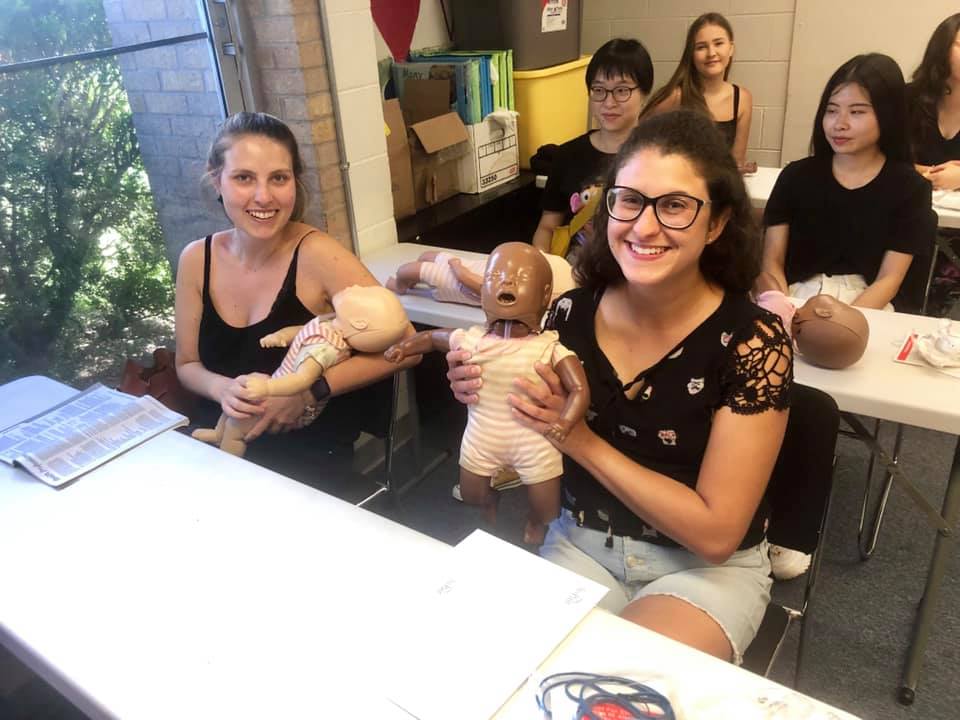
Classes are available through the Red Cross. Au Pair in America will pay for the cost of a class providing an au pair has at least six months left on her visa and is taking one of several approved childcare/child safety-related classes, such as Adult and Pediatric First Aid/CPR/AED. Au pairs should check with their community counselor and host family before signing up. Au Pair in America will register the au pair directly.

To locate a class, visit www.redcross.org/takeaclass. Email Christine or Lisa the link to the class you have selected and they will have Au Pair in America complete registration.

#3 Stay Current on Safety Information

The official American Red Cross First Aid app puts expert advice for everyday emergencies in your hand. Available for iPhone and Android devices, this app gives you instant access to the information you need to know to handle the most common first-aid emergencies. With videos, interactive quizzes, and simple step-by-step advice, it’s never been easier to know first aid. Download the app for free from the American Red Cross website or in your app store.

Photos: Robin Leon

Making Plans for Future Travel

Sometimes in the first few months after arrival, au pairs are still getting settled and making friends and not yet traveling very much. Believe it or not a year flies by faster than you think! These early months can be a great time to set goals, research places to go and make plans.

What can you do right now? Research and figure out where you want to go and what things you want to see and do there. Being a spontaneous traveler can be fun, but without planning you will often waste some of your precious vacation or weekend time figuring out things you could have looked into before you started your trip.

These ideas are to help you make general plans. You shouldn’t book any tickets or make any financial commitments until you discuss your vacation time with your host parents.

Planning can help you:

  • Save money
  • Make the best use of your time
  • Fit in more adventures
  • Visit places you might not have heard of before

It also extends the joy of the travel time. Making plans like this can help reduce homesickness by giving you things to look forward to and reminding you of why you came to the U.S. in the first place. You have many adventures ahead of you!

If you are looking for travel inspiration and ideas or a place to keep your travel ideas organized, Pinterest is a great place to start. You can browse other people’s travel and bucket list pinboards. You can create your own pinboards for places you want to go and ones you have already visited.

These three apps are all trip planners and offer the ability to research places and create your own itinerary. Each one has its own look and feel and slightly different features. Download them and see which one is the best fit for you.

Road trips can be the ultimate adventure. You set your own pace and stop to see what you want. The journey can be as much fun as your destination.

  • Road Trippers is an app that helps you plan the ultimate road trip. It helps you determine your route and find interesting stops along the way.
  • Atlas Obscura has lots of unusual places to visit all over the world.

Make plans to get the most out of your au pair year!

Photo: Natacha R. from France

Helping Young Children Learn Language

Being an au pair is an important role in a child’s life. When you are caring for young children up to 45 hours per week, there are lots of opportunities to help them learn language. Many host parents are eager for their children to be exposed to more than just English. If this is true of your host parents, you can try the suggestions below, in both English and your native language.

Below are a few tips to start with, for more ideas, check out Ready at Five.

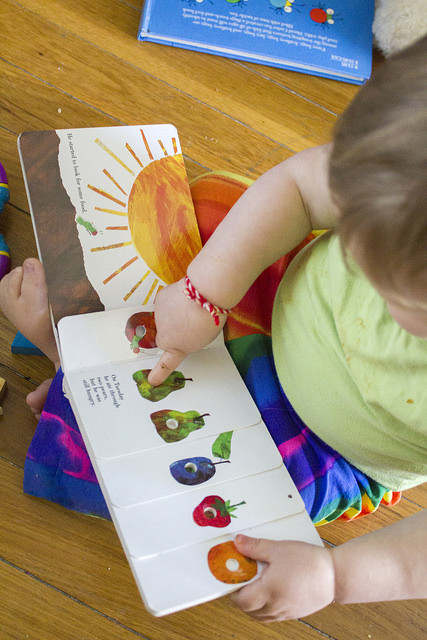
  • Read – Read to them daily, point out pictures and ask questions. Even if they can’t answer the questions, this is still modeling conversation.
  • Talk – Point out objects around them, names of their body parts, explain what you are doing and places you are going. Long before babies can speak, they benefit greatly from being spoken to.
  • Sing – You can sing childhood classics or make up your own silly songs. If you are looking for song ideas, HERE is a great website with lists of songs, lyrics and links to youtube videos* of the songs.  Children’s music is also available at the public library and even on iTunes.
  • Words – As children move from toddlers to preschoolers begin to point out written language.
  • Writing – Toddlers and preschoolers can begin to learn pre-writing skills by drawing with crayons or doing finger paints.

*The American Academy of Pediatrics recommends no screen time for babies under 18 months of age. For children 18 months to 5 years they recommend no more than 1 hour of high quality content. You can play the songs on youtube for the audio and not necessarily show the screen to the child.

Photo: Quinn Dombrowski (Flickr)

Hints for Success – Handling Expenses

Host parents often ask for suggestions on how best to handle common expenses that occur as au pairs are caring for the children.

Miscellaneous Expenses

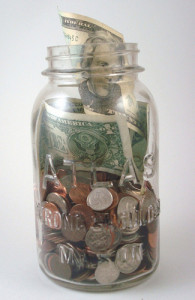
There are different ways to handle the little day-to-day expenses that come up.  Things like when an au pair takes the kids out for ice cream or picks up a gallon of milk.  Some families keep a cookie jar fund, a little cash that they set aside weekly or monthly for these types of expenses. Others give their au pair a prepaid debit card for this purpose. Below are some suggestions for avoiding problems with expenses.

Host Families

  • It’s important to be clear about how long this money should last and what types of expenses are approved.
  • Let the au pair know whether or not you expect receipts.

Au Pairs

  • Only spend the money on approved expenses.
  • If it is something you are not sure about, ask first.
  • Put your receipts in the cookie jar in place of the money to avoid any confusion.

Gas, Uber & Metro 

Transportation costs will vary depending on if your au pair is driving or taking public transportation. Here is a post dedicated to How to Handle Transportation Costs.

Photo: Andrea Travillian

Snow Days are Here!

Looking for ideas to keep the kids busy on a snow day (when they are home from school for winter weather?)

Here is a simple snow day game plan…

  1. Play in the snow. Do you wanna build a snowman? Here’s a great how-to video.
  2. Come inside and warm up with hot chocolate (don’t forget the marshmallows.)
  3. Make your own play dough.
  4. Play board games or legos together.
  5. Try some Winter Science experiments.
  6. Look for more fun things to do on the APIA Pinterest Boards:
  7. Bake cookies together or make some other fun recipe.
  8. Play in the snow again.
  9. Warm up inside taking turns on the Make a Snowflake Website.
  10. Make a blanket fort.

Stay warm & have fun!

Photo: Yuli Salinas

9 Winter Driving Tips to Stay Safe in the Ice & Snow

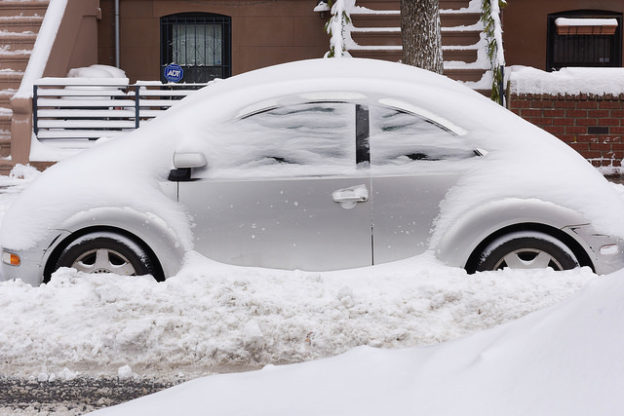
The best advice for driving in bad winter weather is not to drive at all, if you can avoid it. Don’t go out until the snow plows and sanding trucks have had a chance to do their work, and allow yourself extra time to reach your destination.

If you must drive in snowy conditions, make sure your car is prepared, and that you know how to handle road conditions. It’s a good idea to always keep at least a half tank of gas in your car, especially in winter months where you could get stranded. It’s helpful to practice winter driving techniques in a snowy, open parking lot, so you’re familiar with how your car handles. Consult your owner’s manual for tips specific to your vehicle.

Driving Safely on Icy Roads

  1. Decrease your speed and leave yourself plenty of room to stop. You should allow at least three times more space than usual between you and the car in front of you.
  2. Brake gently to avoid skidding. If your wheels start to lock up, ease off the brake.
  3. Turn on your lights to increase your visibility to other motorists.
  4. Keep your lights and windshield clean.
  5. Use low gears to keep traction, especially on hills.
  6. Don’t use cruise control or overdrive on icy roads.
  7. Be especially careful on bridges, overpasses and infrequently traveled roads, which will freeze first. Even at temperatures above freezing, if the conditions are wet, you might encounter ice in shady areas or on exposed roadways like bridges.
  8. Don’t pass snow plows and sanding trucks. The drivers have limited visibility, and you’re likely to find the road in front of them worse than the road behind.
  9. Don’t assume your vehicle can handle all conditions. Even four-wheel and front-wheel drive vehicles can encounter trouble on winter roads.

Photo: Steve Pisano (Flickr)