Yearly Archives: 2024

Health & Safety: Where are Ticks?

When the weather is nice, we spend more time outdoors with the children. Playing in the back yard, at the playground, or walking on nature trails are great ways to get fresh air and exercise.
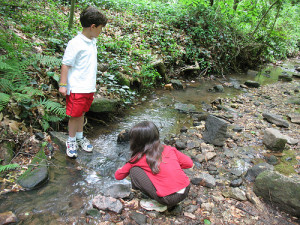
kids in woods

What are ticks? – Ticks are small mites that attach to the skin and suck blood. Click HERE to see examples of ticks.

Where are ticks commonly found? – Ticks are typically found in areas with trees, bushes, or tall grass. This includes back yards, parks, nature areas, and most places you would be spending time with the children outdoors in the nice weather.

What needs to be done? – When you return home from areas where ticks might live, carefully check the children and yourself (clothing, skin, and scalp) for ticks. If you find a tick on one of your host children, notify your host parents immediately.

Most ticks do not carry diseases, and most tick bites do not cause serious health problems. But it is important to remove a tick as soon as you find it. Removing the tick completely and cleaning the area with soap and water or antiseptic spray, may help avoid diseases such as Lyme Disease that the tick may pass on during feeding, or a skin infection where it bit you.

Click HERE for Instructions on Removing a tick from WebMD.com.

How do you reduce the risk of tick bites?  – Use a repellent with DEET on the skin. Repellents containing 20% or more DEET can protect up to several hours. Always follow product instructions. Adults should apply this product to their children, avoiding the hands, eyes, and mouth. When you come back in from outside, it’s best to wash the repellent off of the skin with soap and water. For detailed information about using DEET on children, see the American Academy of Pediatrics.
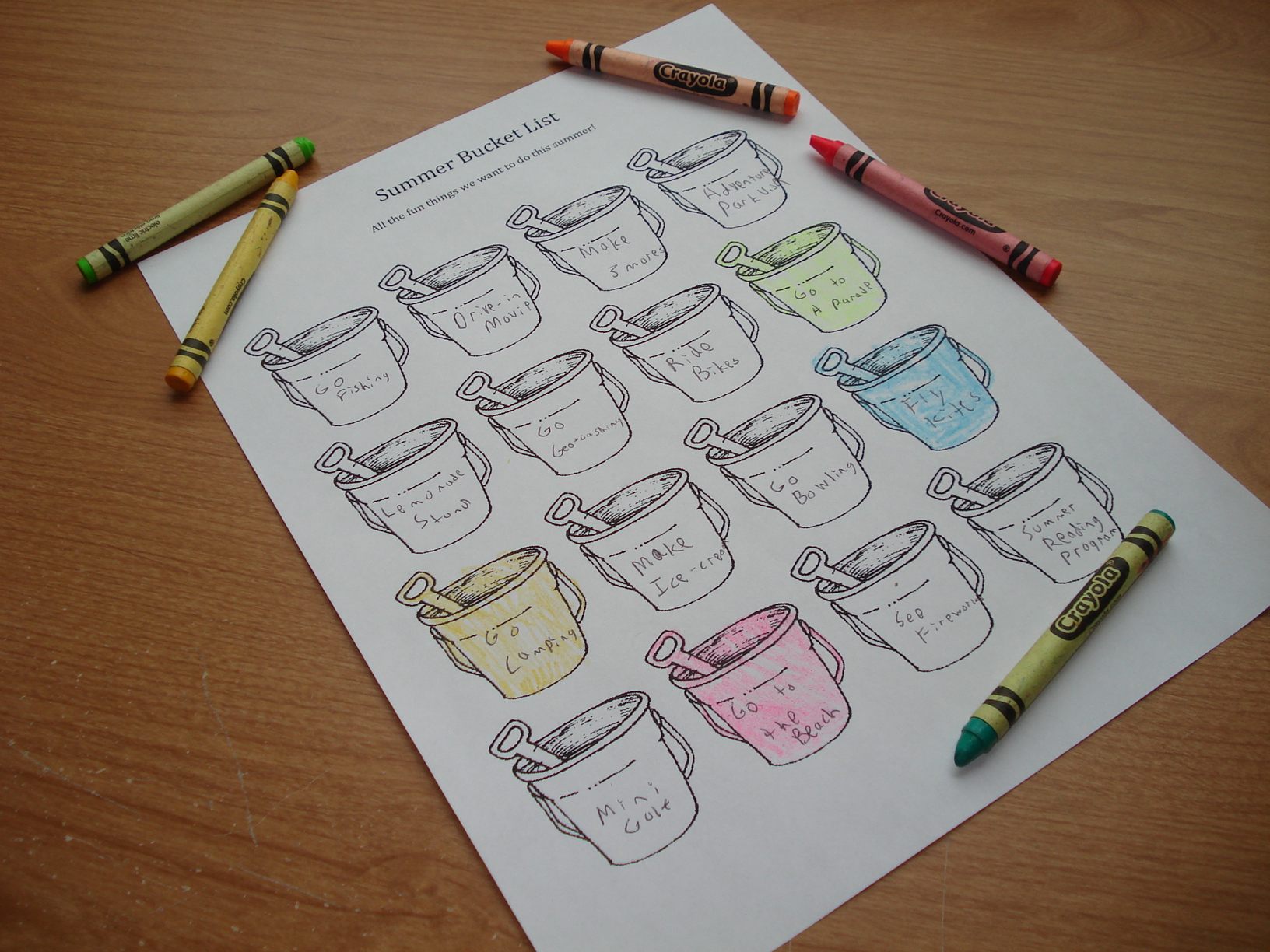
Create Your Own “Summer Bucket List”

The term “bucket list” was popularized in the 2007 Jack Nicholson/Morgan Freeman movie. The idea is to make a list of things you want to do before you “kick the bucket” (which is an idiom referring to death.) Even though that sounds kind of morbid, the idea has taken off as something much more positive and people create bucket lists to log the things they want to do at some point in their life.

With that said, a Summer Bucket list is a list of things to do before this summer ends.

Click here to print your own summer bucket list

Click here to print your own summer bucket list

Get lots of ideas to put on your list on our APIA Summer Fun Pinterest Board.

Host Family Hints to Help Your Au Pair Match Flourish

Host parents have many responsibilities and are often very busy. Maintaining a good relationship with your au pair is essential and can prevent many potential issues. Below are a few simple things you can do to help your au pair match flourish.

Communication – Make time every couple of weeks for a check-in conversation. This provides your au pair a time to bring up questions or concerns which she may be hesitant to bring up when she sees how busy you are daily. It’s also a good time for discussing any concerns you have as well as planning for upcoming events or schedule changes.

I cannot emphasize enough how important these check-in conversations are, even after an au pair has been with a host family for months and into the extension year. Having these regular conversations says to your au pair that you care about how she is feeling and how things are going. It is an investment in keeping a match healthy and successful.

Treat Your Au Pair Like a Family Member – Au pairs who feel appreciated and included as a member of their host family tend to see their host children as family members and feel very invested in their happiness and success.

Stay on Top of Payments –  Au pairs can feel very uncomfortable if they need to ask for their weekly stipend payment. This can also make them feel their work is not appreciated or you are unconcerned about their needs. Add a recurring weekly event on your calendar, use payment apps or automatic bank transfers to schedule your au pair’s stipend payment, and give yourself one less thing to remember.

The same is true for their transportation costs to cluster meetings and classes. Au pairs let their host family know about the expenses but some host parents don’t always follow through and reimburse them. Here’s a blog post with information and tips on how to handle transportation costs.

Photo: Shared by an APIA Host Family

Holiday & Vacation Reminders

“Rest and be thankful.” – William Wordsworth

Holidays and vacations are a great opportunity to rest, recharge and explore the U.S.

Memorial Day Weekend is the unofficial start of the summer travel season. Here are some reminders about program rules regarding holidays, vacations, and international travel.

Holidays

  • Host families are not required to give au pairs off on any specific holidays.
  • Each host family will make different arrangements for holidays, some au pairs will be off and others will be required to work.
  • Au pairs should not make plans for holidays without checking with their host family first.

Vacations

  • Au pairs earn 2 weeks of paid vacation during the course of their year.
  • Vacation time should be mutually agreed upon.
  • All vacations should be preplanned (at least 4 weeks in advance).
  • All au pair’s friends and/or family visits/vacations should be pre-approved prior to purchasing tickets.
  • If an au pair travels with their host family, it should be discussed in advance whether they are working or if this would be the au pair’s vacation time.
  • If an au pair travels with the host family to provide childcare:
    • It does not count as their vacation time.
    • They must have a private bedroom.
    • Their transportation, lodging, and meals should be paid for by the host family.

Travel Outside of the U.S.

Check out our Travel Resource Page for the most current information on international travel.

Photo: Leah Kelly from Pexels

Big Kids Need Interaction Too

Just because a child is old enough to occupy themselves, doesn’t mean that they should be expected to do so the majority of the time.  Host families have a certain expectation of activity and involvement for their children. Get the kids engaged and active. You can be more fun than the TV or a video game.

Problem:
But, my kids don’t want to do anything but watch TV or play video games.

Solution:
Instead of saying,  “Would you like to (fill in the blank with any activity)?  The answer will often be, “No.”

Try this, “Now we are going to (fill in the blank with any activity.) or “Would you rather do  _____ or ______?”  Make sure both the choices are good options.
Your chances of co-operation are greatly increased. Even kids who are reluctant to try new things will usually get in the spirit of things and have fun if you pick a good activity.

Problem:
I don’t know what to do with school-age kids.

Solution:
Look for ideas online. Google “activities school-age kids” or “activities tweens”. You can also take part in an au pair webinar on this topic. Below is a list of some ideas to get you started.

  • Cooking
  • Making things (check craft stores like Michael’s for kits and models that are age-appropriate)
  • Going to fun places (pottery painting, jewelry making, farms, museums, mini-golf, go-karts)*
  • Sports (soccer, tennis, swimming, bicycling, roller skating, ice skating)*
  • Let them teach you to do something they enjoy. Kids this age love being the expert.
  • Get outdoors and visit local parks.* You can even make a project of reviewing all the local parks (what kind of equipment they have, is there shade, water fountain?)  They can write this up and keep it so they remember which ones they want to go to again and which ones to skip in the future.
  • Let them help you search and plan some activities.
  • Check on the APIA Pinterest page and here on our cluster blog for ideas.
  • If you have a GPS, try taking them geocaching. Here is a website with all the details.
  • Use technology to get them off the couch and sneak in some exercise. The phone app Pokémon Go includes activities that are unlocked by taking steps. There are Pokéstops and gyms at many places they might enjoy going for walks like parks, nature trails, walk/bike paths, and downtown areas.

*Always get permission from your host parents before taking the kids places.

Travel Outside of the U.S.

7 Things to Know Before You Go

  1. There is always some risk with traveling outside of the U.S., as re-entry is at the discretion of the port of entry agent. APIA recommends that au pairs and host families discuss the risks and decide whether they are comfortable.
  2. Please review the appropriate checklist(s) from APIA, as you make your travel plans.
  3. All Au Pairs must email their scanned DS-2019 along with a Travel Validation Request Form to APIA, at least 1-2 weeks prior to international travel. Note: The travel validation ensures that you are in good standing with the program, it is not formal permission to travel. 
  4. Year 1 Au Pairs must have a valid visa to travel internationally and plan to return to the U.S. at least 2 weeks prior to the date their visa (inside their passport) says it expires. This can be different from the actual program end date.
  5. Year 2 Au Pairs may visit Canada, Mexico, and the adjacent islands due to the Automatic Revalidation Policy. No other international travel is allowed in Year 2.
  6. Travel Validation is good for the remainder of your current program year. If you have your Year 1 DS-2019 form validated for travel for one trip, you may use that same travel validation to take additional trips outside of the U.S. before Year 1 ends. Be sure to check the expiration date printed on your visa inside your passport, and return before that date.
  7. All Au Pairs must independently research whether they will need an additional visitor’s visa for their destination. This will depend on their nationality and travel destination.

Photo: Porapak Apichodilok from Pexels

Drive-In Movies

Have you ever been to a drive-in movie? Drive-in movies are outdoor theaters where the movie is projected on a large screen and you watch from your car. There were once over 4,000 drive-in theaters in the U.S., and now only a few hundred remain. For our June outdoor movie cluster meeting, there is an option to pay for a parking space to watch the movie from your car making it a drive-in movie. But, if you want the full-on experience of a drive-in movie theatre that has been operating for 68 years, check out Bengies Drive-In Theatre!

One of those still operating is right here in Maryland, in the Baltimore area. Bengies Drive-In has been in business since 1956.  It is about an hour’s drive from most parts of our cluster, but since they are the only one left in the entire state of Maryland, that doesn’t sound so far.

Bengies
Click the photo to visit their website

I have been taking my kids to drive-in movies at Bengie’s for years and we love it.

The drive-in is only open Spring-Fall.

Drive-In Movie Tips for First Timers:

  1. You pay one price whether you stay for 1, 2, or all 3 movies.  Tickets may be purchased online in advance or with cash only at the gate. Since you are driving a good distance to get there, I would recommend purchasing tickets in advance online.
  2. You may stay in your car or bring chairs to sit in front of your parking space.
  3. If you go in the summer and plan to sit outside, bring insect-repellent spray or bug bracelets.
  4. If you go in the fall when the weather is cool, bring blankets.
  5. You cannot bring in outside food or drinks unless you purchase an outside food permit. I recommend you buy your snacks there. They have some interesting options that you don’t see at a regular movie concession stand and that’s part of the full experience.
  6. Before you go, read the information on their website about headlights. You need to know how to disable your headlights when you are inside the movie.
  7. You also need to figure out how to turn your vehicle to the “accessory setting” with your key. This will allow you to listen to the movie without draining your battery. VERY IMPORTANT
  8. There is a note on their website about how to enter their address with GPS.  Their address is listed as “Middle River” not Baltimore on GPS.

As with all activities, please discuss this with your host parents first to make sure they are okay with you taking the car this far.

Protecting Privacy & Personal Information Online


We live in a time of constant sharing through social media. We often share pictures, plans of somewhere we are going, or rants about problems, without thinking much about who will see it and what could be the consequences.

Before clicking “post”, stop to think:

  • Am I violating someone’s privacy?
  • Am I sharing personal information that could put me in danger?
  • Would I want my current or a future employer to see this?

This will help protect your privacy and safety as well as that of your host family. It is important to respect your host family’s privacy and not share personal details and information.  This applies to all kinds of situations, including personal conversations, email, and social websites.

For your own safety, it is a good idea to be careful what personal information you share about yourself as well. You should not give out information like your telephone number and address to people you don’t know. Safer to meet a new friend in a public place, than to give them your address before you know them.

Once you post something on the Internet (even if you later delete it), it can show up elsewhere.  Unless you have specific permission from your host family, you should never post pictures of them, their children, or their home on the Internet.

If you have a blog or website where you post in your native language, remember there is translation software. So, even if you say it in your native language, be sure it is not something that might be misinterpreted in translation or something you will regret saying.

Reminder: Use of your phone during work hours should be very limited, just checking for messages from your host parents. It is important that you are not distracted by your phone. Giving your full attention to work keeps your host children safe and helps you form a better relationship with them.

Birthday Party Cluster Meeting & Service Project

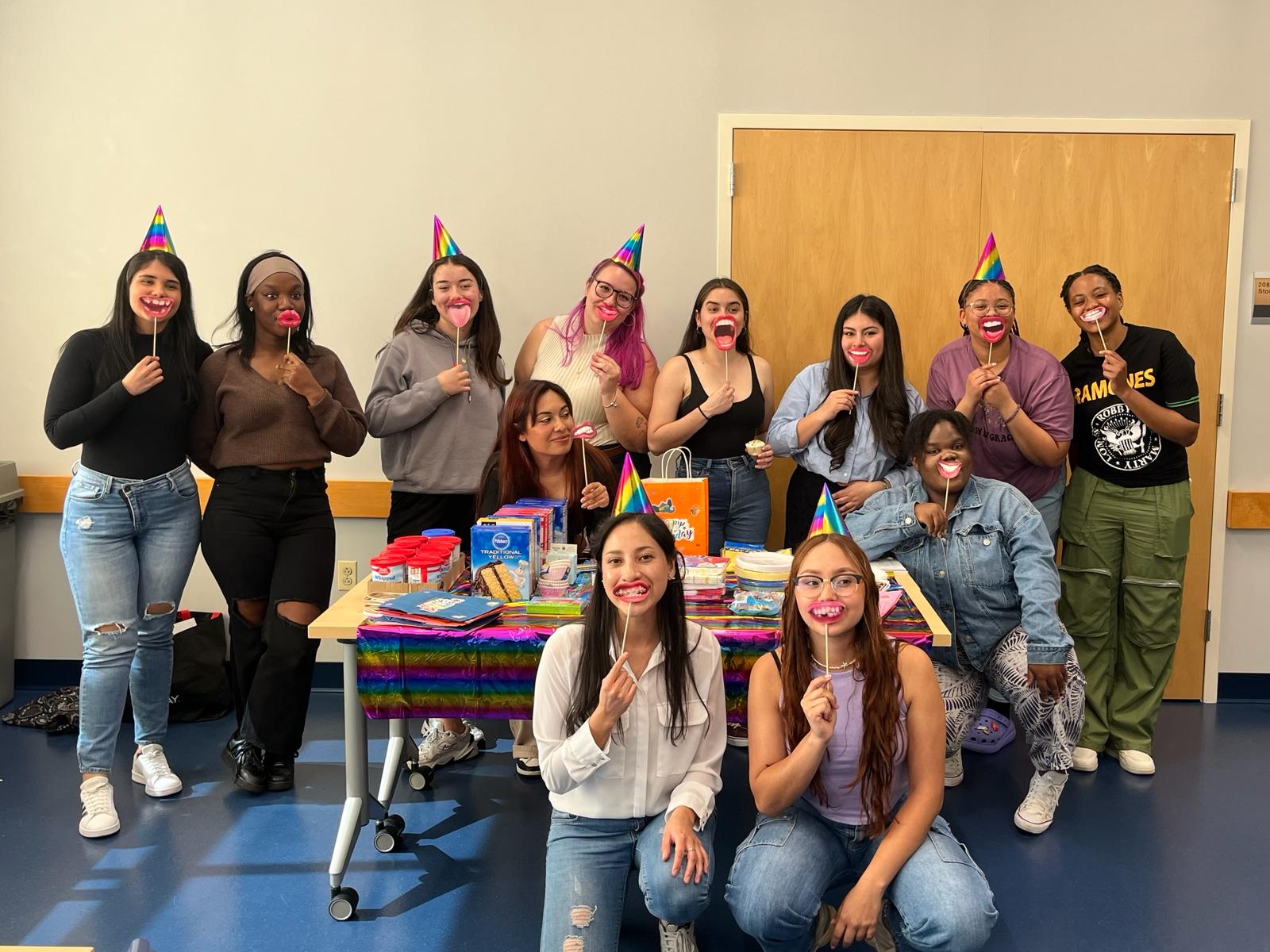
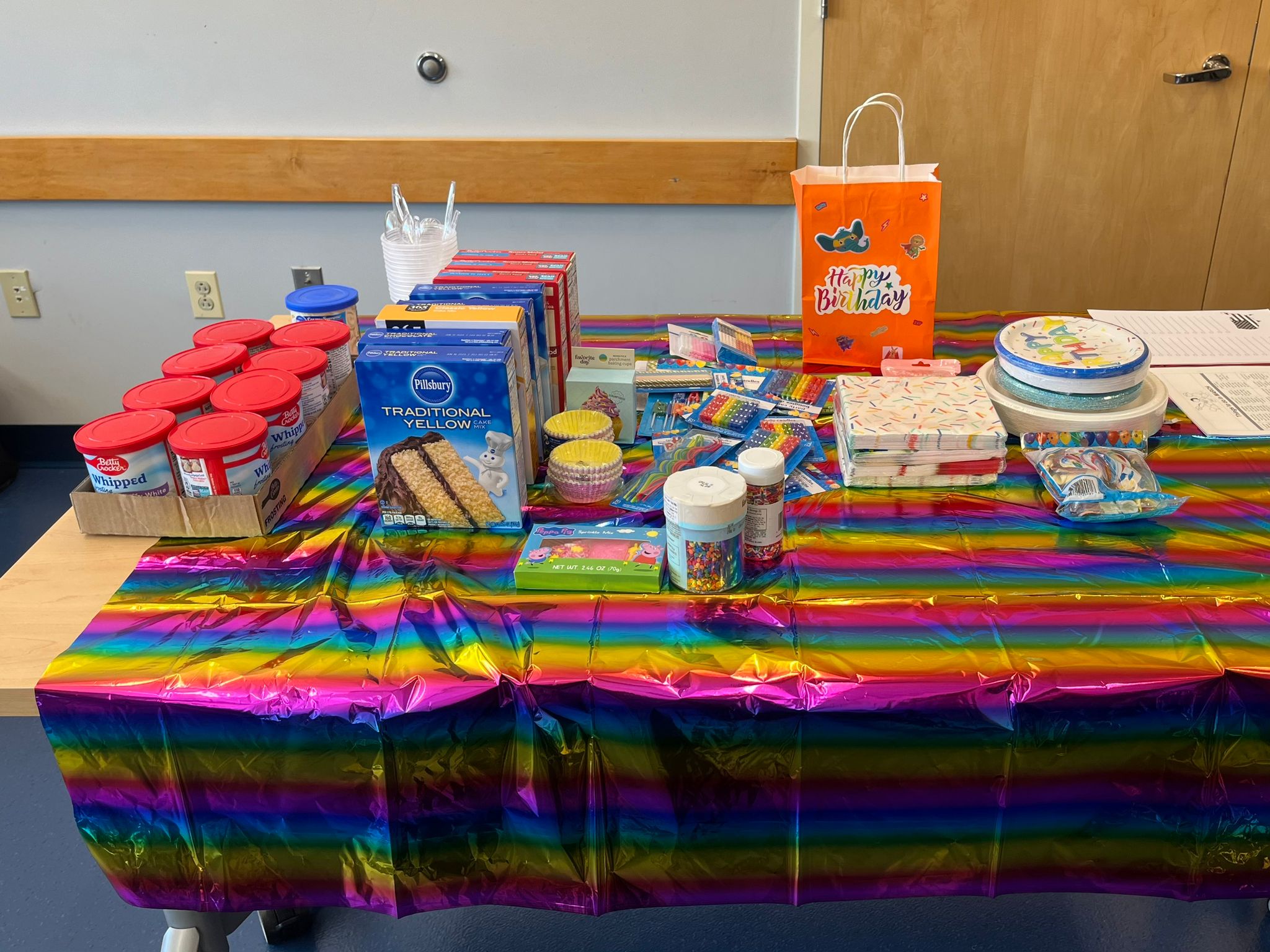
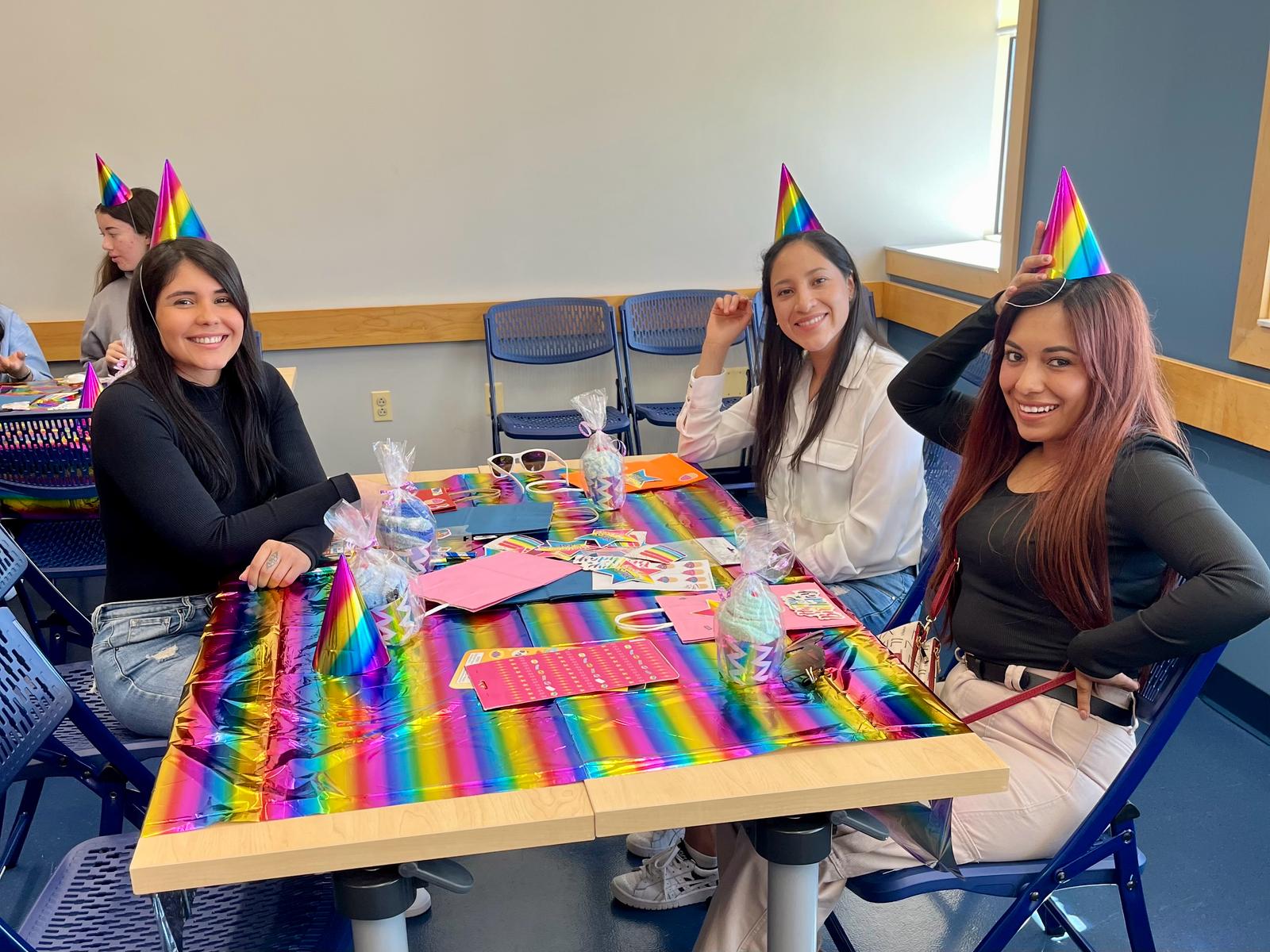
We had a cluster birthday party for our March meeting. We played birthday party games, sang Happy Birthday and enjoyed cupcakes. We also completed a service project. Everyone brought supplies to create birthday bags to donate to the local food pantry. Each bag contained a cake mix, frosting, candles, and other birthday party supplies.

Create a Spring Break Game Plan

“Game plan” means a strategy for how you are going to accomplish something.  In the case of keeping kids from getting bored and/or into trouble, the best way to prevent it is to keep them busy with safe, fun activities.

When there are days home from school, letting kids sit around watching TV or playing video games is not the best use of their time.  Providing fun alternatives will make it much easier to pull them away from the screen.

You need to make a plan of what you will do with them each day and prepare for that. Planning is very important.  You don’t want to tell them you are going someplace fun, only to arrive there and see they are not open that day or you need to bring something and you don’t have it.

If your plan includes a craft or cooking project, make sure you have:

  • All the ingredients/supplies
  • Recipe/directions

If your plan includes an outing to someplace fun, figure out:

  • How will you get there?
  • When you should leave?
  • How much it will cost?
  • What will you do for lunch?

Use some of these online resources to find activities and recipes:

Have a wonderful Spring Break!

Photos: vmiramontes (Flickr) & tasty.co