
Category Archives: Host Family Tips

5 Thanksgiving Tips for Au Pairs & Host Parents

Thanksgiving is celebrated on the fourth Thursday in November each year. Even though a few other countries also celebrate Thanksgiving, it’s still considered a uniquely American holiday, one that the au pairs look forward to experiencing. You can learn more about it here.

I really enjoyed Thanksgiving with my host family. It was as I imagined! So much food to try. Everyone got dressed up and shared what they were thankful for. It was so warm and special. The next day we began to prepare for Christmas. It was magical.” Selina from Germany

Below you will find some tips to help you have a terrific Thanksgiving experience.

 

Host Parents

1.  Please plan to include your au pair in your Thanksgiving celebration, if at all possible. Thanksgiving with an au pair offers an opportunity to consider the relevance of the history and meaning of Thanksgiving as you compare the hospitality offered by the Native Americans to the recently arrived Pilgrims and the hospitality you offer your au pair.

2.  If you are traveling or will not be able to invite your au pair to join you for Thanksgiving, give her plenty of notice and help her make alternate plans. You don’t want to leave your au pair alone over the holiday.

Au Pairs

3.  If you are invited to attend dinner, please let your family know within 5 days of the invitation, whether you are planning to attend. It is considered rude in America to accept the invitation for dinner and then change your mind later in the month. Please be thoughtful.

4.  Make sure to discuss time off during this holiday weekend. Many host families work the Friday after Thanksgiving so do not assume you have this day off or the entire weekend. Talk to your host family, BEFORE you make any plans.

5.  If your host family is unable to include you in their Thanksgiving plans, please let me know if you have trouble making other plans. You may be able to join a friend and their host family for the holiday dinner.

Bonus Tip for the Kids

If you are looking for a fun recipe to make with your au pair, check out these turkey cupcakes. Find more fun activities and recipes on the Au Pair in America Fall Holidays pinboard.

Photo: Tim Sackton (Flickr)

Going Unplugged During Work Hours

Phones, tablets, and laptops are wonderful tools to stay connected and informed, but we need to be careful not to let them become distractions from real life interactions and most importantly our responsibilities.

Au Pairs – Imagine for a moment that you went to the hospital and you were in the care of doctors and nurses.  How would you feel if those doctors and nurses who were there to care for you were more interested in texting or using their personal computer than caring for you?  How would that make you feel, about yourself and about them?  Would you think that you were getting the treatment you deserved?  Would you feel like paying the bill after your stay?

Life as an au pair, it is a fine balance between employee and family member. You live with your host family and participate with them as a member of the family, but you also have clear responsibilities as a childcare provider. Being a childcare provider is truly one of the most important jobs I can think of, because you are helping to shape our next generation.  What message are you sending them when you would rather interact with a computer than with them? How will they feel about themselves and about you? Children feel as though everything is about them. They will see this as a rejection of them and they will be more likely to act out.

It also poses a safety concern when you are not paying enough attention to the children in your care.  Accidents happen, but when an adult care giver is close by and appropriately supervising the chances of a major injury dramatically reduce.

During work hours, the following would not be considered acceptable:
-Texting*
-Talking to friends on the phone
-Chatting with friends online
-Using Skype or FaceTime
-IMing
-Emailing
-Updating your status on Facebook
-Using Snapchat, WhatsApp or any other app or social media site
-Watching videos on YouTube
-Tweeting on Twitter
-Uploading photos on Instagram
-Anything else on the computer unless it is going to Nickjr.com together with your host children

*you do want to be on the look out for texts from your host parents

Think about this — even if you work 45 hours a week, that leaves you 123 hours per week for all of that other stuff, or about 70 hours (if you are getting the recommended 7-8 hours of sleep per night.)

Host Parents – You need to be clear about what you consider acceptable during work hours to avoid misunderstandings.  Also, please understand that you are dealing with a new generation of people who are very accustomed to being plugged in at all times.  Their intention is not to be rude, they don’t necessarily realize how their actions will be perceived.  Please use this information as an opportunity to begin a dialogue on the issue.

SaveSave

SaveSave

Preventing Dehydration in Hot Weather

Dehydration means that the body lacks the necessary amount of fluid. Infants and small children are more likely to become dehydrated than older children or adults, because they can lose relatively more fluid quickly.
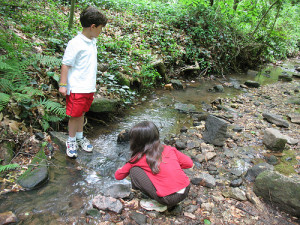


Here are some steps to take to make sure children remain hydrated in the summer months:

  • Encourage your child to drink plenty of water. On hot days, children should drink significantly more water than usual, as they are losing more due to the heat.
  • Do not wait until your child is thirsty to give him water. By the time they feel thirsty, they are already becoming dehydrated.
  • If your child is resistant to drinking enough water, have other liquids on hand for your child to drink throughout the day.
  • Be alert to changes in behavior. A child may act confused or more irritable when they are becoming dehydrated/overheated. Get them into cooler temperatures and drinking more fluids.
  • Dress your child in lightweight clothing in the summer months, particularly if she’ll be playing outdoors in warm weather. You may also consider clothes that are well ventilated as they do not trap heat close to the body.
  • When there are heat and/or air quality advisories because the weather is dangerously hot, you should avoid taking the children outdoors. Check with your host parents for further guidance on this topic.

Remember to follow these tips for yourself too, so you stay well hydrated.

Photo: Darwin Bell (Flickr)

Health & Safety – Where are Ticks?

When the weather is nice, we spend more time outdoors with the children. Playing in the back yard, at the playground or walking on nature trails are great ways to get fresh air and exercise.

kids in woods

What are ticks? – Ticks are small mites that attach themselves to skin and suck blood. Click HERE to see examples of ticks.

Where are ticks commonly found? – Ticks are normally found in areas with trees, bushes or tall grass. This includes back yards, parks, nature areas and most places you would be spending time with the children outdoors in the nice weather.

What needs to be done? – When you return home from areas where ticks might live, carefully check the children and yourself (clothing, skin and scalp) for ticks. If you find a tick on one of your host children, notify your host parents immediately.

Most ticks do not carry diseases, and most tick bites do not cause serious health problems. But it is important to remove a tick as soon as you find it. Removing the tick completely and cleaning the area with soap and water or antiseptic spray, may help avoid diseases such as Lyme Disease that the tick may pass on during feeding, or a skin infection where it bit you.

Click HERE for Instructions on Removing a tick from WebMD.com.

How do you reduce risk of tick bites?  – Use a repellent with DEET on skin. Repellents containing 20% or more DEET can protect up to several hours. Always follow product instructions. Adults should apply this product to their children, avoiding the hands, eyes, and mouth. When you come back in from outside, it’s best to wash the repellent off of skin with soap and water. For detailed information about using DEET on children, see recommendations from the American Academy of Pediatrics.

Holiday & Vacation Reminders

“Rest and be thankful.” – William Wordsworth

Holidays and vacations are a great opportunity to rest, recharge and explore the U.S.

Memorial Day Weekend is the unofficial start of summer travel season. Here are some reminders about program rules regarding holidays and vacations.

Holidays

  • Host families are not required to give au pairs any specific holidays.
  • Each host family will make different arrangements on holidays, some au pairs will be off and others will be required to work.
  • Au pairs should not make plans for holidays without checking with your host family first.

Vacations

  • Au pairs earns 2 weeks of paid vacation during the course of her year.
  • Vacation time should be mutually agreed upon.
  • All vacation should be preplanned (at least 4 weeks in advance.)
  • All au pair’s friends and/or family visits/vacations should be pre-approved prior to purchasing tickets.
  • If an au pair travels with her host family, it should be discussed in advance whether this is the au pair’s vacation or if she is working.
  • If an au pair travels with the host family to work, the host family is required to pay for her transportation, lodging and meals.

Important: If an au pair is traveling outside of the U.S., she must have her DS2019 signed (travel validation) PRIOR to her departure from the US. More information about this may be found here on the Au Pair in America website.

Photo: torbakhopper (Flickr)

Create a Spring Break Game Plan

“Game plan” means a strategy for how you are going to accomplish something.  In the case of keeping kids from getting bored and/or into trouble, the best way to prevent it is to keep them busy with safe, fun activities. When there are days home from school, letting kids sit around watching TV or play video games is not the best use of their time.  Providing fun alternatives will make it much easier to pull them away from the screen.

You need to make a plan of what you will do with them each day and prepare for that. Planning is very important.  You don’t want to tell them you are going some place fun, only to arrive there and see they are not open that day or you needed to bring something and you don’t have it.

If your plan includes a craft or cooking project, make sure you have:
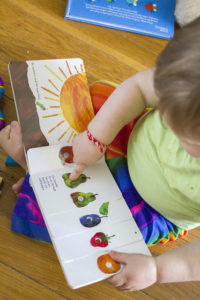
  • all the ingredients/supplies
  • recipe/directions

If your plan includes an outing to someplace fun, figure out:

  • How will you get there?
  • When you should leave?
  • How much it will cost?
  • What will you do for lunch?

Use some of these online resources to find activities and recipes:

Have a wonderful Spring Break!

Photos: Willow Gardeners & Carissa Rogers 

Helping Young Children Learn Language

Quinn Dombrowski baby readingBeing an au pair is an important role in a child’s life. When you are caring for young children up to 45 hours per week, there are lots of opportunities to help them learn language. Many host parents are eager for their children to be exposed to more than just English. If this is true of your host parents, you can try the suggestions below, in both English and your native language.
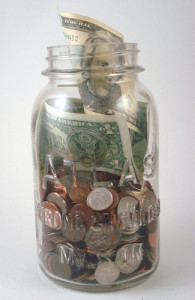
Below are a few tips to start with, for more ideas, check out Ready at Five.

  • Read – Read to them daily, point out pictures and ask questions. Even if they can’t answer the questions, this is still modeling conversation.
  • Talk – Point out objects around them, names of their body parts, explain what you are doing and places you are going. Long before babies can speak, they benefit greatly from being spoken to.
  • Sing – You can sing childhood classics or make up your own silly songs. If you are looking for song ideas, HERE is a great website with lists of songs, lyrics and links to youtube videos* of the songs.  Children’s music is also available at the public library and even on iTunes.
  • Words – As children move from toddlers to preschoolers begin to point out written language.
  • Writing – Toddlers and preschoolers can begin to learn pre-writing skills by drawing with crayons or doing finger paints.

*The American Academy of Pediatrics recommends no screen time for babies under 18 months of age. For children 18 months to 5 years they recommend no more than 1 hour of high quality content. You can play the songs on youtube for the audio and not necessarily show the screen to the child.

Photo: Quinn Dombrowski (Flickr)

Handling Expenses

Host parents often ask for suggestions on how best to handle common expenses that occur as au pairs are caring for the children.


Miscellaneous Expenses

There are different ways to handle the little day to day expenses that come up.  Things like when an au pair takes the kids out for ice cream or picks up a gallon of milk.  Some families keep a cookie jar fund, a little cash that they set aside weekly or monthly for these types of expenses. Others give their au pair a prepaid debit card for this purpose. Below are some suggestions for avoiding problems with expenses.

Host Families

  • It’s important to be clear about how long this money should last and what types of expenses are approved.
  • Let the au pair know whether or not you expect receipts.

Au Pairs

  • Only spend the money on approved expenses.
  • If it is something you are not sure about, ask first.
  • Put your receipts in the cookie jar in place of the money to avoid any confusion.

Gas and Fare Cards 

Host families are responsible for the au pair’s transportation costs: to and from classes, cluster meetings and when driving the kids.

It is a good idea to figure out how much gas an au pair will use for these trips and either put gas in the car or give a gas allowance.   If your au pair is riding to classes or cluster meetings with another au pair, you should offer to share the cost of gas.

Au pairs are responsible for their own transportation at all other times.  You should replace the amount of gas used for personal use.

Photo: Andrea Travillian

Do I Need Sports Insurance?

Trying out winter sports like ice skating, skiing and snow boarding can be very exciting, especially if this is your first time experiencing winter weather. However, you should also know the risks and be prepared.

Is it risky to do winter sports without the sports insurance?

Yes. If you have to pay your own hospital bills for a broken bone, you might be shocked at how much that would cost. I checked this website for some cost estimates.

Here are a couple examples:

  • Without medical coverage, to treat a broken arm or leg (that does not require surgery) it could cost up to $2,500.
  • Without medical coverage, to treat a broken arm or leg (requiring surgery) it could cost $16,000 or more.

I wanted to make sure everyone understands how the medical coverage works for sports related injuries. There is a list of “high-risk sports/activities” that are not covered with the basic or upgrade medical insurance plans. Those activities are only covered with the Sports Insurance Package (also known as Option A.)

The Sports Insurance Package was available pre-departure and may also be purchased at any time during your year. It takes effect within 48 hours of your enrollment and it is good for 12 months. The cost will be the same ($85) whether you have a month left or your whole year ahead of you. I recommend you pay for it early on, if you didn’t already purchase it. You never know when an opportunity might present itself and you don’t want to miss out on an adventure. You also don’t want to take a risk on getting injured and being responsible for the bill on your own.

Below is a partial list of sports that are only covered with the sports insurance package:
Football, Rugby, Scuba diving, Ski-doo,  Wakeboarding, Skydiving, Parachuting, Rock climbing, Zip line, Skate boarding, Rollerblading, Roller skating,  Ice Skating, SkiingSnowboardingSnowmobiles & Snowshoeing.  View the full list on page 3 of the insurance brochure HERE(2015 arrival au pairs) & HERE for (2016 arrival au pairs)
Note: Injuries sustained while partaking in these sports are covered with purchase of the Sports Insurance ONLY.

How to register for the Sports Insurance
Contact Lisa or Christine if you are unsure which insurance package you have or to get a copy of the Sports Insurance Enrollment Form. It takes a few days for your coverage to begin. If you think you will be doing any of these sports, you should get it now.

What to Do After an Accident

Having a car accident is a very upsetting, stressful situation. Being prepared and knowing what to do can make things a little bit easier. Make sure you know which host parent to call in case of an accident.

Make sure you have all the necessary documents in your car glove box. Read this post on What to Keep in the Car Glove Box for a detailed list.

If you have an accident: (from Edmunds.com)

  1. Keep Safety First. Drivers involved in minor accidents with no serious injuries should move cars to the side of the road and out of the way of oncoming traffic. Leaving cars parked in the middle of the road or busy intersection can result in additional accidents and injuries. If a car cannot be moved, drivers and passengers should remain in the cars with seatbelts fastened for everyone’s safety until help arrives. Make sure to turn on hazard lights and set out cones, flares or warning triangles if possible.
  2. Exchange Information. After the accident, exchange the following information: name, address, phone number, insurance company, policy number, driver license number and license plate number for the driver and the owner of each vehicle. If the driver’s name is different from the name of the insured, establish what the relationship is and take down the name and address for each individual. Also make a written description of each car, including year, make, model and color — and the exact location of the collision and how it happened. Finally, be polite but don’t tell the other drivers or the police that the accident was your fault, even if you think it was.
  3. Photograph and Document the Accident. Use your camera to document the damage to all the vehicles. Keep in mind that you want your photos to show the overall context of the accident so that you can make your case to a claims adjuster. If there were witnesses, try to get their contact information; they may be able to help you if the other drivers dispute your version of what happened.

Important Reminder: You may always phone the police (911) to ask for help, if you feel unsafe because of how the other person is behaving. Your safety is the most important thing.

Image: cygnus921 (Flickr)