Tag Archives: safety

Safety Tips for Holiday Shopping

It is easy to get distracted at this time of year and when you are distracted you are at a greater risk for holiday crime.  Here are some tips that are always a good idea, but especially important to remember at this time of year.

holiday shopping

  • Always pay attention to your surroundings.  Avoid distractions like using your cell phone or listening to music when you are coming and going from stores.
  • Avoid carrying large amounts of cash.  Take just the amount you need or use debit or credit cards.
  • Keep your money in a front pocket.  Pay close attention to your wallet when you are in crowded places like buses, metro, and elevators.
  • Be careful not to lay your purse or bags down on the floor or out of your sight at the mall.
  • Save your most expensive purchases for the end of your shopping when you will be going straight to the car.
  • Whenever possible, shop during daylight hours and if you must shop after dark, go with a friend.
  • If you are not driving yourself to go shopping, use the Metro Trip Planner before going out, to minimize time waiting at the bus stop or metro station.  Never accept a ride from a stranger.
  • Be aware of strangers approaching you for any reason. Criminals will use different methods to distract you and steal your belongings.
  • Look around the parking area when you are leaving.
  • Do not approach your car alone if there are suspicious people in the area.  You can go back into the store and ask security to walk out with you or wait for a family or other group of people to walk out at the same time as you.
  • Trust your instincts, if something seems suspicious or unsafe, you are probably right.  Following the saying, “Better Safe Than Sorry.”

What to do After an Auto Accident

Having a car accident is a very upsetting, stressful situation. Being prepared and knowing what to do can make things a little bit easier. Make sure you know which host parent to call in case of an accident.

Make sure you have all the necessary documents in your car glove box. Read this post on What to Keep in the Car Glove Box for a detailed list.

If you have an accident: (from Edmunds.com)

  1. Keep Safety First. Drivers involved in minor accidents with no serious injuries should move cars to the side of the road and out of the way of oncoming traffic. Leaving cars parked in the middle of the road or busy intersections can result in additional accidents and injuries. If a car cannot be moved, drivers and passengers should remain in the cars with seatbelts fastened for everyone’s safety until help arrives. Make sure to turn on hazard lights and set out cones, flares, or warning triangles if possible.
  2. Exchange Information. After the accident, exchange the following information: name, address, phone number, insurance company, policy number, driver license number, and license plate number for the driver and the owner of each vehicle. If the driver’s name is different from the name of the insured, establish what the relationship is and take down the name and address for each individual. Also make a written description of each car, including year, make, model and color — and the exact location of the collision and how it happened. Finally, be polite but don’t tell the other drivers or the police that the accident was your fault, even if you think it was.
  3. Photograph and Document the Accident. Use your camera to document the damage to all the vehicles. Keep in mind that you want your photos to show the overall context of the accident so that you can make your case to a claims adjuster. If there were witnesses, try to get their contact information; they may be able to help you if the other drivers dispute your version of what happened.

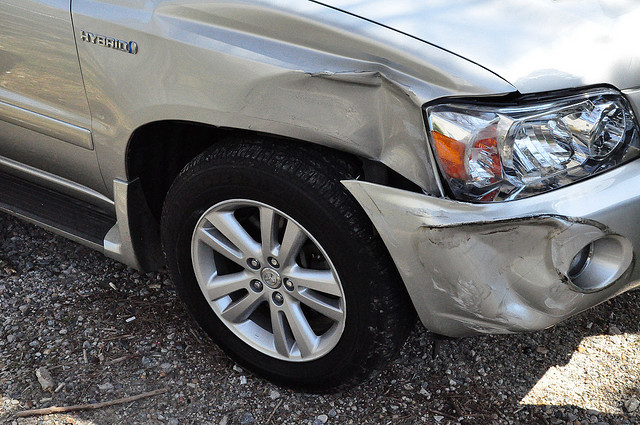
Image: cygnus921 (Flickr)

Fall Traditions: Decorating Pumpkins

A treasured fall/Halloween tradition in the United States is pumpkin carving or making “jack-o’-lanterns”. Whether this is your first time decorating a pumpkin or you are a seasoned pro, these videos have a few tips and ideas you may find helpful.

How do I make it safe for the children? If you are carving a pumpkin with your host child(ren), remember to be very careful with them around sharp tools. You can purchase kid-safe pumpkin carving tools that cut without a sharp blade. If you don’t have those, let kids help with all of the tasks that don’t involve a knife such as: picking the pumpkin, scooping out the insides, choosing the design and adding any other decorative touches. You can buy or print pumpkin templates online and school aged kids can use a thumbtack to mark the pattern on the pumpkin. Here you can find a free template and instructions on how to do this.

How long do they last? Carved jack-o-lanterns begin to deteriorate after just a few days outside (depending on the weather). Temperatures over 60˚F (15˚C), rain, and freezing then thawing all make them rot more quickly. So, if you want your pumpkin to be fresh on the big night, don’t carve it more than a few days before Halloween and/or keep it in a cool place.

Check out Au Pair in America’s Halloween Fun Pinterest board and our Fall Bucket List for more fall traditions and activities to try.

Here are video readings of two of my favorite pumpkin stories.

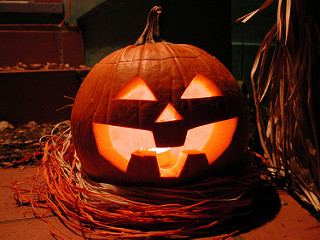
Image: Jeff Kramer

October is Fire Prevention Month

October is Fire Prevention Month. This is a great reminder to make sure you and your host kids know how to prevent fires and how to escape a house fire.

Control Kids’ Access to Fire

  • Keep all matches and lighters out of the hands of children. If possible, keep these sources of fire in locked drawers. Consider buying only “child-proof” lighters—but be aware that no product is completely child-proof.
  • Children as young as two years old can strike matches and start fires.
  • Never leave children unattended near operating stoves or burning candles, even for a short time.
  • Teach children not to pick up matches or lighters they may find. Instead, they should tell an adult immediately.

Fire Safety at Home

  • Smoke alarms should be installed on every level of the home, especially near sleeping areas.
  • Smoke alarms should be kept clean of dust by regularly vacuuming over and around them.
  • Replace batteries in smoke alarms at least once a year. And replace the entire unit after ten years of service, or as the manufacturer recommends.
  • Families should plan and practice two escape routes from each room of their home.

Tip: Make sure children know not to hide in the event of a fire. Explain that firefighters wear lots of equipment to protect them from the fire and smoke. Show them some pictures of how firefighters look in their gear and explain that they don’t need to be afraid of them.

Photo: Dawn Endico

Preventing Dehydration in Hot Weather

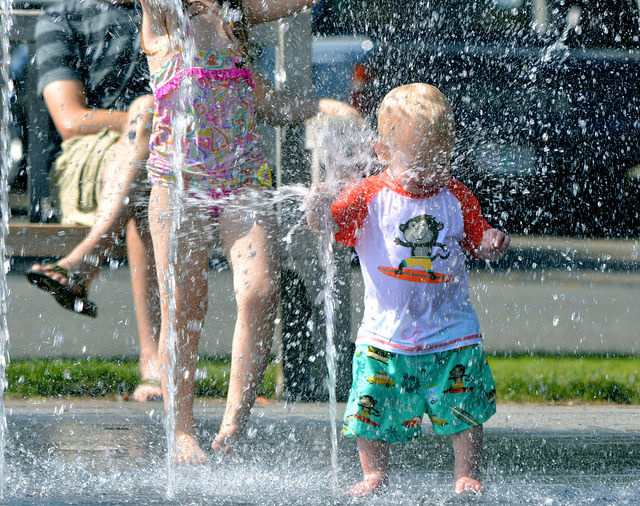
Dehydration means that the body lacks the necessary amount of fluid. Infants and small children are more likely to become dehydrated than older children or adults, because they can lose relatively more fluid quickly.

Here are some steps to take to make sure children remain hydrated in the summer months:

  • Encourage your child to drink plenty of water. On hot days, children should drink significantly more water than usual, as they are losing more due to the heat.
  • Do not wait until your child is thirsty to give him water. By the time they feel thirsty, they are already becoming dehydrated.
  • If your child is resistant to drinking enough water, have other liquids on hand for your child to drink throughout the day.
  • Be alert to changes in behavior. A child may act confused or more irritable when they are becoming dehydrated/overheated. Get them into cooler temperatures and drinking more fluids.
  • Dress your child in lightweight clothing in the summer months, particularly if she’ll be playing outdoors in warm weather. You may also consider clothes that are well ventilated as they do not trap heat close to the body.
  • When there are heat and/or air quality advisories because the weather is dangerously hot, you should avoid taking the children outdoors. Check with your host parents for further guidance on this topic.

Remember to follow these tips for yourself too, so you stay well hydrated.

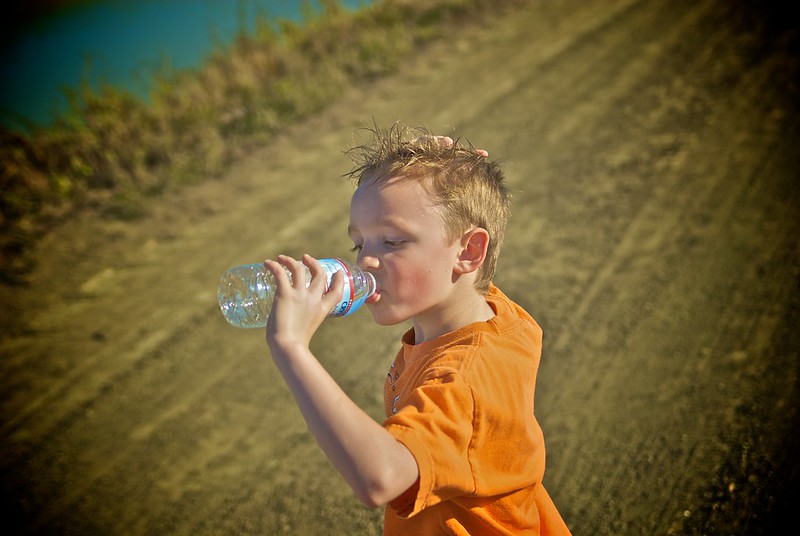
Photo: Moyerphotos (Flickr)

Health & Safety – Where are Ticks?

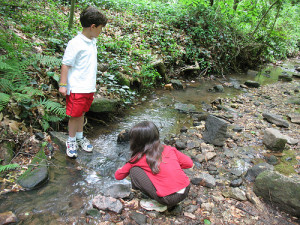
When the weather is nice, we spend more time outdoors with the children. Playing in the back yard, at the playground or walking on nature trails are great ways to get fresh air and exercise.

kids in woods

What are ticks? – Ticks are small mites that attach themselves to the skin and suck blood. Click HERE to see examples of ticks.

Where are ticks commonly found? – Ticks are normally found in areas with trees, bushes or tall grass. This includes back yards, parks, nature areas, and most places you would be spending time with the children outdoors in the nice weather.

What needs to be done? – When you return home from areas where ticks might live, carefully check the children and yourself (clothing, skin, and scalp) for ticks. If you find a tick on one of your host children, notify your host parents immediately.

Most ticks do not carry diseases, and most tick bites do not cause serious health problems. But it is important to remove a tick as soon as you find it. Removing the tick completely and cleaning the area with soap and water or antiseptic spray, may help avoid diseases such as Lyme Disease that the tick may pass on during feeding, or a skin infection where it bit you.

Click HERE for Instructions on Removing a tick from WebMD.com.

How do you reduce the risk of tick bites?  – Use a repellent with DEET on the skin. Repellents containing 20% or more DEET can protect up to several hours. Always follow product instructions. Adults should apply this product to their children, avoiding the hands, eyes, and mouth. When you come back in from outside, it’s best to wash the repellent off of skin with soap and water. For detailed information about using DEET on children, see recommendations from the American Academy of Pediatrics.

10 Tips for Summer Safety

  1. Remember to bring along drinks, especially water. Try to get children to drink water every 20 minutes, when they are outside in hot weather.
  2. Pay attention to surfaces that can be hot against children’s skin, such as metal slides and other playground equipment in the sun.
  3. Safety around water is particularly important. A child can drown in just a few inches of water. Whenever you are near water you must never leave a child alone – if the phone rings, take them with you or let it ring! Always stay within arm’s reach when the children are in or near water.
  4. Young babies should be kept out of direct sunlight. Keep the baby in the shade or under a tree, umbrella or stroller canopy.
  5. Dress babies in lightweight clothing and use brimmed hats.
  6. Apply sunscreen 30 minutes before going outside, even if it appears overcast (cloudy).
  7. Try to keep children out of the sun in the middle of the day when the sun is strongest.
  8. Learn what poison ivy looks like and keep children out of it. A good rule to teach the children is “leaves of three, let it be.”
  9. Use insect repellent spray to keep away mosquitos and ticks. Ask your host parents before applying.
  10. Check for ticks when you bring children in from playing outside, especially if you’ve been in tall grass or the woods.

Photo: Scott97006 (Flickr)
Protecting Privacy & Personal Information Online

We live in a time of constant sharing through social media. We often share pictures, plans of somewhere we are going or rants about problems, without thinking much about who will see it and what could be the consequences.

Before clicking “post”, stop to think:

  • Am I violating someone’s privacy?
  • Am I sharing personal information that could put me in danger?
  • Would I want my current or a future employer to see this?

This will help protect your privacy and safety as well as that of your host family. It is important to respect your host family’s privacy and not share personal details and information.  This applies to all kinds of situations, including personal conversations, email, and social websites.

For your own safety, it is a good idea to be careful what personal information you share about yourself as well. You should not give out information like your telephone number and address to people you don’t know. Safer to meet a new friend in a public place, than to give them your address before knowing them.

Once you post something on the Internet (even if you later delete it), it can show up elsewhere.  Unless you have specific permission from your host family, you should never post pictures of them, their children or their home on the Internet.

If you have a blog or website where you post in your native language, remember there is translation software. So, even if you say it in your native language, be sure it is not something that might be misinterpreted in translation or something you will regret saying.

What to Keep in the Car Glove Box

What is the glove box? It’s the little drawer/compartment in front of the passenger seat of your car where you can store documents and important items.

If you are like me, you probably have napkins and straws from fast food restaurants and other assorted items in your glove box in the car.  It can be a nifty storage place, but it’s main purpose is to keep some important documents related to the car. glove box

It is very important that you keep all of the necessary documents in the car glove box. These items will be necessary if you are stopped by a police officer or have an auto accident. Not having these items can result in your receiving a ticket (citation) from a police officer.

Essential Documents

*Some host parents may tell you to carry these in your wallet instead of keeping them in the car. Follow their instructions.

Helpful Extras

  • Flashlight
  • Tire Pressure Gauge
  • Vehicle Owner’s Manual
  • Map or GPS
  • Tissues and Hand Sanitizer
  • First Aid Kit

In Your Wallet
Carry your Maryland license or country driver’s license and international driver’s permit with you at all times, especially when you are driving. You should leave your passport and Social Security Card and other documents at home, to reduce the risk of losing them.

Fall Traditions: Trick or Treating Safety Tips

cdc.gov

We always share trick or treating safety tips each October. This year those tips are very different. While we still want to be sure kids are visible to cars and safely supervised, there are new health and safety considerations due to COVID.

Not all families will feel comfortable going trick or treating and that is completely understandable. For those who do, here are some tips from the CDC:

Steps to Take when Trick or Treating

Traditional Halloween activities are fun, but some can increase the risk of getting or spreading COVID-19 or influenza. Plan alternate ways to participate in Halloween.

illustration of a child wearing a pumpkin costume holding a Halloween treat bag wearing face masks appropriately and Make trick-or-treating safer

  • Avoid direct contact with trick-or-treaters.
  • Give out treats outdoors, if possible.
  • Set up a station with individually bagged treats for kids to take.
  • Wash hands before handling treats.
  • Wear a mask.

Wear a mask

  • Make your cloth mask part of your costume.
  • A costume mask is not a substitute for a cloth mask.
  • Do NOT wear a costume mask over a cloth mask. It can make breathing more difficult.
  • Masks should NOT be worn by children under the age of 2 or anyone who has trouble breathingillustration of two children in costume wearing face masks appropriately

Stay at least 6 feet away from others who do not live with you

  • Indoors and outdoors, you are more likely to get or spread COVID-19 when you are in close contact with others for a long time.

illustration of a child wearing a wizard costume washing their handsWash your hands

  • Bring hand sanitizer with you and use it after touching objects or other people.
  • Use hand sanitizer with at least 60% alcohol.
  • Parents: supervise young children using hand sanitizer.
  • Wash hands with soap and water for at least 20 seconds when you get home and before you eat any treats.

Images: cdc.gov