Yearly Archives: 2022

Camp Au Pair – Nature Exploration

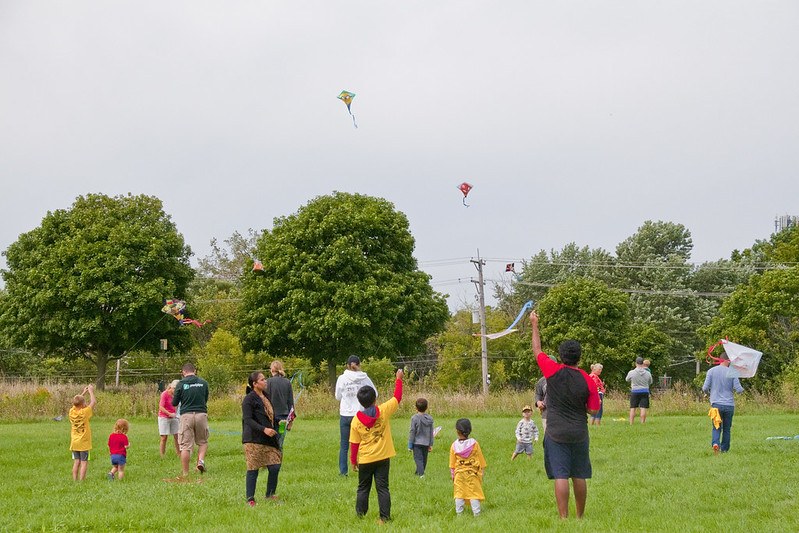
Now for some fun in nature!!! Get out and explore a bit, collect some treasures along the way! Most of these activities are easily created using items likely already around the house, but you may need to plan ahead a bit to have supplies on hand! Check with your host family about getting supplies to use!


So many great ideas! Check them out on the Au Pair in America Pinterest boards here!

Let’s Learn About:

  • The Baltimore Oriole. From their brief taxonomic hiatus to their intense sugar cravings, there’s a lot to know about these brilliant birds.
  • Make hummingbird nectar. Hummingbirds may be some of the smallest birds in the world,  but fluttering those tiny wings can be quite a workout. Flapping away at up to 90 beats per second burns up calories fast; to maintain their momentum, hummingbirds need to eat—a lot! To satisfy their speedy metabolisms, these busy birds consume half their body weight in bugs and nectar, feeding every 10-15 minutes and visiting 1,000-2,000 flowers per day.
  • Illustrator Johanna Basford teaches us how to draw simple birds.
Focus on History:

Rachel Carson, was a writer, scientist, and ecologist. She had a a life-long love of nature and the living world that Rachel expressed first as a writer and later as a student of marine biology.

Field Trips:
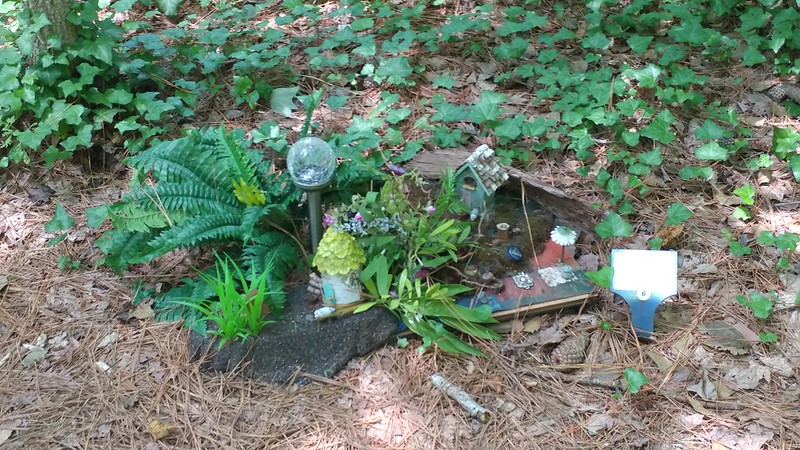
 

Check out Annmarie Sculpture Garden and Arts Center. They have a wonderful Fairy Lolly to play in and trails to walk along. This summer, they are hosting an Enchanted Summer at the Garden. Admission is charged.

Historic St. Mary’s City walking trails are open year round.  While the living history portion of the center is by admission, hikers can travel a rustic 3.2 mile path through 700 acres of natural areas without tickets. This trail travels through woods and fields at water’s edge along Milburn Creek and the St. Mary’s River. This hike offers numerous opportunities to discover the native flora and fauna of the tidewater region.

Virtual Field Trip Options:

The Nature Conservancy of Oklahoma: Escape the confines of your home and take a virtual  field trip through Oklahoma’s vast wilderness by clicking through several 360-degree views of the Conservancy’s various preserves. You can also click on features of the landscapes to learn more about the unique prairie ecosystem.

Yellowstone National Park: Experience the main attractions of Yellowstone National Park from the comfort of your home! Feast your eyes on famous sights such as the Grand Canyon of the Yellowstone, Mammoth Hot Springs and Mud Volcano. Scientists have also created 3-D models of some of the landscapes and geysers that are not to be missed.

Virtual dives:

You won’t need scuba gear to feel like you’re underwater with these stunning high-res 360-degree views of national marine sanctuaries like the Florida Keys, Monterey Bay and the Olympic Coast. You can even pair your device with a virtual reality headset for the ultimate immersive experience.
Webcams:

National Audubon Society Webcams: Explore a variety of webcam options, from Africa, farms, bears, puffins, wolves, honeybees, and even the Aurora Borealis.

Videos: Check out the cool videos at Bob’s Pennsylvania Wildlife Camera 

Resources:

Consider joining in the Free Forest School near you! Free Forest School ignites children’s innate capacity to learn through unstructured play in nature, fostering healthy development & nurturing the next generation of creative thinkers, collaborative leaders & environmental stewards.

Books:

Check out your library (or Amazon) for great books about the outdoors!
  • Backpack Explorer: On the Nature Trail.
  • My First Book About Backyard Nature: Ecology for Kids!
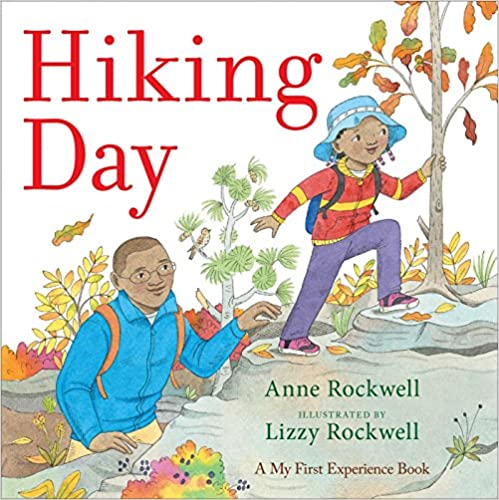
  • Hiking Day, by Anne Rockwell. A little girl and her family go hiking up a nearby mountain for the very first time. As they climb up and up the path, they see everything from a friendly toad to a prickly porcupine, tall leafy trees to tiny red berries.
  • Gator, gator, gator, by Daniel Bernstrom. A fearless little girl takes off in search of a giant gator–but she’s not going into that swamp alone! No way! She wants YOU, the reader, to come along. Off you go, peering through the lush landscapes, looking for that gator! But each time you think you see it? Oops! Just a fox. Or some ducks! Or a snake. Maybe you’ll never find the gator, gator, gator…

Photos by: Virginia State Parks {flickr}, rain0975 {flickr}, Nick Goodrum {flickr}, Fred Schroeder {flickr}, Cynthia Chan
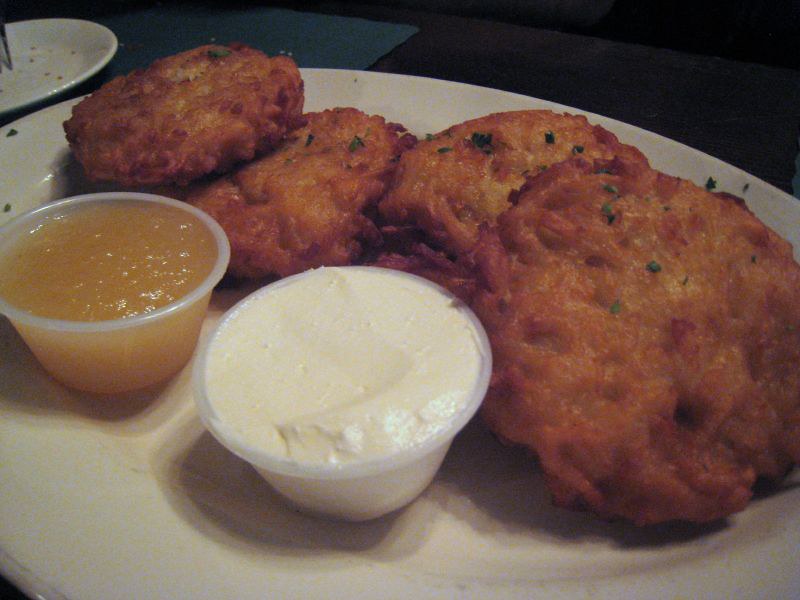
Around the World in 80 Days – German Potato Pancakes

German Potato Pancakes (KartoffelpufferRecipe: 

Ingredients: 

  • 5-6 potatoes 
  • 3 eggs 
  • 1 small onion (grated) 
  • 1 teaspoon of salt 
  • 4 teaspoon of flour 
  • butter or oil 

Instructions: 

  1. Grate potatoes. Be sure to remove any excess moisture by squeezing grated potatoes in a dish towel. 
  2. Place all ingredients into bowl (except butter) and mix.
  3. Put enough butter/oil for frying into a pan. Pour about ½ cup of batter into pan and fry about 3-4 minutes on each side. Repeat until batter is gone. Add butter/oil when needed. 
  4. Eat plain or with apple sauce or jam! 

Photo by: Krista {flickr}

Around the World in 80 Days – Portugal

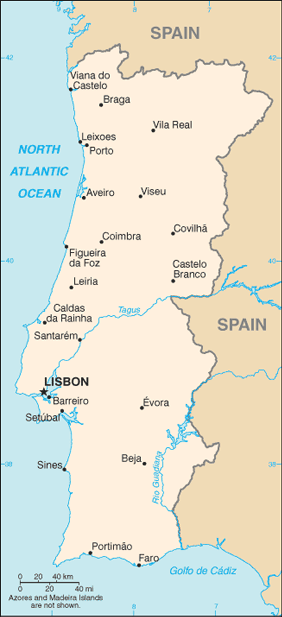
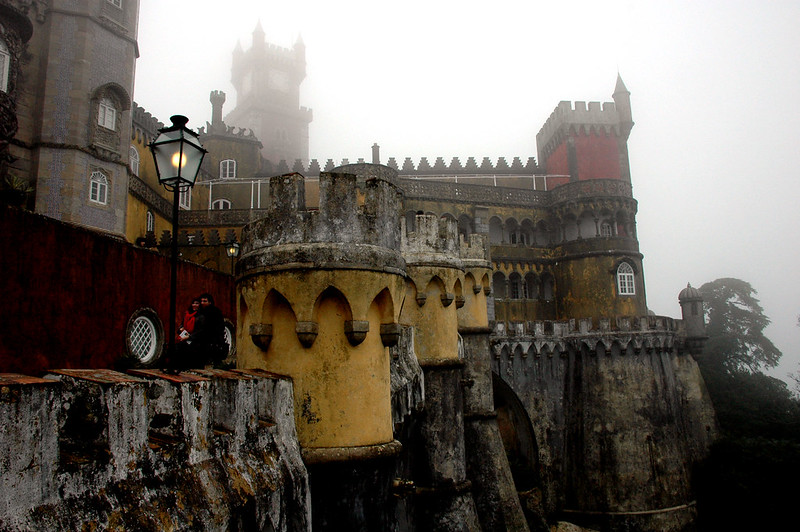
PORTUGAL

Europe
Capital: Lisbon
Languages: Portuguese (official), Mirandese (official – but locally used)


  • The idea of being an au pair is a new concept in Portugal.
  • Applicants from Portugal are motivated by travel and language opportunities.
  • The job potential of an au pair improves upon her return to Portugal.
  • Young people in Portugal have the freedom of their family to socialize and date, though Portuguese parents are very protective of their children. The normal procedure for children is to complete high school, attend university, find a job, buy a house and get married. Only after you complete those things would you then move out of your parents house.
  • Curfews are not common.
  • Young women are accustomed to sharing in household chores.
  • Portuguese describe themselves as caring, flexible, and fluent in English.

Diet

  • Most young people in Portugal eat meat.
  • Vegetarianism is not common.
  • A typical Portuguese diet includes rich, filling, and full-flavored dishes made from seafood, fish, meat, dairy, fruits, and vegetables.


Religion

  • The most common religion in Portugal is Catholic.
  • Most young people in Portugal do not practice their religion regularly.

Photos by: Man Alive {flickr}; Pug Girl {flickr}

Around the World – Bitterballen

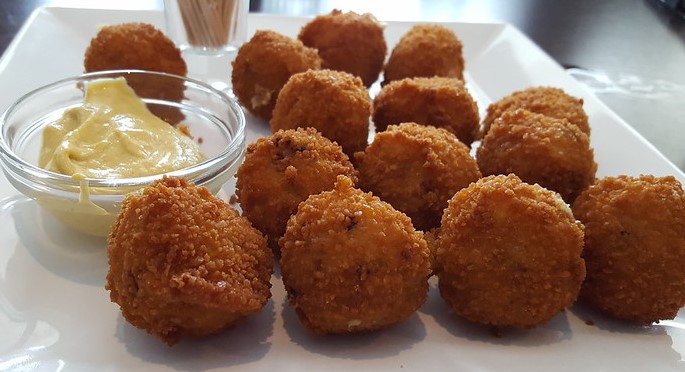
A favorite snack in Holland, this beef and gravy croquette is very popular! Crisp on the outside, moist and gooey on the inside!

There are a few ways to prepare. Here are a couple of recipes from Taste of Home  and another one from Jo Cooks. 

Ingredients  

  • 3 tablespoons butter
  • 3 tablespoons all-purpose flour
  • 1/2 cup beef broth
  • 3/4 lb sirloin or flank steak cut into 1/2-inch cubes
  • 1/4 cup finely minced fresh parsley
  • 1/4 teaspoon salt
  • 1/8 teaspoon pepper
  • 1/4 teaspoon ground nutmeg
  • 1 cups dry bread crumbs, plain
  • 2 eggs
  • 1 teaspoon milk
  • 1 teaspoon canola oil
  • Oil for deep-fat frying
  • Spicy mustard

Instructions

  • In a large saucepan, melt butter over medium heat.
  • Stir in flour until smooth. Gradually add broth; bring to a boil.
  • Cook and stir for 1 minute or until thickened.
  • Carefully add meat and parsley; cook and stir for 2-5 minutes or until meat is no longer pink
  • Stir in the salt, pepper and nutmeg.
  • Transfer into a bowl; refrigerate for 2-12 hours or until chilled.
  • Place bread crumbs in a small shallow bowl. In another bowl, whisk the eggs, milk and oil.
  • Drop the meat mixture by tablespoonfuls into bread crumbs; shape into balls. If you have a cookie scoop, you could use that.
  • Dip the shaped meat balls in egg mixture, then coat with crumbs. In a skillet or deep fryer, heat oil to 375°.
  • Fry the meat balls, until golden brown on all sides, about 2-4 minutes. Do just a few at a time.
  • Drain on layered paper towels to remove excess oil.
  • Serve warm with a spicy mustard or other dips of your choice.

Make ahead and freeze for later!

Photo by: www.snack-nieuws.nl {flickr}

Around the World in 80 Days – Poland

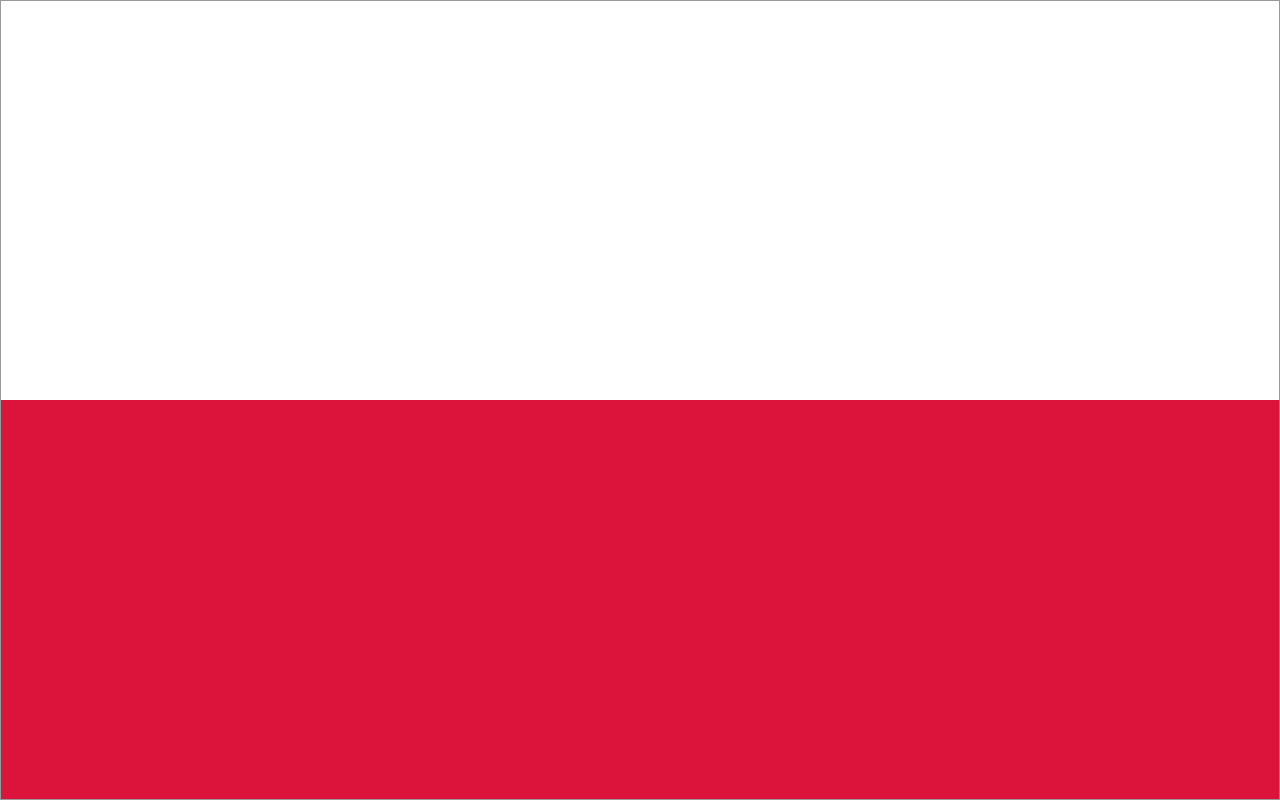
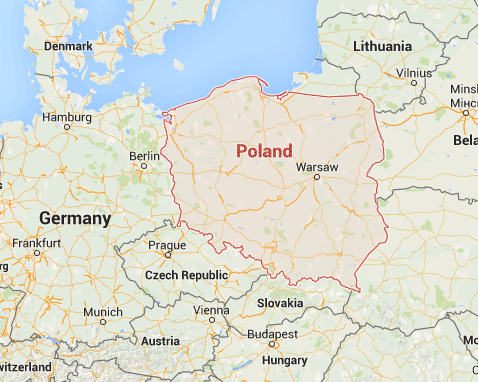
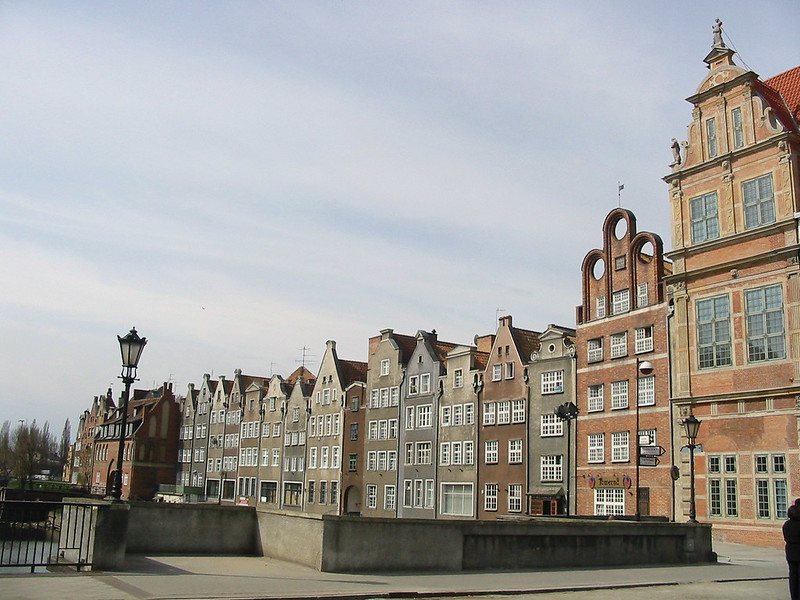
POLAND

Eastern Europe
Capital: Warsaw
Languages: Polish

COMMON CHARACTERISTICS:

  • Polish people describe themselves as hospitable, ambitious and resourceful.
  • Poles have strong family ties.
  • Tradition and culture are very important values for young Poles.

FUN FACTS:

  • Poland has exactly the same population and is almost the same size as California.
  • Poland’s biggest city is… Chicago – the number of people of Polish origin is higher in Chicago’s metropolitan area than in Poland’s capital Warsaw!
  • Poland is the most important bird breeding ground in Europe, as it hosts over one quarter of all migratory birds traveling to Europe for the summer.

USEFUL PHRASES:

  • How are you?       Jak się masz?
  • Fine, thanks.        Dobrze, dziękuję.
  • My name is…       Nazywam się…
  • Nice to meet you!      Miło Cię poznać!
  • Thank you.            Dziękuję.

Photo by: Photo RNW.org {flickr}

Around the World in 80 Days – Swedish Krem

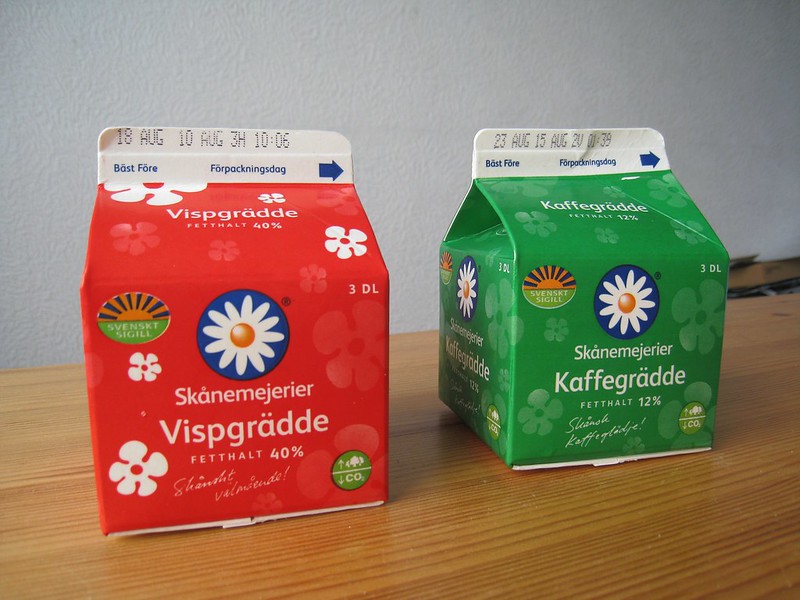
Swedish Krem is a refreshing and scrumptious dessert. 

Swedish Krem Recipe:

Ingredients: 

  • 2 cups heavy whipping cream 
  • 1 cup plus 2 teaspoons sugar, divided 
  • 1 envelope unflavored gelatin 
  • 1 teaspoon vanilla extract 
  • 1 teaspoon almond extract 
  • 2 cups sour cream 
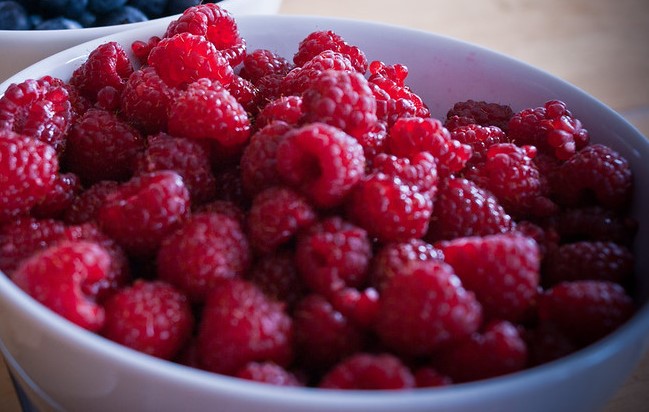
  • 1 cup fresh or frozen raspberries 

Instructions: 

  1. In a large saucepan, combine cream and 1 cup sugar. Cook and stir over low heat until a thermometer reads 160°F (do not allow to boil). Stir in gelatin until completely dissolved. 
  2. Remove from heat and stir in extracts. Let cool for 10 minutes. Whisk in sour cream. Pour into 8 dessert dishes. Refrigerate at least 1 hour. 
  3. Just before serving, lightly crush raspberries and gently stir in remaining sugar. Spoon over tops.

Photos by: Clemen v Vogelsang {flickr}; mroach {flickr}

Around the World in 80 Days – Peru

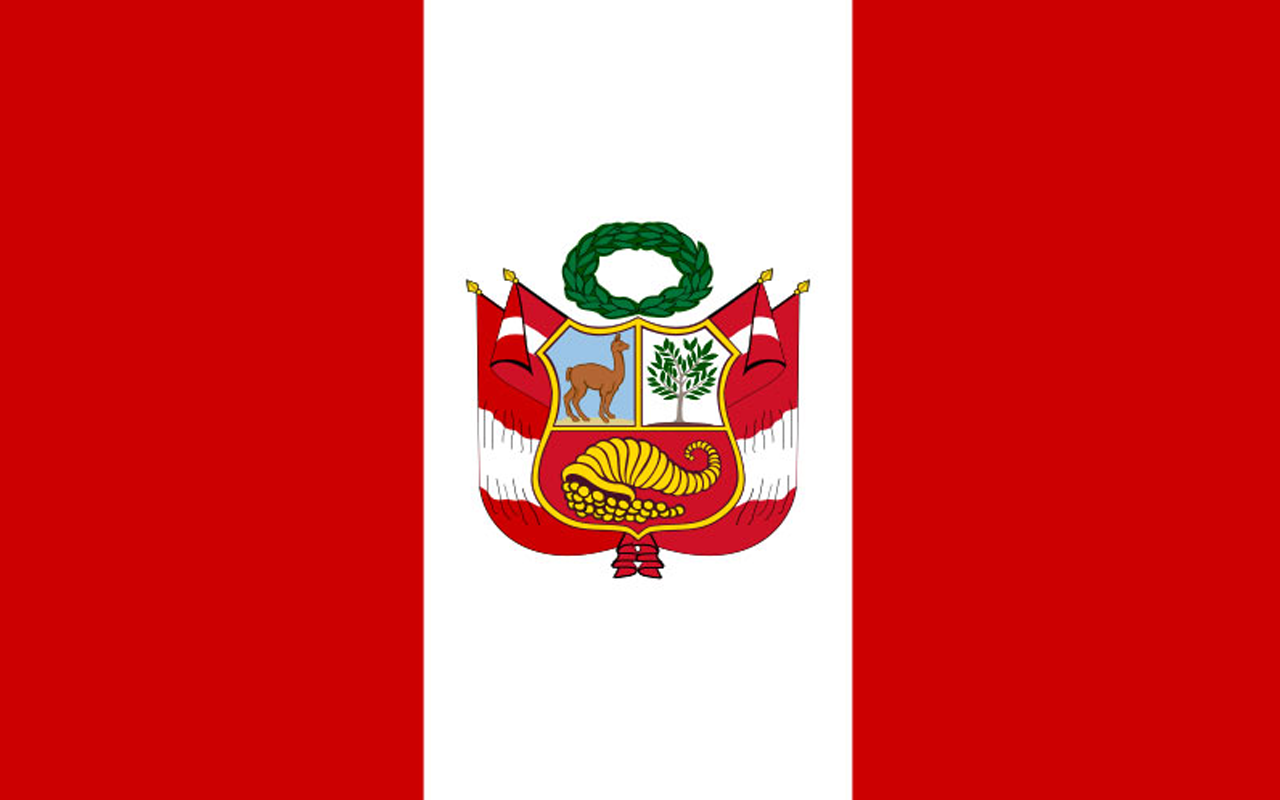
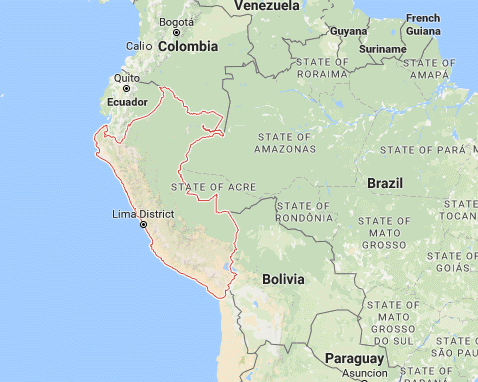
PERU

Western South America
Capital: Lima
Languages: Spanish (main), Quechua, Aymara
Predominant Religion(s): Christianity
(Catholic)

COMMON CHARACTERISTICS:

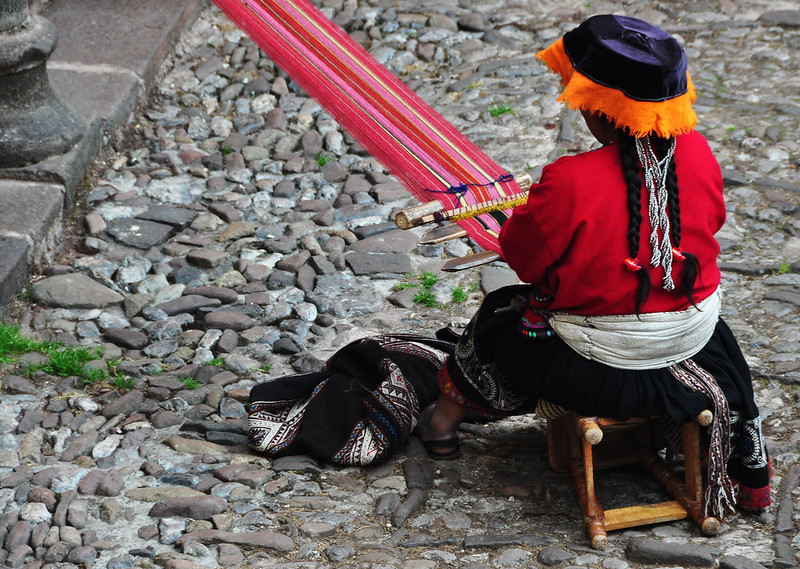
  • Peruvian people describe themselves as optimistic, creative and persevering.
  • Peruvians are characterized by being hard workers.
  • Peruvians maintain a very strong sense of national identity – they love to celebrate their Independence Day on July 28th!

FUN FACTS:

  • Peru has 84 “microclimates” of the 114 that exist in the world and also has more than 75% of ecosystems, making it one of the most bio-diverse countries on the planet.
  • Peru is one of the richest countries in terms of natural resources – it is one of the world’s top producers of gold, silver, copper, lead, iron and zinc and also has reserves of oil and natural gas.
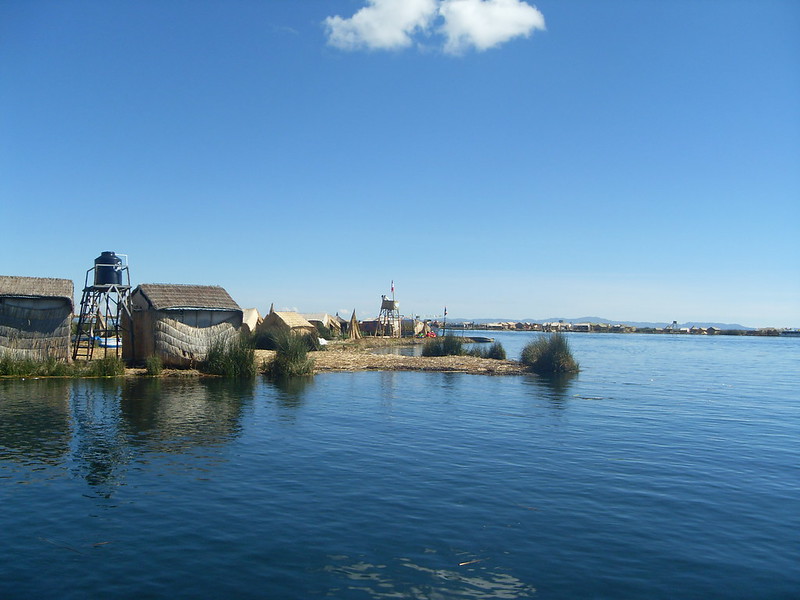
  • Lake Titicaca in Southern Peru is the world’s highest navigable lake and South America’s largest lake. Machu Picchu is one of the most important archaeological sites in the world.

USEFUL PHRASES:

  • How are you?       ¿Como estas?
  • Fine, thanks.       Bien, gracias.
  • My name is…       Mi nombre es…
  • Nice to meet you!      ¡Encantado de conocerte!
  • Thank you.           Gracias

Photos by: Glauber Riberio {flickr}; Erico Luxero {flickr}

Around the World in 80 Days – Mung Bean Salad

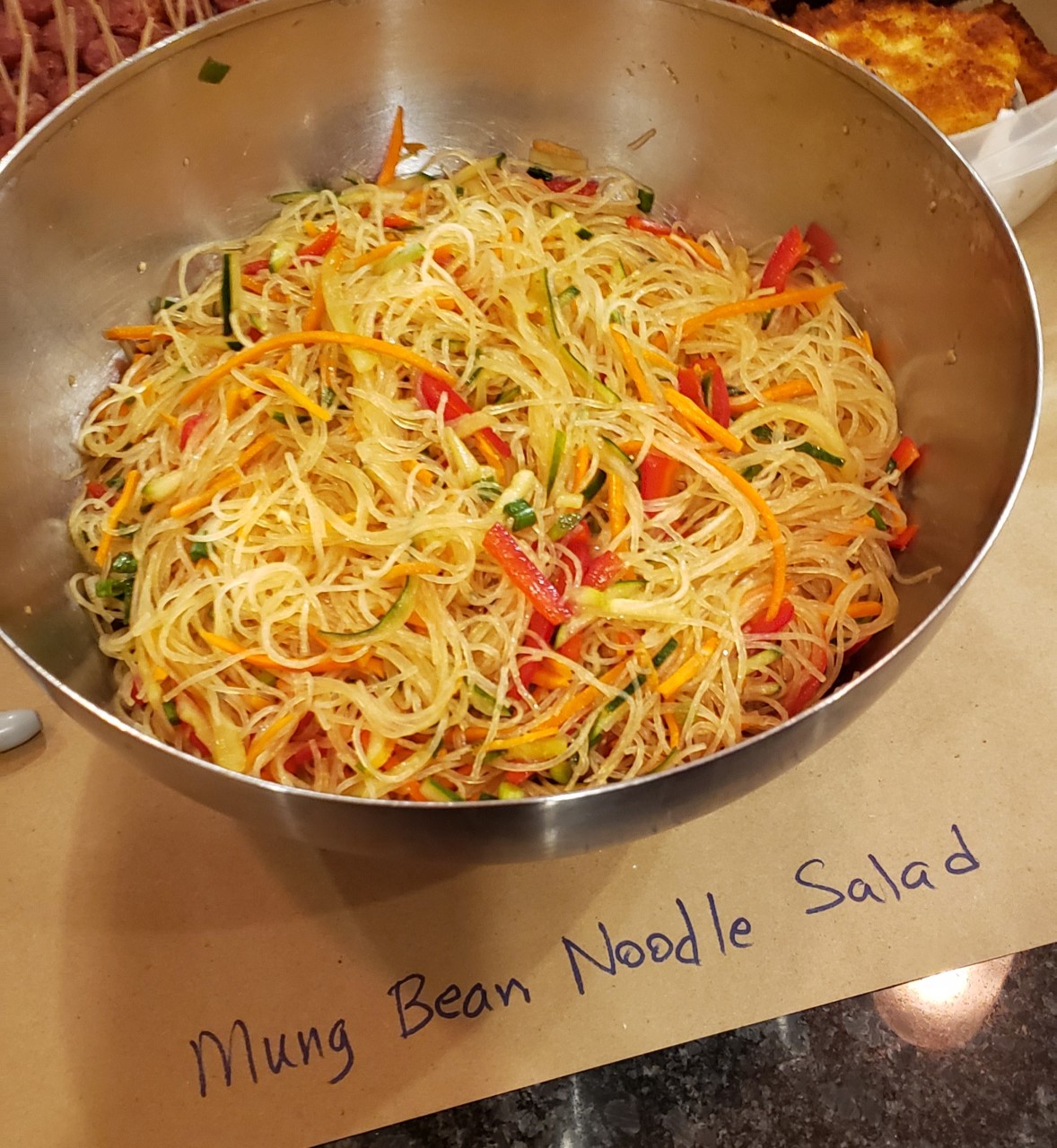
Mung Bean Salad – Asian

12 ounces thin Asian vermicelli noodles such as rice stick or mung bean

2 carrots shredded  

2 cucumbers seeded and shredded

4 green onion chopped

1 1/2 cups fresh bean sprouts

1/3 cup chopped cilantro

1/2 cup fish sauce

1/2 cup seasoned rice vinegar

3 tablespoons sugar

2 cloves garlic pressed or minced

1/4 teaspoon crushed red pepper

Lime

Instructions

  1. Soften the vermicelli noodles in a large bowl by covering with boiling water and soaking for 3-4 minutes or until tender. Rinse under cold water, drain, and add to a large bowl. Add the shredded carrots, cucumbers, bean sprouts and chopped cilantro to the noodles.
  2. In a glass jar fitted with a lid or a bowl, mix together the fish sauce, rice vinegar, sugar, garlic and crushed red pepper. Pour 3/4 of the dressing over the noodles and toss to coat. Add more dressing if desired. Sprinkle with more cilantro and green onion and a squeeze of lime if desired. Salad can be made ahead and refrigerated overnight, however if making ahead, add the cilantro just before serving.

Around the World in 80 Days – Panama

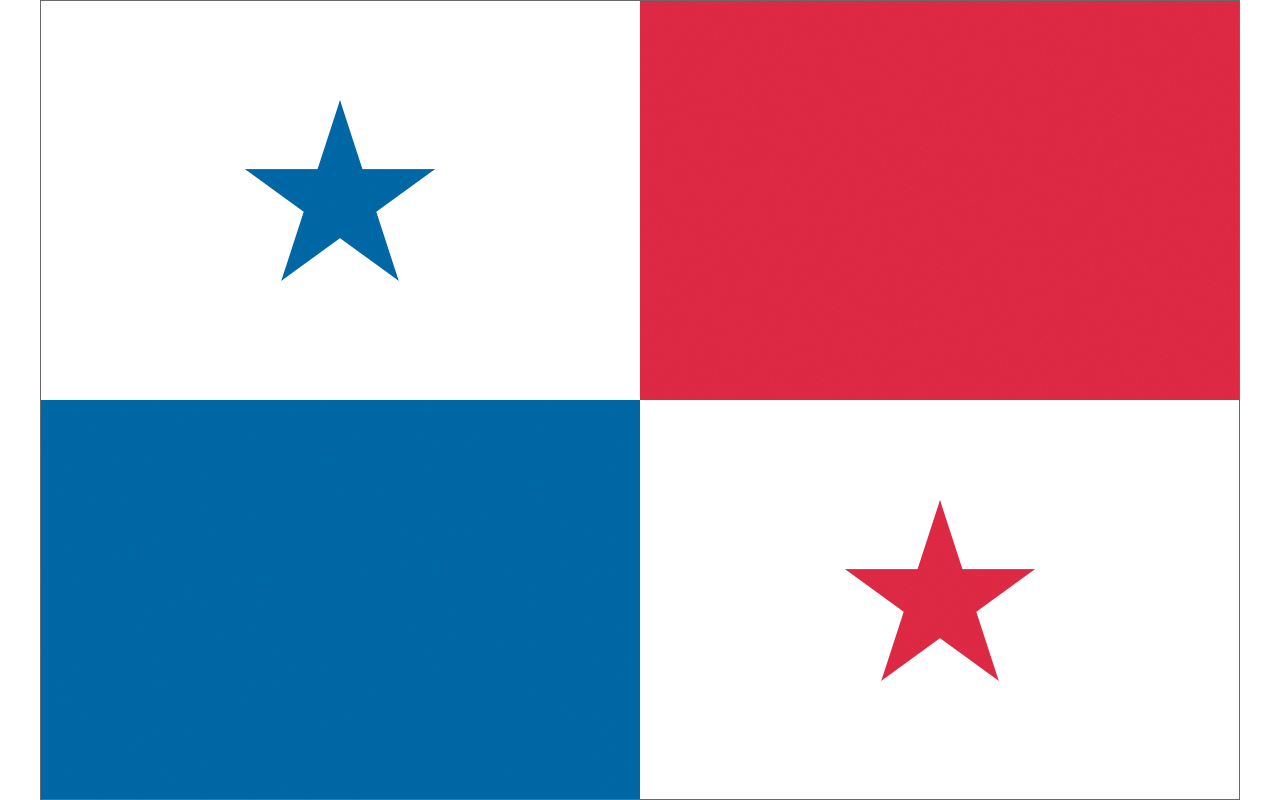
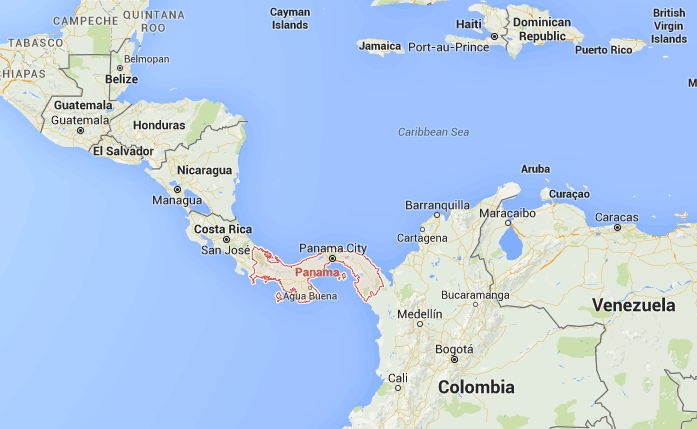
PANAMA

Central America
Capital: Panama City
Languages: Spanish/some English
Predominant Religion(s): Christianity (predominantly Catholic)

COMMON CHARACTERISTICS:

  • Panama people describe themselves as friendly, hospitable, warm, ambitious, easy going and very resourceful.
  • They have very strong family ties and usually live with parents until marriage.
  • Family events, tradition and culture are very important values they inherit from childhood.

FUN FACTS:

  • Mother Nature is BIG in Panama. About one third of the Panama land mass, more than two million acres, is designated as public parks and national preserves. Panama borders both the Pacific and the Atlantic oceans with a total of more than 900 miles of beautiful coastline. There are more than 1,000 beautiful tropical islands surrounded by sandy beaches and emerald green and blue waters with many colorful, fun coral reefs to explore. Panama has lots of fish and more game fishing records than any other country in the world and, in fact, the native word “Panama”, means…”Plentiful Fish”.
  • Our biggest city today is the capital, Panama City, bordering the Pacific Ocean with a population of about 890,000 and a total of almost 1.5 million within the metropolitan area. Bordering the Atlantic Ocean is the old city of Colon with a population of about 250,000. Christopher Columbus on his fourth voyage to the New World in 1502, discovered Panama. In fact our two Atlantic cities of Cristobal and Colon are Spanish for Christopher Columbus. Today, Colon is home to the second largest Free Zone in the world.
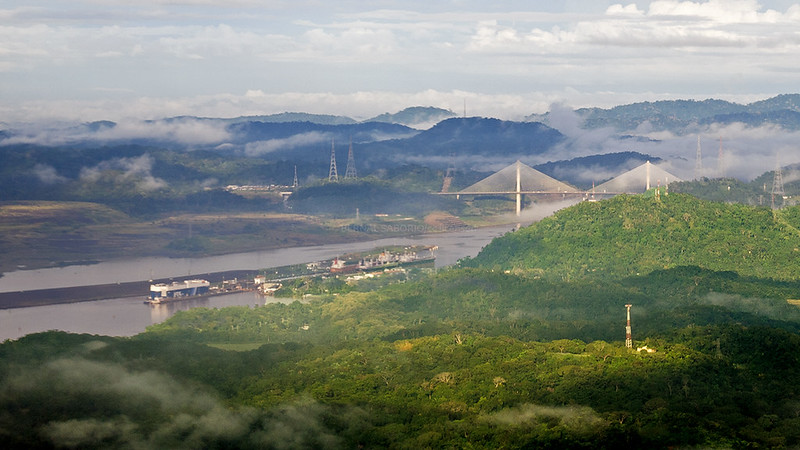
  • The Panama Canal was built in Panama as opposed to other countries because Panama has no active volcanoes, no hurricanes, no tornadoes and few earthquakes that exceed 4 or 5 on the Richter Scale. Panama became a melting pot for many cultures who arrived in the early 1900’s to help build the Canal. Today, there are more than 30,000 retired Americans who live in various parts of Panama.

Childcare:

  • It is very common for Panama adolescents to take care of their siblings, cousins, neighbors’ children, etc. It is an accepted part of everyday life that older children in all families help take care of their younger siblings while their parents are at work. In fact, while the requirements to become an au pair specify 200 hours of certified childcare experience, our average Panama au pair has more than 2,000 hours and 2 years of college behind them before they apply to our program.
  • Preparing meals for children is very common and often preferred to eating out.
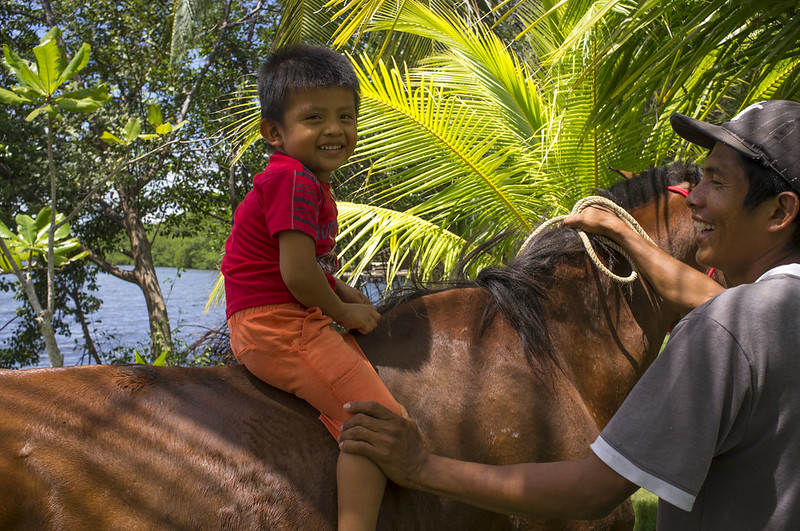
  • Panama families are friendly and warm and the children grow up surrounded by family, cousins, and friends, often visiting parks and enjoying the outdoors together.

Photos by: Colin & Sarah Northway {flickr}; Bernal Saborio {flickr}

Camp Au Pair – Outer Space & Flight

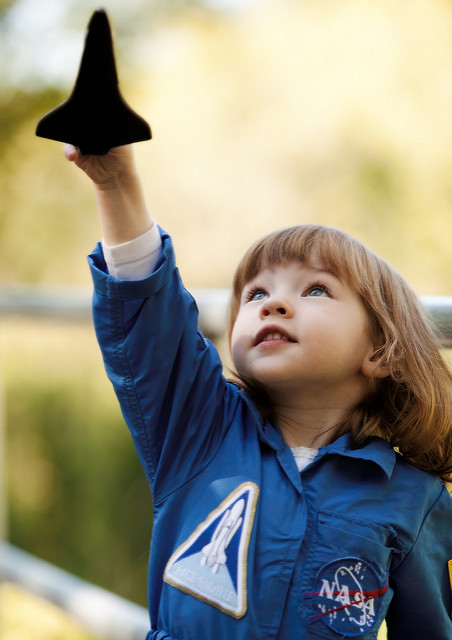
Get ready to blast off as we explore outer space and flight this week! Ready for some serious fun? How about creating the phases of the moon with Oreo’s, exploring solar system mazes or building a space shuttle with recyclables? Try creating outer space themed lunches and snacks, flashlight constellations and answering the questions on “If I Could Be An Astronaut!”

Our Pinterest board is FULL of great ideas for you to use to explore outer space from the comfort of your own home! Moon rocks are optional!

Focus on History: They taught the world to fly!

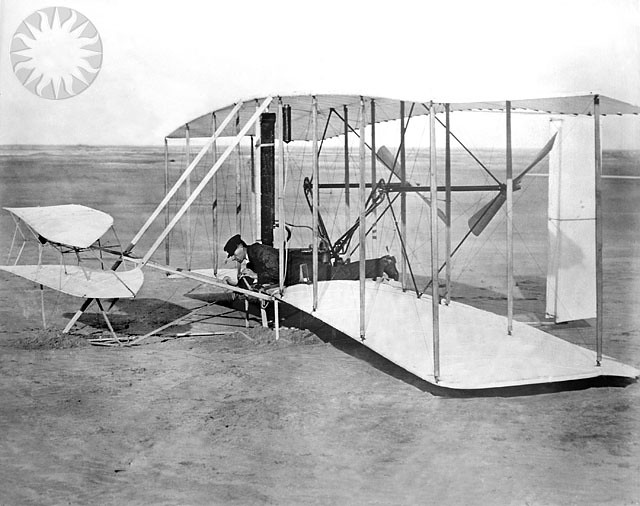
Wind, sand, and a dream of flight brought Wilbur and Orville Wright to Kitty Hawk, North Carolina where, after four years of scientific experimentation, they achieved the first successful airplane flights on December 17, 1903. With courage and perseverance, these self-taught engineers relied on teamwork and application of the scientific process. What they achieved changed our world forever. Click on the link above for many wonderful activities for kids!

Bessie Coleman, soared across the sky as the first African American, and the first Native American woman pilot. Known for performing flying tricks, Coleman’s nicknames were; “Brave Bessie,” “Queen Bess,” and “The Only Race Aviatrix in the World.” Her goal was to encourage women and African Americans to reach their dreams. Unfortunately, her career ended with a tragic plane crash, but her life continues to inspire people around the world. Click on her name to learn more about this amazing woman.

Resources:

Virtual Field Trip Options:

Webcams – You can do a google search for websites with webcams which allow you to observe space. Here is one from the International Space Station to get you started.

Videos – Look for fun videos on YouTube about outer space. Solar System 101 is good for school aged kids. The Planet Song is for toddlers and preschoolers. WALL-E, Zathura, Monsters vs. Aliens & Star Wars are all great family movies that fit with this theme. For older kids, movies like Hidden Figures and the Martian too, both are rated PG-13.

Books

Amazon has a great list of books on outer space and astronomy.

Photo: AGeekMom; Photo.Resource.Org; Charles Edward Miller