Author Archives: Cynthia Chan

Around the World in 80 Days – Poland

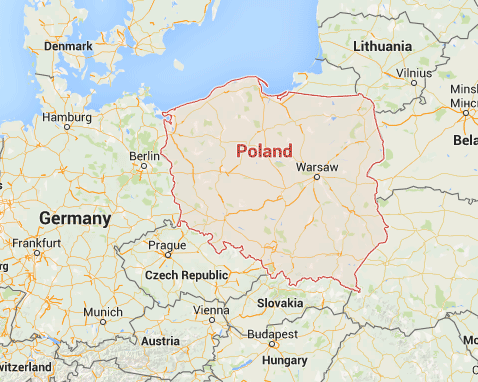
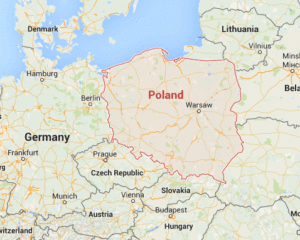
POLAND

Eastern Europe
Capital: Warsaw
Languages: Polish
COMMON CHARACTERISTICS:

  • Polish people describe themselves as hospitable, ambitious and resourceful.
  • Poles have strong family ties.
  • Tradition and culture are very important values for young Poles.

FUN FACTS:
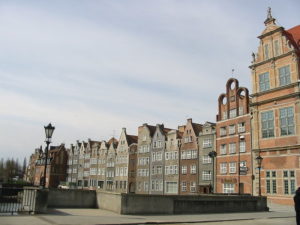
  • Poland has exactly the same population and is almost the same size as California.
  • Poland’s biggest city is… Chicago – the number of people of Polish origin is higher in Chicago’s metropolitan area than in Poland’s capital Warsaw!
  • Poland is the most important bird breeding ground in Europe, as it hosts over one quarter of all migratory birds traveling to Europe for the summer.

USEFUL PHRASES:

  • How are you?       Jak się masz?
  • Fine, thanks.        Dobrze, dziękuję.
  • My name is…       Nazywam się…
  • Nice to meet you!      Miło Cię poznać!
  • Thank you.            Dziękuję.

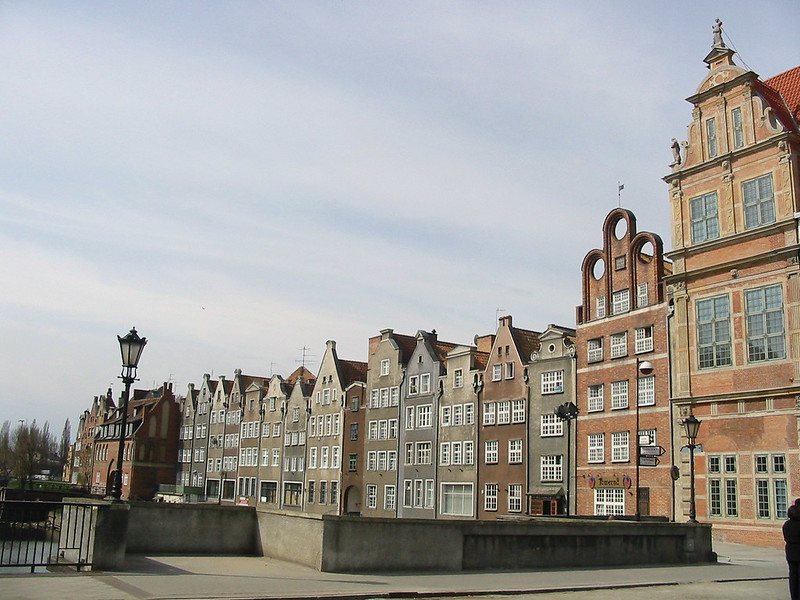
Photo by: Photo RNW.org {flickr}
Around the World in 80 Days – Swedish Krem

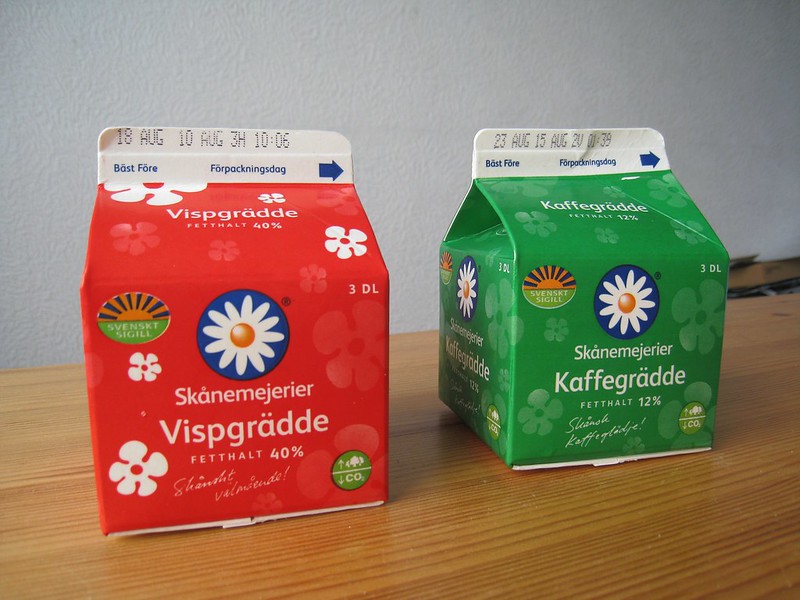
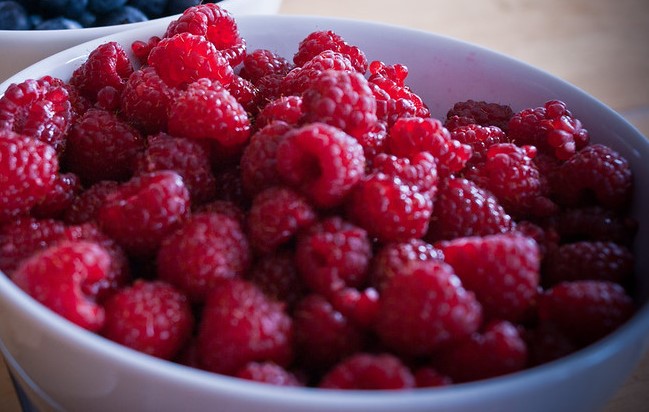
Swedish Krem is a refreshing and scrumptious dessert. 

Swedish Krem Recipe:

Ingredients: 

  • 2 cups heavy whipping cream 
  • 1 cup plus 2 teaspoons sugar, divided 
  • 1 envelope unflavored gelatin 
  • 1 teaspoon vanilla extract 
  • 1 teaspoon almond extract 
  • 2 cups sour cream 
  • 1 cup fresh or frozen raspberries 

Instructions: 

  1. In a large saucepan, combine cream and 1 cup sugar. Cook and stir over low heat until a thermometer reads 160°F (do not allow to boil). Stir in gelatin until completely dissolved. 
  2. Remove from heat and stir in extracts. Let cool for 10 minutes. Whisk in sour cream. Pour into 8 dessert dishes. Refrigerate at least 1 hour. 
  3. Just before serving, lightly crush raspberries and gently stir in remaining sugar. Spoon over tops.

Photos by: Clemen v Vogelsang {flickr}; mroach {flickr}

Around the World in 80 Days – Peru

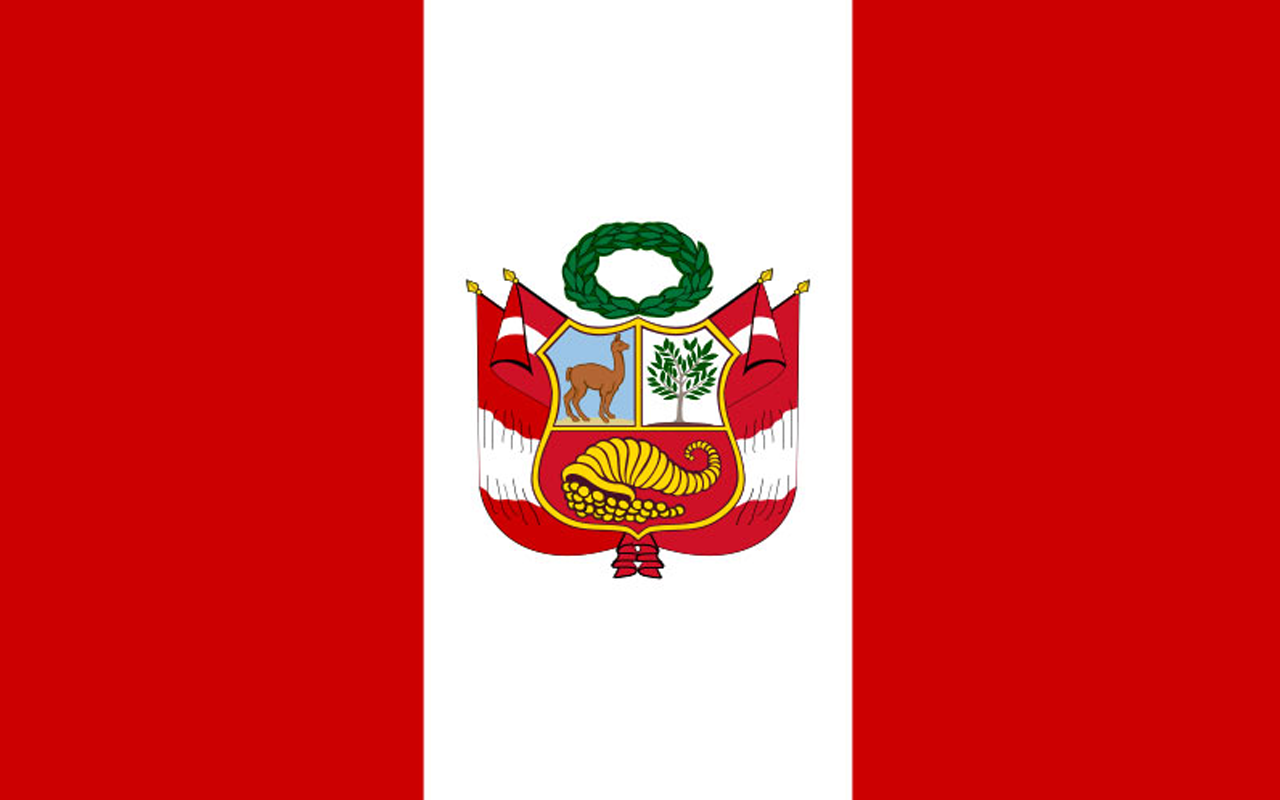
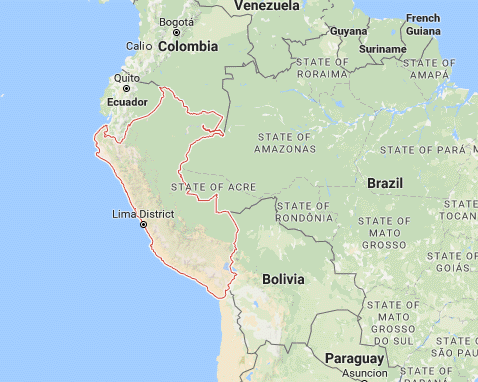
PERU

Western South America
Capital: Lima
Languages: Spanish (main), Quechua, Aymara
Predominant Religion(s): Christianity
(Catholic)

COMMON CHARACTERISTICS:

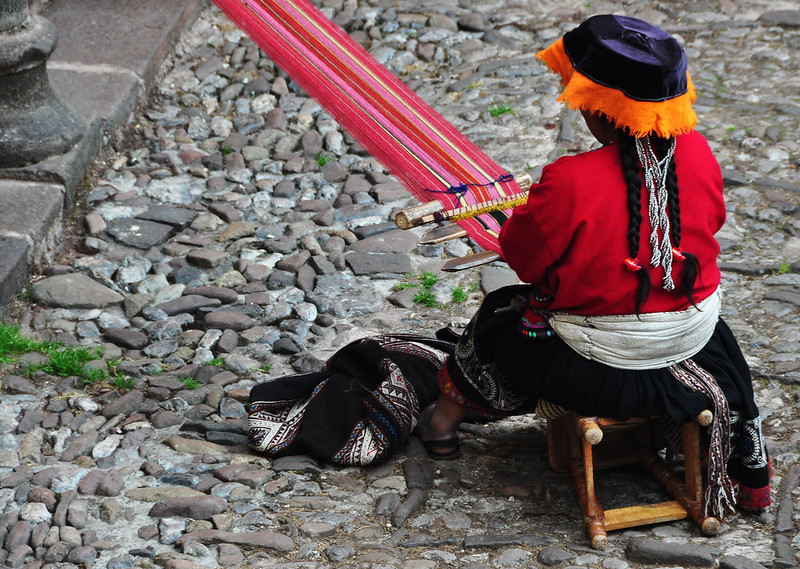
  • Peruvian people describe themselves as optimistic, creative and persevering.
  • Peruvians are characterized by being hard workers.
  • Peruvians maintain a very strong sense of national identity – they love to celebrate their Independence Day on July 28th!

FUN FACTS:

  • Peru has 84 “microclimates” of the 114 that exist in the world and also has more than 75% of ecosystems, making it one of the most bio-diverse countries on the planet.
  • Peru is one of the richest countries in terms of natural resources – it is one of the world’s top producers of gold, silver, copper, lead, iron and zinc and also has reserves of oil and natural gas.
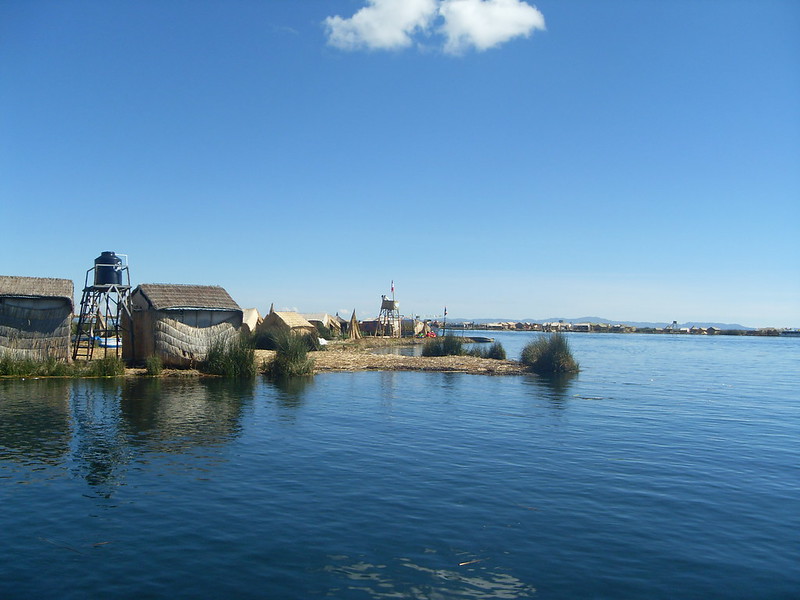
  • Lake Titicaca in Southern Peru is the world’s highest navigable lake and South America’s largest lake. Machu Picchu is one of the most important archaeological sites in the world.

USEFUL PHRASES:

  • How are you?       ¿Como estas?
  • Fine, thanks.       Bien, gracias.
  • My name is…       Mi nombre es…
  • Nice to meet you!      ¡Encantado de conocerte!
  • Thank you.           Gracias

Photos by: Glauber Riberio {flickr}; Erico Luxero {flickr}


Around the World in 80 Days – Mung Bean Noodle Salad (China)

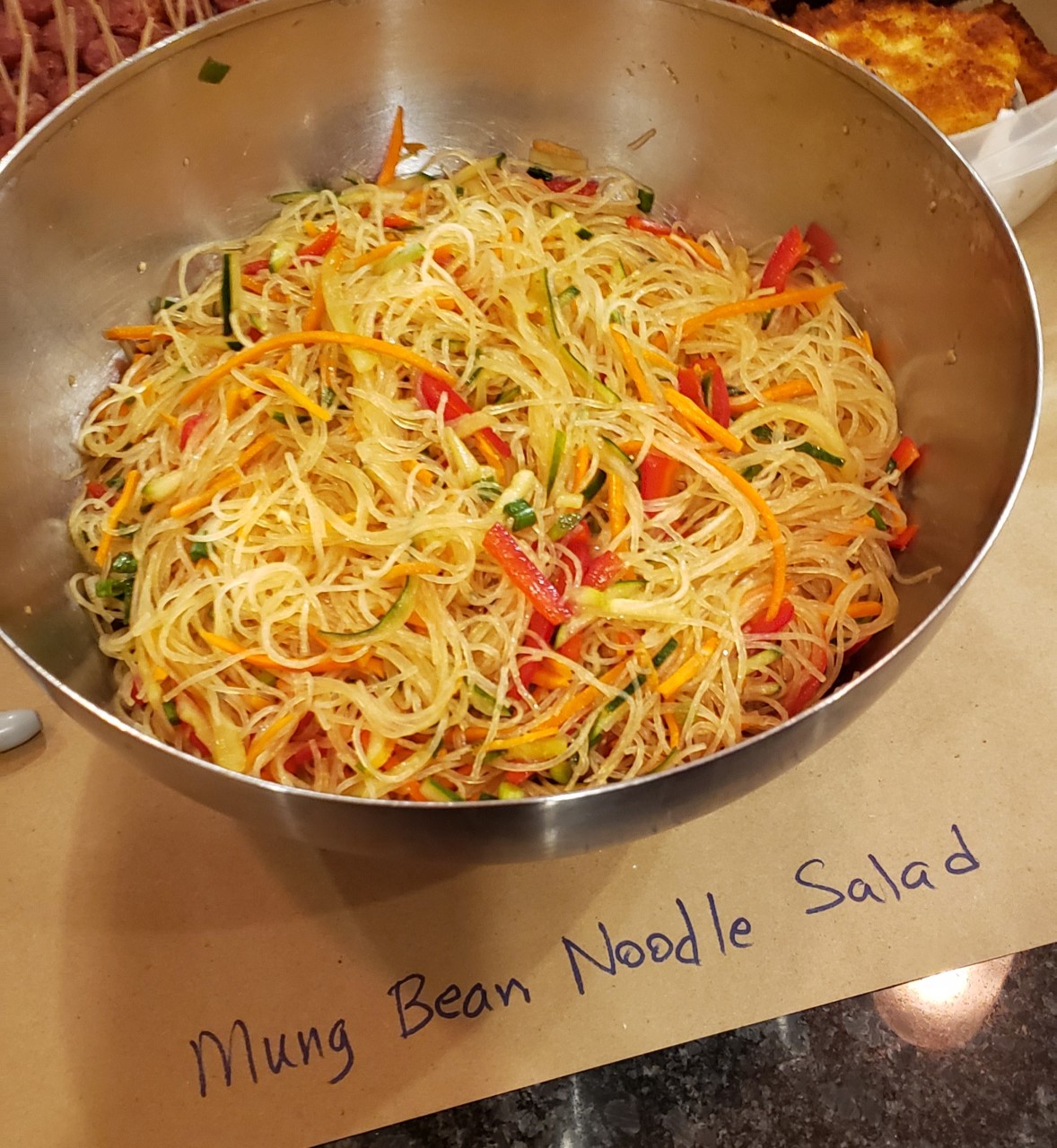
Mung Bean Salad – Asian

12 ounces thin Asian vermicelli noodles such as rice stick or mung bean

2 carrots shredded  

2 cucumbers seeded and shredded

4 green onion chopped

1 1/2 cups fresh bean sprouts

1/3 cup chopped cilantro

1/2 cup fish sauce

1/2 cup seasoned rice vinegar

3 tablespoons sugar

2 cloves garlic pressed or minced

1/4 teaspoon crushed red pepper

Lime

Instructions

  1. Soften the vermicelli noodles in a large bowl by covering with boiling water and soaking for 3-4 minutes or until tender. Rinse under cold water, drain, and add to a large bowl. Add the shredded carrots, cucumbers, bean sprouts and chopped cilantro to the noodles.
  2. In a glass jar fitted with a lid or a bowl, mix together the fish sauce, rice vinegar, sugar, garlic and crushed red pepper. Pour 3/4 of the dressing over the noodles and toss to coat. Add more dressing if desired. Sprinkle with more cilantro and green onion and a squeeze of lime if desired. Salad can be made ahead and refrigerated overnight, however if making ahead, add the cilantro just before serving.

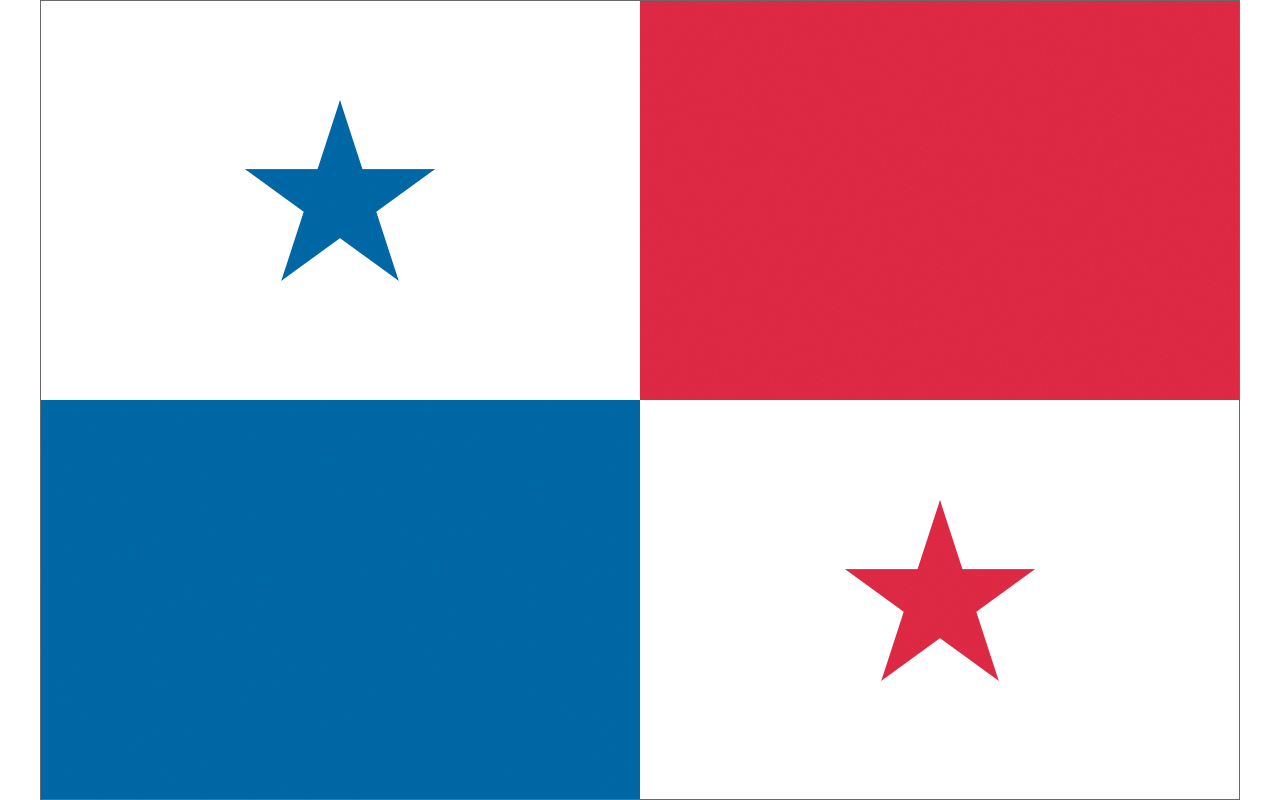
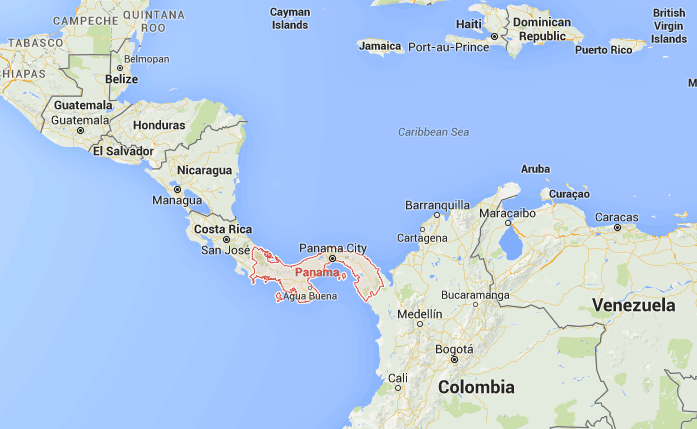
Around the World in 80 Days – Panama

PANAMA

Central America
Capital: Panama City
Languages: Spanish/some English
Predominant Religion(s): Christianity (predominantly Catholic)

COMMON CHARACTERISTICS:

  • Panama people describe themselves as friendly, hospitable, warm, ambitious, easy going and very resourceful.
  • They have very strong family ties and usually live with parents until marriage.
  • Family events, tradition and culture are very important values they inherit from childhood.

FUN FACTS:

  • Mother Nature is BIG in Panama. About one third of the Panama land mass, more than two million acres, is designated as public parks and national preserves. Panama borders both the Pacific and the Atlantic oceans with a total of more than 900 miles of beautiful coastline. There are more than 1,000 beautiful tropical islands surrounded by sandy beaches and emerald green and blue waters with many colorful, fun coral reefs to explore. Panama has lots of fish and more game fishing records than any other country in the world and, in fact, the native word “Panama”, means…”Plentiful Fish”.
  • Our biggest city today is the capital, Panama City, bordering the Pacific Ocean with a population of about 890,000 and a total of almost 1.5 million within the metropolitan area. Bordering the Atlantic Ocean is the old city of Colon with a population of about 250,000. Cristopher Columbus on his fourth voyage to the New World in 1502, discovered Panama. In fact our two Atlantic cities of Cristobal and Colon are Spanish for Christopher Columbus. Today, Colon is home to the second largest Free Zone in the world.
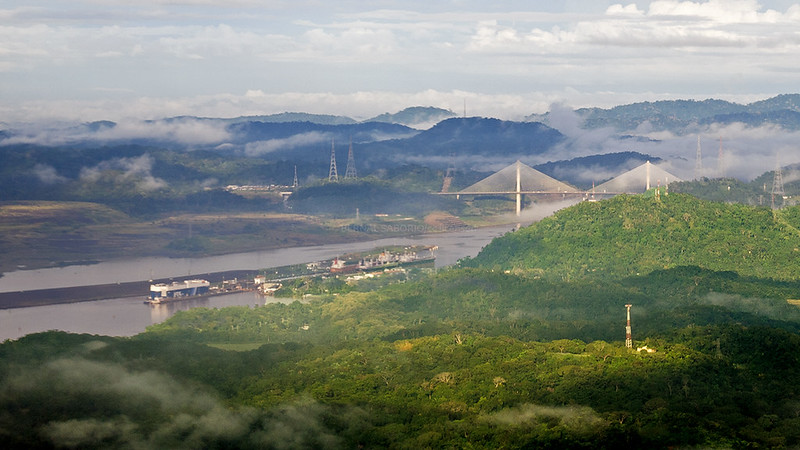
  • The Panama Canal was built in Panama as opposed to other countries because Panama has no active volcanoes, no hurricanes, no tornadoes and few earthquakes that exceed 4 or 5 on the Richter Scale. Panama became a melting pot for many cultures who arrived in the early 1900’s to help build the Canal. Today, there are more than 30,000 retired Americans who live in various parts of Panama.

Childcare:

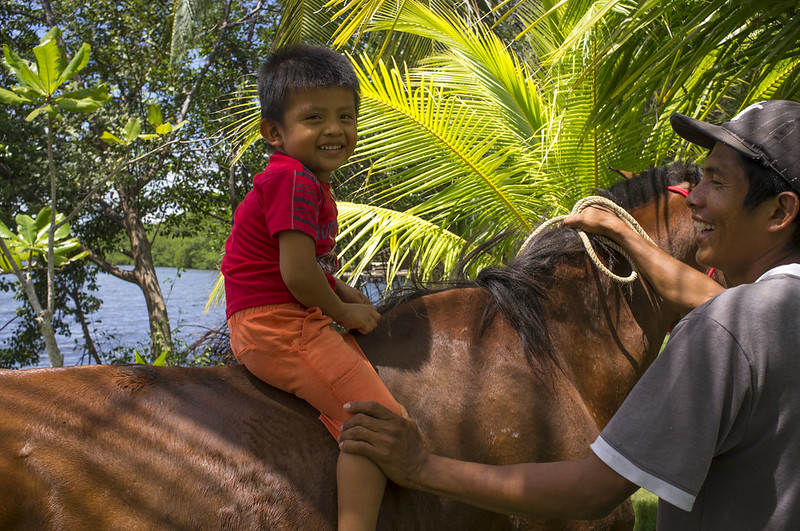
  • It is very common for Panama adolescents to take care of their siblings, cousins, neighbors’ children, etc. It is an accepted part of everyday life that older children in all families help take care of their younger siblings while their parents are at work. In fact, while the requirements to become an au pair specify 200 hours of certified childcare experience, our average Panama au pair has more than 2,000 hours and 2 years of college behind them before they apply to our program.
  • Preparing meals for children is very common and often preferred to eating out.
  • Panama families are friendly and warm and the children grow up surrounded by family, cousins, and friends, often visiting parks and enjoying the outdoors together.

Photos by: Colin & Sarah Northway {flickr}; Bernal Saborio {flickr}

Around the World in 80 Days – Hahnchenschnitzel from Germany

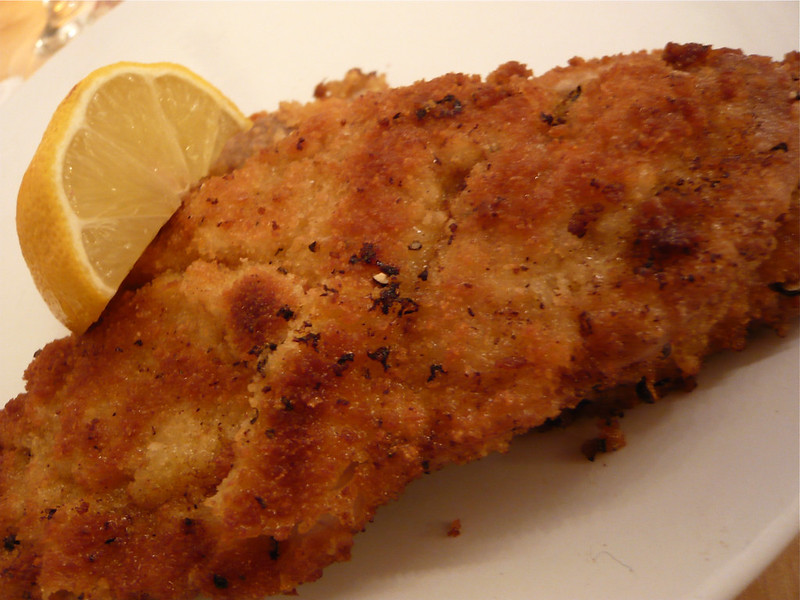
Breaded Chicken (‘Hähnchenschnitzel’) – Germany

 Amount depends on how many Schnitzel you want to make.

  • Chicken breast 
  • Flour
  • Egg
  • Milk
  • Breadcrumbs
  • Oil

Mix the eggs with a splash of milk and stir it. Put flour on a plate, bread crumbs on another plate and the egg-milk-mixture on a deep plate (or a large bowl). Then dredge the chicken breast in the flour, dip it in the egg-milk-mixture (and allow it to drip off for a few seconds) until you bread the chicken breast with the bread crumbs.

Put (lots of) oil in a pan, heat it and put the breaded chicken breast in the pan. Fry the chicken breast on each side (it literally has to swim in the oil) and turn them. A perfect Schnitzel is golden brown and often served with a lemon slice. Before serving, put the chicken breast in a paper towel to drain the oil off.

Photo by: WordRidden {flickr}


Camp Au Pair – Under the Sea

Now for some under the sea fun!! Most of these activities are easily created using items likely already around the house, but you may need to plan ahead a bit to have supplies on hand! Check with your host family about getting supplies to use!


Play with your food:

Field Trips & Virtual Field Trips –

**As always, please confer as a family before deciding upon activities. Follow all federal, state and local guidelines pertaining to COVID 19 and check to make sure you are able to visit locations as some are restricted to county residency or require pre-purchased, timed entry passes.**


  • Calvert Marine Museum: At the Calvert Marine Museum pre-history, natural history, and maritime heritage come together to tell a unique story of the Chesapeake Bay. This is a family-friendly museum that offers live animals, fossils, interactive exhibits, daily activities, and a furnished cottage-style lighthouse – something for every age.
  • Calvert Marine Museum Paleo Prep Lab: Visit Kevin in the CMM Paleo Prep Lab to learn about unique fossils in the museum’s collection!
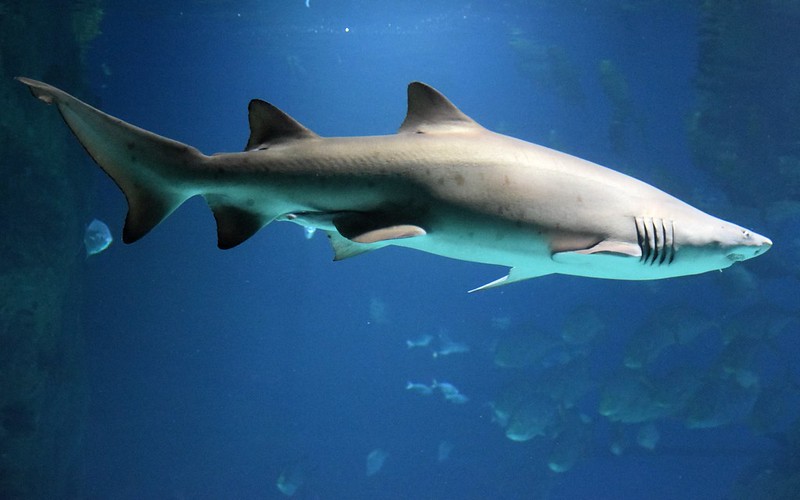
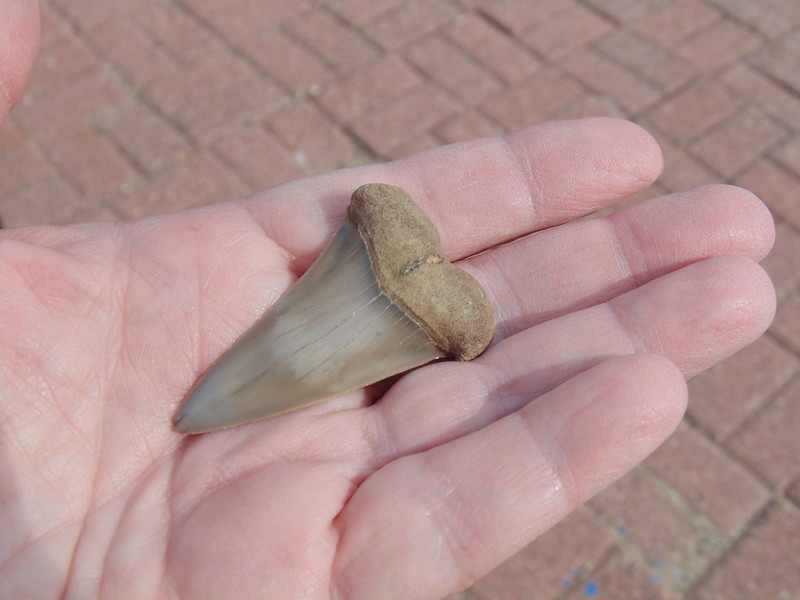
  • Calvert Marine Museum Paleo Prep Lab Megalodon Shark Teeth: Join CMM Exhibits Interpreter Kevin in the museum’s Paleo Prep Lab, as he shares a few fossilized meg teeth and talks about why these massive sharks may have journeyed into the Chesapeake Bay.
  • Calvert Marine Museum Sharkfest:  This year, in lieu of our annual Sharkfest event, we celebrated sharks on Facebook, Instagram, and here on our website during the week of July 6 – 10. We featured brand new footage of the sharks in our care, as well as several educational videos from our museum curators. Downloadable activities to do from home, like instructions for a DIY Megalodon tooth bracelet, will also remain available online!
  • Calvert Marine Museum Otter Cam: Otter indoor cam.
  • Calvert Marine Museum Otter Cam: Otter outdoor cam.
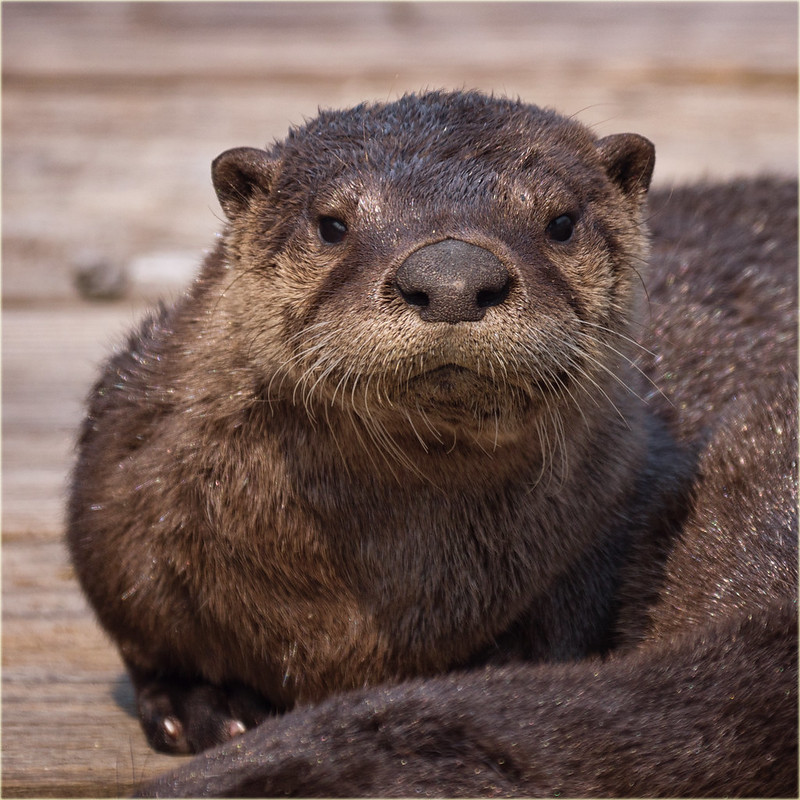
  • Calvert Marine Museum River Otters: Located outside at the head of the Marsh Walk, the River Otter habitat is sure to please. Watch how otters frolic and engage in playing with their favorite enrichment item. You may find one diving into the 8,000 gallon freshwater pool or taking an afternoon nap beneath a favorite hollowed out log. River otters are well suited for life in and around the Chesapeake Bay and its tributaries, though often go unnoticed. In the wild, they tend to be more active during the dusk and dawn hours, their dark fur blending seamlessly into the background. During the day, river otters are often sleeping in their den or mud-bank cave. Healthy otters will generally avoid humans. In nature, otters are atop the food web with few predators. They will eat most anything including fish, insects, birds, reptiles, amphibians, crustaceans and even other mammals. “Squeak” does not have to bother with hunting as all of his food is provided for him. Fish, shrimp, hard-boiled eggs, carrots and various fruits round out their main diet.

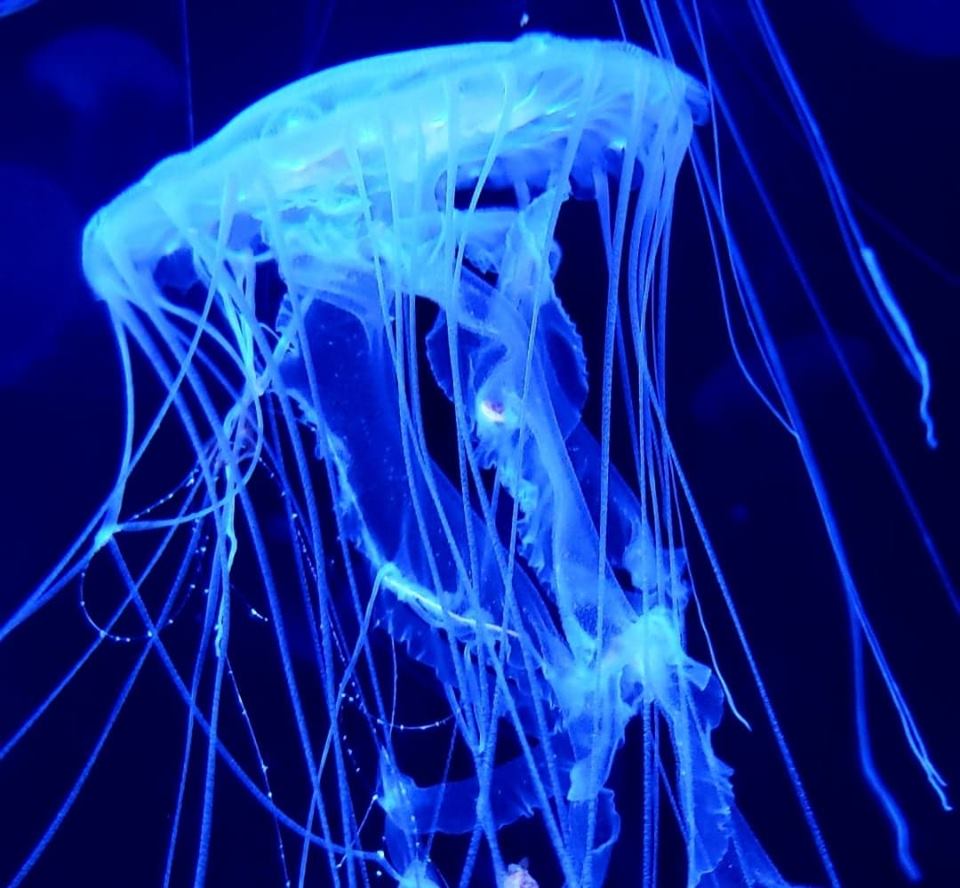
Webcams – You can visit aquariums and such around the globe to observe sea creatures. The Monterey Bay has a wonderful collection of options to explore!

Videos –  Movies like Finding Nemo, Dolphin Tale, Moana and the Little Mermaid go well with this theme.

Books – Check your local library or book stores for books on sea creatures and the ocean!

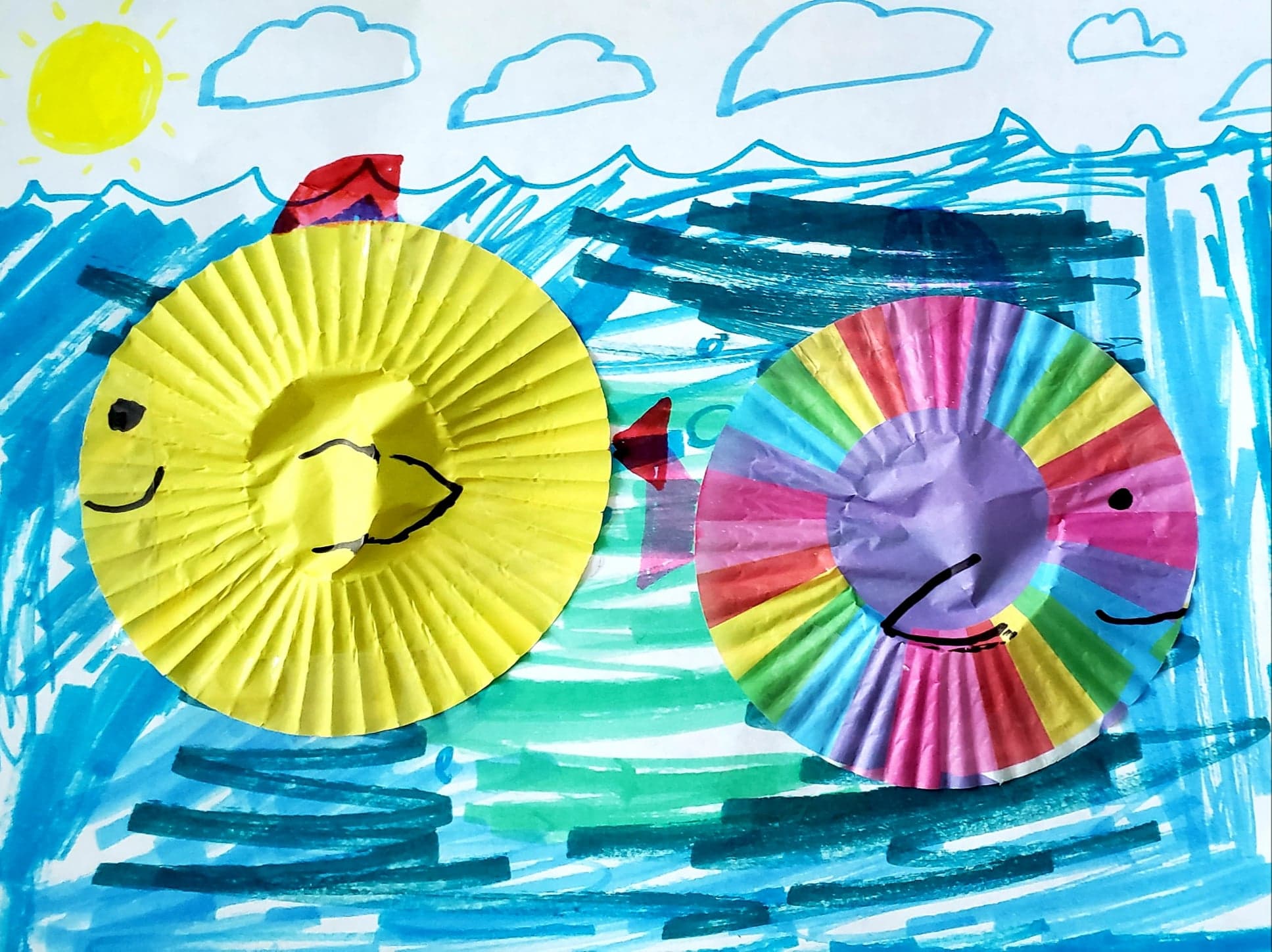
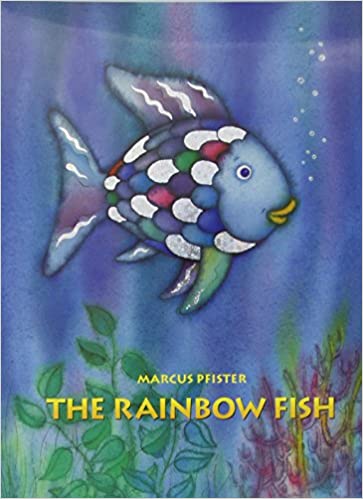
  • The Rainbow Fish is a classic children’s book, your host kids may already own.
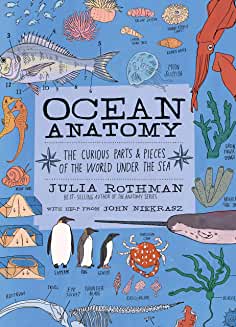
  • Ocean Anatomy – Julia Rothman’s best-selling illustrated Anatomy series takes a deep dive into the wonders of the sea with Ocean Anatomy. Follow Rothman’s inquisitive mind and perceptive eye along shorelines, across the open ocean, and below the waves for an artistic exploration of the watery universe. Through her drawings, discover how the world’s oceans formed, why the sea is salty, and the forces behind oceanic phenomena such as rogue waves. Colorful anatomical profiles of sea creatures from crustacean to cetacean, surveys of seafaring vessels and lighthouses, and the impact of plastic and warming water temperatures are just part of this compendium of curiosities that will entertain and educate readers of all ages.


Photos by: Cynthia Chan; marneejill {flickr}; Michael Ravodin {flickr}

Around the World in 80 Days – Norway

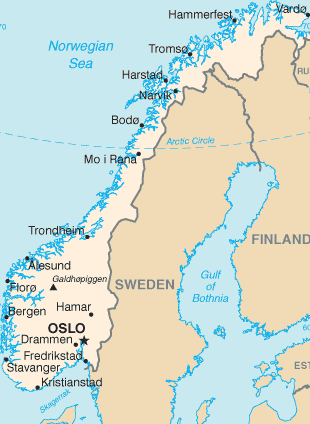
NORWAY

Europe
Capital: Oslo
Languages: Bokmal Norwegian, Nynorsk Norwegian, small Sami- and Finnish-speaking minorities

Diet

  • Most young people in Norway eat meat.
  • Vegetarianism is not common.
  • The typical diet in Norway includes seafood, meat, dairy and fruits.

Religion

  • The most common religion in Norway is Lutheran.
  • Most young people in Norway do not practice their religion regularly.

Education

  • Approximately 50% of young women continue their studies at university.
  • Those who do not attend university study in professional schools, or work in offices or retail stores.
  • The academic year in Norway starts in August and ends in June.
  • University is free is Norway. The most important educational opportunity is to improve their English.

Famous Things:

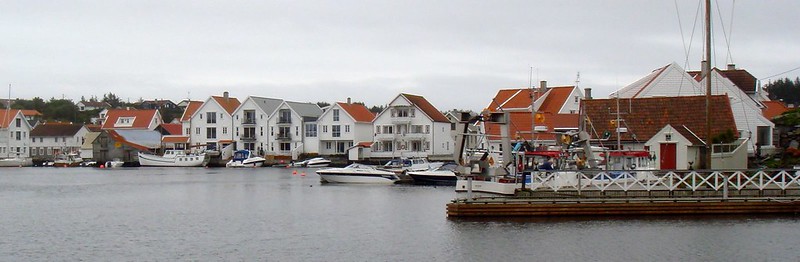
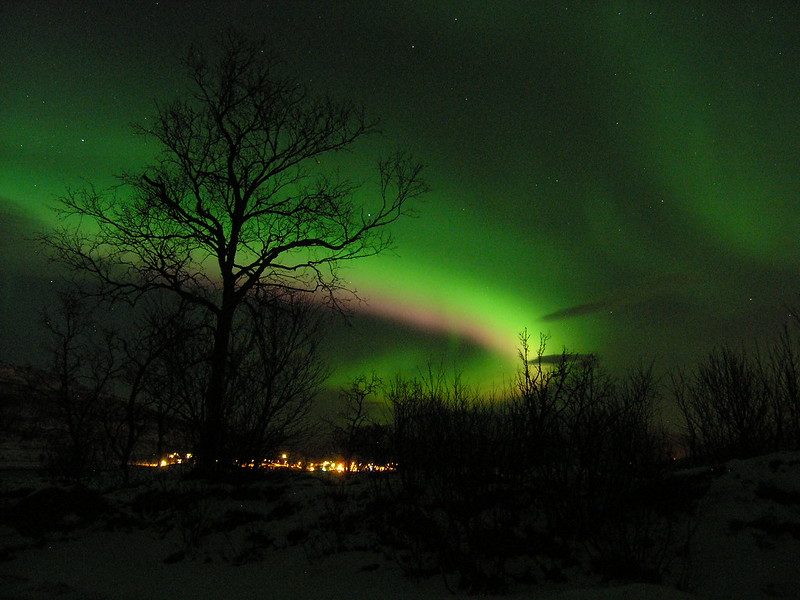
Norway is famous for it’s fjords and the northern lights! No where else can match Norway on the fjord front – there are more than a thousand of them dotting the country’s coastline. Most people visit at least one, but it’s worth trying to visit classics like Lysefjord and Hardangerfjord (home to the Trolltunga rock formation). No trip to northern Norway would be complete without spotting the northern lights. You can see the aurora pretty much anywhere in the central or northern parts of the country, as long as the weather is good.

Photos by: Patrick Nouhailler {flickr}; Gunnar Hildonen {flicker}

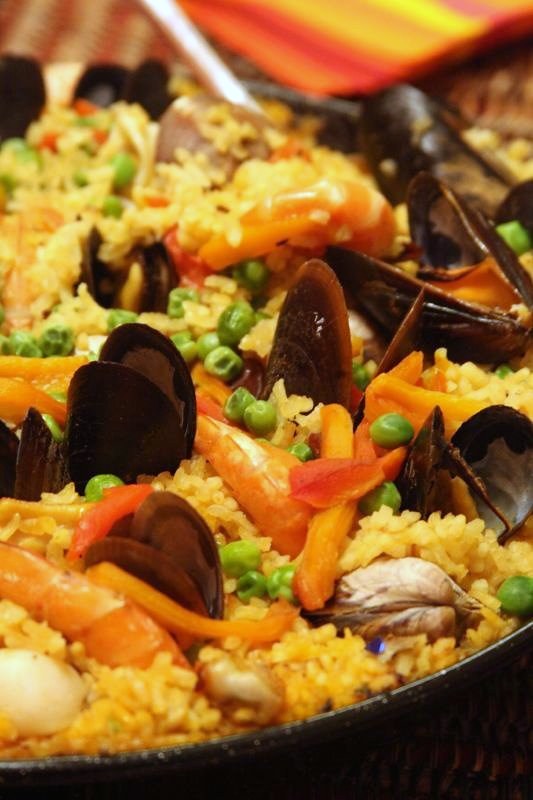
Around the World in 80 Days – Spanish Shrimp & Rice Recipe

Spanish Shrimp and Rice: 

Ingredients:  

  • 3 tablespoon olive oil 
  • 2 cloves garlic 
  • 1 small onion (chopped) 
  • ½ teaspoon turmeric 
  • 1 medium tomato (chopped) 
  • 1 small carrot (diced) 
  • ½ red pepper (diced) 
  • 1 lb. of shrimp 
  • 1 ½ cup converted rice 
  • 1 tablespoon parsley 
  • ½ cup peas 

Instructions: 

  1. Heat oil in a large deep skillet over medium heat. Add onion, garlic, turmeric and cook for about 3 minutes. 
  2. Add tomato, carrot, and bell pepper and cook until tender.
  3. Add ¾ teaspoon of salt and pepper and shrimp. Cook for about 1 minute.
  4. Add 2 cups of water, rice, ½ tablespoon of parsley and bring to a boil.
  5. Lower heat to medium low, and cover skillet for about 15-20 minutes.
  6. Add remaining parsley and ½ peas and cover skillet for 5 minutes.
  7. Fluff rice and serve. 

Photo by: www.bluewaikiki.com {flickr}

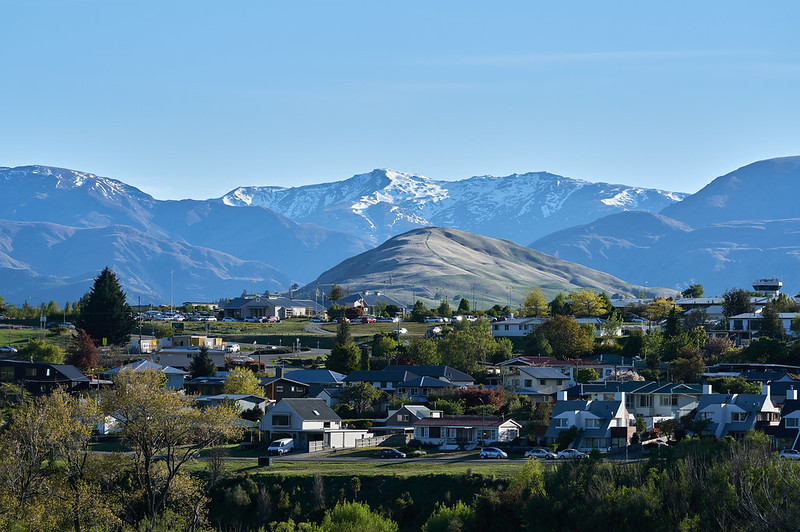
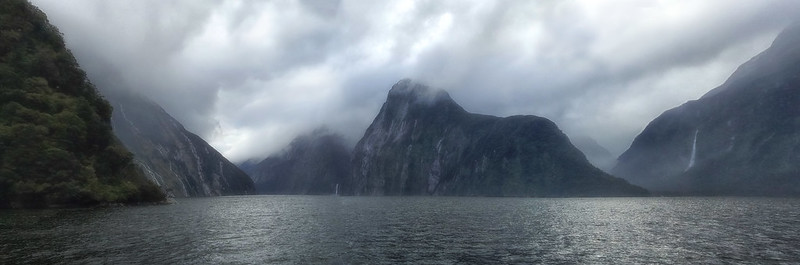
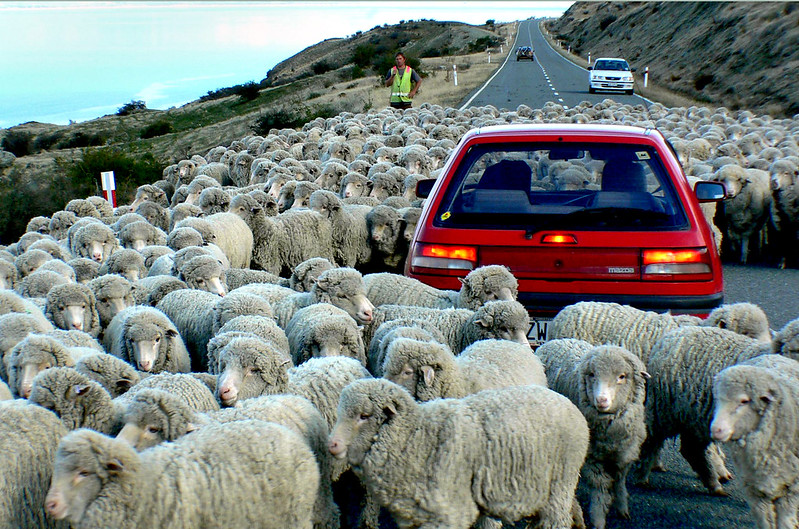
Around the World in 80 Days – New Zealand

NEW ZEALAND 

Oceania
Capital: Wellington
Languages: English, Māori

Au Pairs in General

  • The idea of being an au pair is not well-known in New Zealand.
  • Applicants from New Zealand are motivated by cultural curiosity.
  • The job potential of an au pair improves upon her return to New Zealand.
  • Applicants do not have difficulty affording the program fees.
  • Young people in New Zealand have the freedom of their family to socialize and date.
  • Curfews are not common.
  • Young women are accustomed to sharing in household chores.
  • The people of New Zealand describe themselves as reserved, friendly, and hard working.
  • Others may consider New Zealanders’ style of communication confrontational. This stylistic  cultural difference should be taken into consideration when they are encouraged to speak their mind.
  • The academic year in New Zealand starts in February and ends in November.

Photos by: Pedro Szekely {flickr}, John Fowler {flickr}, Bernard Spragg NZ {flickr}