
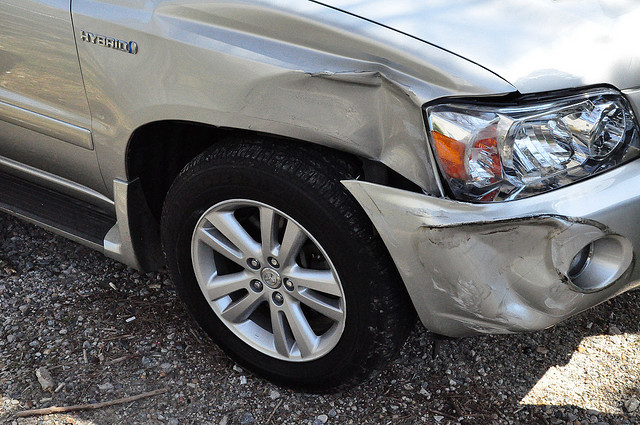
 Having a car accident is a very upsetting, stressful situation. Being prepared and knowing what to do can make things a little bit easier. Make sure you know which host parent to call in case of an accident.
Make sure you have all the necessary documents in your car glove box. Read this post on What to Keep in the Car Glove Box for a detailed list.
If you have an accident: (from Edmunds.com)
- Keep Safety First. Drivers involved in minor accidents with no serious injuries should move cars to the side of the road and out of the way of oncoming traffic. Leaving cars parked in the middle of the road or busy intersections can result in additional accidents and injuries. If a car cannot be moved, drivers and passengers should remain in the cars with seatbelts fastened for everyone’s safety until help arrives. Make sure to turn on hazard lights and set out cones, flares, or warning triangles if possible.
- Exchange Information. Print this Car Accident Emergency Form to keep in the car. After the accident, exchange the following information: name, address, phone number, insurance company, policy number, driver license number, and license plate number for the driver and the owner of each vehicle. If the driver’s name is different from the name of the insured, establish what the relationship is and take down the name and address for each individual. Also make a written description of each car, including year, make, model and color — and the exact location of the collision and how it happened. Finally, be polite but don’t tell the other drivers or the police that the accident was your fault, even if you think it was.
- Photograph and Document the Accident. Use your camera to document the damage to all the vehicles. Keep in mind that you want your photos to show the overall context of the accident so that you can make your case to a claims adjuster. If there were witnesses, try to get their contact information; they may be able to help you if the other drivers dispute your version of what happened.
Image: cygnus921 (Flickr)
 With schools in session and many new au pairs who have recently arrived, I wanted to remind everyone about what to do in different situations with school buses. If you have questions, please ask me or your host parents.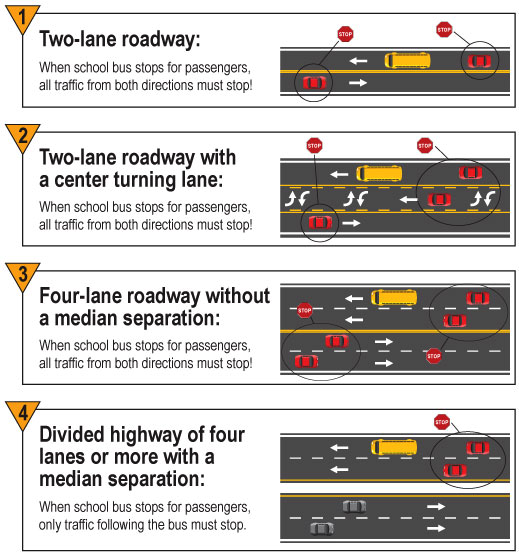
 Au Pairs – Imagine for a moment that you went to the hospital and you were in the care of doctors and nurses. How would you feel if those doctors and nurses who were there to care for you were more interested in texting or using their personal computer than caring for you? How would that make you feel, about yourself and about them? Would you think that you were getting the treatment you deserved? Would you feel like paying the bill after your stay?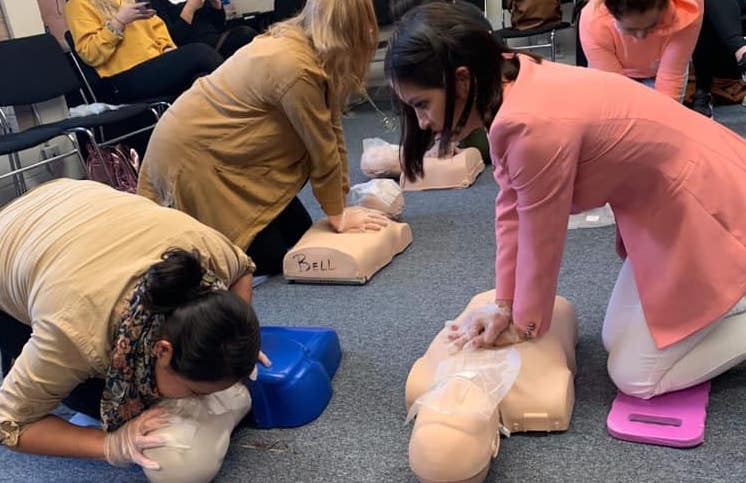
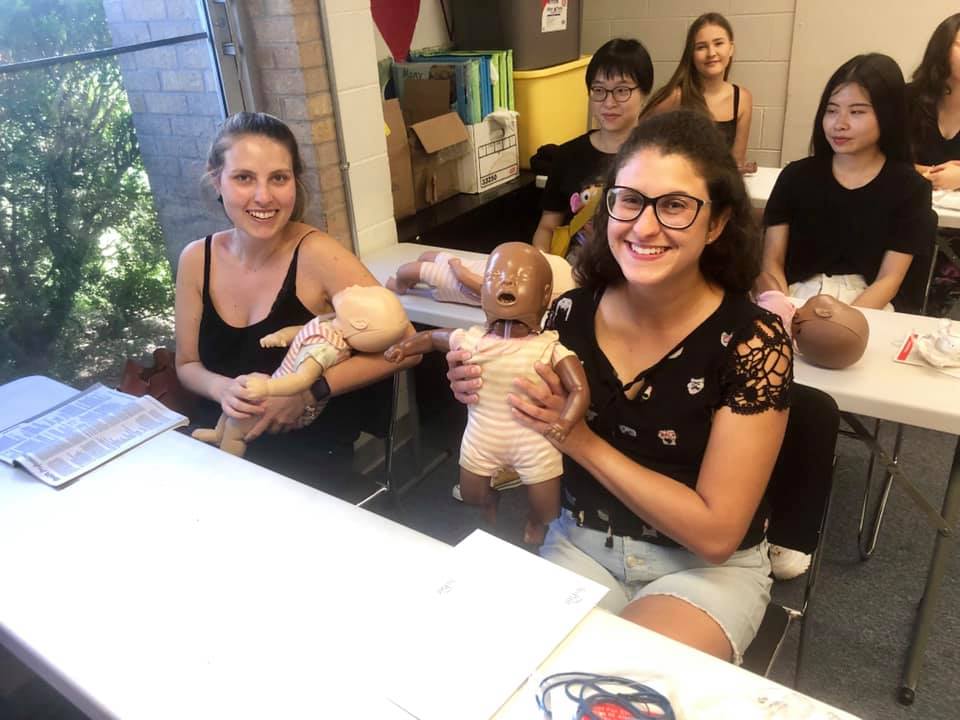 Classes are available through the Red Cross. Au Pair in America will pay for the cost of a class providing an au pair has at least six months left on her visa and is taking one of several approved childcare/child safety-related classes, such as Adult and Pediatric First Aid/CPR/AED. Au pairs should check with their community counselor and host family before signing up. Au Pair in America will register the au pair directly.