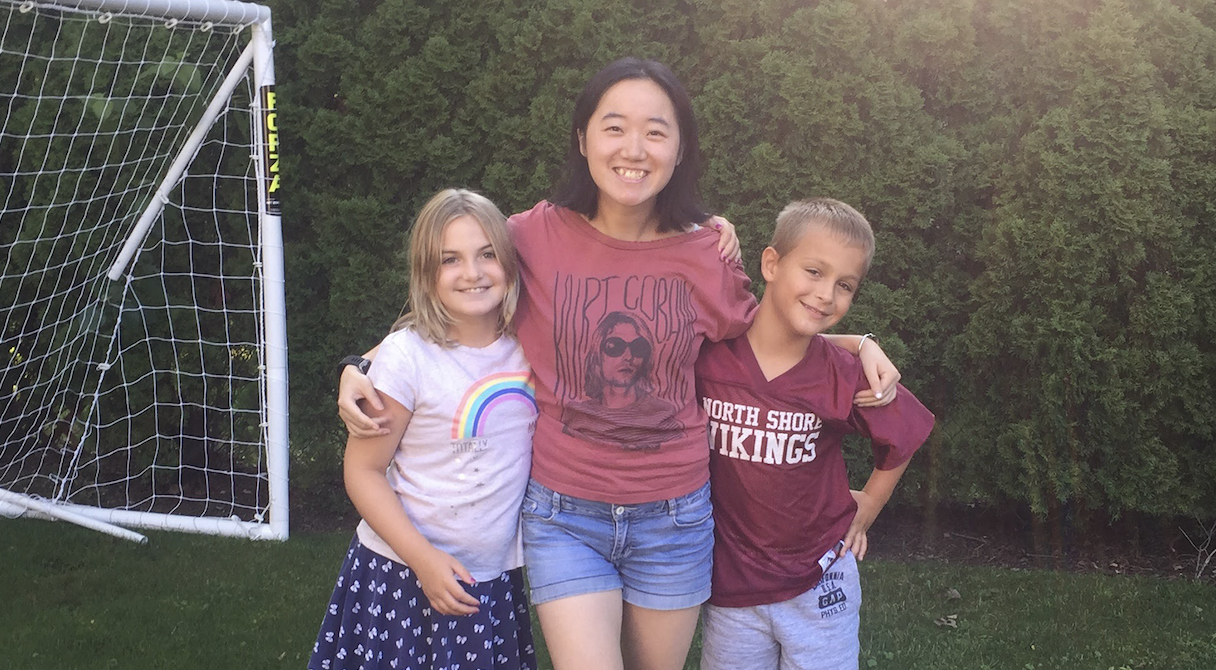
With longer days, warmer weather, and a more open schedule, the summer is the perfect season for children to try new outdoor activities that are both fun and inspire learning. Outdoor summer activities don’t have to be overcomplicated or structured. They often just need to make room for play, exploration, and the kind of independent discovery that helps kids grow. These outdoor summer learning ideas are designed to prevent the “summer slide” caused by learning loss and keep kids engaged without screens, creating a season filled with curiosity, growth, and unbridled joy—and one that won’t leave them struggling to catch up when school arrives in the fall.
Discover how to prevent summer learning loss with these outdoor summer activities for children!
Preventing Summer Learning Loss
While summer vacation is meant to be a time of fun and recreation, it shouldn’t be devoid of learning. Research consistently shows that children lose ground academically over the summer months, a phenomenon known as the “summer slide.” The gap tends to widen with each passing year, and by the time children reach middle school, the cumulative effect can be quite significant.
Fortunately, keeping children’s minds active over the summer and preventing summer learning loss often doesn’t require summer school or structured lessons. Incorporating intentional outdoor learning activities is often enough to keep their learning active throughout the season.
Moreover, the natural environment offers additional benefits that perfectly suit the warm summer weather. Research has found that time spent in nature improves attention, reduces stress, and makes children think about their surroundings. Children who spend their days outdoors rather than inside on their screens tend to be more observant, more creative, and more open to learning new things.
Outdoor Learning Ideas for Summer
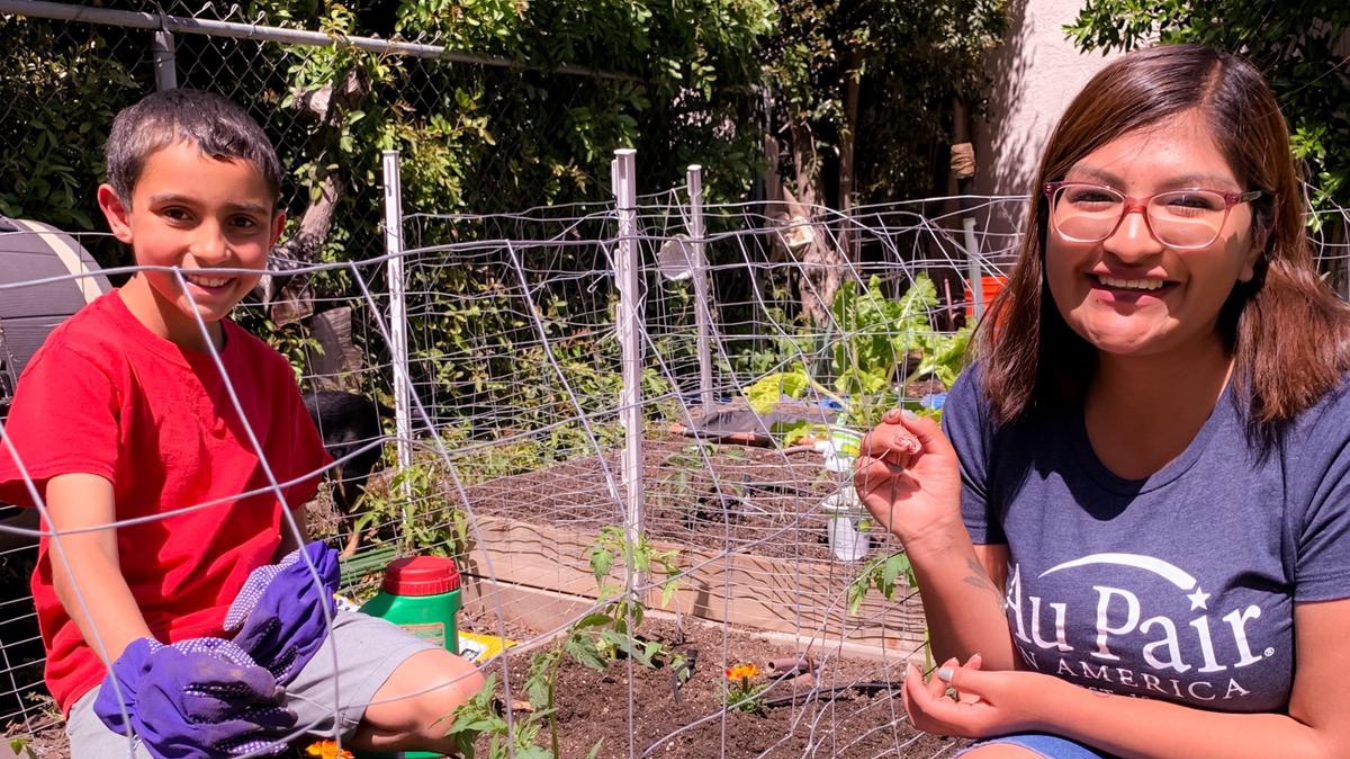
Gardening
There are few educational summer activities as rich and rewarding as gardening. Gardening teaches biology, ecology, math, patience, and responsibility—all while getting children to actively work with their hands and watch something grow in real time. Not only that, it’s a practical skill and a calming hobby that connects the gardener to their environment and the Earth at large.
Just like starting any undertaking, it can help to start small, especially with young children. Begin with a few pots on the balcony, a raised bed in the backyard, or even a single tomato plant by a sunny window. If you have your own garden, you can allot your child a row or section that is completely their own. No matter what their garden looks like, make sure they take ownership of it. They can use a journal to track growth, research, record what each plant needs, and problem-solve when things don’t go according to plan. By late summer, they should have something to harvest.
Nature Journaling
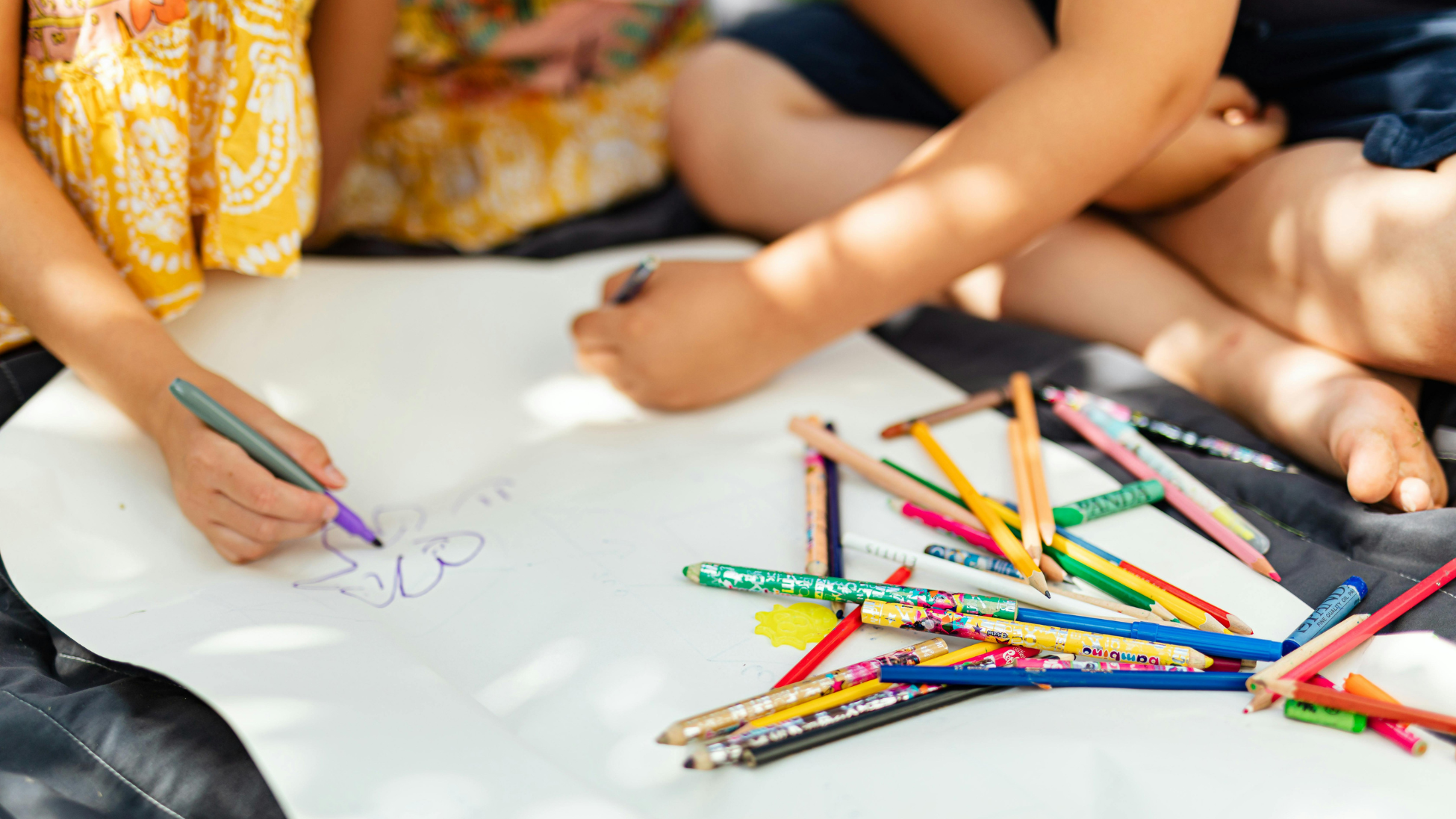
Nature journaling is an educational summer activity for children that can be combined with others, such as gardening and outdoor exploration. It’s simple too; all it requires is a notebook, something to write or draw with, and a moment outdoors to slow down, observe, and reflect.
Nature journaling combines time spent outdoors with writing and drawing. For young children, it’s an excellent opportunity to maintain their writing and reading skills during the summer months, and for older kids, it’s a chance to further develop their writing skills and keep track of their environment while building the valuable ability to observe and reflect.
For children who struggle to sit still, nature journaling works best when it’s tied to movement. Head out for a walk with the express purpose of finding one interesting thing (it could be a bird, a tree, a river, a bug, or a rock formation), then have them stop and sketch it and write a few lines about it. This simple outdoor summer activity for kids builds the habit of observation that underpins so much of science, art, and creative thinking.
Outdoor Science Experiments
There are tons of fun and engaging outdoor science experiments—many of which can be made with household supplies. A few of our favorite outdoor science experiments for summer include:
- DIY sundial: Make a simple sundial at home with a paper plate, a timer, a compass, and a pencil. With older children, you can introduce how your latitude affects the accuracy of the sundial. Plus, it’s a great opportunity to learn more about the relationship between the Earth and the Sun and how the rotation of our planet affects day and night.
- Pine cone investigation: Head out to your local park or forest to gather some pine cones. Bring them back home, measure them, record any other observations, and then place them under different conditions to track how they change. You might keep one outside, one by the window, and one in a bowl of water to see how heat and moisture affect their size and shape over time.
- Design and build a bug hotel: Bugs are a necessary part of every ecosystem. They pollinate plants, fertilize soil, eat pests, and feed birds and other animals. Due to pesticide use and habitat destruction, many bug populations are declining, which can negatively impact the environment as a whole. A great way to support local insects is to build a bug hotel out of recycled household and backyard materials such as cardboard, toilet paper rolls, sticks, and wood.
- Solar oven s’more: Who says you need a campfire to make delicious s’mores? Harvest the power of the sun with a DIY solar oven to make s’mores in the backyard. All you need is a cardboard box, aluminum foil, a small metal tray (a foil takeout tray works well), plastic wrap, tape, as well as graham crackers, chocolate, and marshmallows to make a delicious treat outdoors. Not only is this a fun and tasty outdoor summer activity, but it’s a great way to introduce the power of solar energy and inspire them to learn more about the science behind this renewable energy source.
Cultural Outdoor Games
Every family, neighborhood, and region of the world has some unique games that children grow up playing. The summer is a great time to explore what other games children play around the world. For families hosting an au pair, this is an excellent opportunity to learn more about your au pair’s home country and take part in a meaningful cultural exchange—and who knows, you might just find a game you love so much it becomes your family’s new summertime tradition!
- Jegichagi: Jegichagi is a Korean outdoor game in which two or more players kick a paper jegi (similar to a shuttlecock) into the air to keep it aloft. This game involves teamwork and some level of competition, as nobody wants to be the one who lets the jegi touch the ground. Families hosting an au pair from South Korea are encouraged to gather together outside and see how long they can keep the jegi in the air!
- Hoop rolling: Hoop rolling is a simple and widely popular game throughout Africa, the Americas, Europe, and Asia. The game has deep historical roots, with records dating back as far as 1000 B.C. in China. The goal of the game is generally to use a stick to keep a large hoop or tire upright and in motion for as long as possible. It’s perfect for only children who enjoy playing by themselves and can be combined with hula hooping to add a bit of variety. For families hosting an au pair from Africa, this is a great way to engage the children in a fun cultural activity they can do whenever they have some downtime.
- Kangaroo race: For high-energy children who love to move, this outdoor cultural game from Aboriginal Australians is an ideal summertime game. To imitate a kangaroo’s movement, children hop with their feet together and their arms held close to their bodies, racing one another toward the finish line. For big families and group playdates, this is a joyful activity that will have everyone nice and tired in no time!
- Gato y ratón: This game requires several participants, and is perfect for big families or playdates where several children can all join in. Players stand in a circle and join hands, while one student (el ratón, meaning “mouse”) stands in the middle of the circle. Another child stands outside the circle (el gato, or “cat”) and tries to tag the mouse while those who make up the circle move their hands in an attempt to block the mouse.
In addition to learning the words for “cat” and “mouse” in another language, this is an excellent game to play with a Spanish-speaking au pair who can add more Spanish words into the mix and support early language learning.
Learning Through Play
Play is at the center of all of these outdoor summer activities for kids—and that’s because children learn best when they don’t even realize they’re doing it. Learning activities that children enjoy stick with them and inspire them to learn even more.
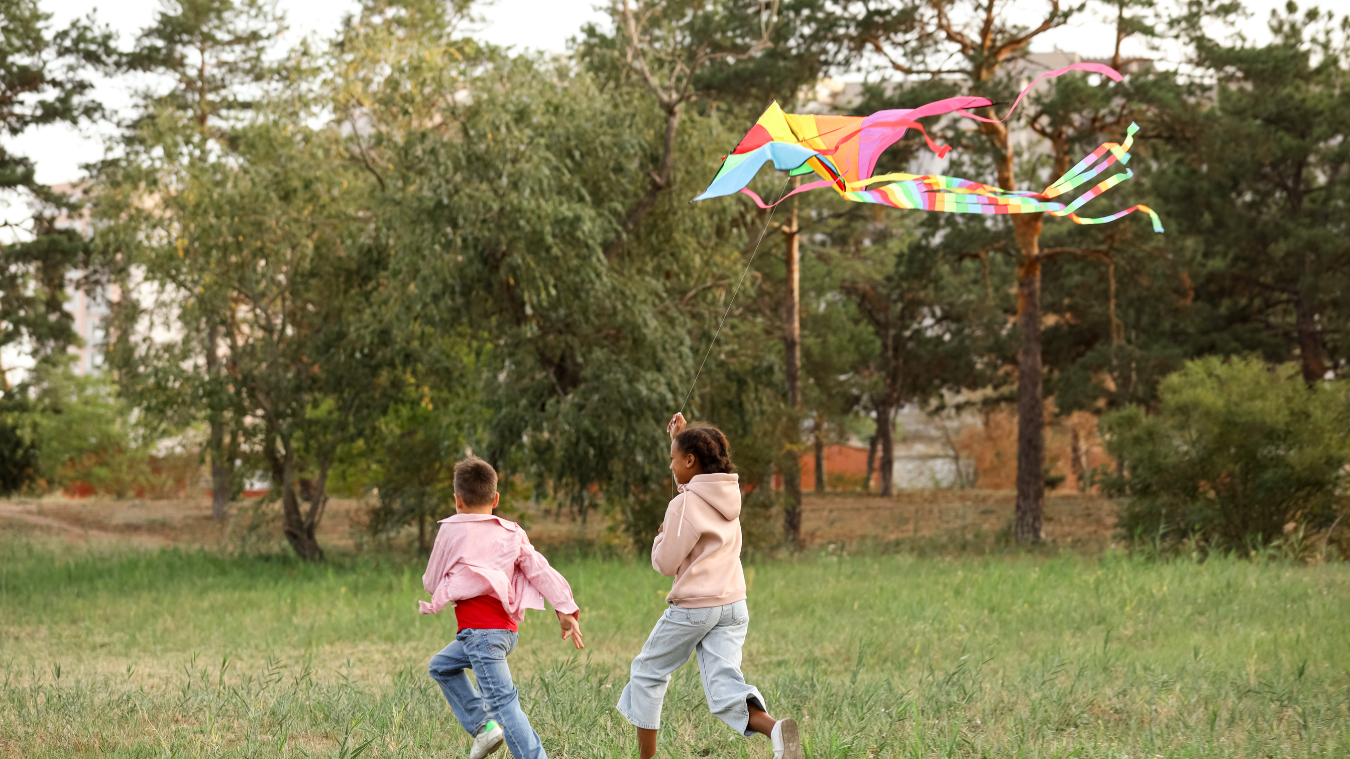
Another way to encourage learning through play is to ensure there’s a caring, engaged adult who gets outside with children, asks questions alongside them, introduces new games from their culture, and brings their own curiosity to daily life. For families hosting an au pair, an engaged, playful presence is one of the most natural and valuable things about enjoying the summer—and every season.
Slide into a summer filled with learning, play, and childcare you can trust—when you host an au pair with Au Pair in America.
The best summer learning ideas are often the simplest ones. They’re the moments that happen when the kids put down their screens, step outside, and begin exploring what’s been right in front of them the whole time: the buzzing of the bumblebees in the garden, the smell of the backyard peonies, the creative inspiration that comes when there’s nothing to distract them from their own mind and the world around them.
For parents looking for a trusted partner in outdoor learning—someone who can share their culture, introduce new traditions, and learn about yours—an au pair is worth some thought. Discover how an au pair can help your children grow in all seasons with Au Pair in America.
