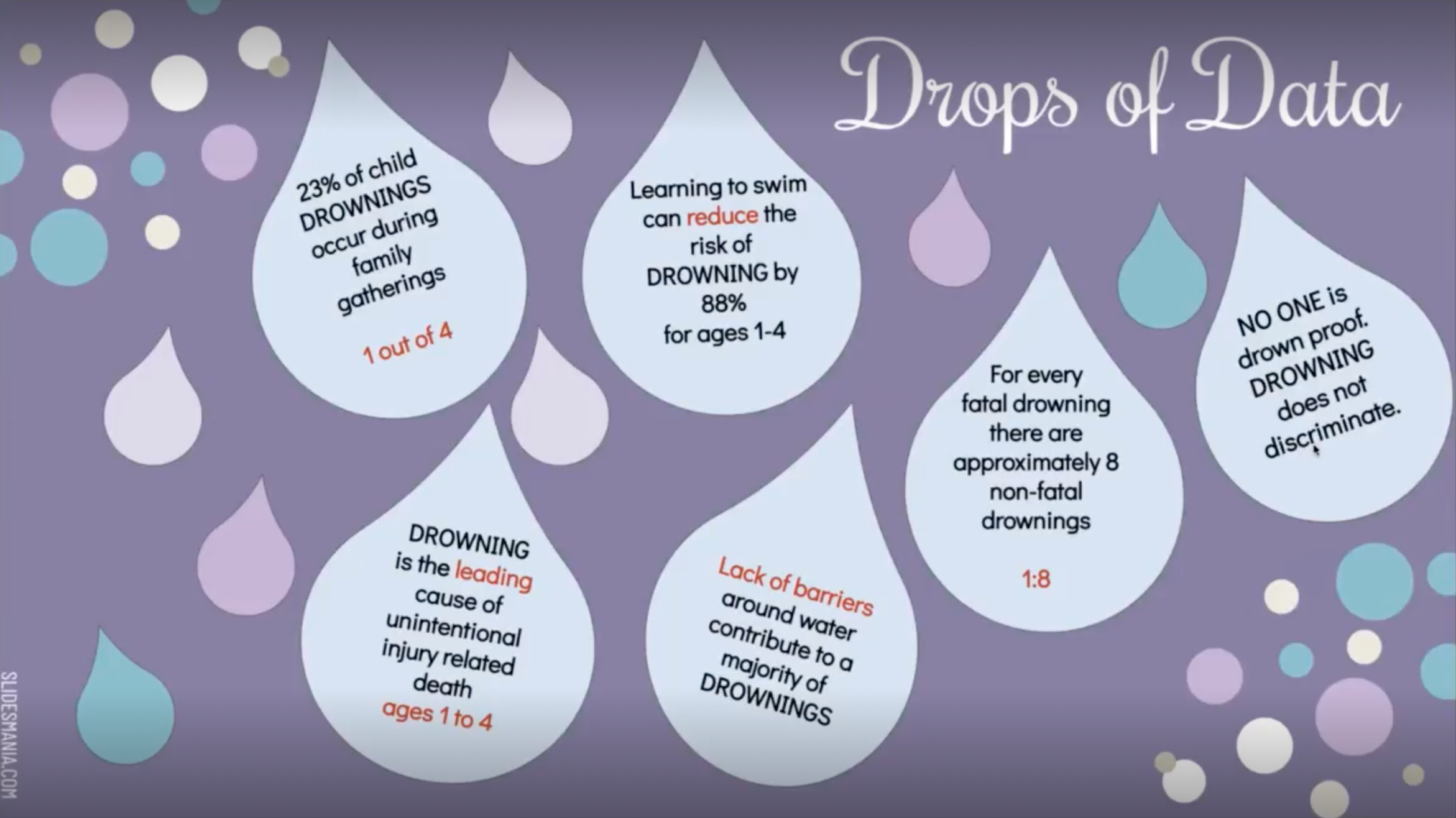
For our May Cluster Meeting, we met at Greenbelt Park. Au pairs got a chance to socialize and try the American campfire favorite, s’mores. We also discussed summer childcare safety and how to spot ticks.
And we celebrated a birthday.
These tips are not intended to scare you, but to make you aware of some simple things you can do to prevent being the victim of a crime.

Photo: Antonio Touriño
Holidays and vacations are a great opportunity to rest, recharge and explore the U.S.

Memorial Day Weekend (May 23-25 this year) is the unofficial start of summer travel season. Here are some reminders about program rules regarding holidays and vacations.
Holidays
Vacations
Travel Outside the U.S.
Photo: Canva.com
We live in a time of constant sharing through social media. We often share pictures, plans of somewhere we are going, or rants about problems, without thinking much about who will see it and what could be the consequences.
Before clicking “post”, stop to think:
This will help protect your privacy and safety as well as that of your host family. It is important to respect your host family’s privacy and not share personal details and information. This applies to all kinds of situations, including personal conversations, email, and social websites.
For your own safety, it is a good idea to be careful what personal information you share about yourself as well. You should not give out information like your telephone number and address to people you don’t know. Safer to meet a new friend in a public place, than to give them your address before you know them.
Once you post something on the Internet (even if you later delete it), it can show up elsewhere. Unless you have specific permission from your host family, you should never post pictures of them, their children, or their home on the Internet.
If you have a blog or website where you post in your native language, remember there is translation software. So, even if you say it in your native language, be sure it is not something that might be misinterpreted in translation or something you will regret saying.
Reminder: Use of your phone during work hours should be very limited, just checking for messages from your host parents. It is important that you are not distracted by your phone. Giving your full attention to work keeps your host children safe and helps you form a better relationship with them.
In celebration of Au Pair in America’s 40th birthday in 2026, our April cluster meeting was a festive birthday-themed gathering. We marked the occasion with fun activities, including bingo and a team game where participants competed to name as many U.S. states as possible. Everyone enjoyed cupcakes as part of the celebration.
In addition to the festivities, we also completed a meaningful service project. Each participant brought supplies to assemble birthday bags for donation to a local food pantry. The bags included cake mix, frosting, candles, and other party essentials—helping ensure that families in the community can celebrate special moments together.
“Game plan” means a strategy for how you are going to accomplish something. In the case of keeping kids from getting bored and/or into trouble, the best way to prevent it is to keep them busy with safe, fun activities.

When there are days home from school, letting kids sit around watching TV or playing video games is not the best use of their time. Providing fun alternatives will make it much easier to pull them away from the screen.
You need to make a plan of what you will do with them each day and prepare for that. Planning is very important. You don’t want to tell them you are going someplace fun, only to arrive there and see they are not open that day or you need to bring something and you don’t have it.

If your plan includes a craft or cooking project, make sure you have:
If your plan includes an outing to someplace fun, figure out:
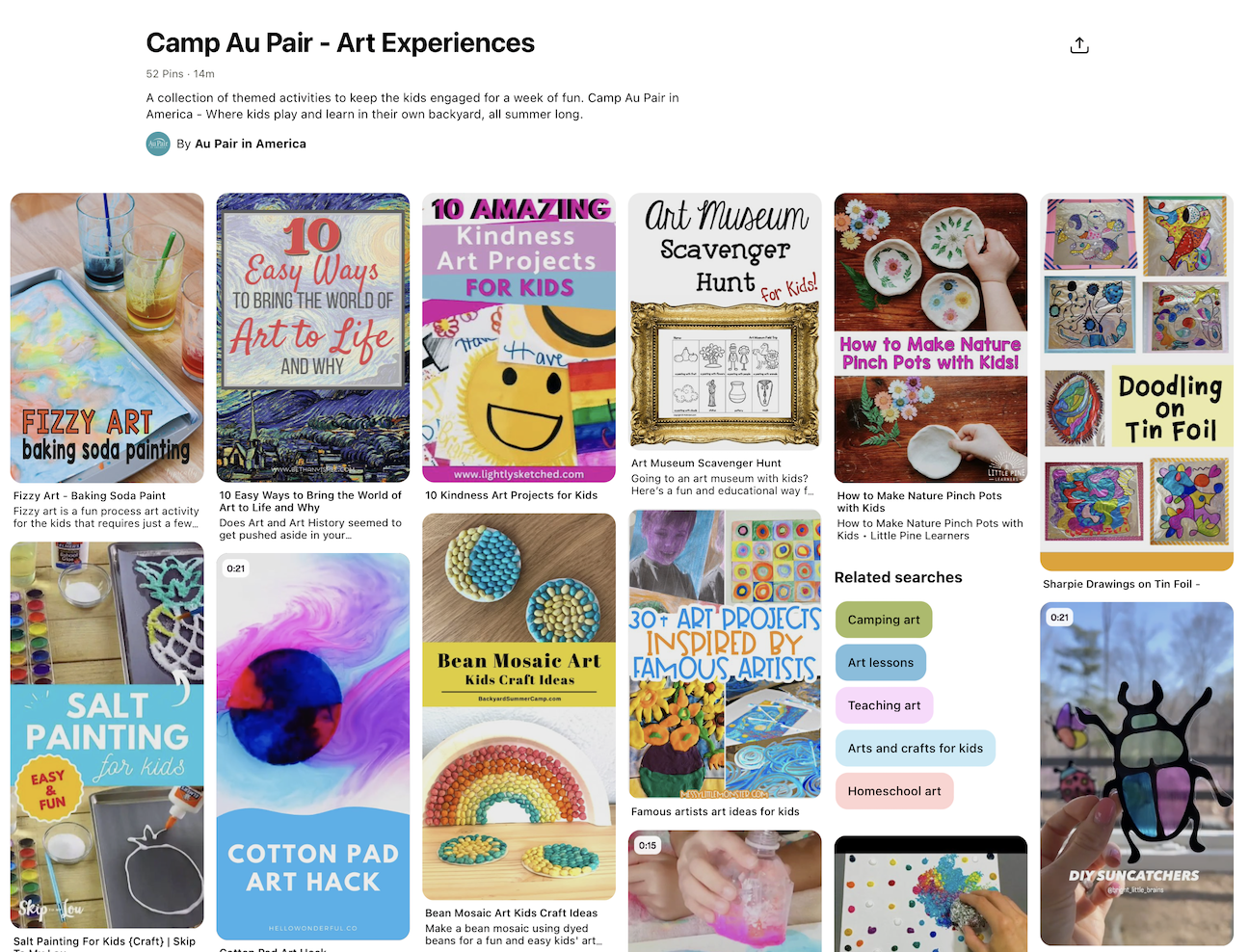
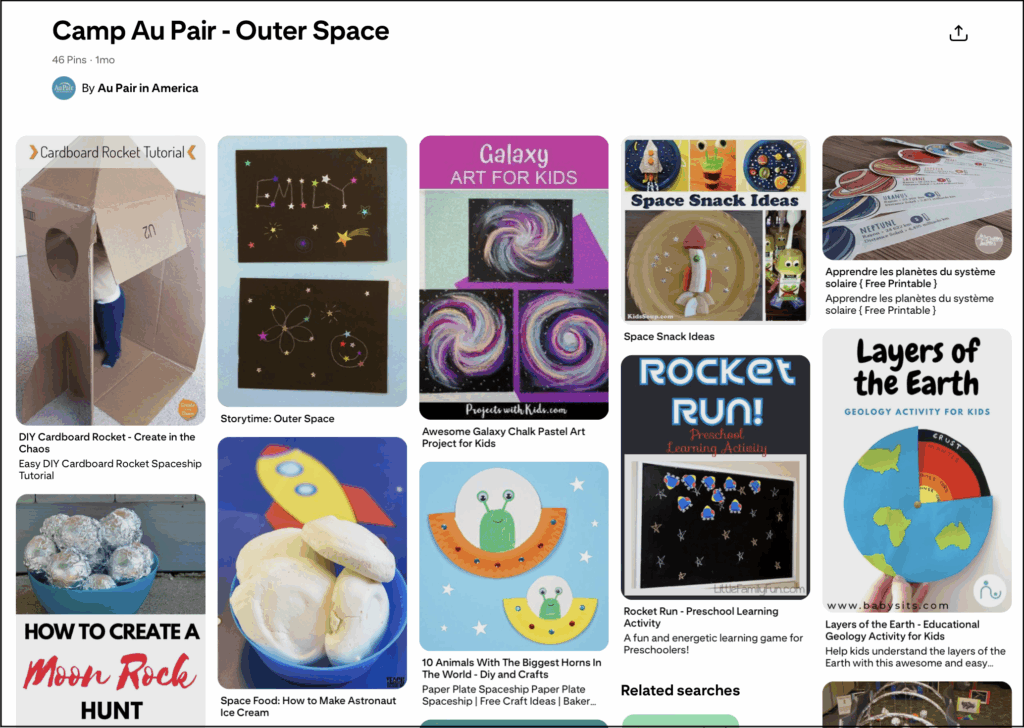
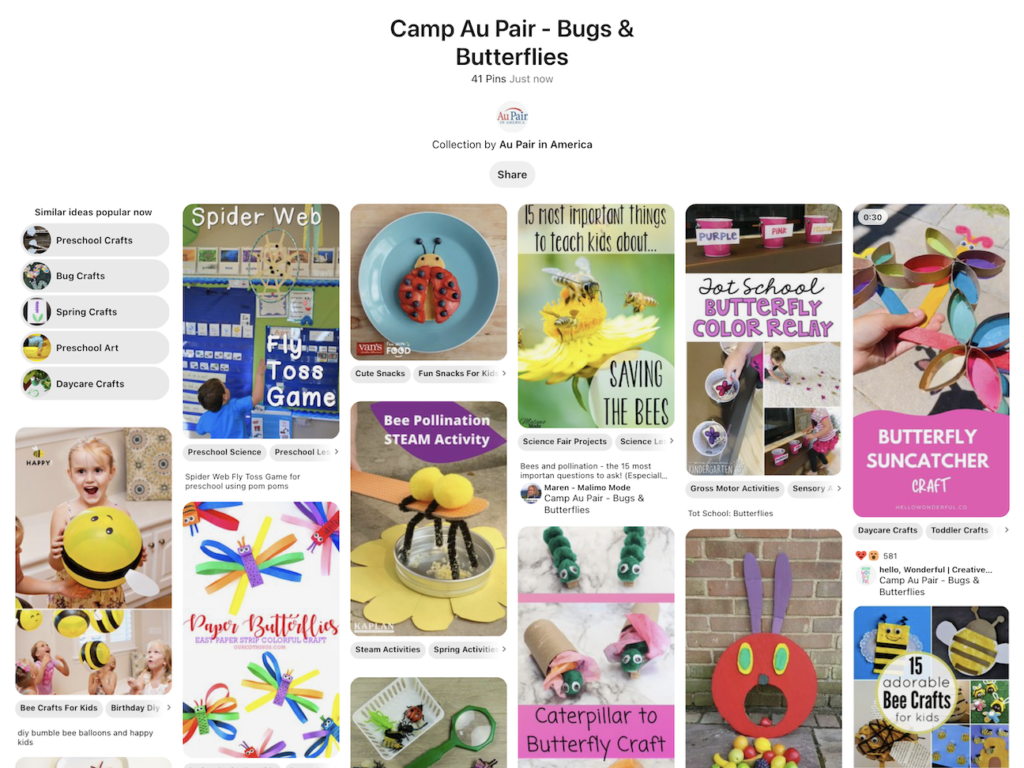
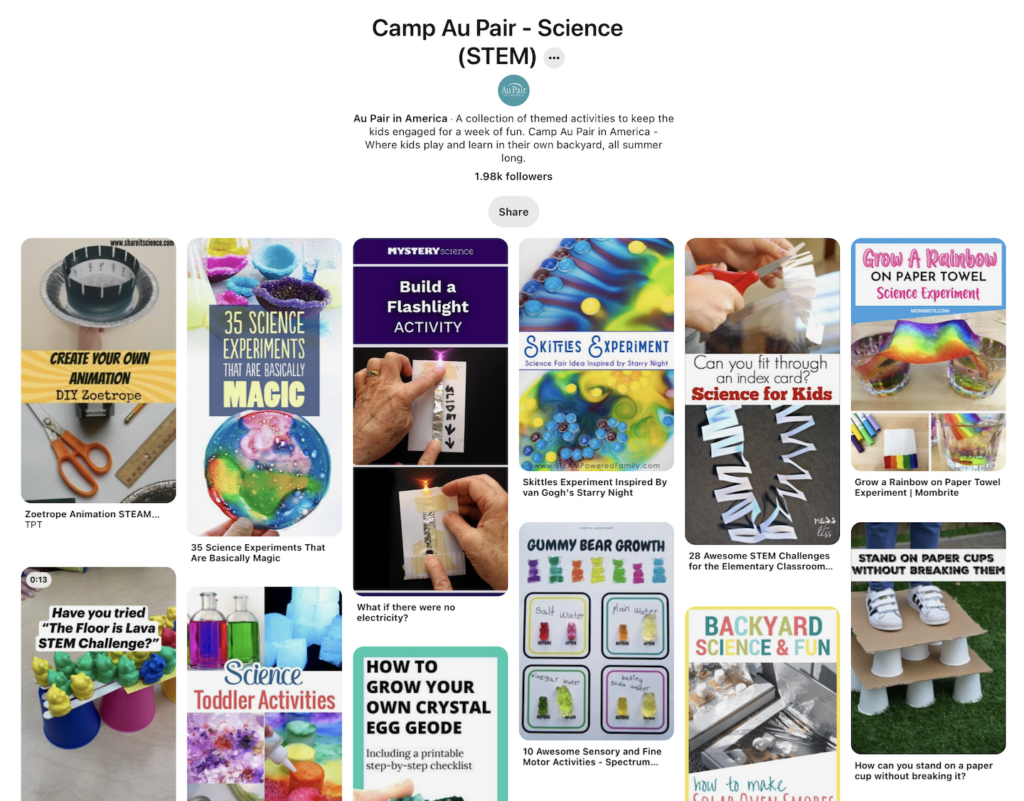
Use some of these online resources to find activities and recipes:
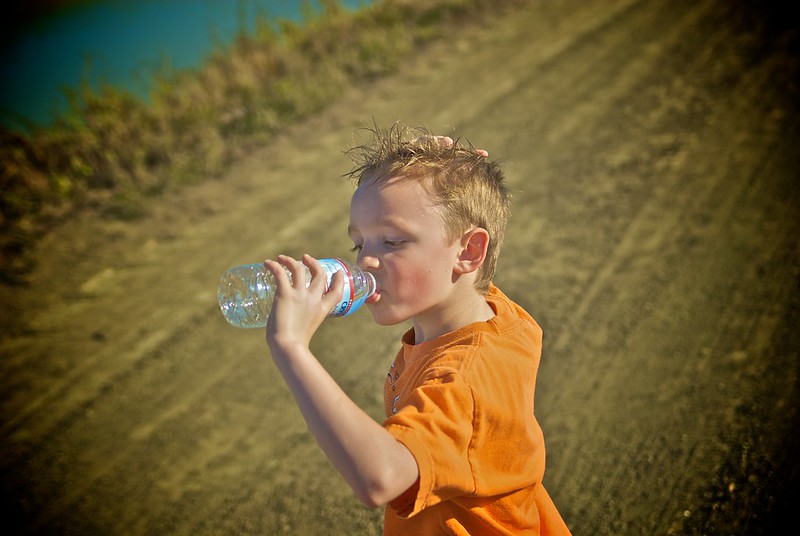
Photos: vmiramontes (Flickr) & tasty.co

The National Cherry Blossom Festival is an annual event that celebrates springtime in Washington, DC as well as the 1912 gift of the cherry blossom trees and the enduring friendship between the people of the United States and Japan. This year’s festival will be MARCH 20-APRIL 12! This year the events are back in-person.
The predicted peak blooming period of the cherry blossoms for this year is MARCH 29-April 1.
Blossom Kite Festival – Saturday, March 28, 2026
Washington Monument Grounds (Smithsonian Metro)
10 am-4 pm
Petalpalooza Festival & Fireworks – Saturday, April 4, 2026
Capitol Riverfront Navy Yard Metro. Official fireworks will be visible from Anacostia Park
1-9 pm, Fireworks around 8:30 pm
Cherry Blossom Parade – Saturday, April 11, 2026
Constitution Avenue from 7th to 17th Streets, NW
11 am-1:30 pm
The one-mile length of the Parade route is accessible from multiple Metro stations. Spectators who are standing along the free & accessible portions of the route from 9th to 15th Streets should utilize the following Metro stops:
There are many more great events, visit the festival website for more information.
Helpful links:
Cherry Blossom Festival Website
National Park Service Bloom Watch
Metro Website (use the trip planner feature on this website to find the metro options, taking the metro is much better than driving for the festival events)
Photo & Video: National Cherry Blossom Festival
Just because a child is old enough to occupy themselves, doesn’t mean that they should be expected to do so the majority of the time. Host families have a certain expectation of activity and involvement for their children. Get the kids engaged and active. You can be more fun than the TV or a video game.

Problem:
But, my kids don’t want to do anything but watch TV or play video games.
Solution:
Instead of saying, “Would you like to (fill in the blank with any activity)? The answer will often be, “No.”
Try this, “Now we are going to (fill in the blank with any activity.) or “Would you rather do _____ or ______?” Make sure both the choices are good options.
Your chances of co-operation are greatly increased. Even kids who are reluctant to try new things will usually get in the spirit of things and have fun if you pick a good activity.
Problem:
I don’t know what to do with school-age kids.
Solution:
Look for ideas online. Google “activities school-age kids” or “activities tweens”. You can also take part in an au pair webinar on this topic. Below is a list of some ideas to get you started.
As part of Au Pair in America’s continuing education webinar series for au pairs , there is a session with advice on working with teens. Be on the lookout for the next time that topic is offered.
Being knowledgeable in basic first aid and CPR is important for au pairs (and anyone else caring for children). Au Pair in America’s commitment to infant/child safety begins before au pairs arrive in the U.S., with pre-arrival training and continues throughout the au pair year.

#1 Training At Orientation
Our orientation training includes a course by the American Red Cross on infant/child CPR and safety. Additional child safety training covers a variety of aspects of child safety and cultural differences in common childcare practices.
#2 Enroll in a Red Cross Certification Class
After settling into their host community, all au pairs are encouraged to complete an Infant/Child CPR and First Aid certification program. Au Pair in America will pay for this training through the American Red Cross.

Classes are available through the Red Cross. Au Pair in America will pay for the cost of a class providing an au pair has at least six months left on their visa and is taking one of several approved childcare/child safety-related classes, such as Adult and Pediatric First Aid/CPR/AED. Au pairs should check with their community counselor and host family before signing up. Au Pair in America will register the au pair directly.
To locate a class, visit www.redcross.org/takeaclass. Email Christine or Lisa the link to the class you have selected and they will have Au Pair in America complete registration.
#3 Stay Current on Safety Information
The official American Red Cross First Aid app puts expert advice for everyday emergencies in your hand. Available for iPhone and Android devices, this app gives you instant access to the information you need to know to handle the most common first-aid emergencies. With videos, interactive quizzes, and simple step-by-step advice, it’s never been easier to know first aid. Download the app for free from the American Red Cross website or in your app store.
Photos: Robin Leon
You may receive texts, emails and phone calls from scammers posing as government agencies putting pressure on you to take action by sending them money. It is NOT NORMAL for government agencies to contact you by text for the purpose of collecting money you owe. Never click a link and take action on one of these messages without first showing the message to your host parents. 99.9% of the time when you get something like this it is a scam.
Below are two screenshots of some texts I received recently. I have highlighted some of the red flags that help you realize it’s a scam. If you do have a pending traffic ticket or charge from a video toll you may be nervous receiving this, but it is just a coincidence.
If you click a scam link, in addition to losing your money, you may be compromising the security of your banking information, and personal data on your device.

Red Flags in these Text Messages
If you are ever in doubt, ask your host family or community counselor.