
 Trying out winter sports like ice skating, skiing and snowboarding can be very exciting, especially if this is your first time experiencing winter weather. However, you should also know the risks and be prepared.
Is it risky to do winter sports without sports insurance?
Yes. If you have to pay your own hospital bills for a broken bone, you might be shocked at how much that would cost. I checked this website for some cost estimates.
Here are a couple examples:
- Without medical coverage, to treat a broken arm or leg (that does not require surgery) it could cost up to $2,500.
- Without medical coverage, to treat a broken arm or leg (requiring surgery) it could cost $16,000 or more.
I wanted to make sure everyone understands how the medical coverage works for sports-related injuries. There is a list of “high-risk sports/activities” that are not covered with the basic or upgrade medical insurance plans. Those activities are only covered with the Sports Insurance Package.
The Sports Insurance was available pre-departure and may also be purchased at any time during your year. It takes effect within 48 hours of your enrollment and it is good for 12 months. The cost will be the same ($95) whether you have a month left or your whole year ahead of you. I recommend you pay for it early on, if you didn’t already purchase it. You never know when an opportunity might present itself and you don’t want to miss out on an adventure. You also don’t want to take a risk on getting injured and being responsible for the bill on your own.
Below is a partial list of sports that are only covered with the sports insurance package:
Football, Rugby, Scuba diving, Ski-doo, Wakeboarding, Skydiving, Parachuting, Rock climbing, Zipline, Skateboarding, Rollerblading, Roller skating, Ice Skating, Skiing, Snowboarding, Snowmobile-riding & Snowshoeing. View a full list on your insurance brochure.
Note: Injuries sustained while partaking in these sports are covered with the purchase of the Sports Insurance ONLY.
How to register for the Sports Insurance
Contact Lisa or Christine, if you are unsure which insurance package you have. To sign up, submit a completed copy of the Sports Insurance Enrollment Form along with payment to Au Pair in America. It takes three days for your coverage to begin. If you think you will be doing any of these sports, you should get it now.
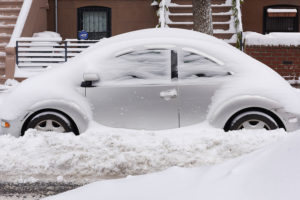 The best advice for driving in bad winter weather is not to drive at all, if you can avoid it. Don’t go out until the snow plows and sanding trucks have had a chance to do their work, and allow yourself extra time to reach your destination.
 The winter holiday season is most often a time of joy and excitement. However, it can also be a time of stress and disappointment for both host families and au pairs.

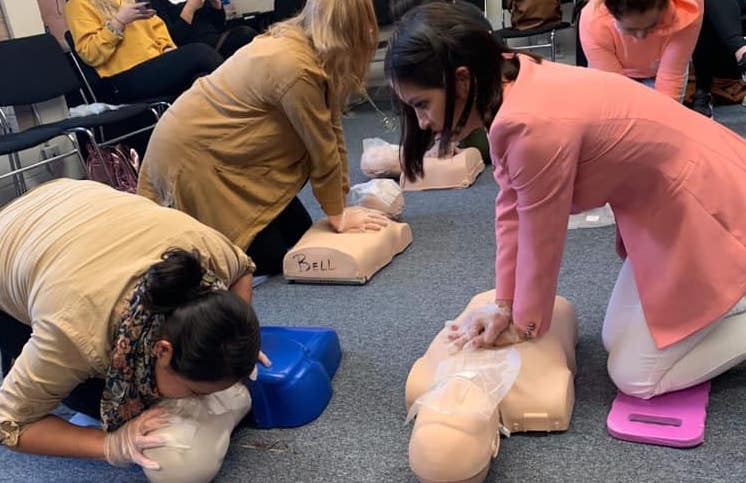
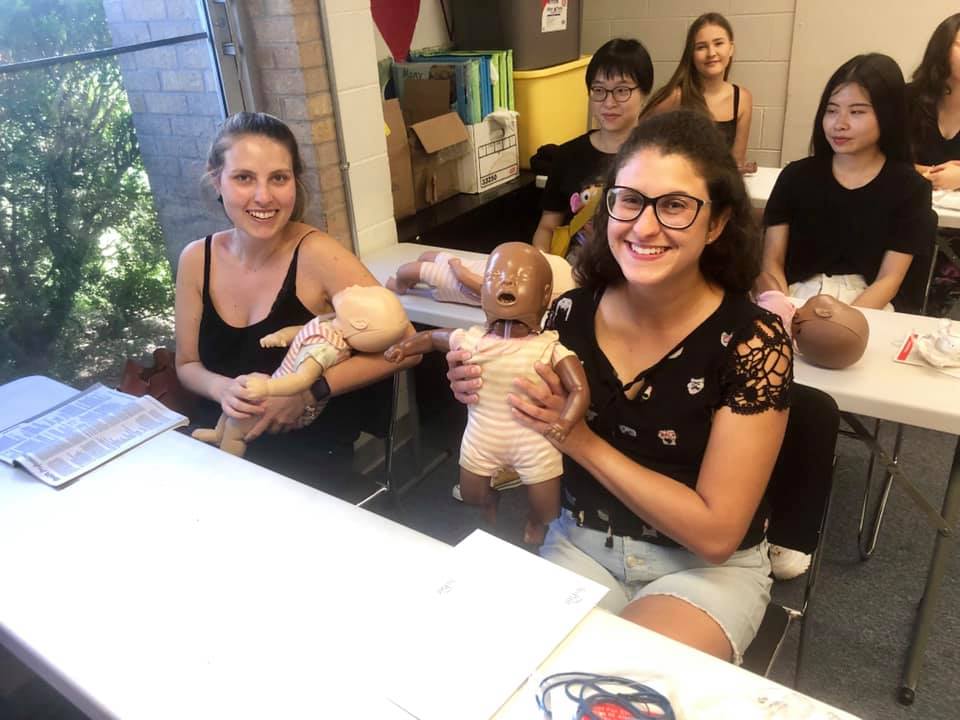 Classes are available through the Red Cross. Au Pair in America will pay for the cost of a class providing an au pair has at least six months left on her visa and is taking one of several approved childcare/child safety-related classes, such as Adult and Pediatric First Aid/CPR/AED. Au pairs should check with their community counselor and host family before signing up. Au Pair in America will register the au pair directly.
 Host parents often ask for suggestions on how best to handle common expenses that occur as au pairs are caring for the children.
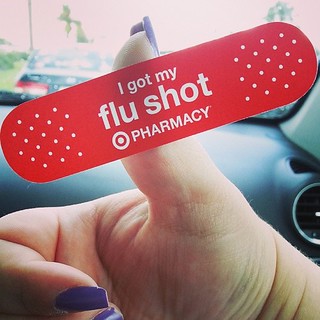 Many au pairs and host families are looking for places to get flu shots this time of year. Au Pair insurance does not cover immunizations, but there are lots of places to get flu shots for $35 or less. If the host family is insisting that an au pair get a seasonal flu shot and she agrees to get it, the host family would be responsible for the expense.