

Yearly Archives: 2021

Going Unplugged During Work Hours

Phones, tablets, and laptops are wonderful tools to stay connected and informed, but we need to be careful not to let them become distractions from real life interactions and most importantly our responsibilities.

Au Pairs – Imagine for a moment that you went to the hospital and you were in the care of doctors and nurses. How would you feel if those doctors and nurses who were there to care for you were more interested in texting or using their personal computer than caring for you?  How would that make you feel, about yourself and about them? Would you think that you were getting the treatment you deserved?  Would you feel like paying the bill after your stay?

Life as an au pair, it is a fine balance between employee and family member. You live with your host family and participate with them as a member of the family, but you also have clear responsibilities as a childcare provider. Being a childcare provider is truly one of the most important jobs I can think of, because you are helping to shape our next generation.  What message are you sending them when you would rather interact with a computer than with them? How will they feel about themselves and about you? Children feel as though everything is about them. They will see this as a rejection of them and they will be more likely to act out.

It also poses a safety concern when you are not paying enough attention to the children in your care. Accidents happen, but when an adult care giver is close by and appropriately supervising the chances of a major injury dramatically reduce.

During work hours, the following would not be considered acceptable:
-Texting*
-Talking to friends on the phone
-Chatting or messaging with online
-Using Skype or FaceTime
-Using Snapchat, WhatsApp, Twitter, Facebook or any other app or social media site
-Watching or posting videos on YouTube or TikTok
-Viewing or sharing photos on Instagram
-Anything else on the computer unless it is going to Nickjr.com together with your host children

*you do want to be on the look out for texts from your host parents

Think about this – even if you work 45 hours a week, that leaves you 123 hours per week for all of that other stuff, or about 70 hours (if you are getting the recommended 7-8 hours of sleep per night.)

Host Parents – You need to be clear about what you consider acceptable during work hours to avoid misunderstandings. Also, please understand that you are dealing with a generation of people who are very accustomed to being plugged in at all times. Their intention is not to be rude, they don’t necessarily realize how their actions will be perceived. Please use this information as an opportunity to begin a dialogue on the issue.


 

Helping Young Children Learn Language

Quinn Dombrowski baby reading

Being an au pair is an important role in a child’s life. When you are caring for young children up to 45 hours per week, there are lots of opportunities to help them learn language. Many host parents are eager for their children to be exposed to more than just English. If this is true of your host parents, you can try the suggestions below, in both English and your native language.

Below are a few tips to start with, for more ideas, check out Ready at Five.

  • Read – Read to them daily, point out pictures and ask questions. Even if they can’t answer the questions, this is still modeling conversation.
  • Talk – Point out objects around them, names of their body parts, explain what you are doing and places you are going. Long before babies can speak, they benefit greatly from being spoken to.
  • Sing – You can sing childhood classics or make up your own silly songs. If you are looking for song ideas, HERE is a great website with lists of songs, lyrics and links to youtube videos* of the songs.  Children’s music is also available at the public library and even on iTunes.
  • Words – As children move from toddlers to preschoolers begin to point out written language.
  • Writing – Toddlers and preschoolers can begin to learn pre-writing skills by drawing with crayons or doing finger paints.

*The American Academy of Pediatrics recommends no screen time for babies under 18 months of age. For children 18 months to 5 years they recommend no more than 1 hour of high quality content. You can play the songs on youtube for the audio and not necessarily show the screen to the child.

Photo: Quinn Dombrowski (Flickr)

Making Plans for Future Travel

With the COVID vaccine production steadily increasing, we are starting to see a light at the end of the tunnel with the pandemic. That is wonderful news and reason to be optimistic! However, Au Pair in America is still strongly discouraging travel at the moment for two reasons: CDC recommendations against travel and the constantly changing rules and restrictions for international and even interstate travel.

When travel is resumed for you, it will also depend on your specific host family circumstances. It is very important that you and your host family have very clear, honest communication about your plans and that you are both comfortable with the plans.

What can you do right now? Research and figure out where you want to go and what things you want to see and do there. Being a spontaneous traveler can be fun, but without planning you will often waste some of your precious vacation or weekend time figuring out things you could have looked into before you started your trip.

These ideas are to help you make general plans. You shouldn’t book any tickets or make any financial commitments until you know when travel will safely resume.

Planning can help you:

  • Save money
  • Make the best use of your time
  • Fit in more adventures
  • Visit places you might not have heard of before

It also extends the joy of the travel time. Planning all the thing you will do, gives you something to look forward to. We can all use things to look forward to right now.

If you are looking for travel inspiration and ideas or a place to keep your travel ideas organized, Pinterest is a great place to start. You can browse other people’s travel and bucket list pinboards. You can create your own pinboards for places you want to go and ones you have already visited.

These three apps are all trip planners and offer the ability to research places and create your own itinerary. Each one has its own look and feel and slightly different features. Download them and see which one is the best fit for you.

Road trips can be the ultimate adventure. You set your own pace and stop to see what you want. The journey can be as much fun as your destination.

  • Road Trippers is an app that helps you plan the ultimate road trip. It helps you determine your route and find interesting stops along the way.

We won’t be stuck inside forever. Once travel resumes, be ready with your plans!

Photo: Natacha R. from France

Protecting Privacy & Personal Information Online

We live in a time of constant sharing through social media. We often share pictures, plans of somewhere we are going or rants about problems, without thinking much about who will see it and what could be the consequences.

Before clicking “post”, stop to think:

  • Am I violating someone’s privacy?
  • Am I sharing personal information that could put me in danger?
  • Would I want my current or a future employer to see this?

This will help protect your privacy and safety as well as that of your host family. It is important to respect your host family’s privacy and not share personal details and information.  This applies to all kinds of situations, including personal conversations, email, and social websites.

For your own safety, it is a good idea to be careful what personal information you share about yourself as well. You should not give out information like your telephone number and address to people you don’t know. Safer to meet a new friend in a public place, than to give them your address before knowing them.

Once you post something on the Internet (even if you later delete it), it can show up elsewhere.  Unless you have specific permission from your host family, you should never post pictures of them, their children or their home on the Internet.

If you have a blog or website where you post in your native language, remember there is translation software. So, even if you say it in your native language, be sure it is not something that might be misinterpreted in translation or something you will regret saying.

Education Update 2021

Updated Aug 10, 2021Due to COVID-19, Au Pair in America has temporarily given approval for online/virtual classes, with a few conditions. Au pairs must still produce certificates or other acceptable documentation confirming the completion of the class. Classes must be offered by an accredited U.S. college, university or other post-secondary school and completed by 9/30/21. As of right now, the expectation is that after September, au pairs will resume in-person classes. This is always subject to change, depending on COVID numbers and whether local schools are offering in-person classes. If you have any concerns about in person classes, please contact Christine or Lisa.

If in doubt, ask your counselor to check if the school is accredited. All class hours must be completed by the end of your 11th month in the program if you wish to extend.

Online Class Websites – These platforms will list online courses all over the country. These courses come from a variety of sources and some are not accredited. You must be sure you are selecting a course that is from an accredited university.

*This class would be great for au pairs who have already taken or plan to take a PGCC Transition ESL class when things go back to normal. Those classes usually earn 50-60 hours, so this could be enough to complete your education requirement, in combination with one of those classes.

Photo: Nenad Stojkovic

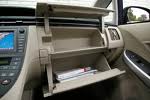
What to Keep in the Car Glove Box

What is the glove box? It’s the little drawer/compartment in front of the passenger seat of your car where you can store documents and important items.

If you are like me, you probably have napkins and straws from fast food restaurants and other assorted items in your glove box in the car.  It can be a nifty storage place, but it’s main purpose is to keep some important documents related to the car. glove box

It is very important that you keep all of the necessary documents in the car glove box. These items will be necessary if you are stopped by a police officer or have an auto accident. Not having these items can result in your receiving a ticket (citation) from a police officer.

Essential Documents

*Some host parents may tell you to carry these in your wallet instead of keeping them in the car. Follow their instructions.

Helpful Extras

  • Flashlight
  • Tire Pressure Gauge
  • Vehicle Owner’s Manual
  • Map or GPS
  • Tissues and Hand Sanitizer
  • First Aid Kit

In Your Wallet
Carry your Maryland license or country driver’s license and international driver’s permit with you at all times, especially when you are driving. You should leave your passport and Social Security Card and other documents at home, to reduce the risk of losing them.

Do You Need Sports Insurance?

Trying out winter sports like ice skating, skiing and snow boarding can be very exciting, especially if this is your first time experiencing winter weather. However, you should also know the risks and be prepared.

Is it risky to do winter sports without the sports insurance?

Yes. If you have to pay your own hospital bills for a broken bone, you might be shocked at how much that would cost. I checked this website for some cost estimates.

Here are a couple examples:

  • Without medical coverage, to treat a broken arm or leg (that does not require surgery) it could cost up to $2,500.
  • Without medical coverage, to treat a broken arm or leg (requiring surgery) it could cost $16,000 or more.

I wanted to make sure everyone understands how the medical coverage works for sports related injuries. There is a list of “high-risk sports/activities” that are not covered with the basic or upgrade medical insurance plans. Those activities are only covered with the Sports Insurance Package.

The Sports Insurance was available pre-departure and may also be purchased at any time during your year. It takes effect within 3 days of your enrollment and it is good for 12 months. The cost will be the same ($100) whether you have a month left or your whole year ahead of you. I recommend you pay for it early on, if you didn’t already purchase it. You never know when an opportunity might present itself and you don’t want to miss out on an adventure. You also don’t want to take a risk on getting injured and being responsible for the bill on your own.

Below is a partial list of sports that are only covered with the sports insurance package:
Football, Rugby, Scuba diving, Ski-doo,  Wakeboarding, Skydiving, Parachuting, Rock climbing, Zip line, Skate boarding, Rollerblading, Roller skating,  Ice Skating, SkiingSnowboardingSnowmobiles & Snowshoeing.  View the full list on your insurance brochure.

Note: Injuries sustained while partaking in these sports are covered with purchase of the Sports Insurance ONLY.

How to register for the Sports Insurance
Contact Lisa or Christine, if you are unsure which insurance package you have and/or to register for sports insurance.

If you think you will be doing any of these sports, you should get it now.