Category Archives: Host Family Tips

Water Safety Tips for Children

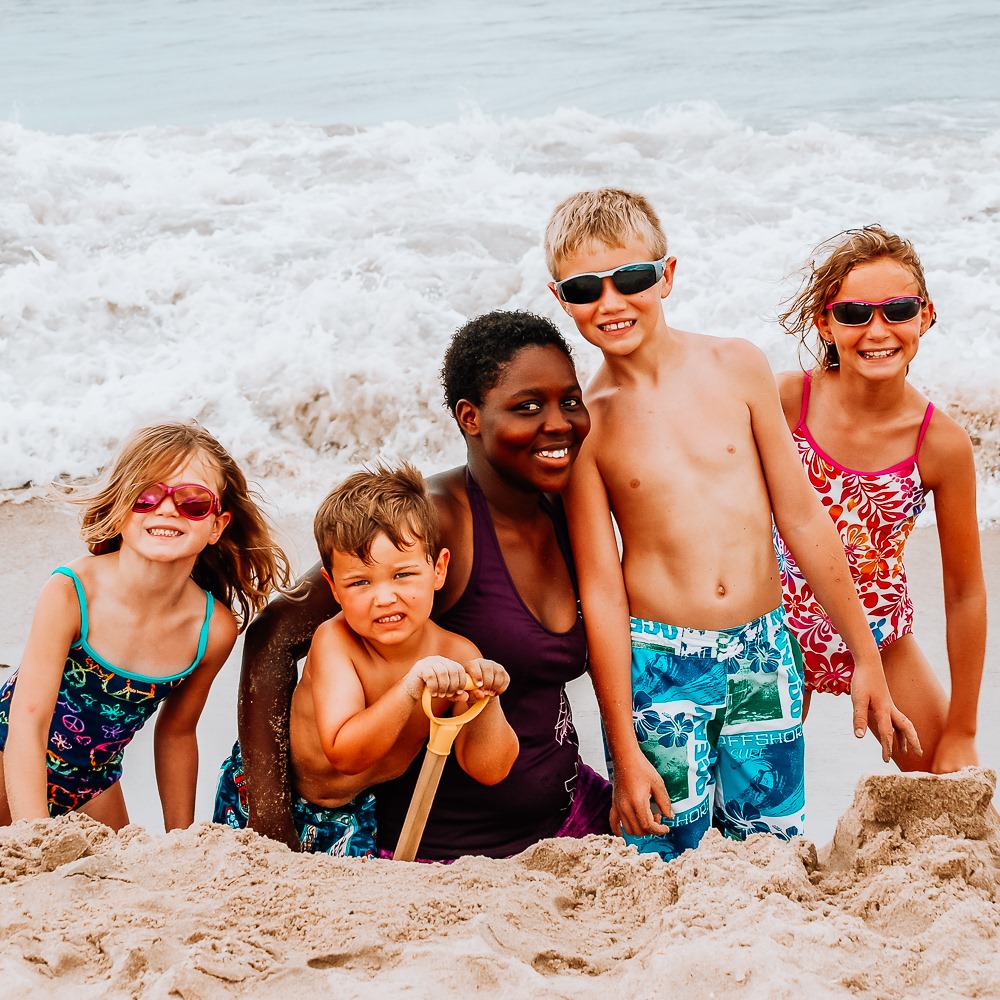
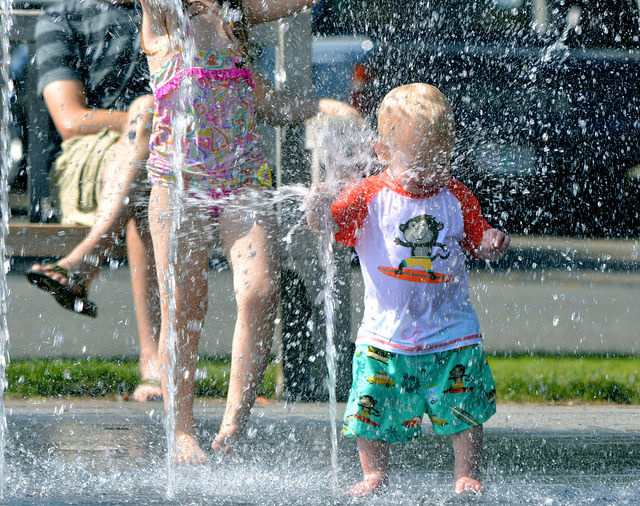
When hot summer weather hits, the pool and beach are popular places to cool off. Here are some tips for host parents and au pairs to keep everyone safe when supervising children around water.

Water Safety Tips

  • Never leave a child unattended near water.
  • Drowning is silent; keep your eyes on the children at all times.
  • If in the pool with a young child, never be more than an arm’s length away.
  • Make sure the fence around the pool is closed properly.
  • If you have an above-ground pool, remove the ladder when not in use.
  • Swim at the beach or lake only when a lifeguard is on duty.
  • Children over 4 years old should learn how to swim.
  • Designate a specific person to watch the children.
  • If boating, always wear a Coast-Guard approved life jacket.
  • Keep a phone close by in case there is an emergency.
  • If you leave the area for any reason, the kids go with you.
  • Consider taking a water safety course.

Here is a video with info on how to spot when someone is in trouble in the water.


Smithsonian Folklife Festival 2019

The Folklife Festival will take place June 29 & 30. 

This year’s Smithsonian Folklife Festival theme is “The Social Power of Music”.

This year will celebrate the power of music to entertain, educate, inspire, preserve history, strengthen identity, and build community. This is one of the largest annual cultural events in the United States.

The 2019 Festival will be a little different, with two days of concerts instead of the usual two weeks of events. Visitors will still be able to enjoy live music and a variety of food and drink options from local food trucks.

The Festival is held outdoors on the National Mall in Washington, D.C., between the Smithsonian museums. There is no admission charge. Visitors should dress for hot and humid weather. Parking around the Mall is extremely limited, so visitors are advised to use public transportation. L’Enfant Plaza is the closest Metro station to the Festival site. National Archives, Smithsonian, and Federal Center stations are within a half-mile. For assistance planning how to get around, visit www.goDCgo.com. For general Smithsonian visitor information, http://www.si.edu/Visit or call 202.633.1000 (voice).

Photo: S Pakhrin (Flickr)

Top 10 Tips for Summer Safety

  1. Remember to bring along drinks, especially water. Try to get children to drink water every 20 minutes, when they are outside in hot weather.
  2. Pay attention to surfaces that can be hot against children’s skin, such as metal slides and other playground equipment in the sun.
  3. Safety around water is particularly important. A child can drown in just a few inches of water. Whenever you are near water you must never leave a child alone – if the phone rings, take them with you or let it ring! Always stay within arm’s reach when the children are in or near water.
  4. Young babies should be kept out of direct sunlight. Keep the baby in the shade or under a tree, umbrella or stroller canopy.
  5. Dress babies in lightweight clothing and use brimmed hats.
  6. Apply sunscreen 30 minutes before going outside, even if it appears overcast (cloudy).
  7. Try to keep children out of the sun in the middle of the day when the sun is strongest.
  8. Learn what poison ivy looks like and keep children out of it. A good rule to teach the children is “leaves of three, let it be.”
  9. Use insect repellent spray to keep away mosquitos and ticks. Ask your host parents before applying.
  10. Check for ticks when you bring children in from playing outside, especially if you’ve been in tall grass or the woods.

Photo: Scott97006 (Flickr)

Holiday & Vacation Reminders


Holidays and vacations are a great opportunity to rest, recharge and explore the U.S.

Memorial Day Weekend (last weekend in May) is the unofficial start of summer travel season. Here are some reminders about program rules regarding holidays and vacations.

Holidays

  • Host families are not required to give au pairs any specific holidays.
  • Each host family will make different arrangements on holidays, some au pairs will be off and others will be required to work.
  • As holidays approach, it is helpful for host parents to let their au pair know if they will be off or not, so plans may be made.
  • Au pairs should not make plans for holidays without checking with their host family first.

Vacations

  • Au pairs earns 2 weeks of paid vacation during the course of their year.
  • Vacation time should be mutually agreed upon.
  • All vacations should be preplanned (at least 4 weeks in advance).
  • All au pair’s friends and/or family visits/vacations should be pre-approved prior to purchasing tickets.
  • If au pairs travel with their host family, it should be discussed in advance whether this is the au pair’s vacation or if they’re working.
  • If au pairs travel with their host family to work, the host family is required to pay for the au pair’s transportation, lodging and meals.

Travel Outside the U.S.

  • Au pairs in year one, are allowed to travel outside of the U.S. and return, however there are some important steps to take.
    • Au pairs must have their DS2019 signed (travel validation) PRIOR to their departure from the US.
    • More information and the travel validation request form may be found here on the Au Pair in America website.
    • It is essential that au pairs make their travel plans to return to the U.S. prior to the expiration date listed on their visa. This date can sometimes be earlier than their actual year end date.
  • There are limitations on travel outside of the U.S. for au pairs in year two. Please speak with Christine or Lisa, prior to making travel plans.

Photo: Canva.com

Staying Healthy in Cold & Flu Season

Here’s some useful information from the Center for Disease Control about how you can protect yourself from the flu and how to treat yourself and your host children should you get sick.

It is NOT too late to get a Flu Vaccine.  Au Pair insurance does not cover immunizations, but there are lots of places to get flu shots for $30 or less. Check your local health department or stores with a pharmacy such as CVS, Target and Walgreens. If a host family is insisting that their au pair get a seasonal flu shot and she agrees to get it, the host family would be responsible for the expense.

An Ounce of Prevention
There are steps you can take in your daily life to help protect you from getting the flu.

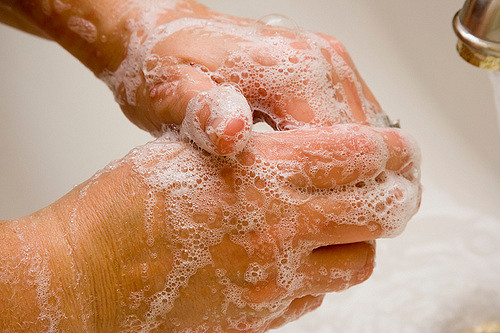
  • Wash your hands often with soap and water or an alcohol-based hand sanitizer
  • Avoid touching your eyes, nose, or mouth.  Germs spread this way.
  • Try to avoid close contact with sick people
  • Practice good health habits.  Get plenty of sleep and exercise, manage your stress, drink plenty of fluids, and eat healthy food
  • Cover your nose and mouth with a tissue when you cough or sneeze.  Throw the tissue in the trash after you use it
  • If you are sick with flu-like illness, stay home for at least 24 hours after your fever is gone without the use of fever reducing medicine.

Symptoms of the Flu
The flu and the common cold have similar symptoms.  It can be difficult to tell the difference between them.  Your healthcare provider can give you a test within the first few days of your illness to determine whether or not you have the flu.

In general, the flu is worse than the common cold.  Symptoms such as fever, body aches, tiredness, and cough are more common and intense with the flu.

Flu symptoms include:

  • A 100oF or higher fever or feeling feverish (not everyone with the flu has a fever)
  • A cough and/or sore throat
  • A runny or stuffy nose
  • Headaches and/or body aches
  • Chills
  • Fatigue
  • Nausea, vomiting, and/or diarrhea (most common in children)

Treating the Flu
You can treat flu symptoms without medication by:

  • Getting plenty of rest
  • Drinking clear fluids like water, broth, sports drinks, or electrolyte beverages to prevent becoming dehydrated
  • Placing a cool, damp washcloth on your forehead, arms, and legs to reduce discomfort associated with a fever
  • Putting a humidifier in your room to make breathing easier
  • Gargling salt water (1:1 ratio warm water to salt) to soothe a sore throat
  • Covering up with a warm blanket to calm chills

Children are at higher risk for getting the flu because their immune systems are not fully developed.  If your host child gets sick, always ask your host parents before giving any medications to the children.  There are strict guidelines for dosages and they MUST be followed.  Never give aspirin to children or teenagers who have the flu.  Giving aspirin to children with the flu can cause a rare but serious illness called Reye’s Syndrome.  Read ingredient labels on over-the-counter medications carefully to ensure they do not contain aspirin.

Photo: Arlington County

9 Winter Driving Tips to Stay Safe in the Ice & Snow

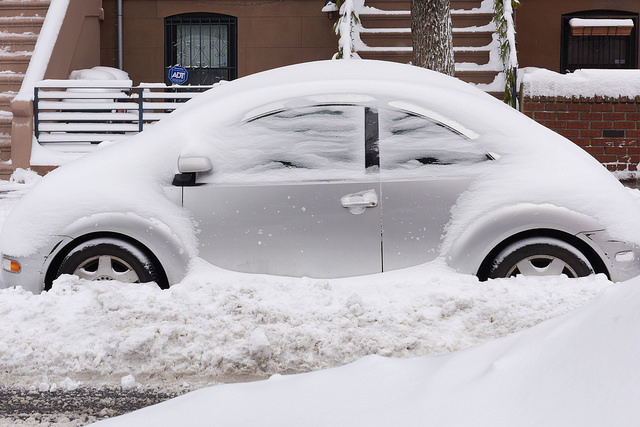
The best advice for driving in bad winter weather is not to drive at all, if you can avoid it. Don’t go out until the snow plows and sanding trucks have had a chance to do their work, and allow yourself extra time to reach your destination.

If you must drive in snowy conditions, make sure your car is prepared, and that you know how to handle road conditions. It’s a good idea to always keep at least a half tank of gas in your car, especially in winter months where you could get stranded. It’s helpful to practice winter driving techniques in a snowy, open parking lot, so you’re familiar with how your car handles. Consult your owner’s manual for tips specific to your vehicle.

Driving safely on icy roads

  1. Decrease your speed and leave yourself plenty of room to stop. You should allow at least three times more space than usual between you and the car in front of you.
  2. Brake gently to avoid skidding. If your wheels start to lock up, ease off the brake.
  3. Turn on your lights to increase your visibility to other motorists.
  4. Keep your lights and windshield clean.
  5. Use low gears to keep traction, especially on hills.
  6. Don’t use cruise control or overdrive on icy roads.
  7. Be especially careful on bridges, overpasses and infrequently traveled roads, which will freeze first. Even at temperatures above freezing, if the conditions are wet, you might encounter ice in shady areas or on exposed roadways like bridges.
  8. Don’t pass snow plows and sanding trucks. The drivers have limited visibility, and you’re likely to find the road in front of them worse than the road behind.
  9. Don’t assume your vehicle can handle all conditions. Even four-wheel and front-wheel drive vehicles can encounter trouble on winter roads.

Photo: Steve Pisano (Flickr)

Surviving & Thriving in the Holiday Season

The winter holiday season is most often a time of joy and excitement. However, it can also be a time of stress and disappointment for both host families and au pairs.

Here are some ideas and insights that will hopefully help you avoid the stress and disappointment and share more of the joy and excitement.

Holiday Work Schedules

Miscommunication over the schedule is the #1 issue for host families and au pairs over the holidays. As a reminder to assist with scheduling, program guidelines state an au pair can work up to 45 hours per week and no more than 10 hours per day. Hours cannot be carried from week to week. Please take the time to discuss your schedules and expectations.

The au pair program regulations do not have requirements for au pairs to be given holidays off. However, in the spirit of the program and since most parents will be at home spending time with their children, the majority of host families give au pairs some or all of the winter holidays off: Thanksgiving Day, Christmas Day, New Year’s Eve and New Year’s Day. Please discuss this so that everyone is clear about the schedule when making holiday plans.

Religion

For au pairs with religious beliefs different from your own, you may choose to encourage her to share the associated traditions with your family. If you are not comfortable with this aspect of cultural exchange, your au pair may need your help as well as appropriate time off to participate in her own holiday traditions with another family, with a community group or with a religious institution. Enabling her to do this is very important. Her holiday or her time to celebrate the holiday may not be the same as yours; try to take this into consideration if you can when you make her work schedule. You may find that there is no conflict in giving her time off if her traditions are different, and it can relieve a great deal of anxiety to take her preferences into consideration. If you do need your au pair to work during the holiday, please tell her way in advance so that it is not a surprise. Help her to see this as a positive aspect of the cultural exchange if she will be actively sharing in the holiday celebration.

Changes to Routine

The dynamics of established relationships and routines change during the holiday. The parents are home more, and this is unsettling to the children as well as to the au pair. Some different work expectations may be needed since the kids may prefer to hover around the parents. This can make an au pair feel unwanted and unsure of what is expected of her. The high emotions and energy of the children (compared to their more reasonable behavior during the rest of the year) may seem like craziness to the au pair. Assure her that this new set of behaviors is temporary and the household will be back to normal soon. In the meantime, suggest specific things she can do to help. Encourage her to roll with the punches and enjoy the craziness. Also, the quantity of gifts, food, decorations, etc., can be unfamiliar and overwhelming. Try to include the au pair in some quiet, meaningful time together when the true spirit of the holidays is shared.

These are important days ahead. This is perhaps the greatest opportunity of the year to respect and learn about cultural differences, which is, indeed, one of the basic elements of the Au Pair in America program. There will be fun-filled memories. This should be a time of love and understanding. Please do your part to make that happen.

Wishing you all every happiness of the season!

Photo: Sean Hobson

Thanksgiving Tips for Host Parents & Au Pairs

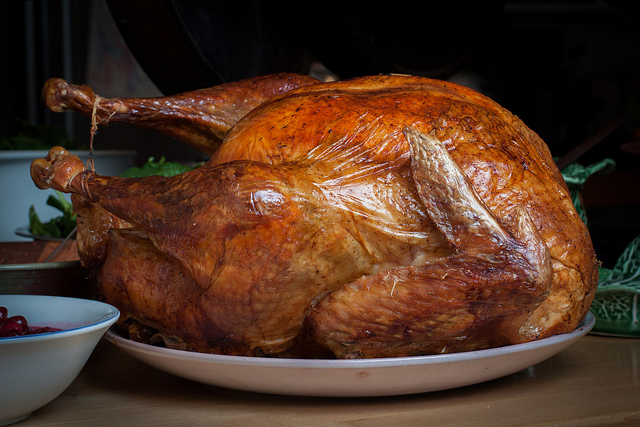
Thanksgiving is celebrated on the fourth Thursday in November each year. Even though a few other countries also celebrate Thanksgiving, it’s still considered a uniquely American holiday, one that the au pairs look forward to experiencing. You can learn more about it here.

I really enjoyed Thanksgiving with my host family. It was as I imagined! So much food to try. Everyone got dressed up and shared what they were thankful for. It was so warm and special. The next day we began to prepare for Christmas. It was magical.” Selina from Germany

Below you will find some tips to help you have a terrific Thanksgiving experience.


Host Parents

  • Please plan to include your au pair in your Thanksgiving celebration, if at all possible. Thanksgiving with an au pair offers an opportunity to consider the relevance of the history and meaning of Thanksgiving as you compare the hospitality offered by the Native Americans to the recently arrived Pilgrims and the hospitality you offer your au pair.
  • If you are traveling or will not be able to invite your au pair to join you for Thanksgiving, give her plenty of notice and help her make alternate plans. You don’t want to leave your au pair alone over the holiday.

Au Pairs

  • If you are invited to attend dinner, please let your family know within 5 days of the invitation, whether you are planning to attend. It is considered rude in America to accept the invitation for dinner and then change your mind later in the month. Please be thoughtful.
  • Make sure to discuss time off during this holiday weekend. Many host families work the Friday after Thanksgiving so do not assume you have this day off or the entire weekend. Talk to your host family, BEFORE you make any plans.
  • If your host family is unable to include you in their Thanksgiving plans, please let me know if you have trouble making other plans. You may be able to join a friend and their host family for the holiday dinner.

Bonus Tip for the Kids

If you are looking for a fun recipe to make with your au pair, check out these turkey cupcakes. Find more fun activities and recipes on the Au Pair in America Fall Holidays pinboard.

Photo: Tim Sackton (Flickr)

What to Do After an Accident

car accidentHaving a car accident is a very upsetting, stressful situation. Being prepared and knowing what to do can make things a little bit easier. Make sure you know which host parent to call in case of an accident.

Make sure you have all the necessary documents in your car glove box. Read this post on What to Keep in the Car Glove Box for a detailed list.

If you have an accident: (from Edmunds.com)

  1. Keep Safety First. Drivers involved in minor accidents with no serious injuries should move cars to the side of the road and out of the way of oncoming traffic. Leaving cars parked in the middle of the road or busy intersection can result in additional accidents and injuries. If a car cannot be moved, drivers and passengers should remain in the cars with seatbelts fastened for everyone’s safety until help arrives. Make sure to turn on hazard lights and set out cones, flares or warning triangles if possible.
  2. Exchange Information. After the accident, exchange the following information: name, address, phone number, insurance company, policy number, driver license number and license plate number for the driver and the owner of each vehicle. If the driver’s name is different from the name of the insured, establish what the relationship is and take down the name and address for each individual. Also make a written description of each car, including year, make, model and color — and the exact location of the collision and how it happened. Finally, be polite but don’t tell the other drivers or the police that the accident was your fault, even if you think it was.
  3. Photograph and Document the Accident. Use your camera to document the damage to all the vehicles. Keep in mind that you want your photos to show the overall context of the accident so that you can make your case to a claims adjuster. If there were witnesses, try to get their contact information; they may be able to help you if the other drivers dispute your version of what happened.

Image: cygnus921 (Flickr)

Halloween Health & Safety Tips

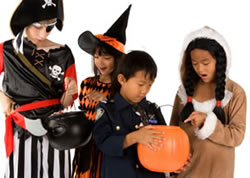
Going trick-or-treating? Check out these tips from the CDC website.  

alphabet letter s Swords, knives, and other costume accessories should be short, soft, and flexible.

alphabet letter a Avoid trick-or-treating alone. Walk in groups or with a trusted adult.

alphabet letter f Fasten reflective tape to costumes and bags to help drivers see you.

alphabet letter eExamine all treats for choking hazards and tampering before eating them. Limit the amount of treats you eat.
halloween

alphabet letter h Hold a flashlight while trick-or-treating to help you see and others see you. WALK and don’t run from house to house.

alphabet letter a Always test make-up in a small area first. Remove it before bedtime to prevent possible skin and eye irritation.

alphabet letter l Look both ways before crossing the street. Use crosswalks wherever possible.

alphabet letter l Lower your risk for serious eye injury by not wearing decorative contact lenses.

alphabet letter o Only walk on sidewalks whenever possible, or on the far edge of the road facing traffic to stay safe.

alphabet letter w Wear well-fitting masks, costumes, and shoes to avoid blocked vision, trips, and falls.

alphabet letter e Eat only factory-wrapped treats. Avoid eating homemade treats made by strangers.

alphabet letter e Enter homes only if you’re with a trusted adult. Only visit well-lit houses. Never accept rides from strangers.

alphabet letter n Never walk near lit candles or luminaries. Be sure to wear flame-resistant costumes.