Category Archives: Blog

Scam Alert: Fake Texts

You may receive texts, emails and phone calls from scammers posing as government agencies putting pressure on you to take action by sending them money. It is NOT NORMAL for government agencies to contact you by text for the purpose of collecting money you owe. Never click a link and take action on one of these messages without first showing the message to your host parents. 99.9% of the time when you get something like this it is a scam.

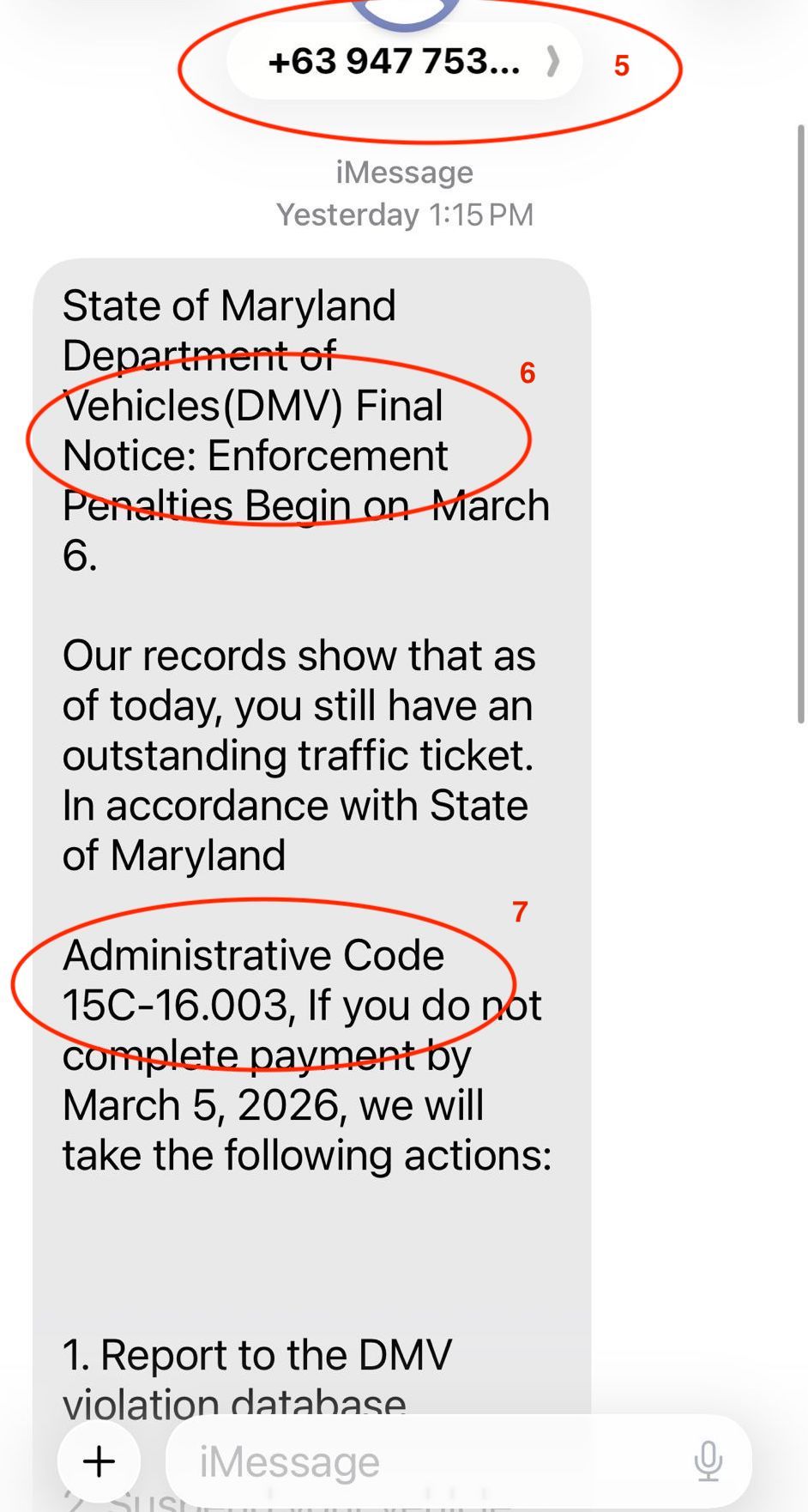
Below are two screenshots of some texts I received recently. I have highlighted some of the red flags that help you realize it’s a scam. If you do have a pending traffic ticket or charge from a video toll you may be nervous receiving this, but it is just a coincidence.

If you click a scam link, in addition to losing your money, you may be compromising the security of your banking information, and personal data on your device. 
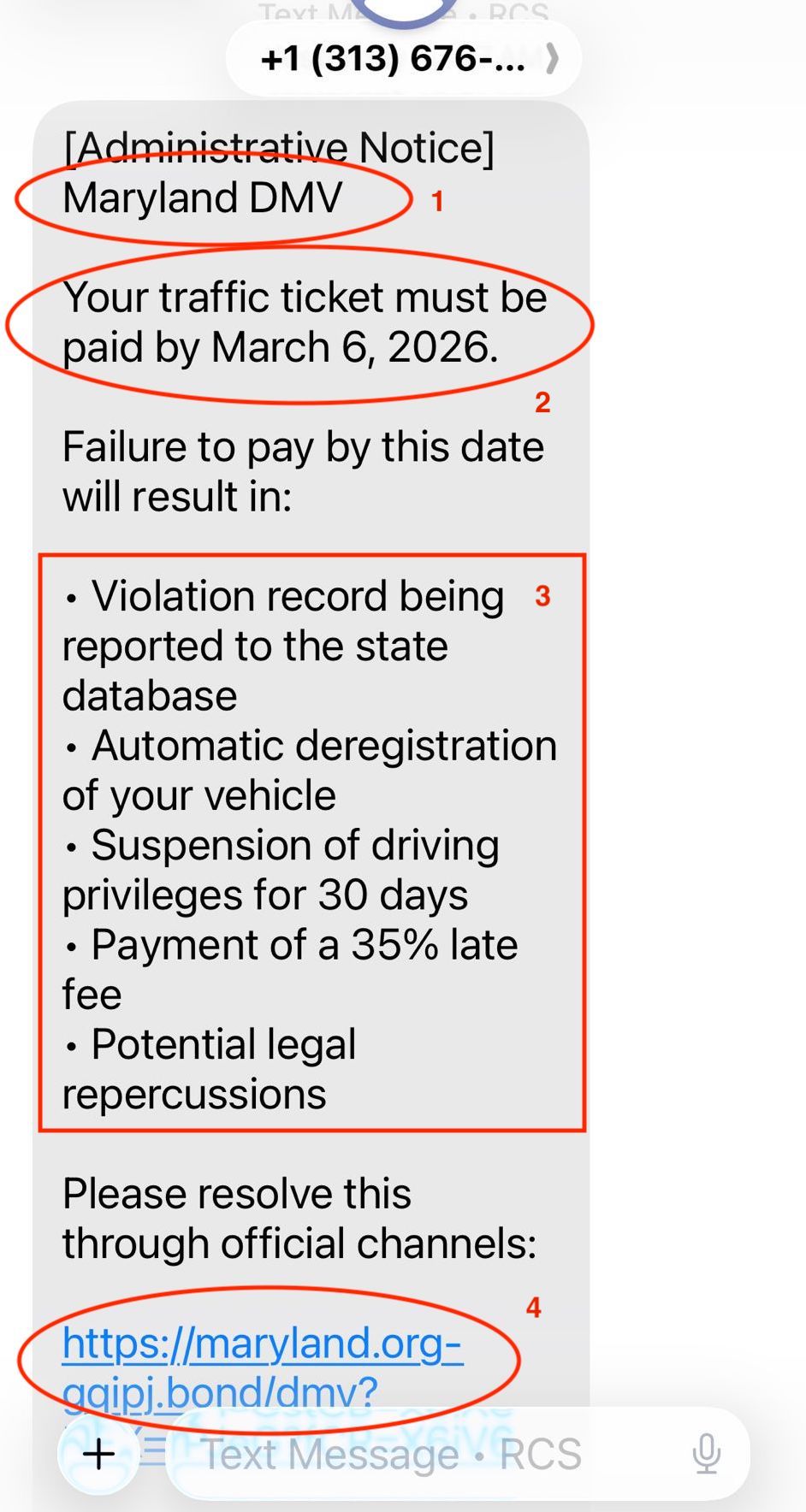
Red Flags in these Text Messages

  1. Maryland has a Motor Vehicle Administration (MVA) not a Deptartment of Motor Vehicles (DMV).
  2. Sense of urgency: Telling you that you must act immediately.
  3. Scare tactics: Listing serious consequences to make you afraid.
  4. Fake Link: Most government websites will end in .gov. The actual Maryland MVA website is https://mva.maryland.gov/. You can always look at trusted sources (like our driver’s license resource page) to see if the website matches the official website.
  5. A foreign phone number: A U.S. government agency will not be sending text messages from a phone number that is outside of the U.S. One of these messages has a U.S. phone number, so this is a good example of how the same scam can have different variations, so it’s good to know different red flags to look out for.
  6. Final notice: If you had an actual ticket, you would receive the citation in the mail and if you didn’t pay that, you would receive multiple late notices by mail. You would not be hearing about this for the first time in a text message that is labeled as final notice.
  7. This is a fake code they added to make this look more official. Even if it was the actual code, anyone can reference that, so don’t be fooled. In this case, I looked up this code and it has to do with the care of and riding of a horse!

If you are ever in doubt, ask your host family or community counselor.
 

Thanksgiving is November 27

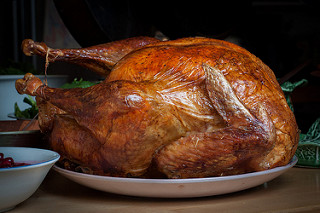
Thanksgiving is a public holiday celebrated on the fourth Thursday in November every year in the United States. It started as a harvest festival and has been celebrated nationally on and off since 1789.  The most important part of Thanksgiving for American families is to spend family time together.

Here are some fun facts about this special holiday:

  • The first Thanksgiving was held in the autumn of 1621 and included 50 Pilgrims and 90 Wampanoag Indians and lasted three days.
  • The first Thanksgiving was eaten with spoons and knives — but no forks! Forks weren’t even introduced to the Pilgrims until 10 years later and weren’t a popular utensil until the 18th century.
  • Thanksgiving is the reason for TV dinners! In 1953, Swanson had so much extra turkey (260 tons) that a salesman told them they should package it onto aluminum trays with other sides like sweet potatoes — and the first TV dinner was invented.
  • Presidential pardon of a turkey: Each year, the president pardons a turkey and spares it from being eaten for Thanksgiving dinner. The first turkey pardon ceremony started with President Truman in 1947. President Obama pardoned a 45-pound turkey named Courage, who has flown to Disneyland and served as Grand Marshal of the park’s Thanksgiving Day parade!
  • Why is Thanksgiving the fourth Thursday in November? President Abe Lincoln said Thanksgiving would be the fourth Thursday in November, but in 1939 President Roosevelt moved it up a week hoping it would help the shopping season during the Depression era. It never caught on and it was changed back two years later.
  • How did the tradition of watching football on Thanksgiving start? The NFL started the Thanksgiving Classic games in 1920 and since then the Detroit Lions and the Dallas Cowboys have hosted games on Turkey Day. In 2006, a third game was added with different teams hosting.
  • About 90 % of Americans eat turkey on Thanksgiving Day
  • The ‘wishbone’ of the turkey is used in a good luck ritual on Thanksgiving Day.

Photo: Tim Sackton

Hints for Success – Homesickness/Culture Shock

Almost everyone experiences culture shock and homesickness when they come to a completely new environment. Everything is different: the language, the food, and the people.

Here are my Top 5 Tips for
Dealing with Homesickness

1. Make friends – Don’t wait for other au pairs to reach out to you, reach out to them. There are other new au pairs who are feeling the same way you are right now. Set a goal to reach out to a few of them each day. Some will respond and some will not. Don’t let that discourage you. No one will ever be mad at you for sending them a message to say hello or ask if they want to do something together. Make friends from various countries and you will also get a chance to practice your English skills together.

2. Stay in touch with your home country, but not too much. Skyping or talking on the phone every day with your family and/or friends back home normally makes homesickness worse. Try texting instead and reduce the Skype and phone calls to once a week, until you feel stronger. It’s much harder seeing the faces and hearing the voices of those you miss.

3. Get out of the house (or your room specifically) – Go to cluster meetings, have coffee, go to the park, and/or go places with other au pairs. If someone invites you out, say “yes” whenever possible. Also, don’t be afraid to do the inviting. If your host family invites you to do things with them, say “yes.” This will help you get to know each other and contribute to your overall happiness.

4. Share your culture with your host family – If you are missing some favorite foods from home, find ways that you can make them here and share them with your host family. There are many international markets in our area, you should be able to find most of the ingredients you need. If you are not really a cook, search online for restaurants and bakeries that have a taste of home. Your host family is probably just as excited to learn about your culture as you are to learn about America.

5. Make plans – Create your own Au Pair Bucket List (places you want to go, new foods to try, new things to experience during your year in the U.S.) and start doing them now. Post on our cluster WhatsApp group to find others who may want to join you on your adventures.

Realize that it definitely gets easier with time.

All au pairs experience homesickness to some extent and nearly all of them stay and have a successful year (some stay for two years.) So, it must get better, right? Once you get past the initial homesickness, most au pairs report how quickly the year goes by.

Photo by:  Shimelle Laine (Flickr)

Where to Get Your Flu Shot

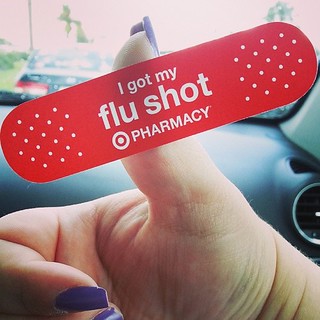
Many au pairs and host families are looking for places to get flu shots this time of year. Your au pair medical insurance is a type of travel insurance and it does NOT cover preventive care like vaccines. But there are lots of places to get flu shots for free or a small fee.

If a host family is urging their au pair to get the seasonal flu shot and she agrees to get it, the host family would be responsible for the expense.

If you are planning to get the seasonal flu vaccine, it is recommended that you get it as early as possible. Below are some links to help you decide where to go for a flu shot.

County and State Health Departments

Some host families have told me that they have taken their au pair with them to Kaiser Permanente and the au pair has received the flu shot even though they don’t have Kaiser Permanent themselves.

Local Pharmacies

Flu shots are also available for a fee at local pharmacies. Go to GoodRX and pick a local pharmacy discount offer to get the flu shot for $30 and up.

Because your medical insurance plan doesn’t cover vaccines, you should not present your insurance card. The claim will be denied and you will receive a bill in the mail.

Costco offers flu shots for $21.99 and up.

Health & Safety: Where are Ticks?

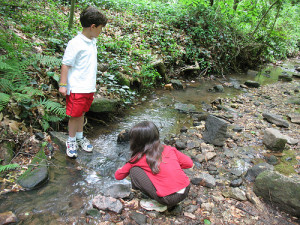
When the weather is nice, we spend more time outdoors with the children. Playing in the back yard, at the playground, or walking on nature trails are great ways to get fresh air and exercise.

kids in woods

What are ticks? – Ticks are small mites that attach to the skin and suck blood. Click HERE to see examples of ticks.

Where are ticks commonly found? – Ticks are typically found in areas with trees, bushes, or tall grass. This includes back yards, parks, nature areas, and most places you would be spending time with the children outdoors in the nice weather.

What needs to be done? – When you return home from areas where ticks might live, carefully check the children and yourself (clothing, skin, and scalp) for ticks. If you find a tick on one of your host children, notify your host parents immediately.

Most ticks do not carry diseases, and most tick bites do not cause serious health problems. But it is important to remove a tick as soon as you find it. Removing the tick completely and cleaning the area with soap and water or antiseptic spray, may help avoid diseases such as Lyme Disease that the tick may pass on during feeding, or a skin infection where it bit you.

Click HERE for Instructions on Removing a tick from WebMD.com.

How do you reduce the risk of tick bites?  – Use a repellent with DEET on the skin. Repellents containing 20% or more DEET can protect up to several hours. Always follow product instructions. Adults should apply this product to their children, avoiding the hands, eyes, and mouth. When you come back in from outside, it’s best to wash the repellent off of the skin with soap and water. For detailed information about using DEET on children, see the American Academy of Pediatrics.

Au Pairs Were the Stars of Our Cultural Fair!

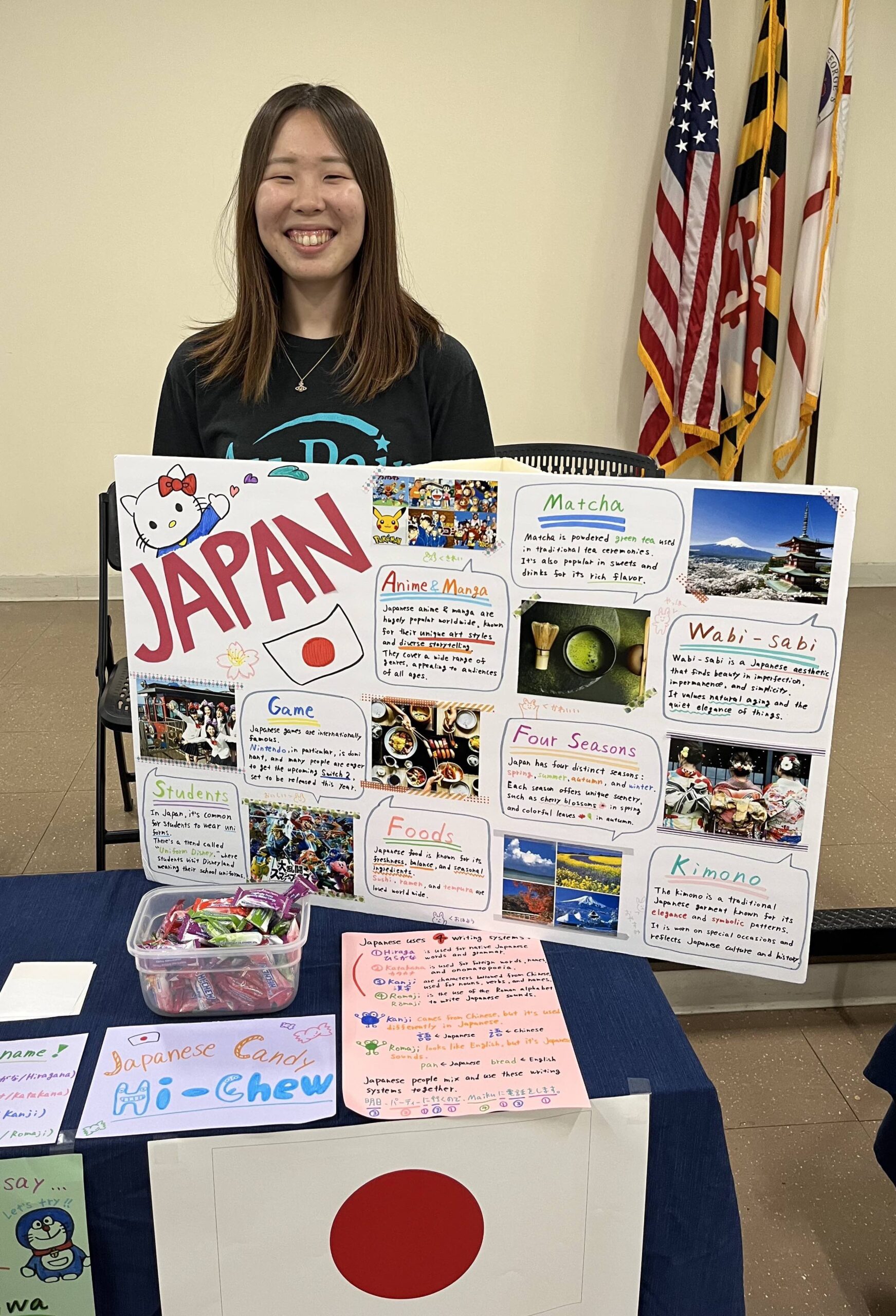
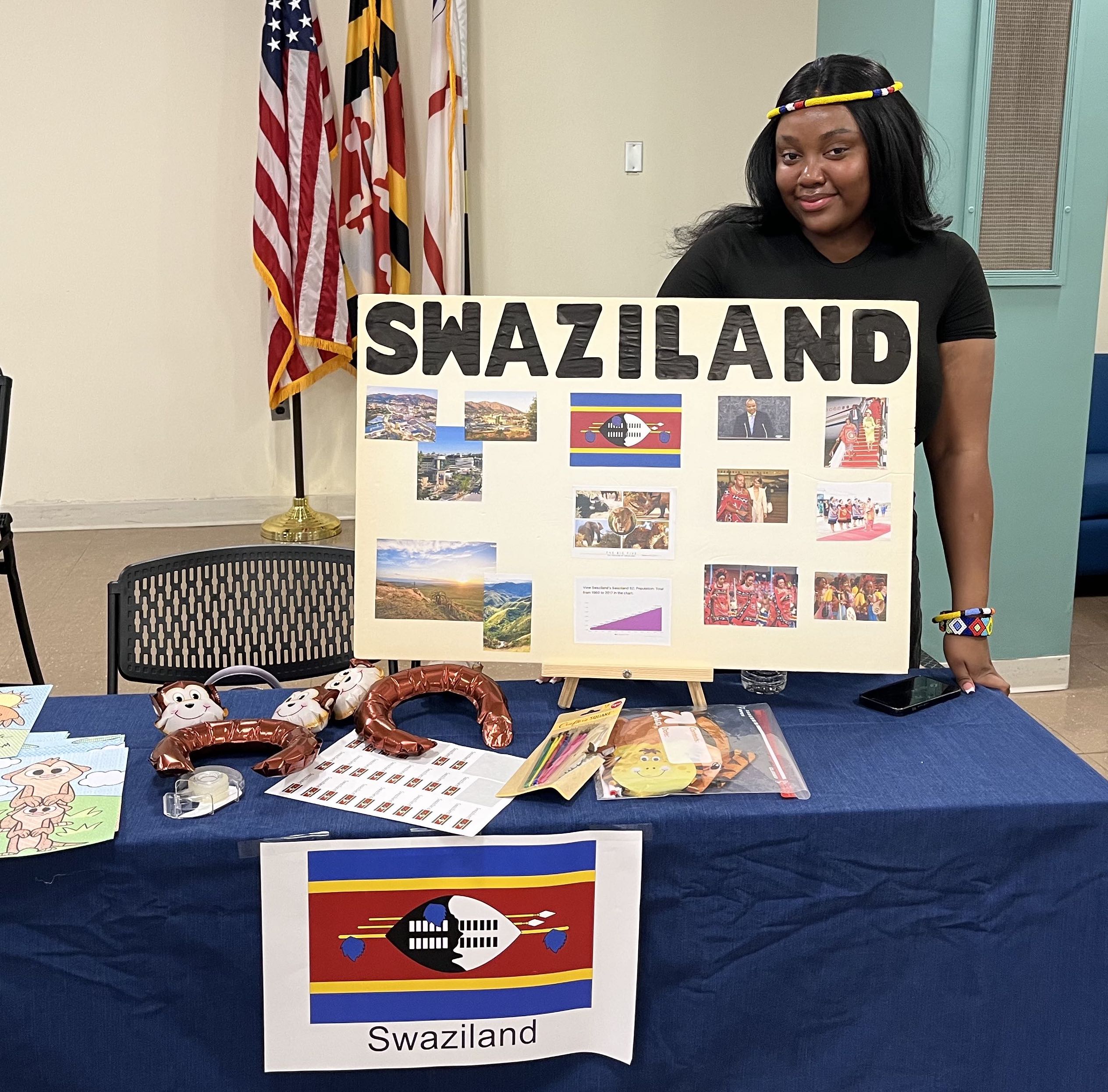
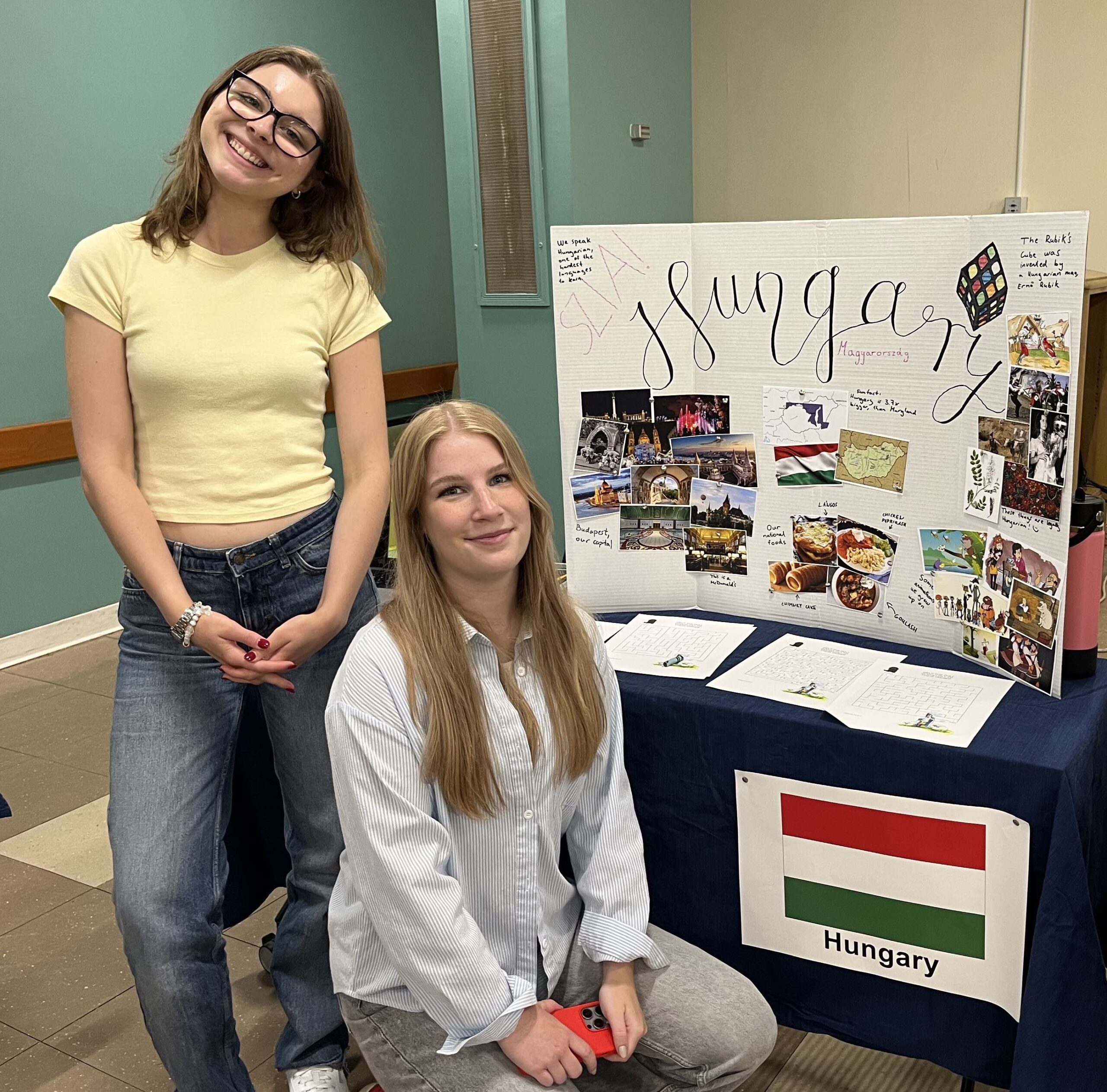
Our May au pair cluster meeting was a cultural fair. It was also our host family workshop for this year. The au pairs who participated did an amazing job representing their countries. The host families, au pairs and guests who attended enjoyed learning more about the various countries. Photos and information were displayed for each of the countries. Some played videos, provided snacks and sweets, or played music. Others had activities like crafts or seeing your name written in Japanese writing systems of hiragana, katakana and kanji.

Mother’s Day is May 11

Mother’s Day recognizes mothers, motherhood, and maternal bonds in general, as well as the positive contributions that they make to society. It is celebrated in the United States on the second Sunday in May. It was established by Anna Jarvis, with the first official Mother’s Day was celebrated at St. Andrew’s Methodist Church in Grafton, West Virginia, on May 10, 1908.

You will find lots of fun ideas for projects you can make with your host children on the Au Pair in America Mother’s Day pinboard.

Photo: Mike van Dalen (Flickr)

Au Pair in America Cultural Fair

Please join us for a chance to learn about more than a dozen different countries in one day.

Au Pair in America Cultural Fair
Sunday, May 18, 2-3 pm 
Greenbelt Library (Auditorium)
11 Crescent Road, Greenbelt, MD 20770

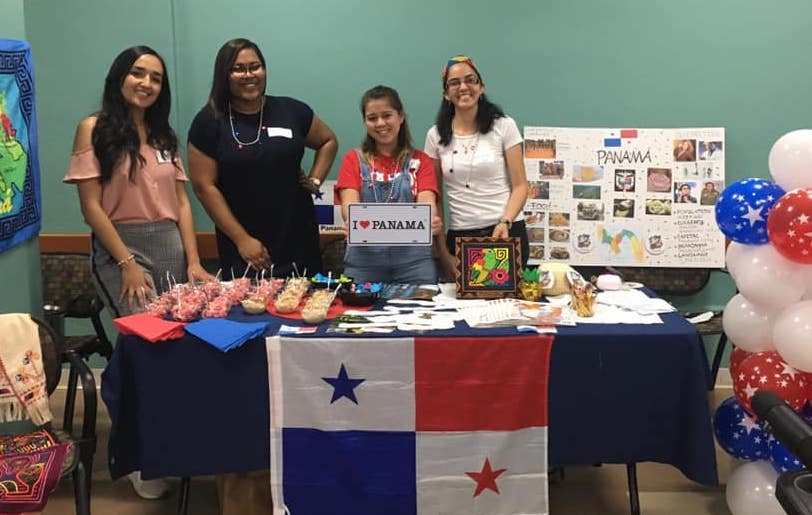
Au pairs proudly representing Panama at our last cultural fair.

Local au pairs from countries around the globe, will share their cultures through visual displays, food samples, games and performances. Children will receive passports and have them stamped as they visit each country. Admission is FREE. 

Please Respond HERE

Questions? Contact Christine Connally at cconnally@aupairinamerica.com

Thanksgiving is November 28

Thanksgiving is a public holiday celebrated on the fourth Thursday in November every year in the United States. It started as a harvest festival and has been celebrated nationally on and off since 1789.  The most important part of Thanksgiving for American families is to spend family time together.

Here are some fun facts about this special holiday:

  • The first Thanksgiving was held in the autumn of 1621 and included 50 Pilgrims and 90 Wampanoag Indians and lasted three days.
  • The first Thanksgiving was eaten with spoons and knives — but no forks! Forks weren’t even introduced to the Pilgrims until 10 years later and weren’t a popular utensil until the 18th century.
  • Thanksgiving is the reason for TV dinners! In 1953, Swanson had so much extra turkey (260 tons) that a salesman told them they should package it onto aluminum trays with other sides like sweet potatoes — and the first TV dinner was invented.
  • Presidential pardon of a turkey: Each year, the president pardons a turkey and spares it from being eaten for Thanksgiving dinner. The first turkey pardon ceremony started with President Truman in 1947. President Obama pardoned a 45-pound turkey named Courage, who has flown to Disneyland and served as Grand Marshal of the park’s Thanksgiving Day parade!
  • Why is Thanksgiving the fourth Thursday in November? President Abe Lincoln said Thanksgiving would be the fourth Thursday in November, but in 1939 President Roosevelt moved it up a week hoping it would help the shopping season during the Depression era. It never caught on and it was changed back two years later.
  • How did the tradition of watching football on Thanksgiving start? The NFL started the Thanksgiving Classic games in 1920 and since then the Detroit Lions and the Dallas Cowboys have hosted games on Turkey Day. In 2006, a third game was added with different teams hosting.
  • About 90 % of Americans eat turkey on Thanksgiving Day
  • The ‘wishbone’ of the turkey is used in a good luck ritual on Thanksgiving Day.

Photo: Tim Sackton

What to Do After a Car Accident

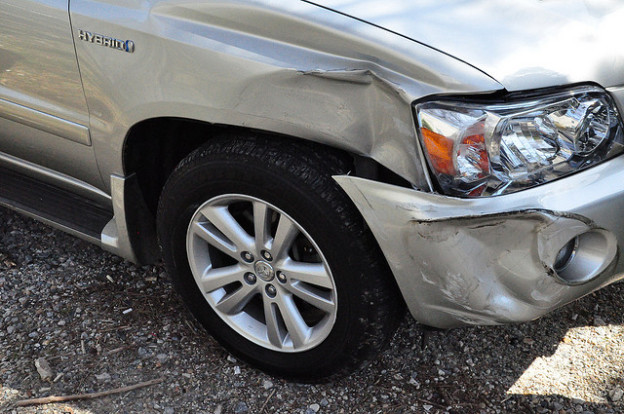
Having a car accident is a very upsetting, stressful situation. Being prepared and knowing what to do can make things a little bit easier. Make sure you know which host parent to call in case of an accident.

Make sure you have all the necessary documents in your car glove box. Read this post on What to Keep in the Car Glove Box for a detailed list.

If you have an accident: (from Edmunds.com)

  1. Keep Safety First. Drivers involved in minor accidents with no serious injuries should move cars to the side of the road and out of the way of oncoming traffic. Leaving cars parked in the middle of the road or busy intersection can result in additional accidents and injuries. If a car cannot be moved, drivers and passengers should remain in the cars with seatbelts fastened for everyone’s safety until help arrives. Make sure to turn on hazard lights and set out cones, flares or warning triangles if possible.
  2. Exchange Information. After the accident, exchange the following information: name, address, phone number, insurance company, policy number, driver license number and license plate number for the driver and the owner of each vehicle. If the driver’s name is different from the name of the insured, establish what the relationship is and take down the name and address for each individual. Also make a written description of each car, including year, make, model and color — and the exact location of the collision and how it happened. Finally, be polite but don’t tell the other drivers or the police that the accident was your fault, even if you think it was.
  3. Photograph and Document the Accident. Use your camera to document the damage to all the vehicles. Keep in mind that you want your photos to show the overall context of the accident so that you can make your case to a claims adjuster. If there were witnesses, try to get their contact information; they may be able to help you if the other drivers dispute your version of what happened.

Important Reminder: You may always phone the police (911) to ask for help if you feel unsafe because of how the other person is behaving. Just let the 911 operator know you need the police to come because you don’t feel safe. Otherwise, if no one is injured police don’t normally come to accident scenes.

Image: cygnus921 (Flickr)