Tag Archives: cultural exchange

Hints for Success – Overcoming Homesickness

Almost everyone experiences homesickness and culture shock to some degree, when they come to live in a completely new environment. So much is different and it takes time to adjust.

It is normal to miss your own family, at home. Try to remember that they support you and want you to make the most of this experience. They will enjoy learning more about the U.S., through your eyes, as you share your adventures with them.

Top 5 Tips for Dealing with Homesickness

1. Make Friends – Don’t wait for other au pairs to reach out to you, reach out to them. There are other lots of new au pairs who are feeling the same way you are right now. Set a goal to reach out to a few of them each day. Some will respond and some will not. Don’t let that discourage you. No one will ever be mad at you for sending them a message to say hello or ask if they want to do something together. Make friends from various countries and you will also get a chance to practice your English skills together.

2. Stay in touch with your home country, but not too much. Skyping or talking on the phone every day with your family and/or friends back home normally makes homesickness worse. Try emailing instead and reduce the Skype and phone calls to once a week, until you feel stronger. It’s much harder seeing the faces and hearing the voices of those you miss.

3. Get out of the house (or your room specifically) – Go to cluster meetings, have coffee or movies with other au pairs, join a gym, go to the library, go for a walk, visit the mall, get a manicure, visit a museum. If someone invites you out, say “yes.” Also, don’t be afraid to do the inviting. If your host family invites you to do things with them, say “yes.” This will help you get to know each other and contribute to your overall happiness.

4. Realize that it definitely gets better – All au pairs experience homesickness and the vast majority of them get through it, stay and have a successful year (some even extend for a second year!) So, it must get better, right? Once you get past the initial homesickness, most au pairs report how quickly the year goes by.

5. Make Plans – Create your own Au Pair Bucket List (places you want to go, new foods to try, new things to experience during your year in the U.S.) and start doing them now. Post on our cluster Facebook group to find others who may want to join you on your adventures.

Photo by:  Shimelle Laine (Flickr)

SaveSaveSaveSaveSaveSaveSaveSave
Hanukkah 2016

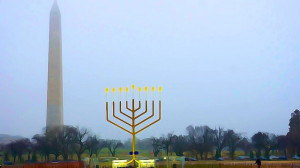
You can visit the world's largest menorah on the Ellipse in Washington, DC. Photo: Ted Eytan (Flickr)

You can visit the world’s largest menorah on the Ellipse in Washington, DC. Photo: Ted Eytan (Flickr)

We have host families from a wide variety of backgrounds and faiths; some host families celebrate Hanukkah, some celebrate Christmas, some celebrate Kwanzaa, and some celebrate more than one holiday or none at all. If you’re an au pair living with a host family who celebrates Hanukkah and you do not, I encourage you to take part and experience it with them. This can be a great opportunity for learning and culture sharing. I also encourage host families to ask their au pairs to share their holiday traditions and customs. 

Hanukkah is the Jewish Feast of Lights or Feast of Dedication. The Hebrew word Hanukkah means dedication. The holiday begins on the eve of the 25th day of the Hebrew Month of Kislev and lasts eight days. Hanukkah usually falls in the month of December, but occasionally can start in November. This year Hanukkah begins at sundown on Saturday, December 24, 2016, and ends on Monday, January 1, 2017. 

How Do You Spell Hanukkah?

According to Judaism 101, the process of writing Hebrew words in the Roman (English) alphabet is known as transliteration. Transliteration is more an art than a science, and opinions on the correct way to transliterate words vary widely. This is why the Jewish festival of lights (in Hebrew, Cheit-Nun-Kaf-Hei) is spelled Chanukah, Chanukkah, Hanuka, and many other interesting ways. Each spelling has a legitimate phonetic and orthographic basis; none is right or wrong.

History

The books of the Maccabees tell the story of Hanukkah which occurred in 165 B.C. After three years of struggle, the Jews in Judea defeated the Syrian tyrant Antiochus. The Jewish people held festivities in the Temple of Jerusalem, and rededicated it to God. After removing all Syrian idols from the Temple, the Jews found only one small pot of oil to light their holy lamps. Miraculously, the small pot provided oil for eight days. Judas Maccabaeus, the Jewish leader, then proclaimed a festival to be observed by Jewish people. (Source: www.apples4theteacher.com)

Hanukkah Traditions (Source: www.bhg.com)

  • The Menorah

The centerpiece of the Hanukkah celebration is the Hanukkah or menorah, a candelabra that holds nine candles. Eight candles symbolize the number of days that the Temple lantern blazed; the ninth, the shamash, is a helper candle used to light the others. Families light one candle on the first day, two on the second (and so on) after sundown during the eight days of Hanukkah, while reciting prayers and singing songs. The menorah — either store-bought or homemade and crafted of metal, wood, papier-mache, or clay — is filled from right to left, but lit left to right so each new candle is lit first. (Source: www.bhg.com)

  • Singing Songs

Hanukkah — one of the most family-oriented of Jewish holidays — comes with its own set of carols sung around the glowing menorah. These celebrate everything from the glory of God and the ancient Temple of the Jews (“Maoz Tzur”) to the simplicity of a dreidel (see below), as in “Dreidel, dreidel, dreidel/I made it out of clay/And when it’s dry and ready/Dreidel I shall play.”

  • Yummy Treats
Photo of Sufganiyot (Donuts): Avital Pinnick (Flickr)

Photo of Sufganiyot (Donuts): Avital Pinnick (Flickr)

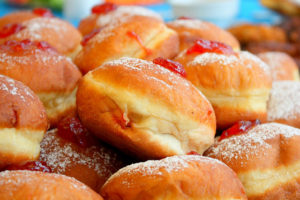
There’s nothing low-fat about Hanukkah – many of the traditional foods of the holiday are deep-fried. In honor of the oil-y miracle people celebrating Hannukah like to eat foods that are fried in oil like latkes (potato pancakes) and sufganiyot (jelly-filled doughnuts) and different fried breads.  Want to have a go at making something?  There are lots of recipes for yummy treats here.

  • Spinning Tops 

    Photo: Marina Shemesh (Flickr)

    Photo: Marina Shemesh (Flickr)

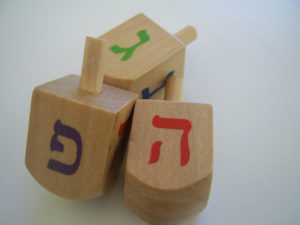
It’s customary to play with dreidels (spinning tops) during the holiday, even wage gambling games in which players guess which side of the top will fall face up. Legend has it that during the Greek-Syrian dictatorship in Israel of yore, Jews got around the ban on reading the Torah by bringing spinning tops to study sessions so their oppressors would think they were just playing around. The Hebrew characters carved into the four sides of today’s dreidels are the first letters of “Ness Gadol Haya Po/Sham,” which roughly translates to “Great Miracle Happened Here/There” (depending on whether you’re in Israel or not).


Celebrating Hanukkah in Washington, DC
2016menorah

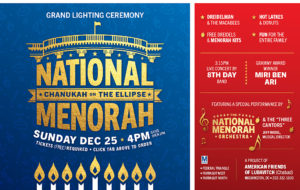
The lighting of this menorah – the world’s largest – is attended by thousands every year and seen via media by tens of millions across the nation and around the world. Along with the lighting, there will be live entertainment and menorah kits and dreidels to take home. Tickets are free but must be ordered in advance.

A very Happy Hanukkah to all!

Christmas 2016

We have host families from a wide variety of backgrounds and faiths; some of our host families celebrate Christmas, some celebrate Hanukkah, some celebrate Kwanzaa, and some celebrate more than one holiday or none at all. If you’re an au pair living with a host family who celebrates Christmas and you do not, I encourage you to take part and experience it with them. This can be a great opportunity for learning and culture sharing. I also encourage host families to ask their au pairs to share their holiday traditions and customs. 

History

Christmas is both a sacred religious holiday and a worldwide cultural and commercial phenomenon. For two millennia, people around the world have been observing it with traditions and practices that are both religious and secular in nature. Christians celebrate Christmas Day as the anniversary of the birth of Jesus of Nazareth, a spiritual leader whose teachings form the basis of their religion.

Image: Alan Cleaver (Flickr)

Image: Alan Cleaver (Flickr)

In the United States, popular customs include exchanging gifts, decorating Christmas trees, attending church, sharing meals with family and friends and, of course, waiting for Santa Claus to arrive. December 25–Christmas Day–has been a federal holiday in the United States since 1870. (Source: History.com)

Christmas Traditions in the US

Infographic: History.com

Infographic: History.com

In the US, Americans celebrate Christmas with traditions that have been introduced from different cultures as well as some uniquely American celebrations.

  • The period of time in the US from Thanksgiving through New Year’s Day is called “the holidays.”
  • Decorated Christmas trees begin lighting up windows in homes, and shops and outdoor plazas shortly after Thanksgiving.
  • Christmas tree ornaments can be found in almost every store, but many families have boxes of treasured ornaments made by children out of paper and other crafts which are lovingly hung year after year.
  • Christmas lights decorate trees indoors as well as the front lawns and porches of houses. Many parks have special holiday light displays.
  • Children write letters to Santa Claus requesting gifts. Shopping malls, parties, churches, and some schools host events where children can have their photo taken with Santa Claus and ask him for gifts in-person.
  • Christians remember the birth of Christ with nativity scenes displayed on church lawns, Christmas pageants performed by children in churches and some schools, and delicate, often handcrafted manger scenes set out among the Christmas decor at home.
  • On December 24, Christmas Eve, many families have special traditions and often attend Christmas Eve church services. Children hang Christmas stockings, leave cookies and milk for Santa Claus, and try their best to fall asleep so Santa can deliver their presents.
  • On December 25, Christmas Day, children wake up early to see the gifts Santa Claus left them. Families exchange gifts, which have been wrapped and placed under the Christmas tree.
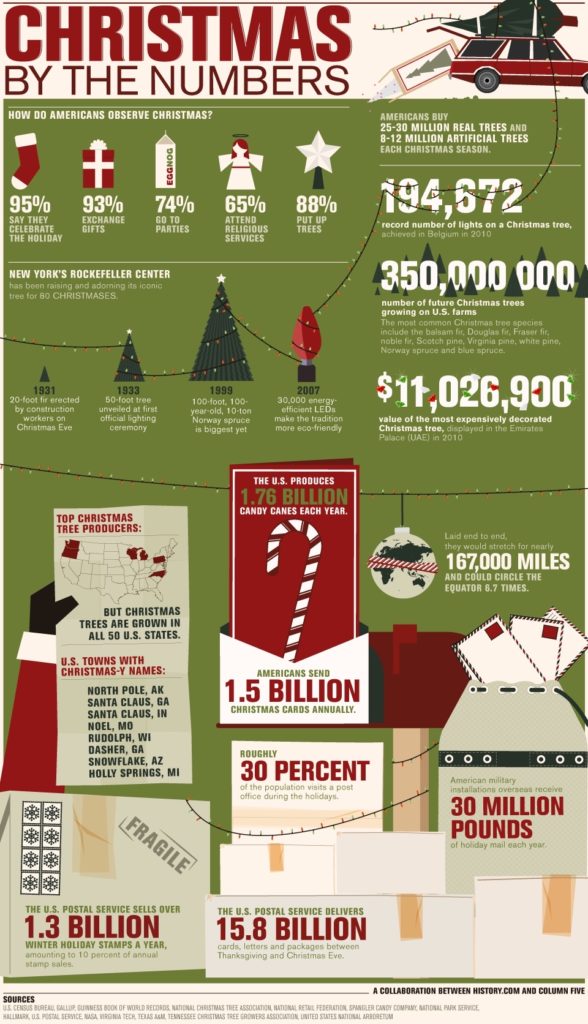
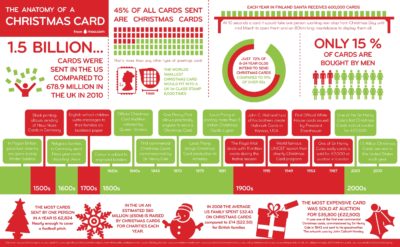
  • Americans mail Christmas and holiday cards (often with photos of the family) throughout the holiday season. In 2010, Americans mailed 1.5 billion holiday cards.
  • Source: Moo.com

    Source: Moo.com

    Many Americans view the same beloved Christmas movies year after year. Some classic favorites include, “A Charlie Brown Christmas,” “It’s a Wonderful Life,” “The Christmas Story,” “Home Alone,” “Rudolf the Red-Nosed Reindeer,” “Frosty the Snowman,” “The Grinch Who Stole Christmas,” “Elf” and “A Miracle on 34th Street.”


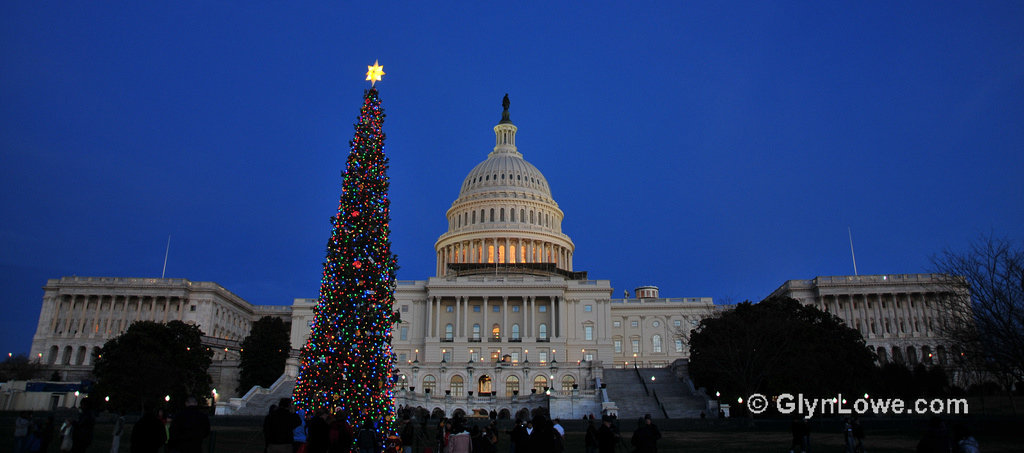
Photo: www.GlynLowe.com (Flickr)

Photo: www.GlynLowe.com (Flickr)

Celebrating Christmas in Washington, DC

A very Merry Christmas to all!

2016 DC Cultural Fair

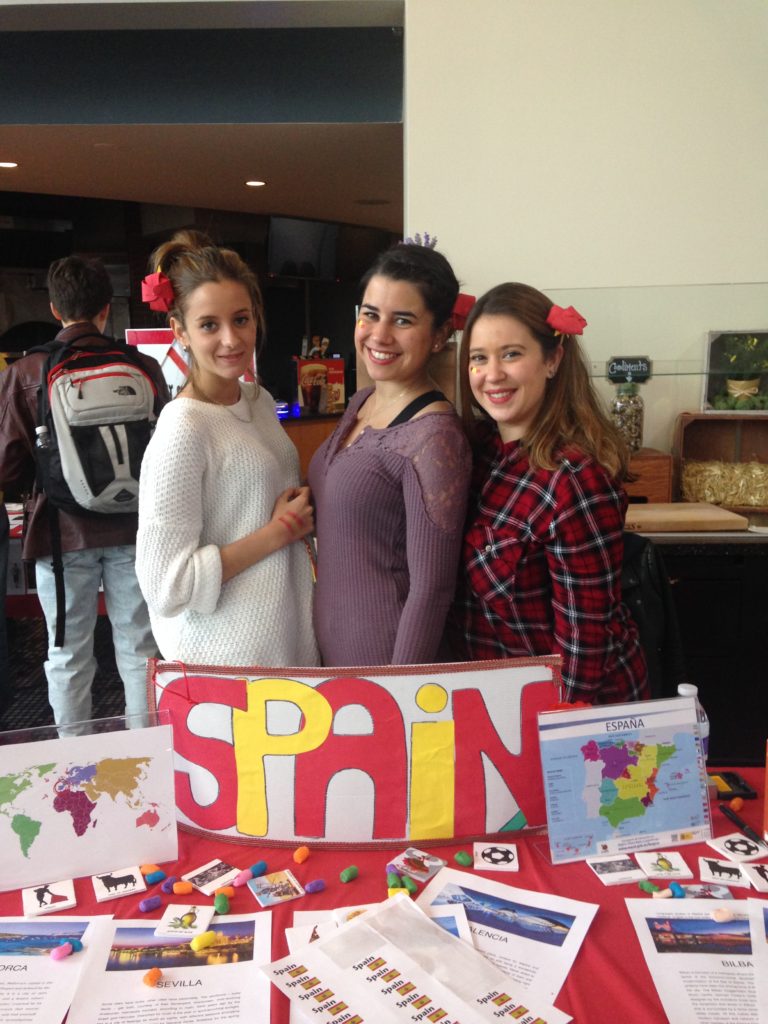
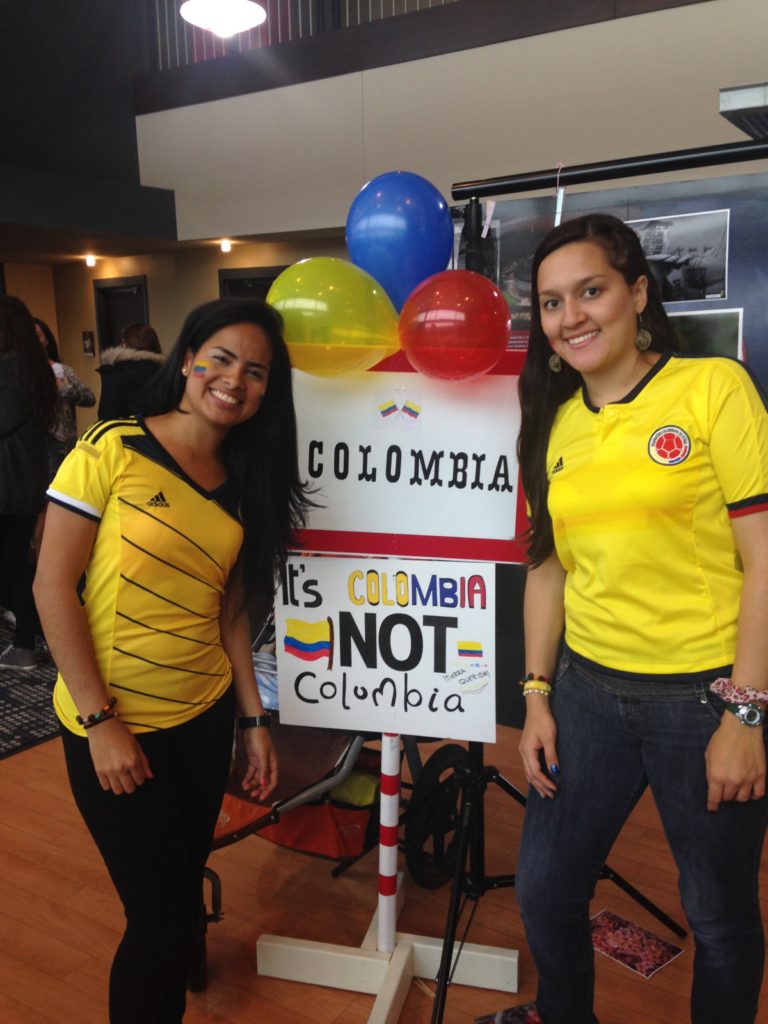
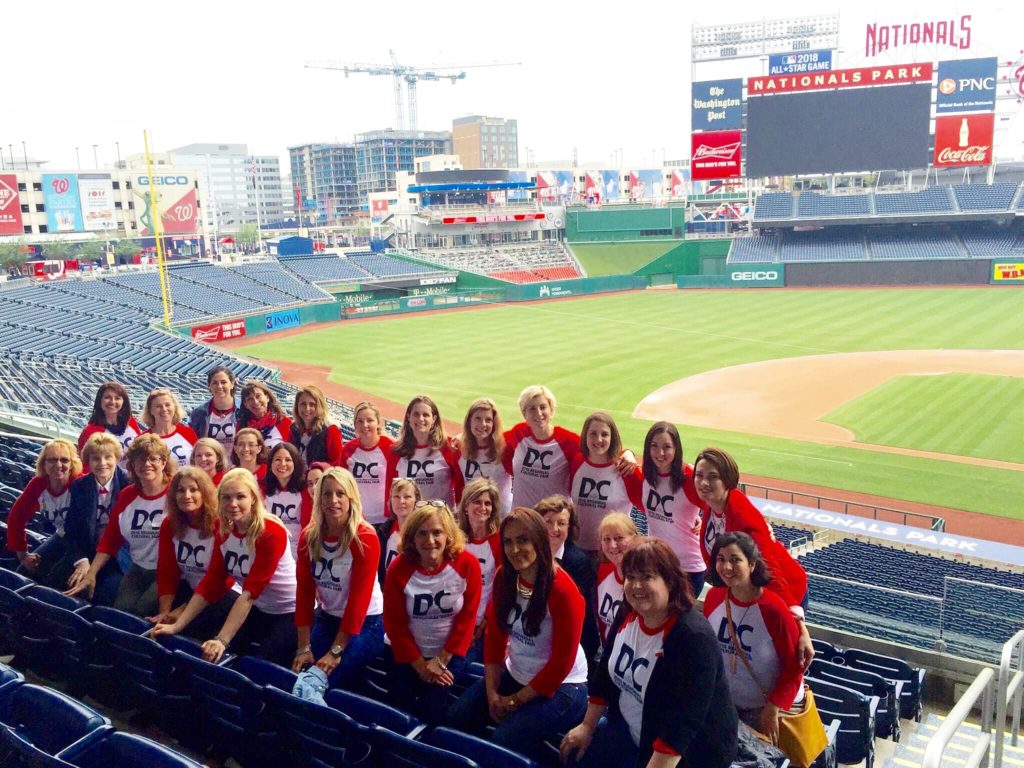
What fun we had at the 2016 DC Cultural Fair on May 1st! So many smiles, so much laughter, and so many wonderful memories. A big thank you to all of au pairs who participated and all of the host families who came out to Nats Park. We couldn’t have done it without you! Read all about the fantastic day on Au Pair in America’s blog, Kid Notes.

2016 Cultural Fair 3

2016 Cultural Fair 42016 Cultural Fair 1

APIA Cultural Fair on May 1st at Nats Park

dc-fair-rsvp

The weather forecast for Sunday is calling for rain…perfect weather to enjoy the DC Metro Area Cultural Fair inside at Nats Park. This event is being held indoors. 

Don’t let the rain keep you away! Join Au Pair in America for a Trip Around the World! on Sunday, May 1st from 1–4pm at Nationals Park, Norfolk Southern Club. Continue reading

Au Pair Cultural Fair at Nationals Park on May 1st

1915609_10207257219523657_139700687365704839_n

The weather forecast for Sunday is calling for rain…perfect weather to enjoy the DC Metro Area Cultural Fair inside at Nats Park. This event is being held indoors.

Join Au Pair in America for a
Trip Around the World!

Sunday, May 1, 2016 | 1–4pm

Nationals Park, Norfolk Southern Club

Help us celebrate 30 years of Au Pair in America and the U.S. Department of State’s au pair program! You’re invited to a fun afternoon of educational country displays, performances by au pairs, a photo op, face painting, and other fun activities for children. Au pairs from over 30 countries will be participating! Continue reading

Au Pairs Make a Difference

Photo: Catherine McEaddy Holmes

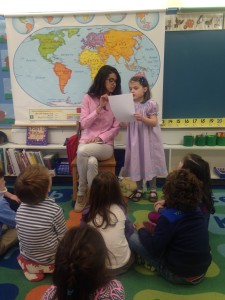
Sara Segundo Lazaro shared how Catalonians celebrate Sant Jordi Day at National Presbyterian School in Washington, DC

Volunteering is an important part of American life. Au Pair in America encourages all of our au pairs to volunteer as a way to share your culture and learn more about American culture through the experience.

APIA’s Global Awareness program provides the opportunity for you to share your culture, customs, and language in DC-area classrooms through the “Meet Your Global Neighbor” project. Recently, Sara Segundo Lazaro taught a group of kindergartners at National Presbyterian School about Sant Jordi, a festival celebrating the patron saint of Catalonia. See the Global Awareness website for more details on volunteering through this program.

Xareny Segura Muniz is enrolled in the UCLA APIA Advantage Course, which requires au pairs to do a Global Awareness presentation, volunteer at a local organization, and participate in historical and cultural activities. Last month, Xareny visited a first grade class at Lee Montessori PCS, where she taught them about Mexican foods, holidays, and animals. The children also learned a few words in Spanish. Next week, Xareny will volunteer at the DC Central Kitchen to help fulfill the Community Involvement portion of her class.

There are many volunteer opportunities in the DC area. You are welcome to contribute your time wherever you like, as long as it does not interfere with your work or school schedule. Our DCC Cluster Facebook Group has a list of current volunteer opportunities under the files tab. Also, ask your Host Family for community service ideas with their children’s schools, their church, synagogue, or other house of worship, or neighborhood organizations.