
Tag Archives: childcare

Back-to-School Tips for Au Pairs

It may still feel like summer outside, but back-to-school season has arrived. Here are a few things to think about as we turn our attention to September.

  1. Weekly meetings:  These are a perfect time for you to sit down with your host parents and review the weekly schedule, the children’s behavior, and other issues. APIA strongly encourages these meetings. If they’re not happening at your house, let me know and I’ll speak with your host parents.
  2.  Schedule:  September is almost here. What does that mean for you? Now is the perfect time to review your work schedule and family agreements and think about how life might change this autumn. Bring up questions you have about these changes in your weekly meetings.
  3. School: Can you answer all of these questions? If not, ask your host parents, so you will know what to do.
    • What are the children’s school and activity schedules  (including school holidays, teacher work days)
    • How does school drop-off and pick-up work?  Have you been added to the list of people allowed to pick up the kids from school>
    • What do you do if a child is staying home sick, is late to school, or is dismissed early?
    • How do you know if school has been cancelled or delayed for bad weather?
    • What should you pack for the children’s lunches?
    • What is the after-school routine (do they have free time before starting homework, what to give for snack, any chores, where do they put their backpacks & lunchboxes)?
    • How should you communicate with your host parents about what’s going on at school?
    • Are there any other changes in routines, bedtimes, and meals?
  4. Technology:  Smart phones are great tools for staying in touch with your host family, finding directions, scheduling playdates, keeping track of your schedule, and taking pictures of your host kids to share with their parents. However, remember that you should never use your phone for anything else during work hours. Don’t do it. For more technology tips, read this blog post. 

 

Back-to-School Tips for Host Parents

While it still feels like summer outside, store shelves are stocked with notebooks and pens, school crossing guards are directing traffic, and Facebook feeds are full of grinning kids happily headed off to school. Yes, Back-to-School Season has arrived!

Along with the scramble to find missing backpacks, use this time of year to review your family routines, tweaking them for your children’s new schedules. Also, consider how your children have matured since last year, and how they can show their increased maturity with new responsibilities.

It’s very important to communicate with your au pair any changes to her routine schedule and duties. Consider the following discussion topics for your weekly meeting:

  • Au pair’s work schedule
  • The children’s school and activity schedules  (school holidays, teacher work days)
  • School drop-off and pick-up (how does this work and who does it). Be sure to add your au pair to your list of people allowed to pick up the kids from school
  • What to do if a child is staying home sick, late to school, dismissed early
  • How to tell if school has been cancelled or delayed for bad weather
  • What to pack for lunch
  • After school routine (do they have free time before starting homework, what to give for snack, any chores, where do they put their backpacks & lunchboxes)
  • How to communicate about what’s going on at school (Kids in Care Log Books are available upon request from APIA)
  • Any other changes in routines, bedtimes, meals, and job duties.

You may find the following articles helpful in considering your plan for the school year:

2016 Summer Day Camps in DC

Illustration: www.hikingArtist.com (Flickr)

Illustration: www.hikingArtist.com (Flickr)

Does it seem like the days are getting longer, but the hours are getting shorter?

Too much to do and never enough time to do it all? Continue reading

December Holiday Cluster Meeting

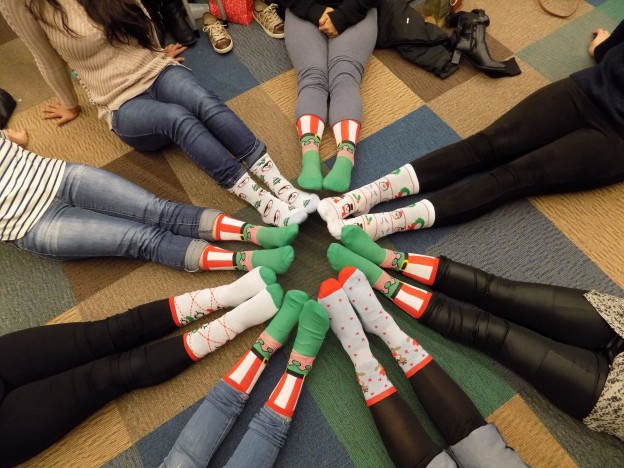
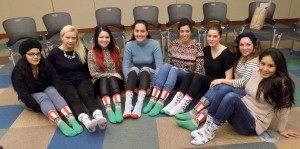
Our December 2015 Cluster Meeting was full of fun and laughter.

Our December 2015 Cluster Meeting was full of fun.

From reviewing important seasonal safety tips to sharing holiday traditions from many different countries, our December cluster meeting was full of learning and fun. Each Au Pair brought a treat that reminded her of the holidays and a wrapped present for a gift exchange. Continue reading

2015 Summer Camp Ideas in DC

Illustration: www.hikingArtist.com (Flickr)

Illustration: www.hikingArtist.com (Flickr)

Does it seem like the days are getting longer, but the hours are getting shorter? Too much to do and never enough time to do it all? You’re not alone- many host parents are struggling with the same challenges as school comes to a close for the year.

The flexible schedule is one of many reasons many families champion the Au Pair program. We all know that our au pairs can work no more than 10 hours per day and 45 hours per week. However, summer can be a real challenge for host parents who are working full-time. Once kids are out of school, an Au Pair’s regulation hours may not be enough time to cover all of your childcare needs.

Day camps are a great way to fill in the gaps, and there are many options in the DC area. Below is a list of camps not too far from our part of town. At posting time, all still had some availability. If you know of others your kids have enjoyed, please share on our private Facebook group page. Let’s work together to find options for our cluster kiddos– and make it a great summer for everyone!

  • Beauvoir Summer Camp(rising pre-k-rising 5th grade; half-day, full-day, before and aftercare , and speciality camps; CIT program; weekly sessions)
  • BloomBars‘ Fit Kids Hit the State: Summer Adventure
  • CCBC Children’s Center’s Summer Camp* (ages two-five; 9 am-1 pm; potty training NOT required; weekly sessions available; brochure and application)
  • Headfirst Summer Camps- St. Albans and NCS campuses (age 3-rising 7th grade; half-day, full-day, before and aftercare, and specialty camps; weekly sessions)
  • Lowell School’s Summer Camp (age 2.75-rising 9th grade; half-day, full-day, before and aftercare, and specialty camps; CIT programs; weekly sessions
  • National Presbyterian School’s Summer Horizon’s Camp* (age 3-rising 4th grade; half-day, full-day, before and aftercare, and speciality camps; CIT program; weekly sessions)
  • Sidwell Summer Camp- DC Campus (age 3-rising 10th grade; half-day, full-day, before and aftercare; specialty camps, weekly sessions)
  • Silver Stars Gymnastics Camp* (ages 3.5-15; half-day, full-day, before and aftercare; weekly sessions; registration)

*My children have attended these camps. Please reach out to me with any questions about them.

Keeping Our Kids Safe and Healthy This Summer

Illustration: MLARGE (clker.com)

Illustration: MLARGE (clker.com)

If you ask my children what they think their parents’ most important job is, they’ll say “to keep us safe and healthy.” We use that phrase to explain everything from why our daughter can’t cross street alone to why our son needs to go to sleep at night. While our children have been known to roll their eyes when they hear it, this all-purpose phrase is one that explains a lot of our decisions as parents. We encourage our au pairs to use it as well.

Yesterday, my son was worried about his upcoming swimming lesson, and I heard our au pair tell him that he was going to be safe because that was her job. Immediately, he smiled and relaxed a bit, and while he was still worried, he knew that he was safe because his au pair was there to keep him out of harm’s way.

Summer can be a wonderful time of year full of adventure and fun, but it can also be a time when routines are unsettled and rules are relaxed. I encourage you to think about ways that you can keep your children safe and healthy. The American Academy of Pediatrics’ Healthy Children website has many excellent articles on how you can help your family have a wonderful and healthy summer. Below are some highlights with links to the full articles.

Summer Safety (updated for 2016)

Sun Safety

  • Keep infants 6 months or younger out of direct sun.
  • Cover up with protective clothing and hat and dress in cool layers. Wear protective sunglasses.
  • Play outdoors in the early morning and limit your exposure to sun between 10 am and 4 pm.
  • Use a broad-spectrum sunscreen and apply it often.

Continue reading