Most au pairs have mixed feeling about returning home. As the end of the program nears, there is both excitement and nerves about adjusting to life at home.
Adapting to life back home will include some of the same emotions experienced with adjusting to life in the United States, such as:
Homesickness (only this time for your American family and friends)
Rejecting things that are cultural norms in your home country
Adapting to a new environment and routine
Accepting your new situation
At a recent cluster meeting, au pairs discussed creating a resume to reflect the new skills they acquired during the au pair program. (Photo: Catherine McEaddy Holmes)
How do you prepare for going home? While you have been away, things at home may have changed. You have certainly changed, and after adapting to the American culture, you must adapt again to your own culture. Here are some tips to consider as you prepare for the journey home:
Be flexible as you think about life back home, give yourself time to adjust, and don’t expect it to be easy every day.
Let yourself be sad and feel the loss of friends and family.
Reflect on your experience and acknowledge what you have gained and learned during your au pair year.
Focus on positive ways you have grown.
Make a list of the skills you have acquired or strengthened as an au pair.
Make your new resume!
You made it! Celebrate and be proud of your au pair achievements.
Going home is not the end of something….it’s the beginning of something new.
Crafts, recipes, activities, and games related to all kinds of vehicles can all be found here on the Camp Au Pair – Cars & Truckspinboard.
Field Trips can be a great way for kids to learn and have new experiences. Here are a few places that fit this theme:
Port Discovery in Baltimore has a fun gas station exhibit where kids can pretend they are driving a car and filling it up at the gas station.
Look for construction areas where the kids can observe big machines in action. Kids should observe from the car or a safe area.
Keep an eye out for the trash truck and let them watch the truck in action.
Playseum in Bethesda has fun interactive activities for kids to try.
Go to a drive-through car wash or let the kids make their own car wash at home.
Touch a Truck is a free, family-friendly event taking place at the Bowie Baysox stadium on August 3.
Videos – Amazing Big Trucks is a kid-friendly video showing big trucks in action. Look for fun videos on YouTube about cars and trucks.
Movies – Cars, Turbo, The Love Bug, Chitty Chitty Bang Bang, and Bob the Builder Mega Machines movies all fit this theme. Common Sense Media’s list of Best Car Movies for Kids and Teens has more suggestions. (Always check with your host parents first, as some of these movies are rated PG or PG-13.)
Books – Common Sense Media’s list of books about Cars, Trucks, and Trains has lots of great suggestions, including Let’s Go for a Drive! An Elephant and Piggie Book, Bulldozer’s Big Day, and Go, Dog, Go! Stop by your local library for these and other books about cars and trucks.
Remember to bring along drinks, especially water. Try to get children to drink water every 20 minutes when they are outside in hot weather.
Pay attention to surfaces that can be hot against children’s skin, such as metal slides and other playground equipment in the sun.
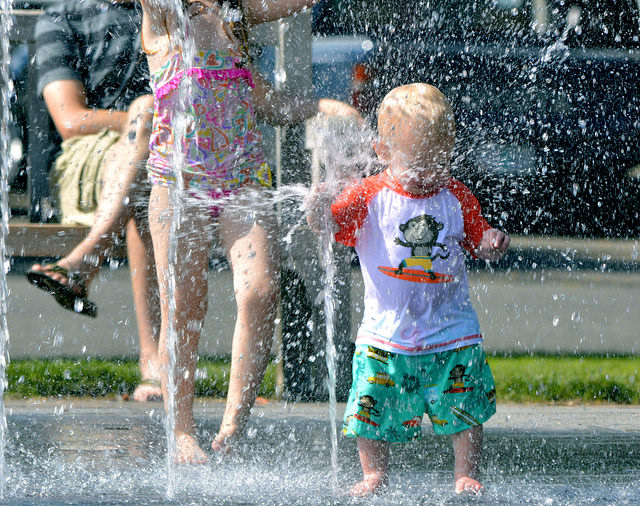
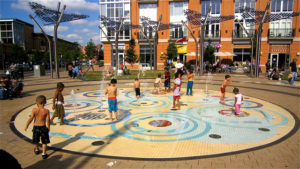
Safety around water is particularly important. A child can drown in just a few inches of water. Whenever you are near water you must never leave a child alone – if the phone rings, take them with you or let it ring! Always stay within arm’s reach when the children are in or near water.
Young babies should be kept out of direct sunlight. Keep the baby in the shade or under a tree, umbrella or stroller canopy.
Dress babies in lightweight clothing and use brimmed hats.
Apply sunscreen 30 minutes before going outside, even if it appears overcast (cloudy).
Try to keep children out of the sun in the middle of the day when the sun is strongest.
Learn what poison ivy looks like and keep children out of it. A good rule to teach the children is “leaves of three, let it be.”
Use insect repellent spray to keep away mosquitos and ticks. Ask your host parents before applying.
Check for ticks when you bring children in from playing outside, especially if you’ve been in tall grass or the woods.
When the kids are out of school on summer break there are soooo many possibilities. But, if you don’t make plans, you will often end up in the house with bored kids getting into trouble and arguing with their siblings.
Head off the summer doldrums by making plans! Having lots of ideas ready can minimize those problems. In need of some ideas to keep the kids entertained this summer? Here’s a roundup of ideas designed to keep whining to a minimum and help you make a summer you’ll all remember!*
Help your host kids create a Summer Bucket List. Talk with the kids about things they would like to see and do. Even toddlers and preschoolers can contribute to the conversation.
*Discuss these plans and ideas with your host parents before embarking on a new adventure. You need to clear things like how much you money you may spend, how far you will be traveling, and when is best to do some of these activities.
When you get into an Uber or Lyft, make sure the vehicle matches the description and the driver shown on your App.
Keep your mobile phone charged, so you can use it if you need it.
When riding on Metro, try to wait in well-lit areas where there are other people and try to get into a train car with other people, rather than being alone.
Be very careful using outside ATMs at night or in unfamiliar surroundings.
Tell someone where you’ll be and what time you’re supposed to return, or if you will be with someone you don’t know well.
If you are meeting someone new for the first time, meet in a public place with lots of other people.
Never give your home address to someone without your host family’s permission.
Don’t overload yourself with packages or shopping bags.
Don’t wear earbuds or headphones while walking or jogging.
Don’t read or get distracted by your cell phone while walking or standing on the street.
Pay attention to what is going on around you and be aware of people near you.
Be a good friend! If you think another au pair is not making smart decisions when you are out at night, be sure she gets home safely.